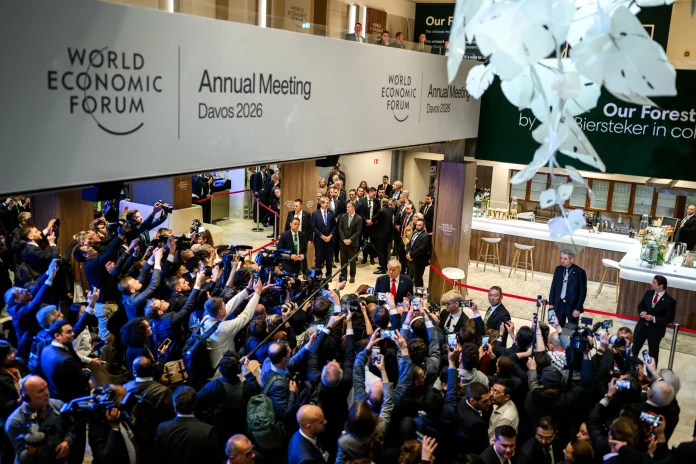
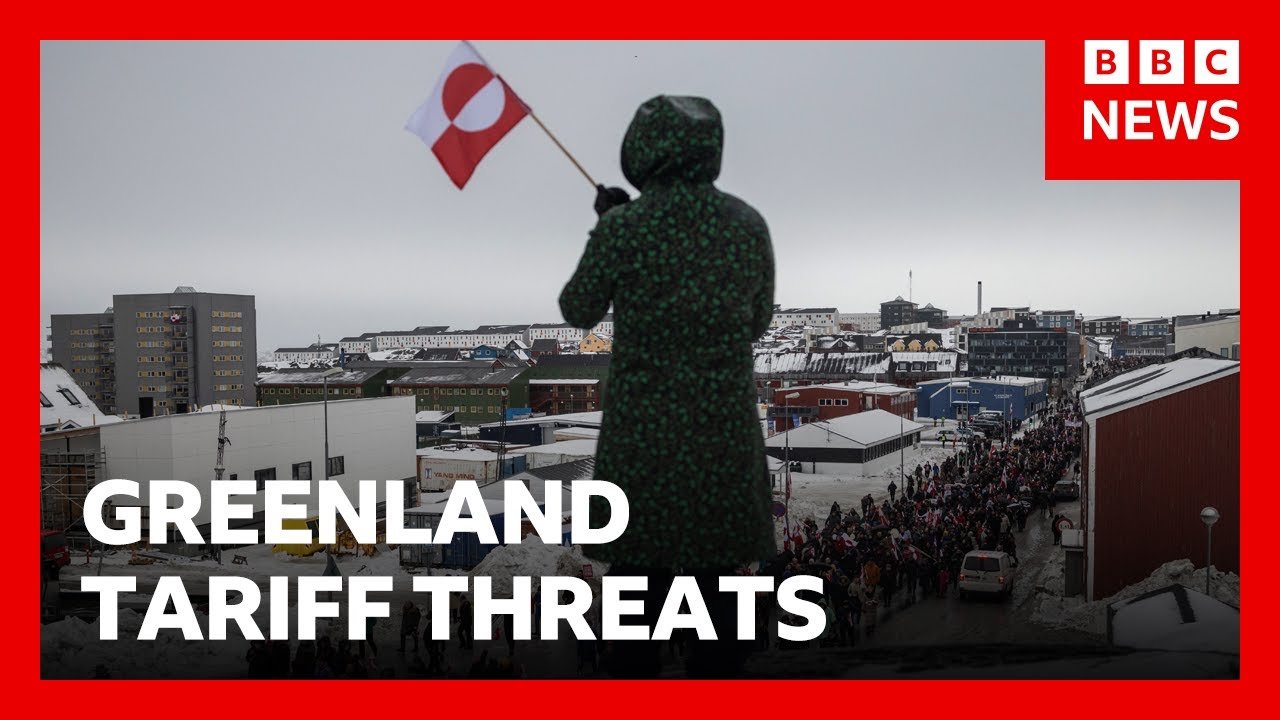
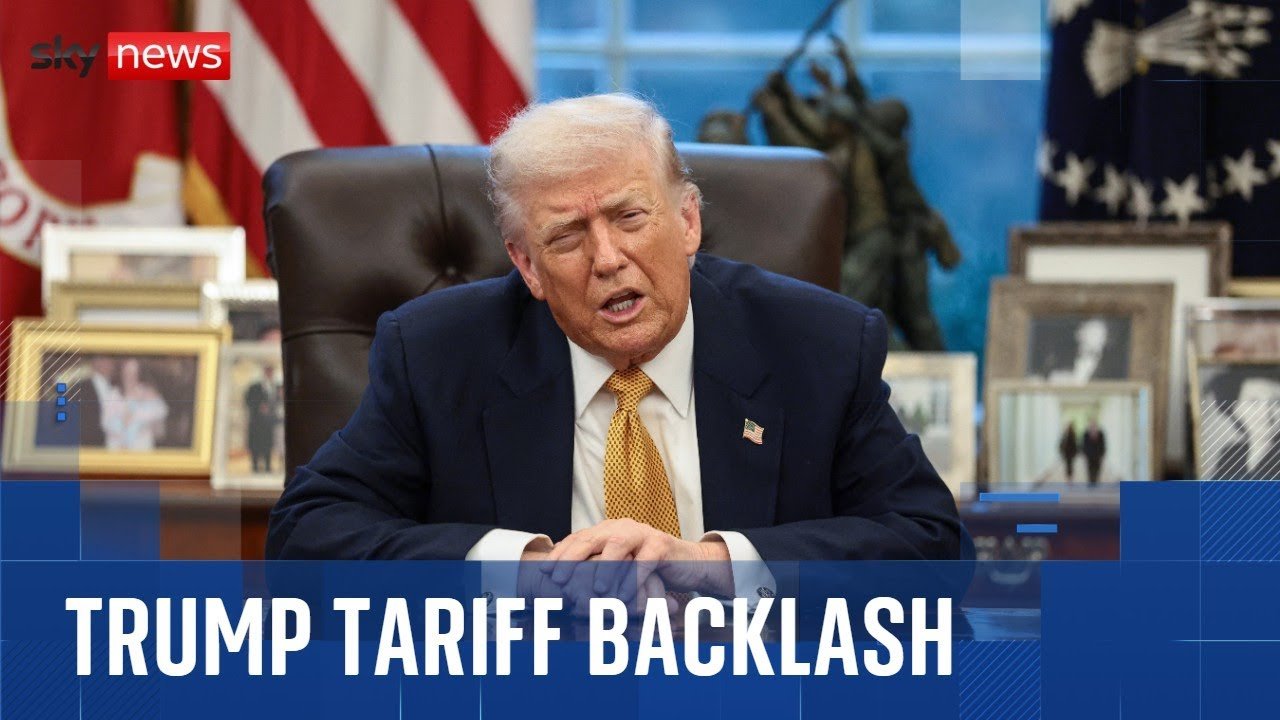
The tariff threats made by President Trump in January 2026 represented one of the most severe escalations in transatlantic relations, explicitly using trade policy as a tool for territorial acquisition.
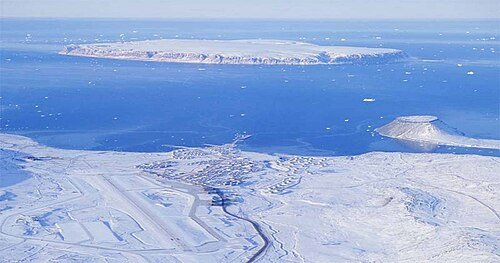
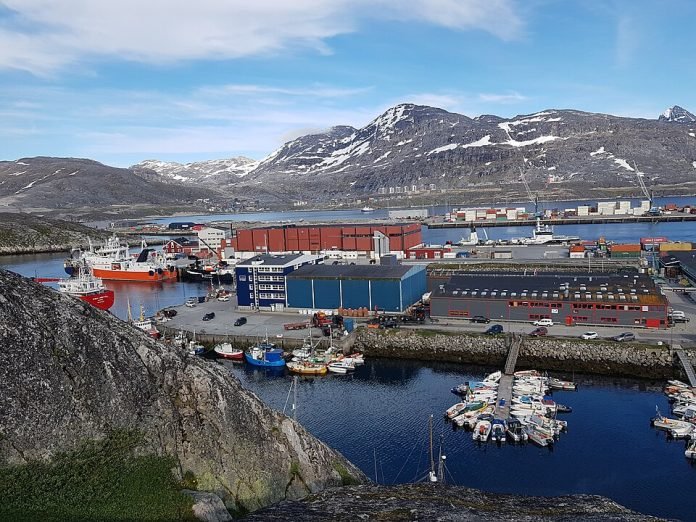
On January 17, 2026, President Trump posted on Truth Social that he would impose escalating tariffs on eight European nations unless they agreed to a deal for the “complete and total purchase” of Greenland from Denmark.
Eight nations face 10% Tariff Feb 1
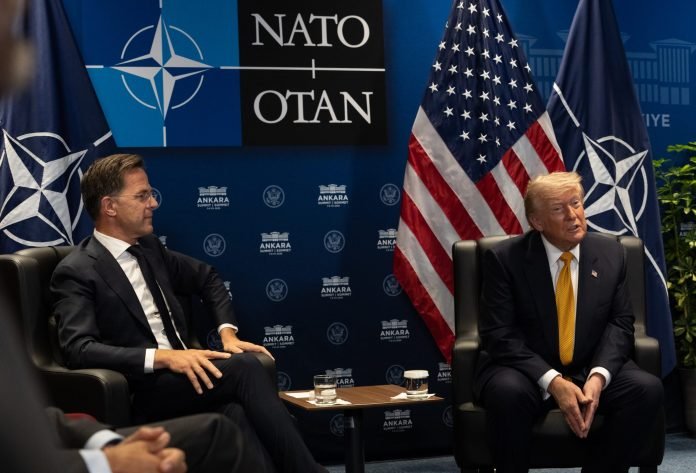
The eight nations were Denmark, Norway, Sweden, France, Germany, the UK, the Netherlands, and Finland. Starting from February 1, 2026, Trump said the US would impose a baseline 10% tariff on “any and all goods” sent from these countries to the US and the rate would jump to 25% by June 1 “until such time as a Deal is reached for the Complete and Total purchase of Greenland.”
Denmark deployed a “substantial contribution” of troops to Greenland on January 19 as part of Operation Arctic Endurance. Allied forces from the UK, France, and Germany also participated in reconnaissance missions to deter a potential US move.
Trump justified the move by claiming these nations were playing a “very dangerous game” by sending limited military contingents to Greenland for reconnaissance (part of the Danish-led Operation Arctic Endurance). He claimed their actions put the “Safety, Security, and Survival of our Planet” at risk.
Bipartisan lawmakers visit Greenland
A bipartisan group of 11 lawmakers visited Greenland to show support for its sovereignty. Legal experts and some members of Congress publicly stated that any order to invade would be an unlawful order that service members should not follow.
The threat effectively collapsed the “Turnberry Agreement,” a fragile US-EU trade truce from 2025. The European Parliament immediately stalled approval of a regulation to eliminate tariffs on US industrial goods.
EU prepares €93billion retaliatory package
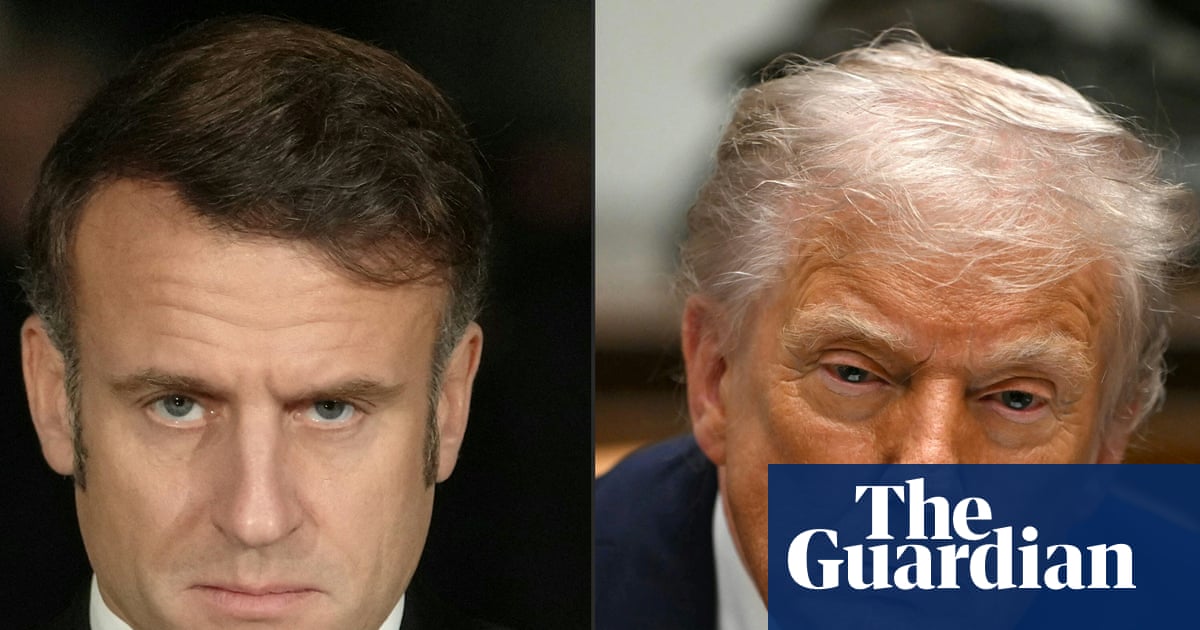
The EU prepared a €93billion retaliatory package. France, led by President Macron, pushed for the first-ever use of the Anti-Coercion Instrument (ACI), which would have allowed for excluding US companies from the internal market and freezing intellectual property protections.
Goldman Sachs projected that even the initial 10% tariff would have shaved up to 0.2% off the GDP of the affected nations, with Germany facing the sharpest blow.
Read also:
Trump announces deal reached for Greenland
US Special Forces captures Nicolás Maduro