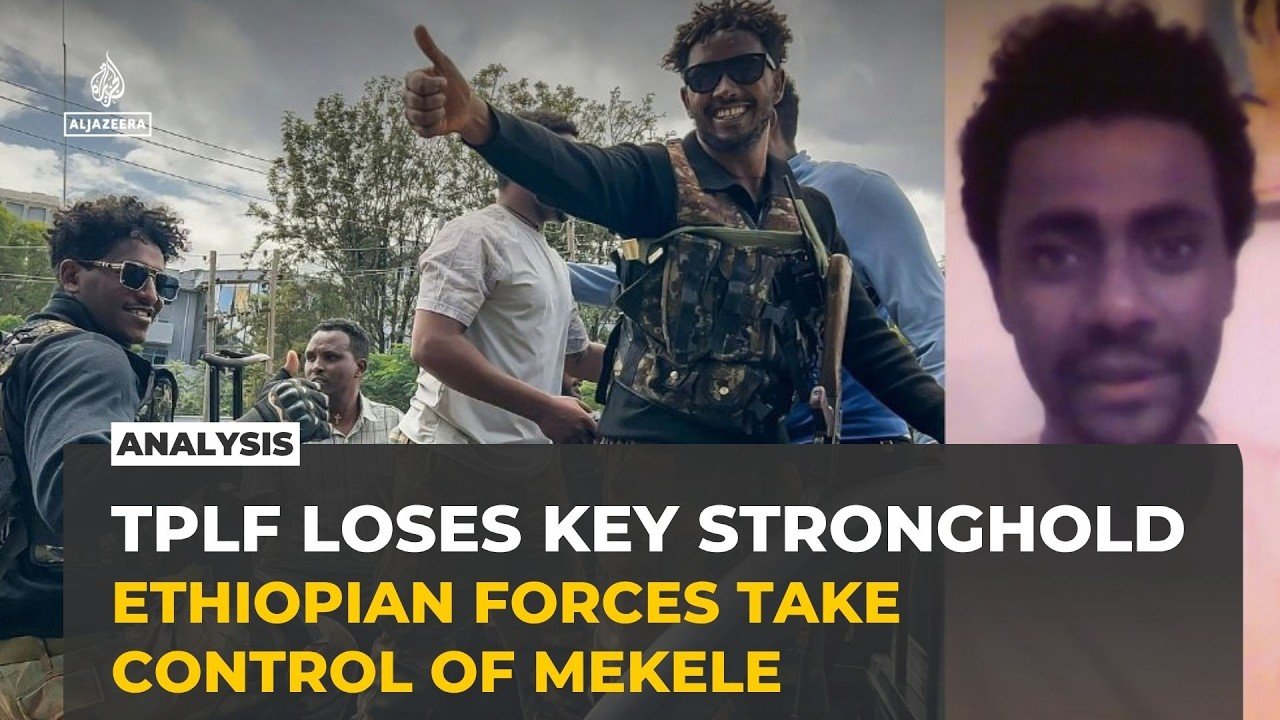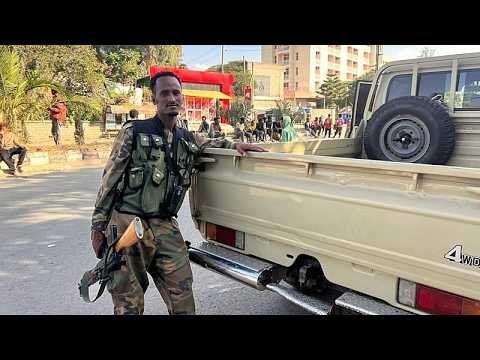


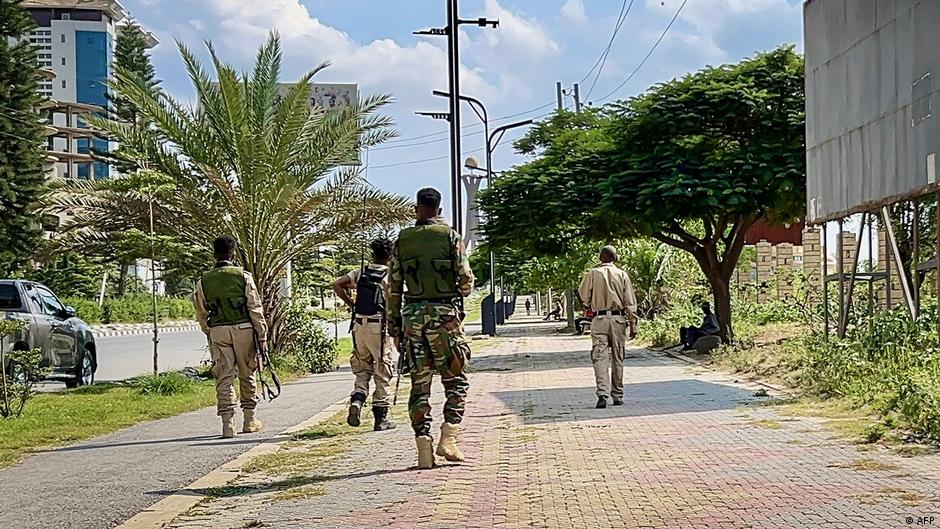


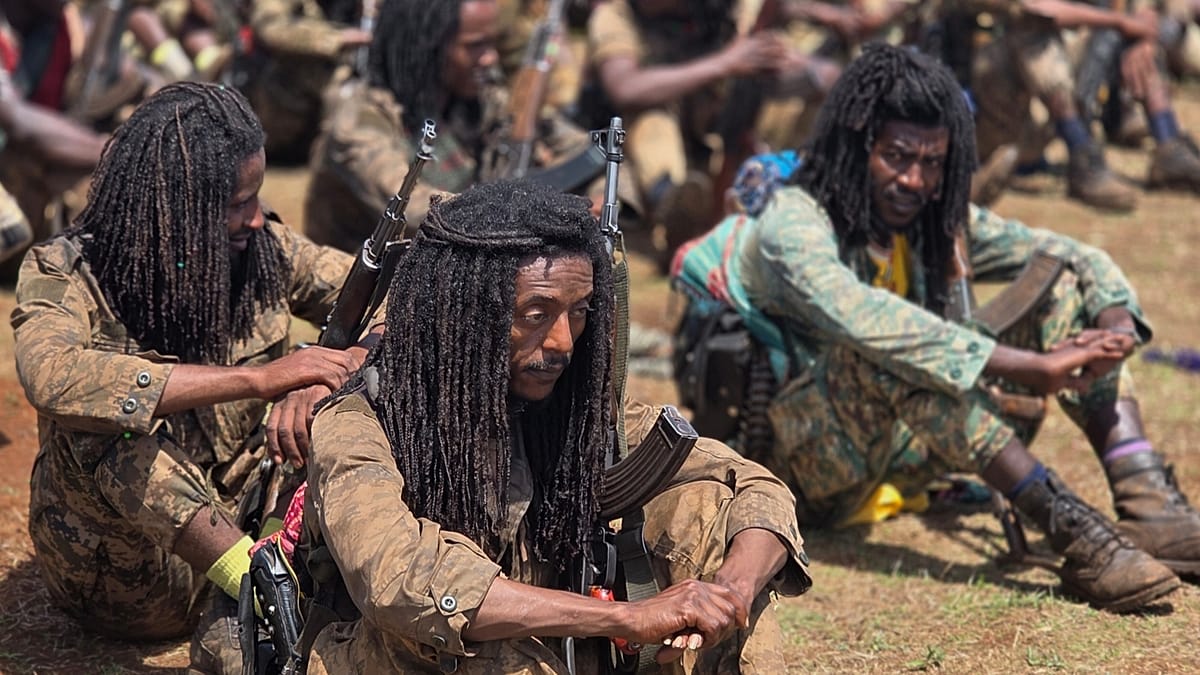

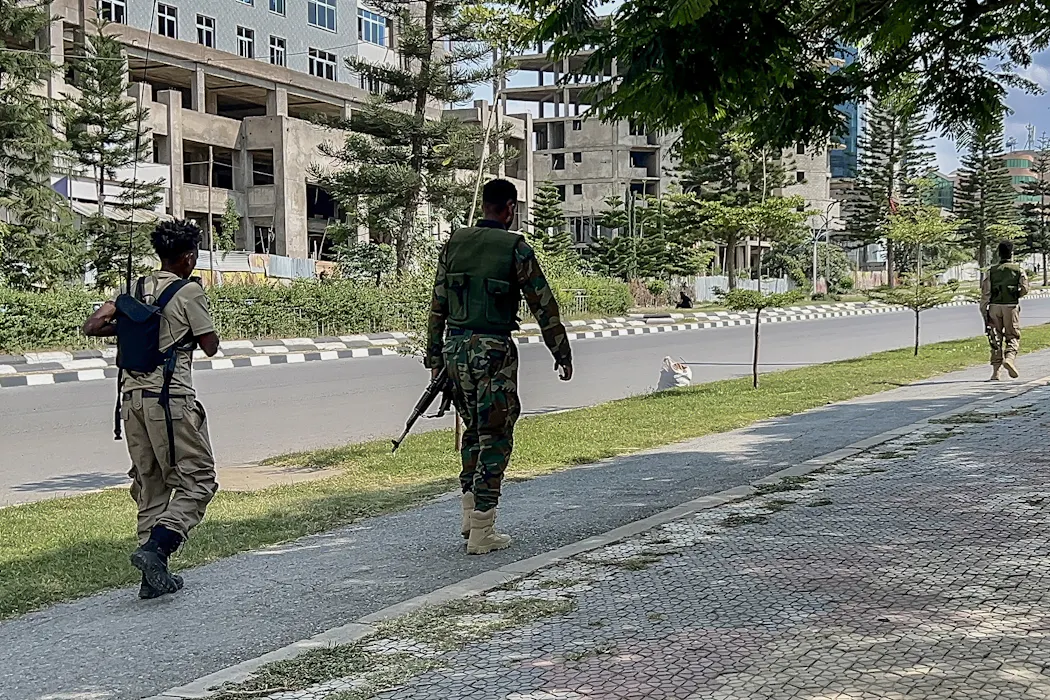

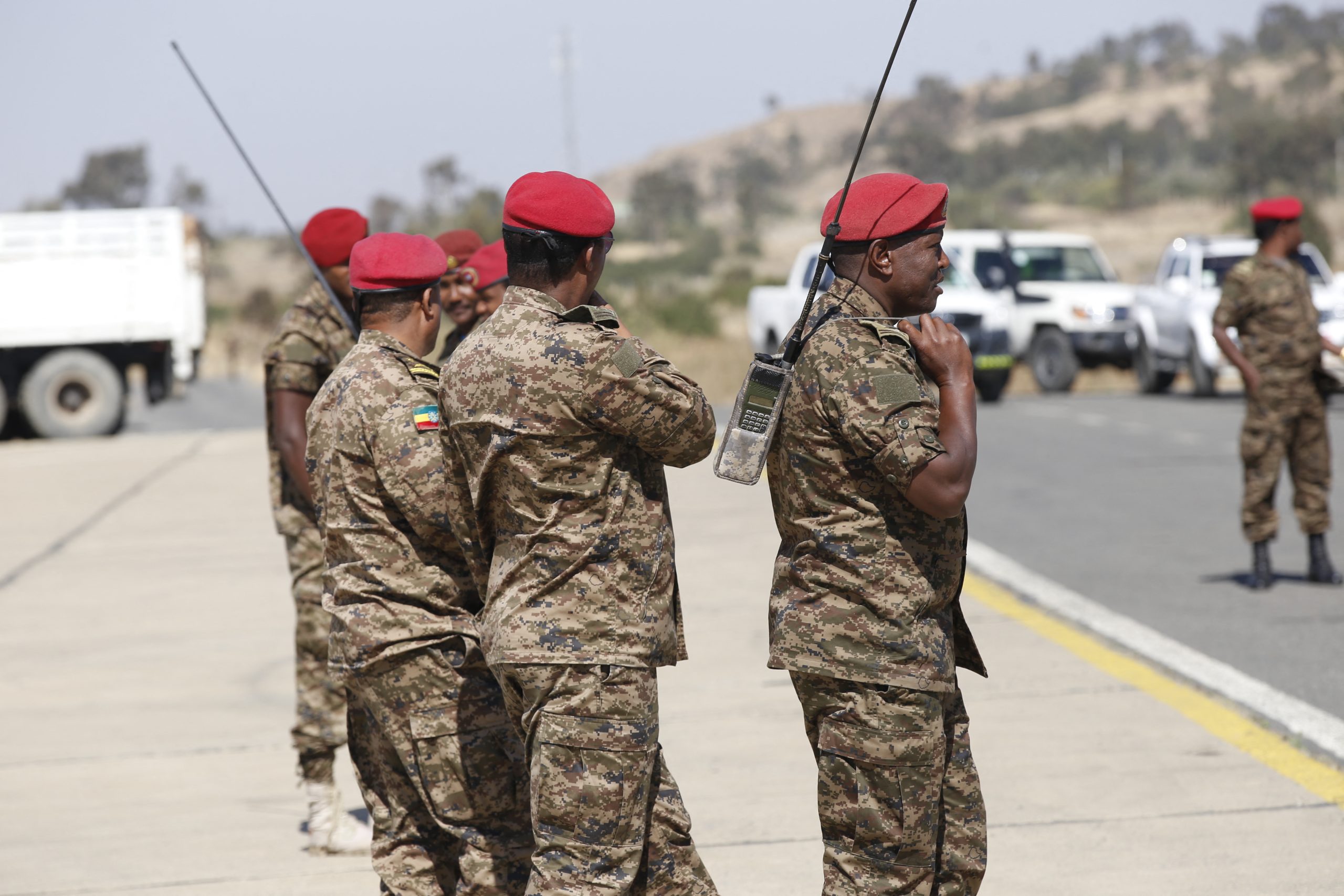








Ethiopian federal troops and allied militias have seized full control of Mekelle, the capital of the Tigray region, after opposition fighters withdrew in a tactical retreat aimed at sparing the city from further destruction.
The move marks the most significant escalation since the end of the 2020–2022 civil war and raises urgent concerns about the collapse of the 2022 Pretoria peace deal, civilian safety, and the risk of a wider regional confrontation.
How Mekelle fell
Government forces entered the city centre on Saturday afternoon alongside fighters from the Tigray Peace Forces, a pro‑federal militia, after recapturing Alula Aba Nega Airport earlier in the day. The airport—about 10km east of central Mekelle—had been seized by Tigrayan forces on September 23 as part of a broader offensive that also took airports in Axum and Shire.
The Tigray People’s Liberation Front (TPLF), which leads the regional administration and the opposition alliance, announced on social media that it had “temporarily moved out of Mekelle” to operate from another, undisclosed location. In its statement, the TPLF framed the withdrawal as a strategic decision to avoid giving federal forces a pretext to bombard the densely populated capital and to reduce harm to civilians and infrastructure.
Residents and humanitarian sources told Reuters and AFP that federal troops were patrolling Mekelle’s streets by Sunday, and that looting of government offices and police headquarters occurred as TPLF‑aligned fighters pulled out. Two Mekelle residents interviewed by the BBC said pro‑government forces now controlled the city and that TPLF units had abandoned it.
Civilian Impact and Humanitarian Alarm
The fighting has brought renewed hardship to a population still recovering from a war that killed hundreds of thousands and displaced millions. Since the latest round of hostilities began on September 23, more than 720 war‑wounded patients have reached hospitals in Tigray, according to Médecins Sans Frontières (MSF), which has warned of a surge in casualties and strained medical facilities.
The UN has expressed particular concern over reports of drone use and incidents harming civilians, and has called for safe, unhindered humanitarian access.
Civilians in Mekelle and surrounding areas report acute disruptions: roads connecting Tigray and Afar have been closed to civilian traffic, flights have been suspended, and communications and internet services have been intermittently blocked. Aid groups say they are “completely isolated” in parts of the north, with blocked communications preventing coordination and delivery of assistance.
For many residents, the return of fighting has revived fears of displacement, prolonged violence, and economic collapse reminiscent of the 2020–22 war.
Military claims and casualty figures
Both sides have issued competing claims about battlefield losses. The Ethiopian military says roughly 270 Tigrayan fighters have been killed and more than 200 wounded in recent operations, while pro‑Fano sources in Amhara have claimed more than 700 TPLF fighters killed; none of these figures has been independently verified.
At least 52 civilians have been reported killed in northern Ethiopia since the escalation began, though aid workers and witnesses suggest the true toll could be higher given access constraints.
Diplomatic fallout and regional summit
The resurgence of large‑scale fighting has strained the 2022 Pretoria Peace Agreement and intensified regional rivalries. Addis Ababa has accused Eritrea, Sudan, and Egypt of supporting the TPLF‑led opposition alliance; in response, Ethiopia closed its embassy in Asmara and ordered 10 Eritrean diplomats to leave the country on October 1, prompting Eritrea to sever diplomatic relations. Egypt and Ethiopia have also exchanged expulsions of diplomats amid rising tensions.
Against this backdrop, leaders from Egypt, Eritrea, Somalia, and Sudan met on October 4 in El‑Alamein, Egypt, to coordinate on regional security, Nile water rights, and Red Sea governance. The four‑country declaration rejected “unilateral measures” harming Egypt and Sudan’s existing water uses—a clear reference to disputes over the Grand Ethiopian Renaissance Dam—and affirmed that Red Sea governance is the exclusive responsibility of coastal states.
The leaders agreed to hold such summits periodically, signaling a hardened bloc at a time when Ethiopia faces internal conflict and diplomatic isolation from several neighbours.
What this means for the Pretoria deal
The recapture of Mekelle underscores how fragile the post‑2022 settlement has become. Under the Pretoria agreement, the federal government was supposed to control key infrastructure in Tigray, including airports—yet the TPLF seized three regional airports in late September, triggering the current offensive.
With federal forces back in Mekelle and the TPLF vowing to continue resistance from another location, the risk is not just a return to trench warfare but a protracted, multi‑front conflict spanning Tigray, Amhara, and Afar.
For now, the city is under federal control, but the TPLF’s stated intent to keep fighting, combined with deep civilian anxieties and a fracturing regional diplomacy, points to an unstable and potentially prolonged crisis.