







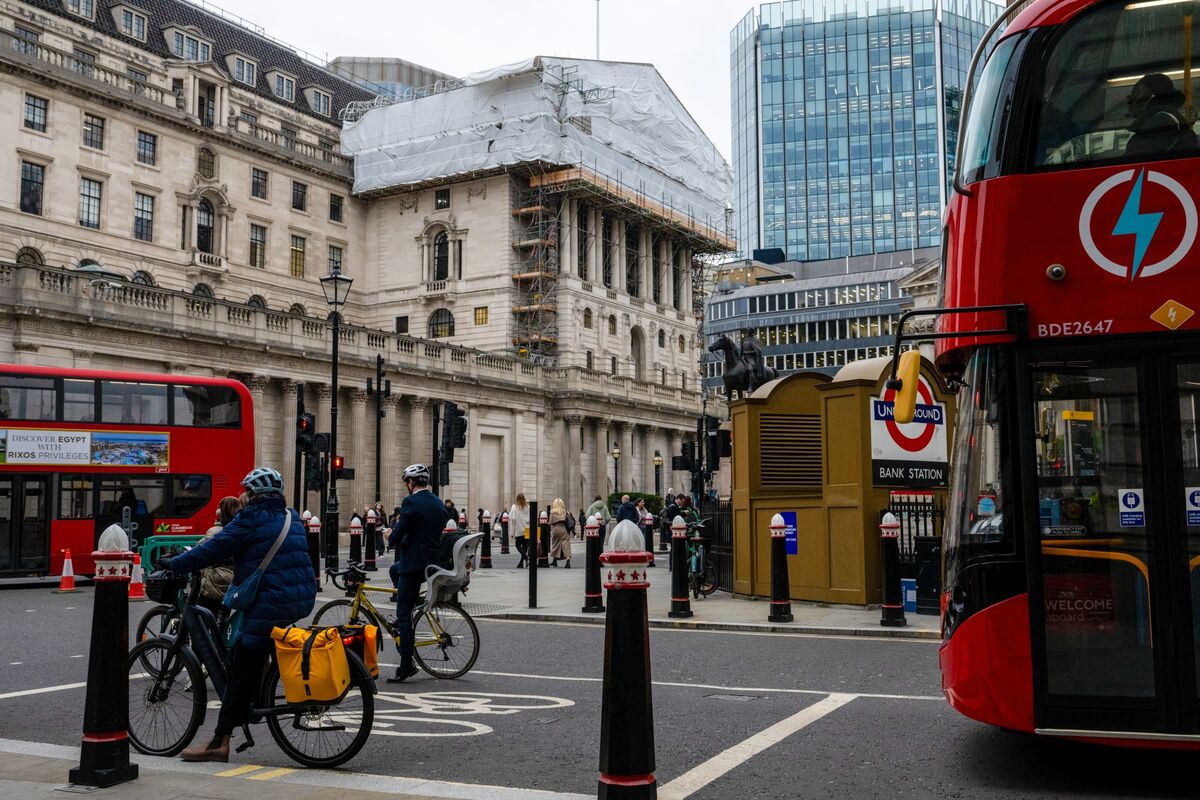


The first increase since August 2023 comes as policymakers warn inflation could approach 5% next year, putting renewed pressure on borrowers and household budgets.
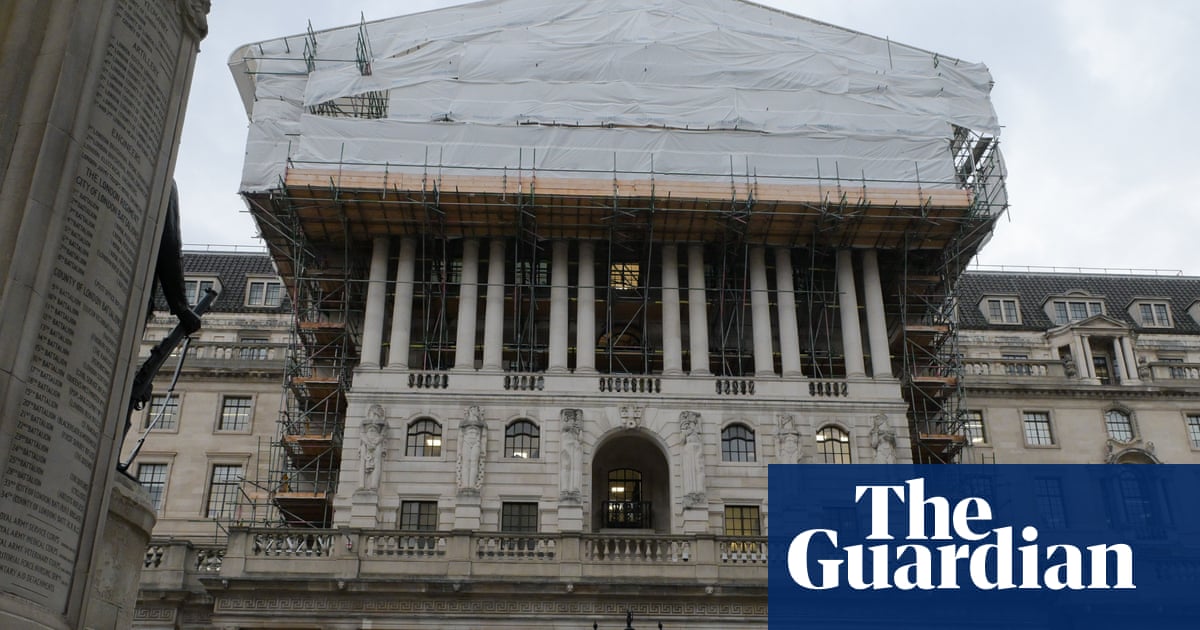
The Bank of England raised interest rates to 4% on Thursday, November 5, ending six consecutive holds as the prolonged conflict in the Middle East pushed up energy costs and threatened to make Britain’s inflation problem more persistent. It was the central bank’s first rate increase in more than three years.
Eight members of the nine-person Monetary Policy Committee backed a quarter-percentage-point increase from 3.75%. Catherine Mann wanted a larger half-point rise to 4.25%, meaning every member supported tightening policy, although they disagreed on the size of the move.
The decision underscores a difficult trade-off: higher interest rates cannot bring down global oil and gas prices, but the Bank hopes they can prevent an overseas energy shock from becoming a lasting cycle of higher domestic prices and wage demands. That protection comes at the cost of more expensive borrowing for households and businesses.
Energy shock pushes inflation outlook higher
The Bank said the Middle East conflict, now in its ninth month, had driven energy prices higher from already elevated levels. Britain’s position as a net energy importer leaves it particularly exposed to such increases.
Annual consumer price inflation reached 3.5% in September, up from 3.1% in August. The Bank now expects it to approach 5% by the middle of 2027, substantially above its 2% target.
The energy assumptions underpinning that forecast show the scale of the shock. Brent crude futures averaged $108 a barrel over the 15 UK working days ending October 27, while UK natural gas futures averaged 216 pence per therm. Those prices were respectively 38% and 81% higher than at the time of the Bank’s July Monetary Policy Report.
Energy had already contributed around one percentage point to September’s annual inflation rate, mainly through motor fuels. The Bank expects the impact to build as higher wholesale costs feed into household bills and businesses’ energy contracts.
However, those forecast assumptions do not mean oil remained above $100 a barrel when the decision was announced. The BBC reported that oil prices had fallen to about $95 by the time of the announcement, highlighting how quickly developments in the conflict could alter the outlook.
Why the Bank acted before wider price pressures appeared
Policymakers acknowledged that evidence of energy costs spreading into other prices and wages remained limited. Some businesses had been cushioned by fixed-price energy contracts or hedging arrangements, while others were absorbing higher costs through lower profit margins.
The concern is that those buffers will not last. As contracts expire and margins come under further pressure, firms may raise prices. Workers facing a renewed squeeze on living standards may also seek larger pay increases, potentially making inflation harder to bring down.
However, the degree of inflationary pressure in the pipeline is now sufficient to warrant an increase in Bank Rate.
The committee said.
Stronger-than-expected economic activity also influenced the decision. The minutes pointed to resilient consumer demand, support for exports from global growth and some positive effects from artificial intelligence deployment. Several members were becoming less confident that existing interest rates would restrain demand enough to return inflation sustainably to target.
Even so, the Bank recognised the risk of a weaker economy. Higher energy bills and borrowing costs could force households to cut spending and businesses to reduce employment rather than raise prices. That possibility helps explain why most members favoured a modest increase rather than Mann’s larger move.
Further increases are possible, but not guaranteed
Governor Andrew Bailey signalled that another increase could be necessary if the forces pushing up energy prices do not ease. In his explanation of the decision, he said the outlook required “real progress towards settling the conflict in the Middle East.”
Without news which softens the risks to inflationary pressures, I can see the argument for a further increase in rates and thereafter taking a more conditional approach.
Bank of England Governor Andrew Bailey said.
But the committee was not united on what should follow. Chief economist Huw Pill said a single quarter-point increase was unlikely to be sufficient, while Alan Taylor described the move as a “one-for-now” insurance hike and said the next decision could go in either direction.
The Bank’s latest Market Participants Survey showed a median expectation that rates would reach 4.25% in February 2027. That is a survey of expectations, not a commitment by the Bank, which stressed that monetary policy was not on a predetermined path.
The next scheduled decision will be published on December 17, giving policymakers another opportunity to assess energy markets, inflation, wages and the strength of demand.
Mortgage borrowers face an uneven impact
The most direct effects will fall on borrowers whose mortgage rates move with Bank Rate. According to UK Finance figures reported by the BBC, approximately 510,000 tracker mortgage holders face an average increase of £31 in monthly repayments. The actual amount will depend on their outstanding balance and mortgage terms.
For borrowers on standard variable rates, any increase depends on the lender’s decision. The BBC reported that passing on the full quarter-point rise would typically add about £14 a month for those customers.
Existing fixed-rate borrowers will not see their payments change during their fixed period. However, households approaching the end of a deal face a different market: the Bank said benchmark two-year mortgage rates had already risen by nearly half a percentage point since the beginning of September.
New fixed-rate deals do not simply move in lockstep with Bank Rate. Their pricing reflects expectations about future interest rates and wholesale funding costs, which means much of an anticipated increase can be reflected in offers before the Bank announces it.
Savers may benefit as energy bills add pressure
Savers could receive better returns if providers pass on the increase, although the improvement will vary between accounts. For household budgets more broadly, the borrowing squeeze is arriving alongside the prospect of another jump in energy bills.
The BBC reported a projected 27% increase in the Ofgem price-cap benchmark in January, taking the annualised bill for a typical household to about £2,150. That figure remains a projection rather than a confirmed January cap.
The two pressures have a common source but work through different channels: the energy shock raises living costs directly, while the Bank’s response raises borrowing costs in an effort to stop those increases becoming embedded across the economy. How long that squeeze lasts will depend heavily on the course of the conflict—and whether higher energy costs begin to reshape domestic pay and pricing decisions.