In early November 2025, nearly $1trillion was wiped from the value of the “Magnificent Seven” US tech giants as investors grew more skeptical that AI hype was being matched by near-term profits. The selloff reflected doubts about stretched valuations, heavy capex, and broader market unease.
Market capitalization across US AI-linked companies fell by about $1trillion in the first week of November, marking the sharpest pullback since the April selloff tied to Trump’s trade moves. Over the span from late October to November 7, the 10 biggest AI-related stocks, including Nvidia, Microsoft and Meta, lost about $1.64trillion in combined value.
Nvidia suffered the biggest hit, losing nearly $500billion in market cap that week after briefly becoming the world’s most valuable company the month before. Microsoft also saw an unusually long losing streak, while Apple, Tesla, Alphabet, Amazon and Meta all fell sharply, dragging the Nasdaq lower.
Why investors panicked
The central fear was that AI enthusiasm had pushed stocks far ahead of fundamentals. Investors worried that companies were spending heavily on AI infrastructure without showing enough immediate profit to justify the valuations.
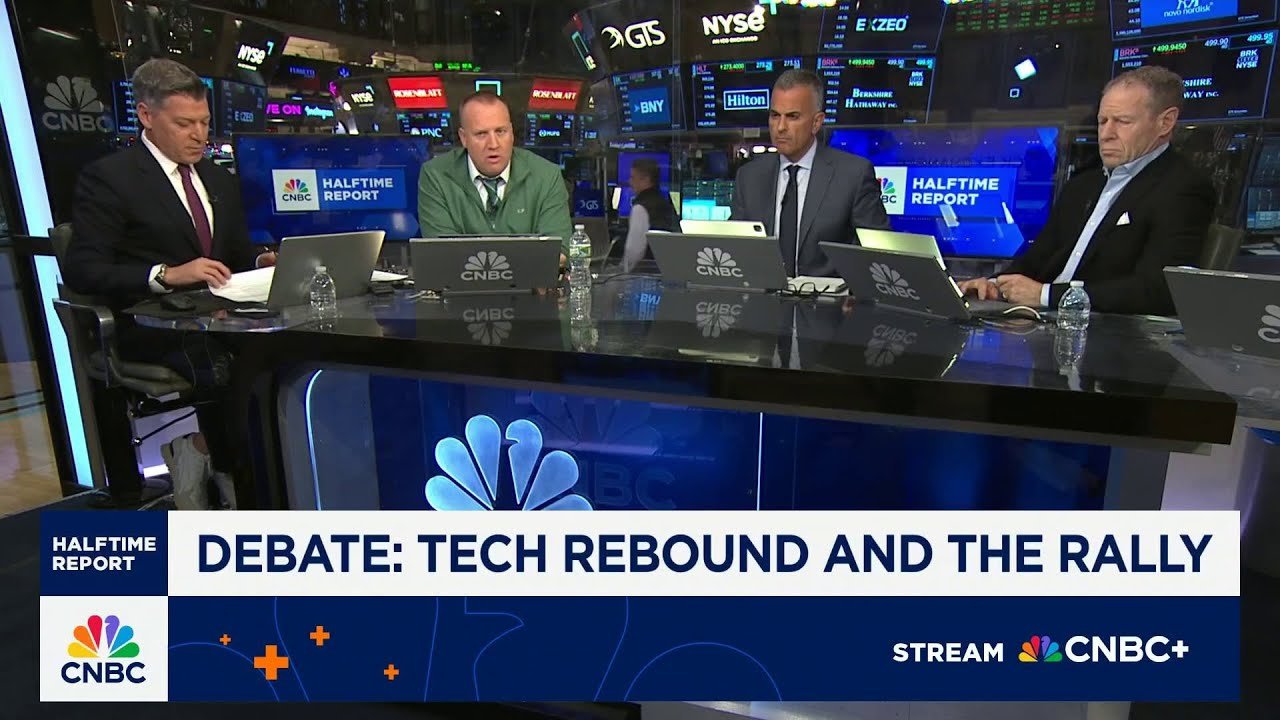
That shift in sentiment turned the market from euphoria to caution, with the Nasdaq Composite posting one of its worst weekly performances. The drop also underscored how quickly expectations had become tied to AI growth stories across the sector.
What changed later
Nvidia’s results announced on November 19 briefly revived sentiment, with record revenue of $57billion and net profit of $31.9billion. The stock jumped in after-hours and pre-market trading, lifting other big tech names at first.
But that enthusiasm faded fast. By November 20, Nvidia had reversed course and closed more than 3% lower, pulling the Nasdaq and S&P 500 into the red and showing that investor anxiety about AI valuations had not gone away.
Why the rebound held
The broader recovery came later in November and was driven less by Nvidia than by the Federal Reserve. Signals from Fed officials, including Christopher Waller, increased expectations for a December rate cut and pushed the odds of one sharply higher.
That shift gave oversold markets a much-needed boost and helped stabilize sentiment. In other words, the real recovery came when monetary policy optimism replaced the fear that AI stocks had run too far ahead of themselves.
Read more:
Nvidia first to reach $5T market cap
MIT Report raises AI bubble concerns