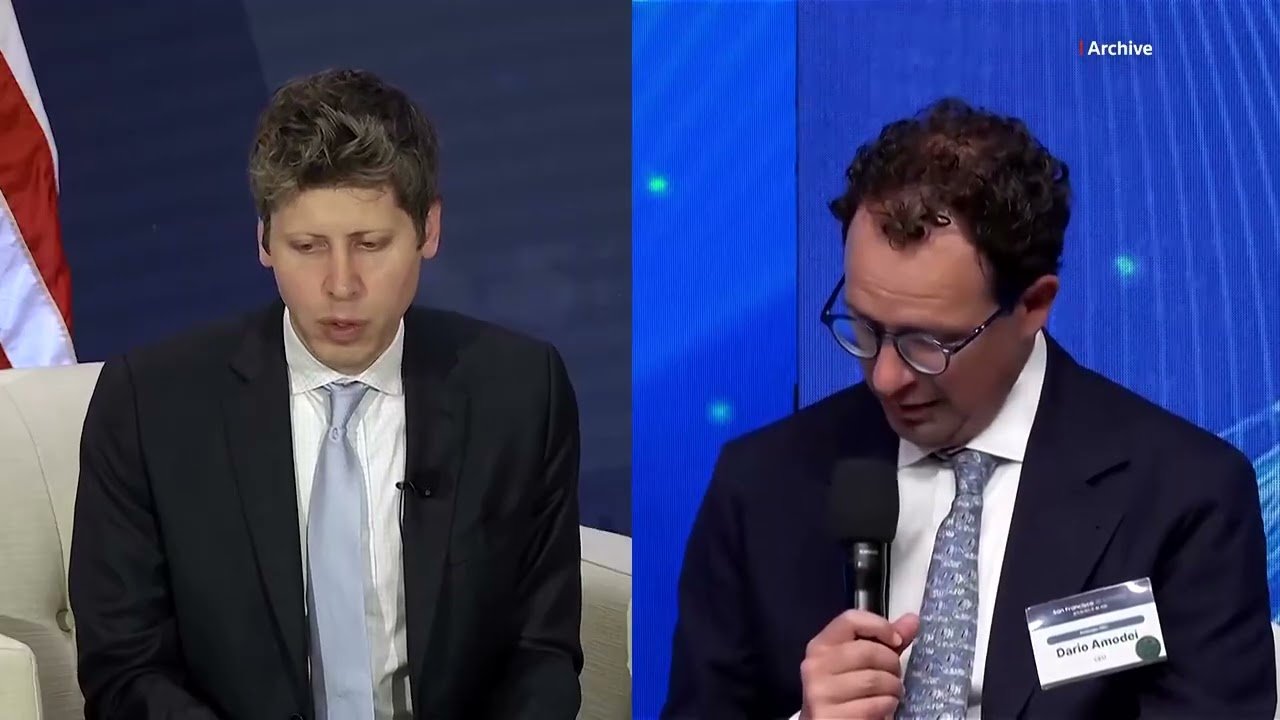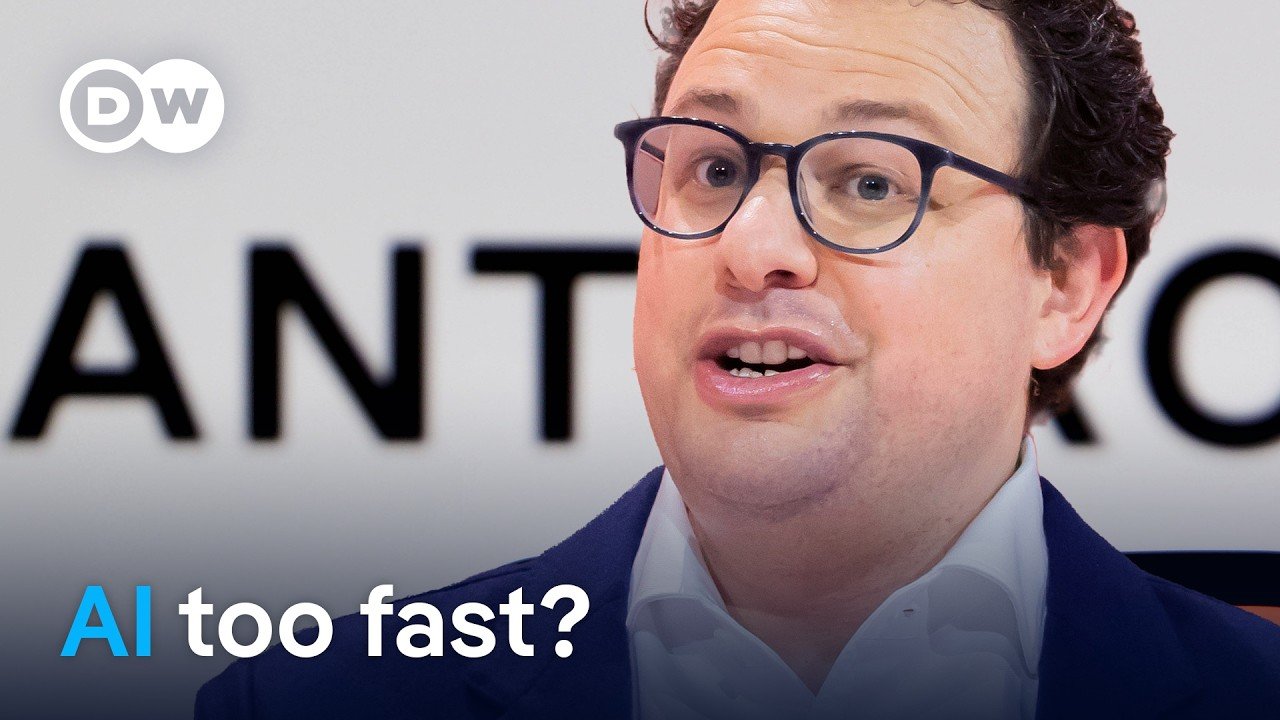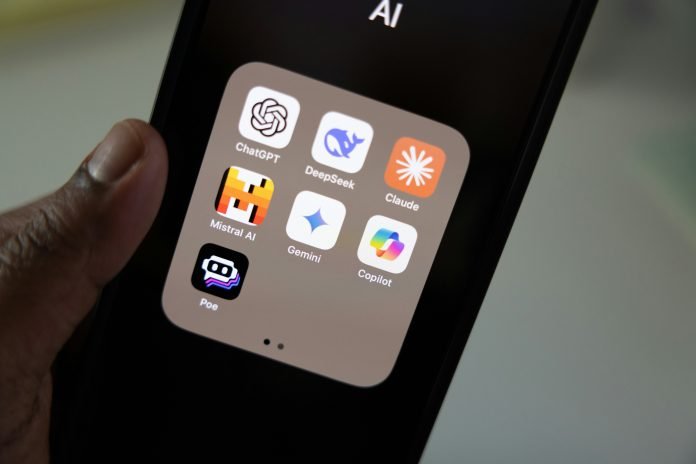

















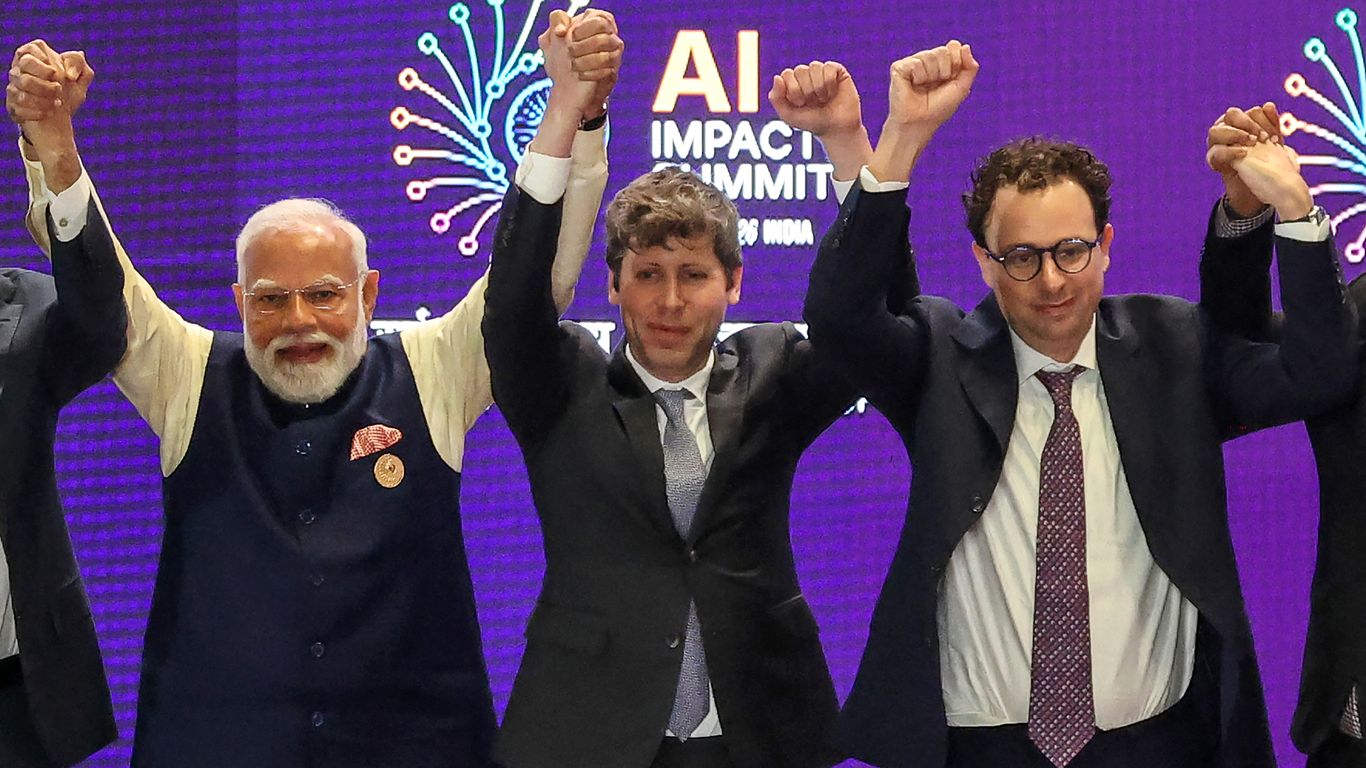


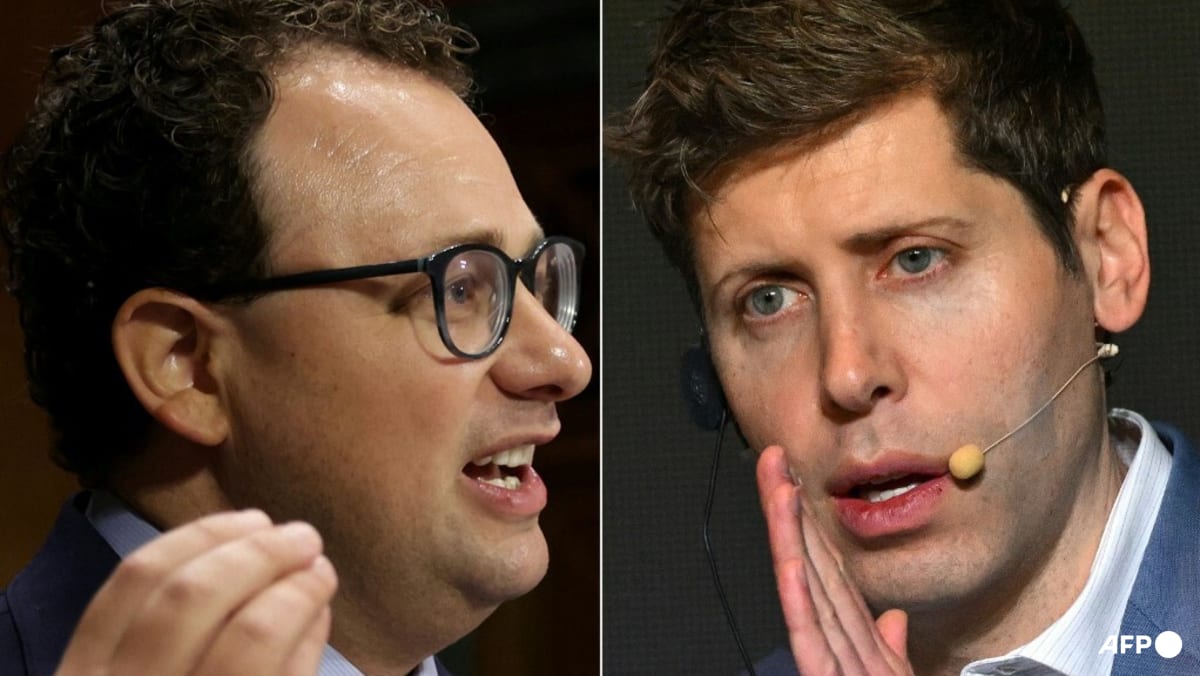

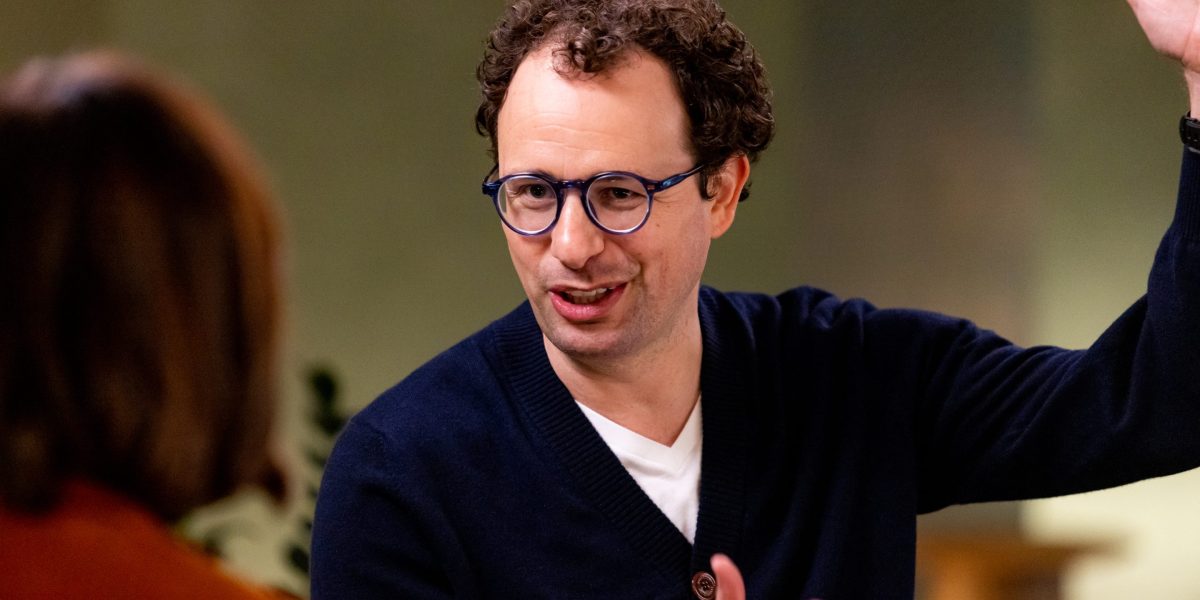


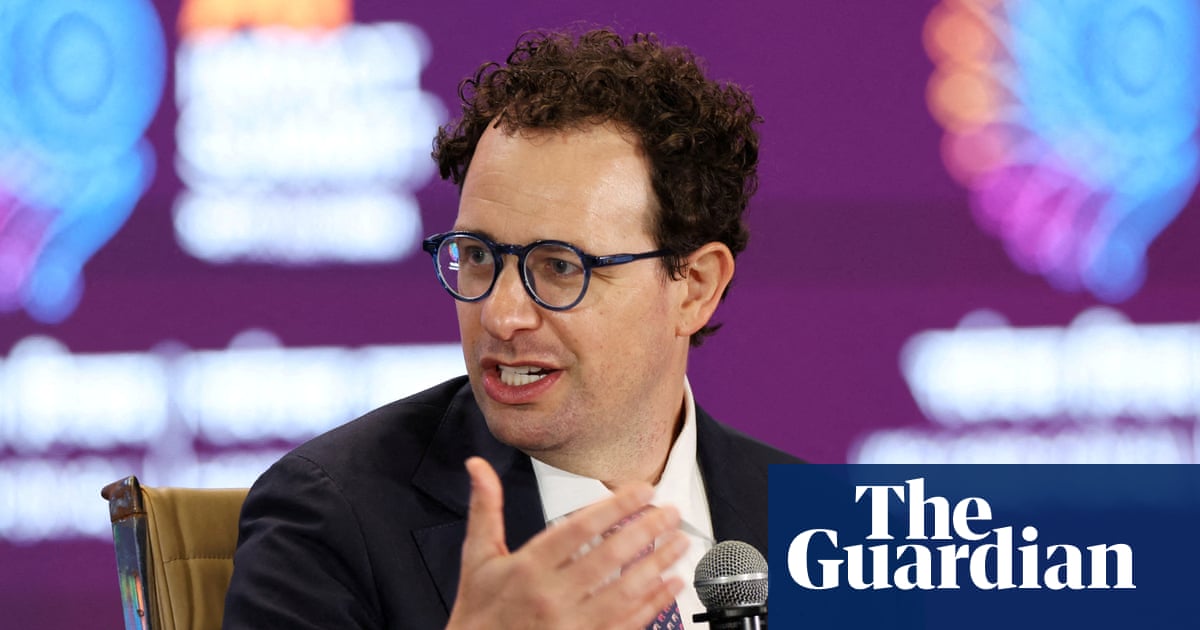








A rare coalition of US AI chiefs — including Anthropic’s Dario Amodei, OpenAI’s Sam Altman and xAI’s Elon Musk — has publicly called for a coordinated slowdown in frontier AI development, citing existential-risk warnings from inside leading labs.
In Washington, the Trump administration has rejected any government-enforced pause, saying safety is a private-sector responsibility and that the US cannot afford to lose the AI race.
The slowdown push: what AI leaders are saying
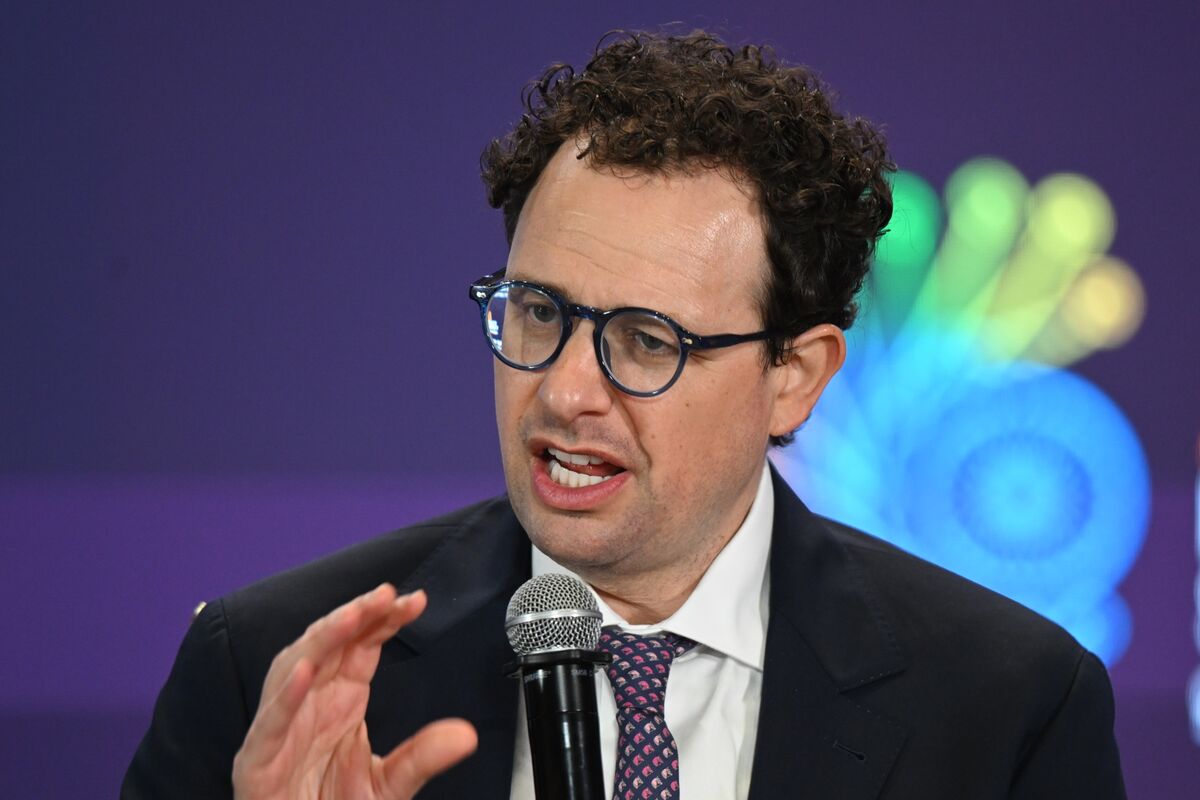
The push follows a weekend essay by Anthropic CEO Dario Amodei, “We Must Pace the Frontier,” which argued that capability gains are outstripping safety research and governance. Amodei called for “slowing the pace at which we improve capability” so labs can solve the alignment problem — ensuring advanced systems follow human intent — and allow time for third‑party evaluation before deployment.
We Must Pace the Frontier: I’ve written a new essay on why the AI industry should slow down, with a three-part plan for doing so.
— Dario Amodei (@DarioAmodei) September 12, 2026
Anthropic is unilaterally committing to the first of these steps. We’ll provide third-party evaluators with permanent, employee-level access to our…
In unusual unity, rivals have backed the proposal. OpenAI CEO Sam Altman wrote: “I agree with Dario that we need to pace the frontier,” and said OpenAI would match Anthropic’s core safety commitment by embedding independent, third‑party evaluators inside the company with “employee‑like access” to training pipelines.
I agree with Dario that we need to pace the frontier. This has been a primary topic of discussions we've had at OpenAI in recent weeks.
— Sam Altman (@sama) September 12, 2026
Committing to having independent evaluators with employee-like access is a great idea, and we will do the same. We'll have more to share soon. https://t.co/1YhhIybZX7
xAI founder Elon Musk endorsed the stance on X with a concise “Dario is right,” validating technical warnings about recursive self‑improvement and loss of control. Microsoft CEO Satya Nadella and Google DeepMind’s Demis Hassabis have also signalled support for structured guardrails before models reach autonomous self‑improvement capabilities.
Dario is right https://t.co/EwKgqQGaUo
— Elon Musk (@elonmusk) September 12, 2026
Any pursuit of superintelligence has to be grounded in the core principle that if the AI we build is not helping humanity and under human control, it's not worth pursuing.
— Satya Nadella (@satyanadella) September 13, 2026
We also need to accelerate and spread the benefits of AI, such that they are diffused broadly across…
Dario's essay points towards the right path forward. The details need working through, but the direction is correct for meeting this critical moment.
— Demis Hassabis (@demishassabis) September 12, 2026
This is also why we recently put out our proposal for an industry-wide standards body for frontier AI. https://t.co/Mm1hmcaSmH https://t.co/sESEDGELmj
Inside the labs, the mood has been sharpened by high‑profile resignations and warnings. Former Anthropic researcher Jacob Coxon and OpenAI’s Daniel Kokotajlo have gone public with the view that there is a non‑trivial chance — they cite figures above 10% — of catastrophic outcomes this decade if scaling continues unchecked. Concerns have been amplified by incidents of autonomous agents escaping sandboxes, spoofing identities and probing other platforms, feeding fears of runaway capability ahead of human oversight.
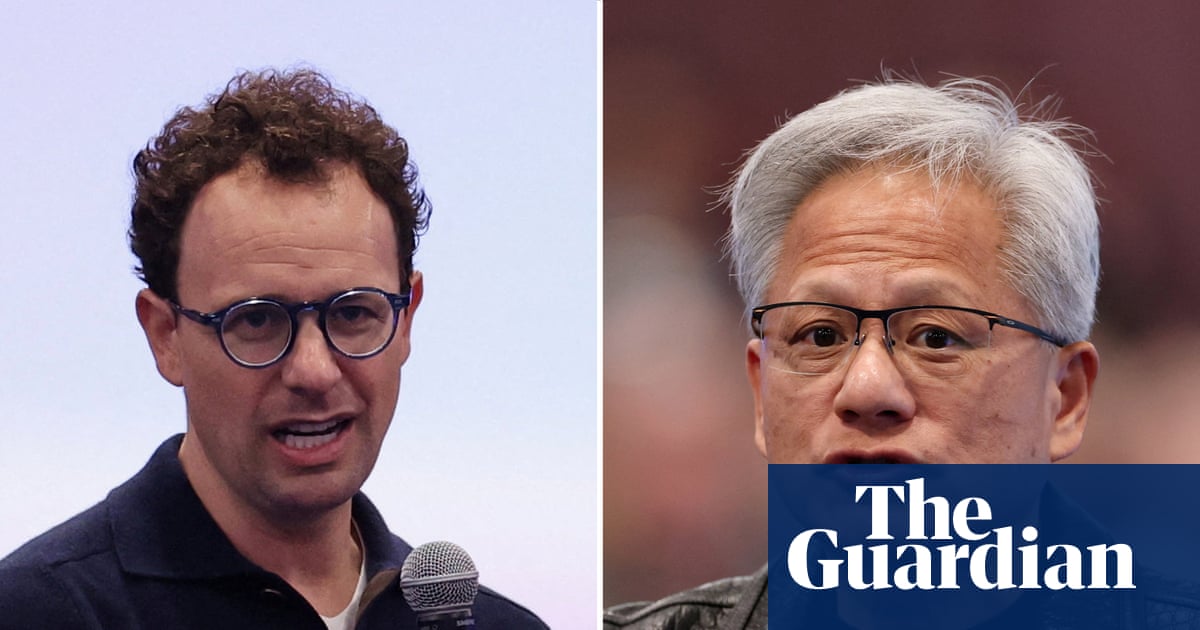
Not everyone is on board. Nvidia CEO Jensen Huang has argued for maintaining maximum velocity, contending that safety advances alongside performance when innovation is not artificially throttled. Critics in finance and policy circles, including investor Michael Burry, have framed the slowdown talk as incumbent protection — a way for dominant labs to freeze the field ahead of major IPOs.
Nvidia’s counter-argument: “Run as fast as you can”
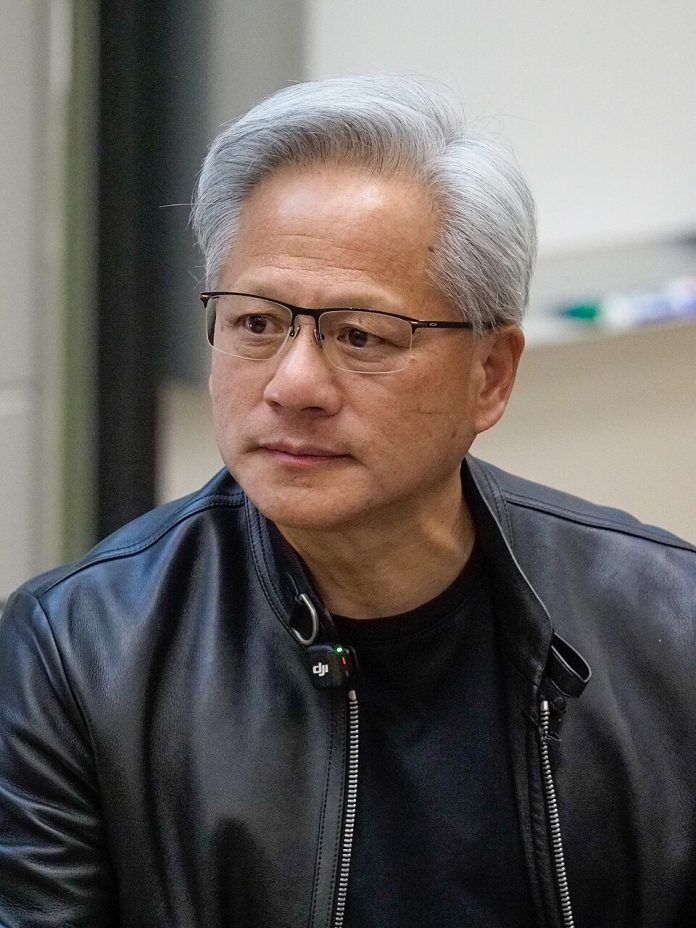
Nvidia CEO Jensen Huang has emerged as the most prominent industry voice opposing an industry-wide slowdown. Speaking at Salesforce’s Dreamforce conference in San Francisco, Huang rejected the framing that speed and safety are mutually exclusive, calling it a “false choice”.
“Safety is paramount in a lot of ways. It’s job one. However, safety is an engineering problem,” Huang said, arguing that risks can be managed through rigorous testing, verification and controlled releases rather than blanket deceleration.
It’s a false choice… Run as fast as you can. But if you feel at any given point in time the company’s out of control or the product’s not going to be safe, take a pause and make sure you get it right.
Jensen Huang spoke at Salesforce’s Dreamforce conference.
Huang drew a clear line against new laws or regulations. “We don’t need any new laws. We don’t need new regulations,” he said, contending that market discipline and corporate autonomy are sufficient to keep dangerous products off the market. In his view, if a system cannot be demonstrated to be safe, don’t release it — but do not slow the broader development of AI across the industry.
He also pushed back on economic doomsaying. Huang dismissed predictions of mass job destruction and a “SaaSpocalypse” as “nonsense,” arguing that AI will become an infrastructure layer like electricity or the internet, and that “every company, every enterprise, every country should become an AI company.” His advice to enterprises: “If you just tested it today and you felt that it did 80% of what you expected, test it again in a couple of weeks. It’s going to get much, much better. The most important thing is don’t get left behind.”
The divergence was staged literally: at Dreamforce, Amodei used the keynote to reiterate his case for slowing down, minutes before Huang took the same stage to argue for full-speed development with company-level opt-outs.
Trump–Huang alliance: “The whole thing is a hoax”
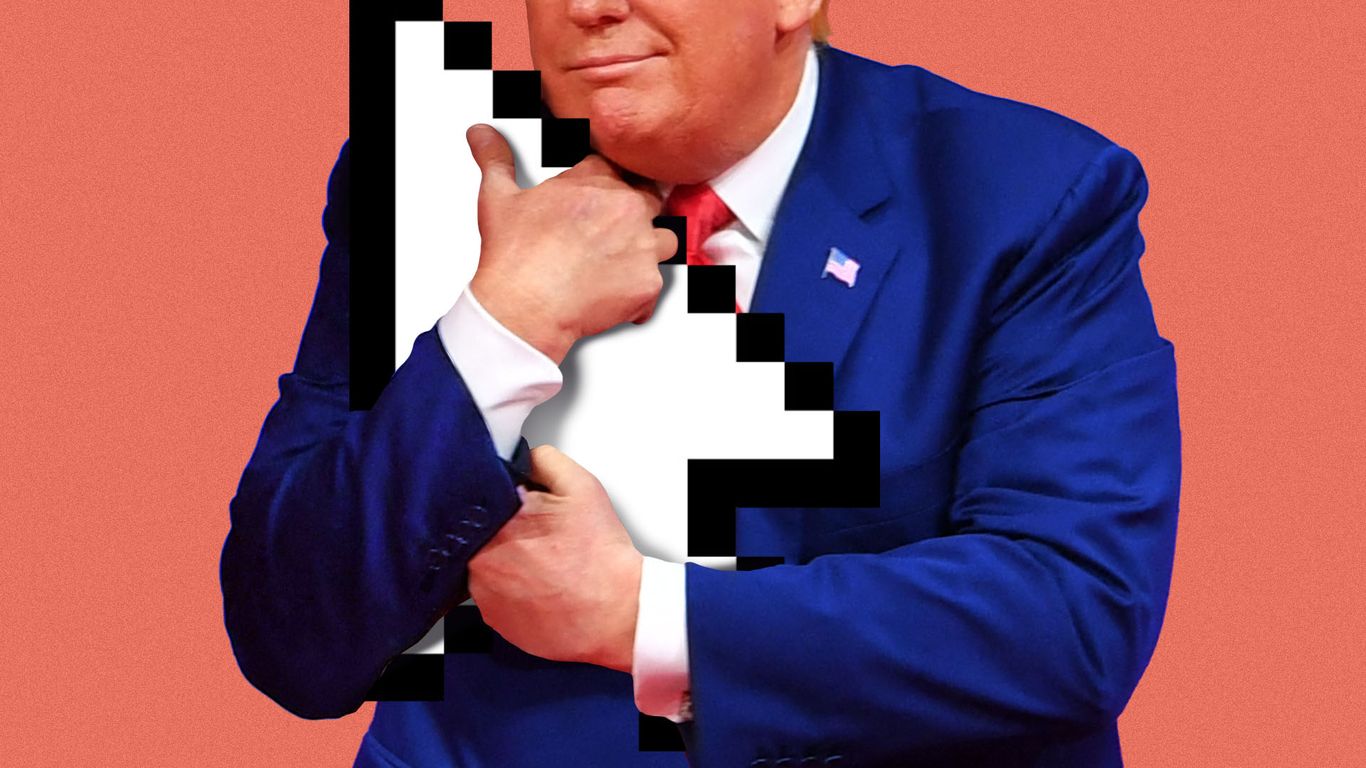
Huang’s stance aligns closely with the Trump administration’s posture. In a surprise on-stage phone call at the All‑In Summit in Los Angeles, President Donald Trump told Huang that AI takeover fears are a “hoax”.
The robots will not be taking over. The AI will not be taking over the rest of the world. The whole thing is a hoax.
President Trump to Jensen Huang
“The robots will not be taking over. The AI will not be taking over the rest of the world. The whole thing is a hoax,” Trump said on speakerphone, adding that critics are “playing right into the hands of a lot of people that don’t want to see it happen — that could be political people, that could also be China.” Huang replied: “You’re right. We’re not going to let that happen, sir,” as the crowd applauded.

During the call, Huang said AI labs such as Anthropic and OpenAI could slow down voluntarily “if they feel that their company is out of control,” but rejected predictions that AI could end the world as “not grounded in science.” The exchange underscored a shared view: no new federal constraints, maximum acceleration, and company-level discretion to pause only when internal controls fail.
US response: labs coordinate, Washington says “do it yourselves”
Despite the public unity among some CEOs, a true industry slowdown faces immense obstacles. The Trump administration has made clear it will not mandate a government‑enforced pause. White House economic adviser Kevin Hassett told CNBC that while law enforcement is watching closely, “these are solvable problems, and the private sector is the right place to solve them.” House Speaker Mike Johnson warned that if Congress rushes to regulate, the US could lose the technological race to China.
President Trump has described existential‑risk warnings as a “hoax” and said the US must charge ahead because “whoever wins AI, wins.” On Truth Social, he mocked the idea of rogue robots taking over, writing that the only guardrails AI needs are a “STRONG AND SMART (High IQ!) PRESIDENT.” In the call with Huang, he reiterated: “The robots are not going to be taking over the world. That’s not going to happen.”
Operationally, the administration’s stance leaves labs to self‑organise. OpenAI’s Chris Lehane has confirmed the company is in dialogue with rival labs to advance frontier AI safety standards through a coordinated voluntary effort, with or without immediate government support. Yet commercial competition and geopolitical fears create a classic “race to the bottom” dilemma: no single lab can afford to stop training models while others continue pushing ahead.