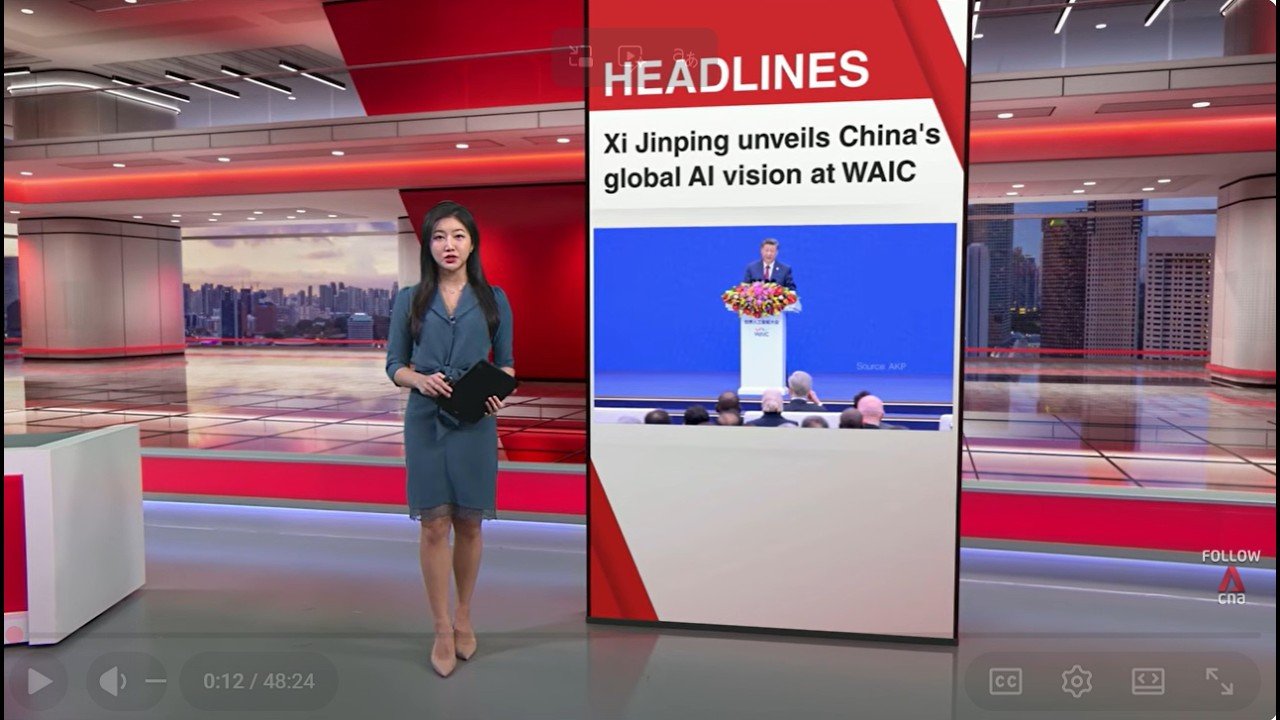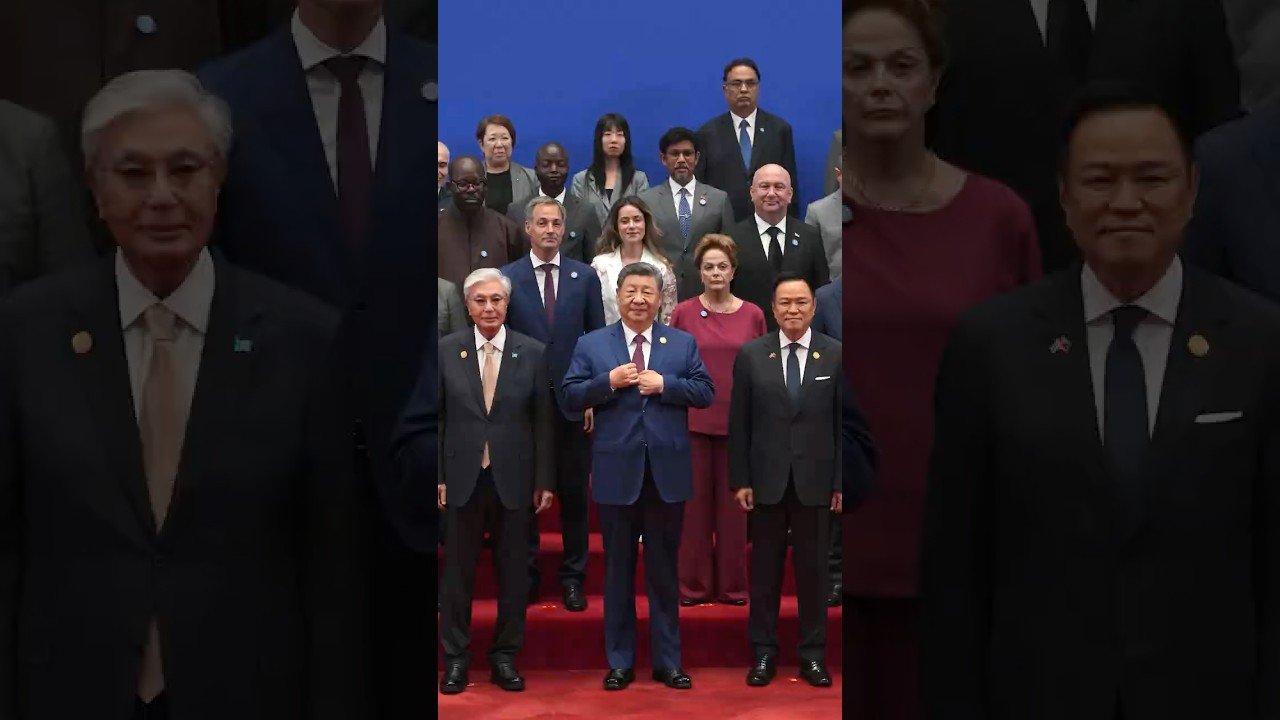



Twenty-nine countries have formally signed an agreement to establish the World Artificial Intelligence Cooperation Organization (WAICO), marking a significant step toward a new multilateral framework for global AI governance led by China and its partners.
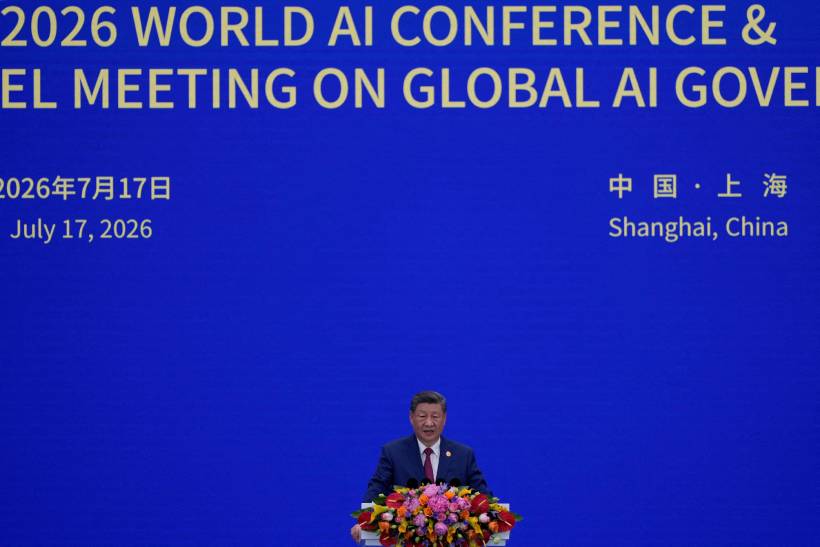
The agreement, signed on July 16, 2026, positions WAICO as an independent intergovernmental organization headquartered in Shanghai. The initiative, first proposed by Beijing in mid-2025, aims to coordinate international efforts on artificial intelligence development, governance standards, and equitable access to emerging technologies.
A new multilateral AI framework
WAICO is designed to promote what its founders describe as a “people-centered” approach to artificial intelligence, emphasizing safety, inclusivity, and human oversight. Chinese officials have framed the organization as a platform to reduce disparities in AI capabilities between developed and developing nations, particularly across the Global South.
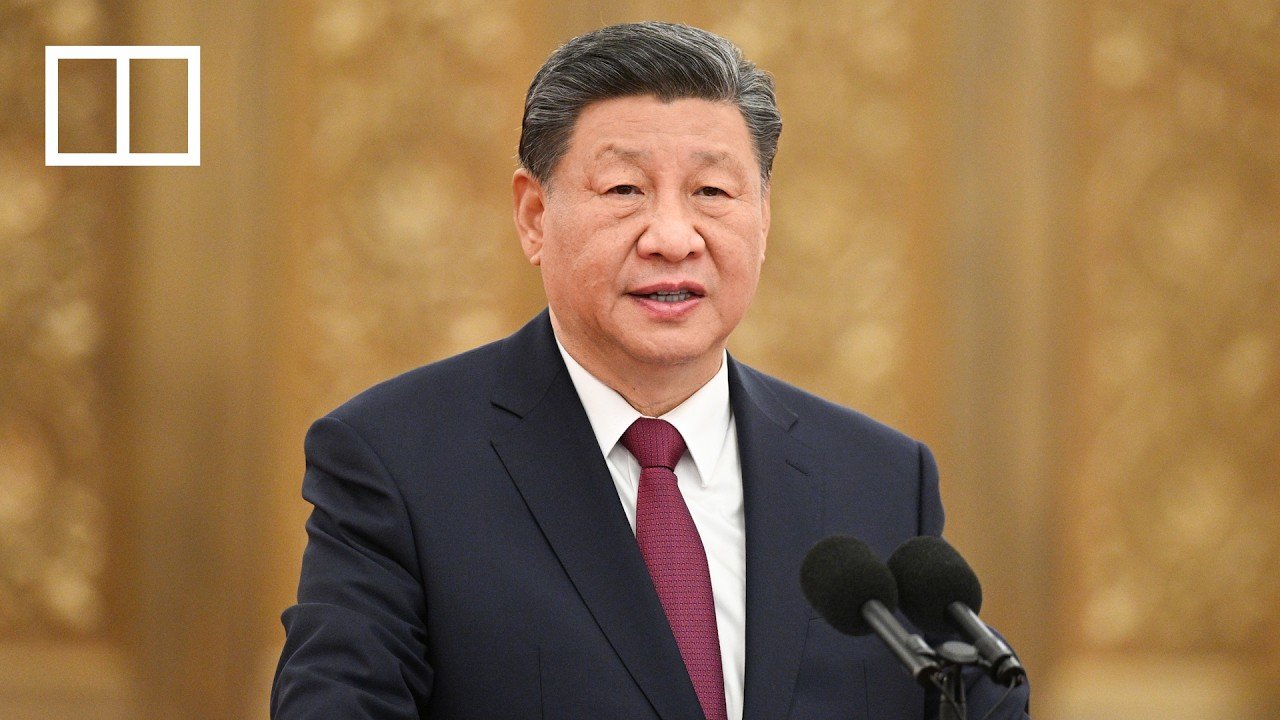
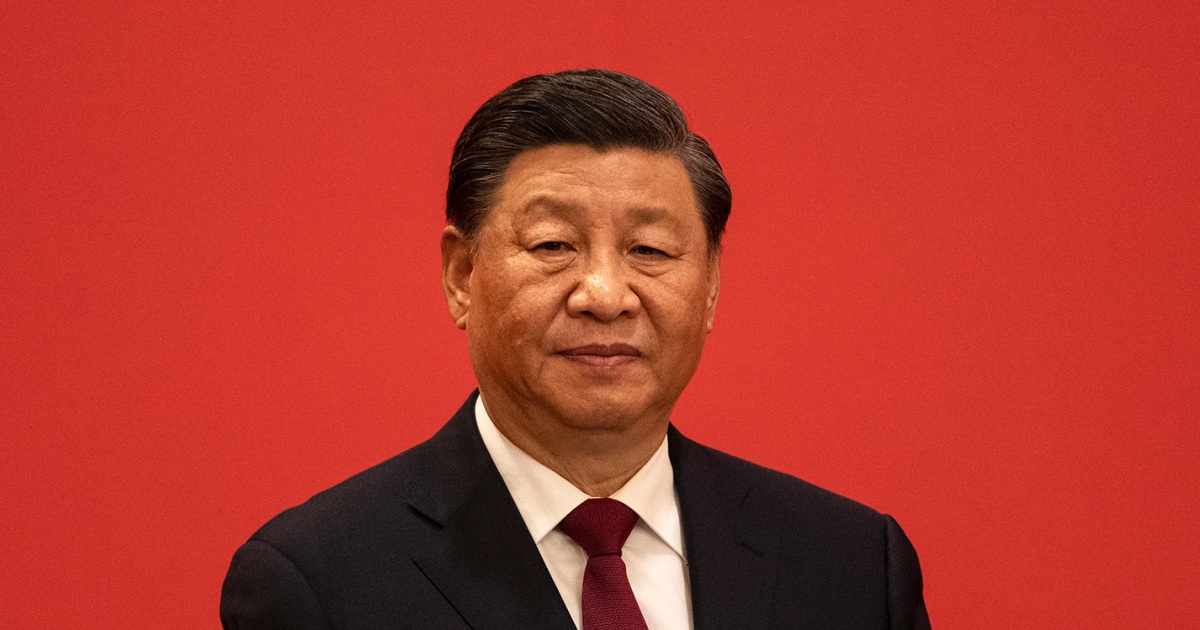
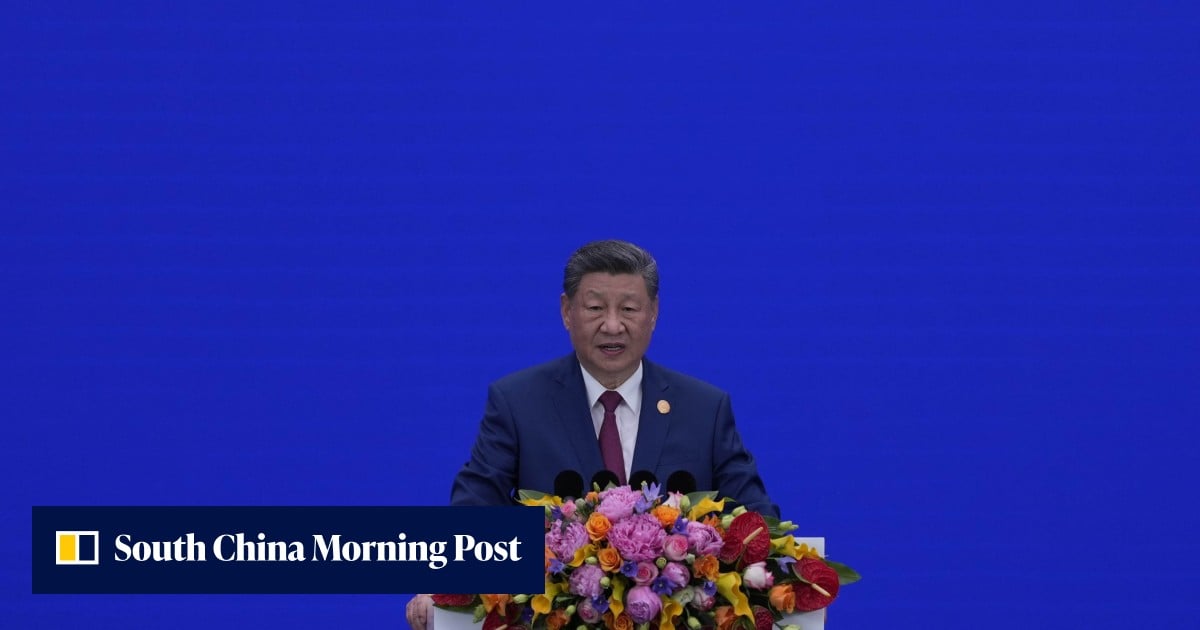
In remarks tied to the launch, President Xi Jinping said the initiative seeks to prevent “historical injustices” in technological development, warning against the concentration of AI power in a small group of countries or corporations. The organization’s principles are aligned with the United Nations Charter, stressing multilateralism, consultation, and shared governance.
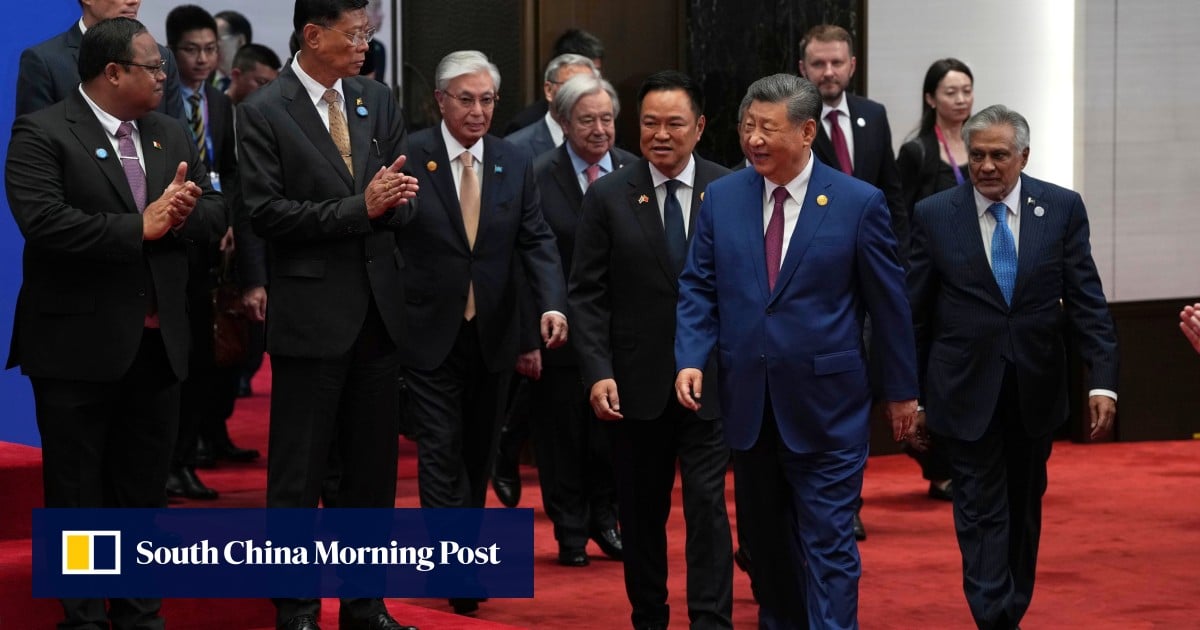
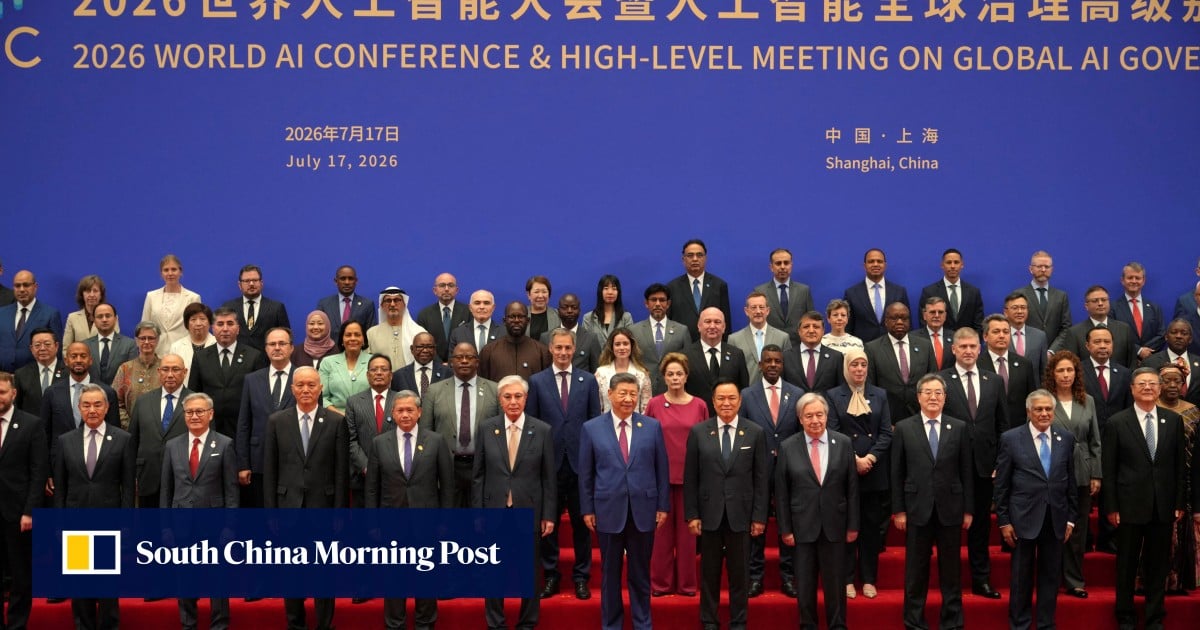
The signing ceremony took place in Shanghai ahead of the annual World Artificial Intelligence Conference (WAIC), a flagship event in China’s technology diplomacy calendar. Chinese Foreign Minister Wang Yi signed on behalf of Beijing, with United Nations Secretary-General António Guterres and other international representatives in attendance—signaling an effort to frame WAICO within broader global governance structures.
Membership and global alignment
The founding membership reflects a coalition largely composed of emerging economies and developing nations. Key participants include China, Russia, Brazil, Indonesia, Pakistan, Kazakhstan, Malaysia, and Laos, alongside multiple countries from Africa and Asia.
Notably absent are the United States and most of its Western allies, underscoring a widening divide in how global AI governance is being structured. The absence reflects ongoing geopolitical tensions, particularly around technology transfer, semiconductor restrictions, and data governance frameworks.
The composition of WAICO suggests an intentional alignment with countries seeking alternatives to Western-led digital governance models, as well as greater autonomy in shaping domestic AI ecosystems.
Strategic and geopolitical implications
Some analysts interpret WAICO as part of a broader effort by China to shape international norms around artificial intelligence, in parallel to existing Western-led initiatives. The move comes amid intensifying competition over AI standards, supply chains, and regulatory influence.
In his keynote remarks, Xi described artificial intelligence as a “symphony of global cooperation”, while criticizing efforts to “overstretch” national security concerns to limit technology sharing. The comments are widely seen as a direct response to U.S. export controls on advanced semiconductors and restrictions on AI-related technologies.
WAICO may also serve as a coordination platform for:
- AI governance standards and regulatory alignment across member states
- Technical collaboration and knowledge-sharing initiatives
- Capacity-building programs for developing economies
- Cross-border data and infrastructure frameworks
While the organization’s operational details are still emerging, its formation signals a shift toward more fragmented, bloc-based approaches to global AI governance.
What comes next
The effectiveness of WAICO will depend on how quickly it can move from declaration to implementation. Key questions remain around enforcement mechanisms, funding structures, and whether the organization can establish widely adopted standards beyond its founding members.
At the same time, its creation adds momentum to a growing trend: the parallel development of competing international frameworks for managing artificial intelligence. As AI becomes increasingly central to economic and national security strategies, the global governance landscape is likely to become more complex—and more contested.