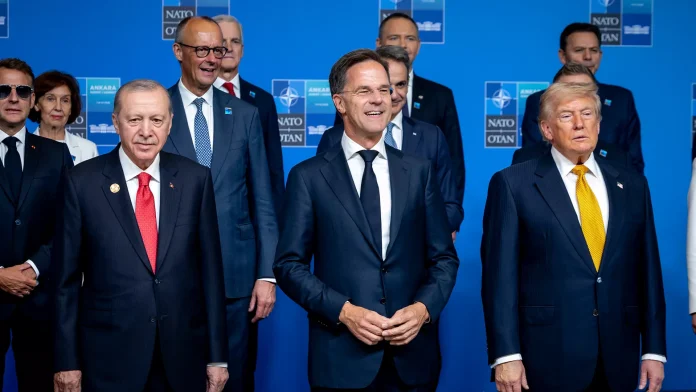
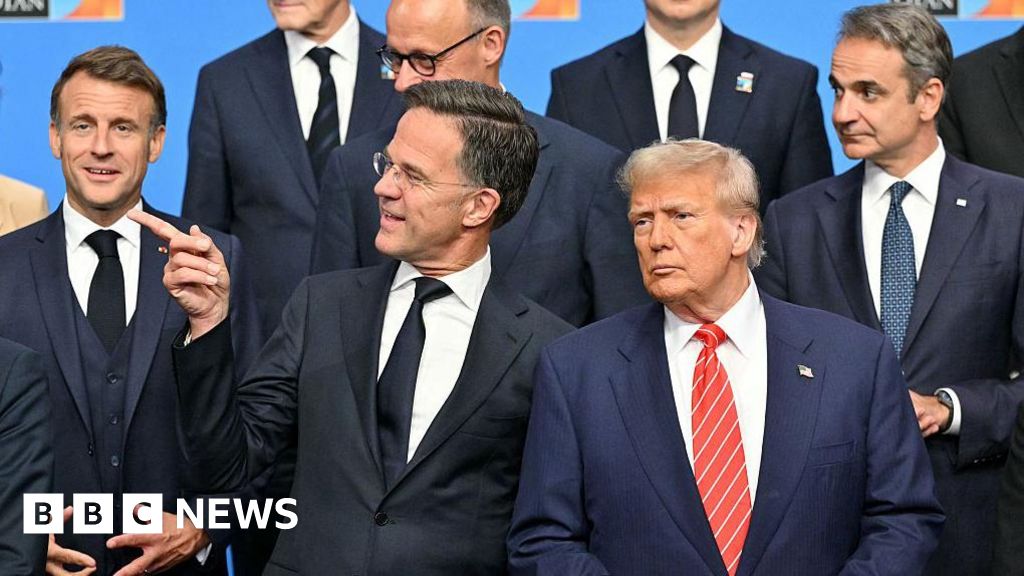
NATO leaders committed to a historic 5 percent defence spending target at the 2025 Hague Summit, the first for President Donald Trump in his second term, as the alliance reaffirmed its ironclad commitment to Article 5 amid growing threats from Russia and China.
The summit took place in The Hague, known as the international city of peace and justice, which managed the largest security operation in Dutch history for the event. Discussions were heavily influenced by the long-term threat from Russia and the evolving challenge of China’s military modernisation.
In a historic and controversial decision, all member states except Spain committed to a new defence spending target of 5 percent of GDP by 2035, more than doubling the previous 2 percent benchmark. The White House and NATO leadership portrayed the 5 percent spending deal as a monumental victory for burden-sharing within the Alliance.
While the spending hike was welcomed by the US, some analysts noted it exposed Europe’s continued psychological dependency on American security guarantees. The 2026 NATO Summit is scheduled to be held in Ankara, Türkiye, on 7–8 July 2026.
Key decisions and outcomes
Leaders adopted a two-tiered 5 percent defence spending target consisting of 3.5 percent for core defense covering hard military requirements like troops and weapons, and 1.5 percent for defense-related costs including cybersecurity, critical infrastructure and innovation.
Despite initial ambiguous comments from President Trump, the final Hague Summit Declaration included an ironclad commitment to the mutual defense pact under Article 5.
Leaders adopted an updated Defence Production Action Plan and a Rapid Adoption Action Plan to accelerate the integration of new technologies and boost transatlantic industrial cooperation.
Allies reaffirmed Ukraine’s irreversible path to membership but offered no concrete timeline. Trump and President Zelenskyy met on the sidelines to discuss air defense and potential peace negotiations.
The alliance explicitly labeled Russia a persistent, long-term threat, emphasizing the need for enhanced deterrence on the eastern flank. NATO also released its first Commercial Space Strategy to enhance the use of private-sector space capabilities for Alliance security.
Indo-Pacific Four absence
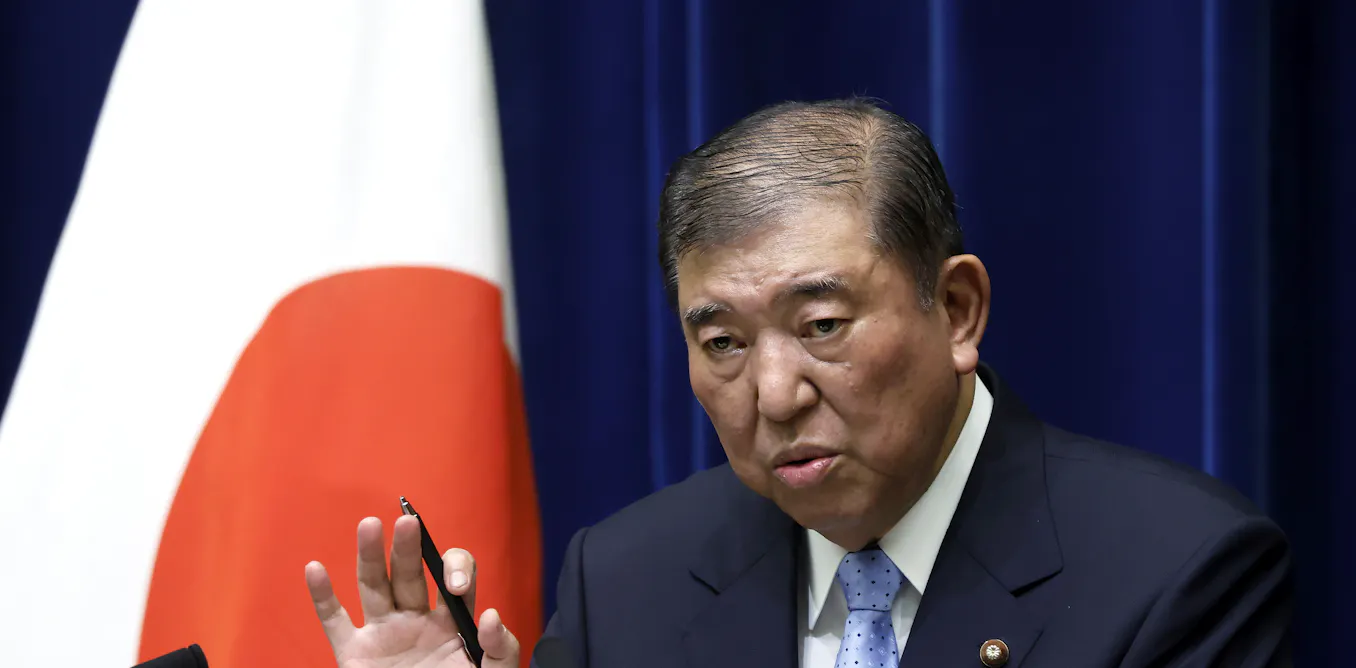
Three out of the four heads of state of the Indo-Pacific Four partners skipped the event. Japan, South Korea and Australia were not represented at the leadership level, with New Zealand’s Prime Minister Christopher Luxon being the only IP4 head of state to attend in person.
Reports indicated that the Japanese Prime Minister’s cancellation was partly due to the unlikelihood of a planned meeting between the IP4 and NATO leaders and an improbable one-on-one meeting with President Trump. The absence also reflected underlying tensions regarding US demands for allies to increase their defense spending to an even higher level despite Japan being on track to meet its existing 2 percent goal by 2027.
The collective absence of most IP4 leaders was seen as a setback for the momentum of cross-regional cooperation between NATO and the Indo-Pacific, signaling that Indo-Pacific nations are prioritizing regional mechanisms over transatlantic forums at the leadership level.
“Daddy diplomacy”
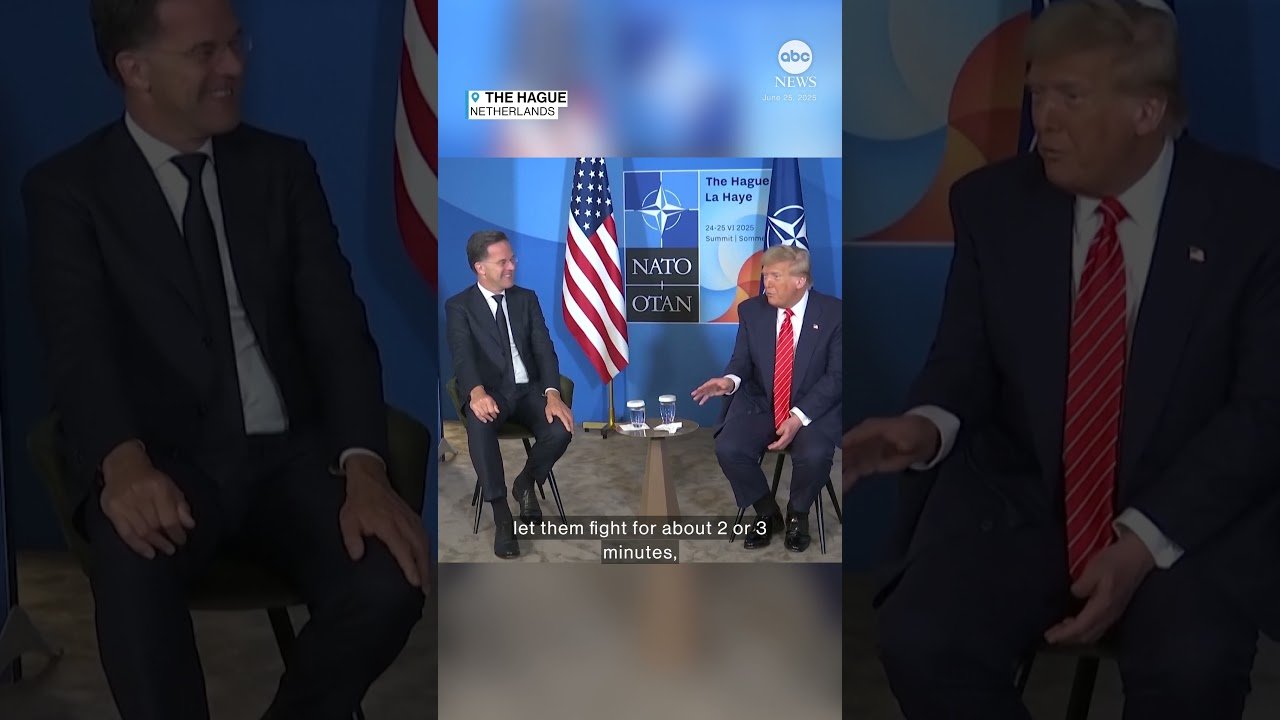
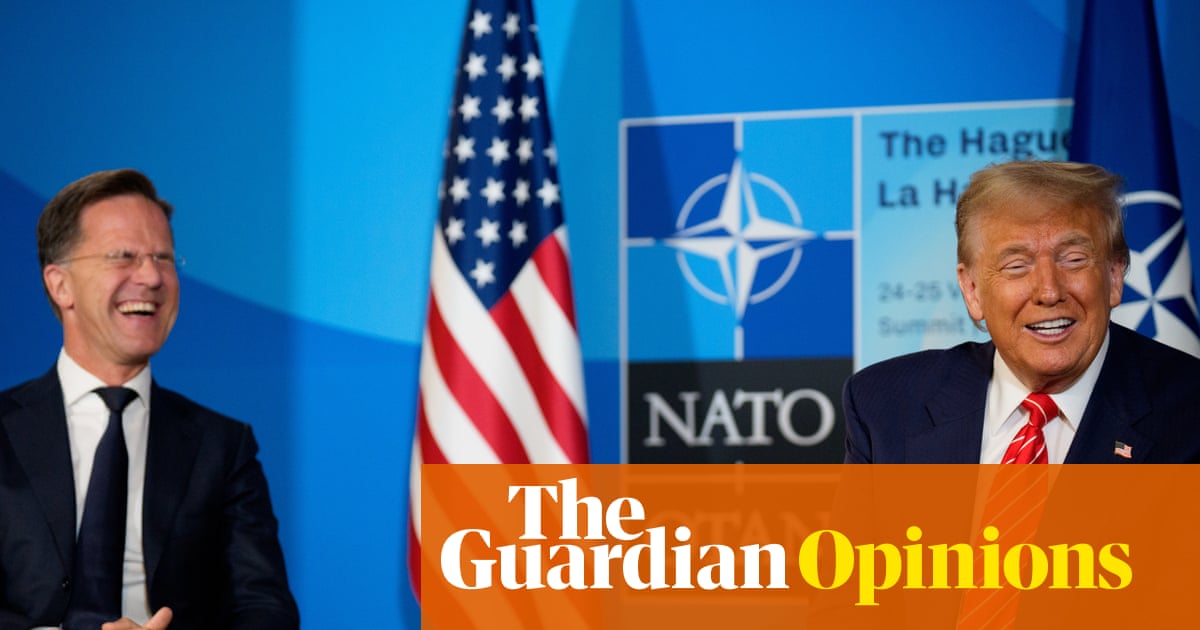
During a joint briefing with President Trump, NATO Secretary General Mark Rutte, dubbed the Trump Whisperer, made an ad-libbed joke that later went viral. Trump was describing the conflict between Iran and Israel, comparing the two nations to two kids in a schoolyard who need a few minutes to fight like hell before they can be stopped. And then daddy has to sometimes use strong language to get them to stop.
And then daddy has to sometimes use strong language to get them to stop.
Rutte’s quip on Trump’s use of an expletive over the breaking of an Iran-Israel ceasefire.
Rutte’s quip on Trump’s use of an expletive over the breaking of an Iran-Israel ceasefire went viral. The summit was characterized by many analysts as a charm offensive or a red carpet rollout designed to prevent a rift with the US administration.
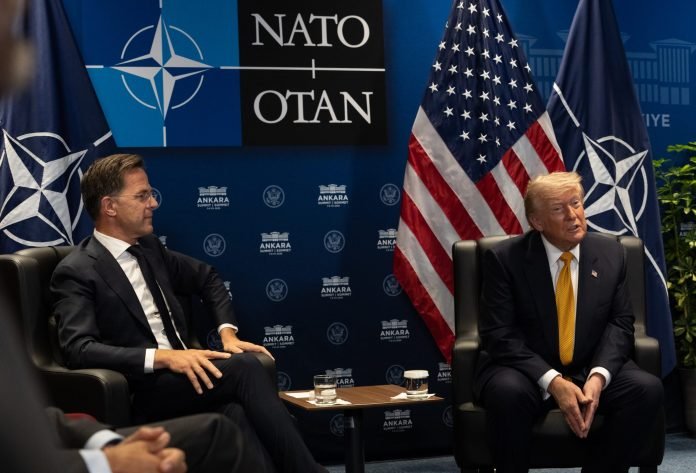
Rutte and other leaders were observed using Trump-like language and leaning heavily into public praise. This included Rutte publicly crediting Trump for NATO’s move to a 5 percent GDP defense spending goal. This approach, dubbed “Daddy Diplomacy” by some media outlets, was viewed as a pragmatic move to secure an ironclad commitment to Article 5 in exchange for unprecedented defense spending hikes.
Trump seemed so taken by the gushing display of admiration by Rutte that he leaked a text message reportedly sent to him by the alliance boss. Rutte said at the summit that he was not embarrassed by the message and was actually happy for it to be made public.
Mr. President, dear Donald, Congratulations and thank you for your decisive action in Iran, that was truly extraordinary, and something no one else dared to do. It makes us all safer.
Rutte reportedly wrote in a text message to Trump
Broader implications
The summit highlighted the tension between European security dependence on the US and growing demands for greater burden-sharing. The Daddy Diplomacy approach underscored the pragmatic calculus European leaders faced in securing US security guarantees while meeting ambitious spending targets.
The absence of most Indo-Pacific leaders also signaled limits to NATO’s global outreach as regional powers prioritise their own security architectures over transatlantic forums.