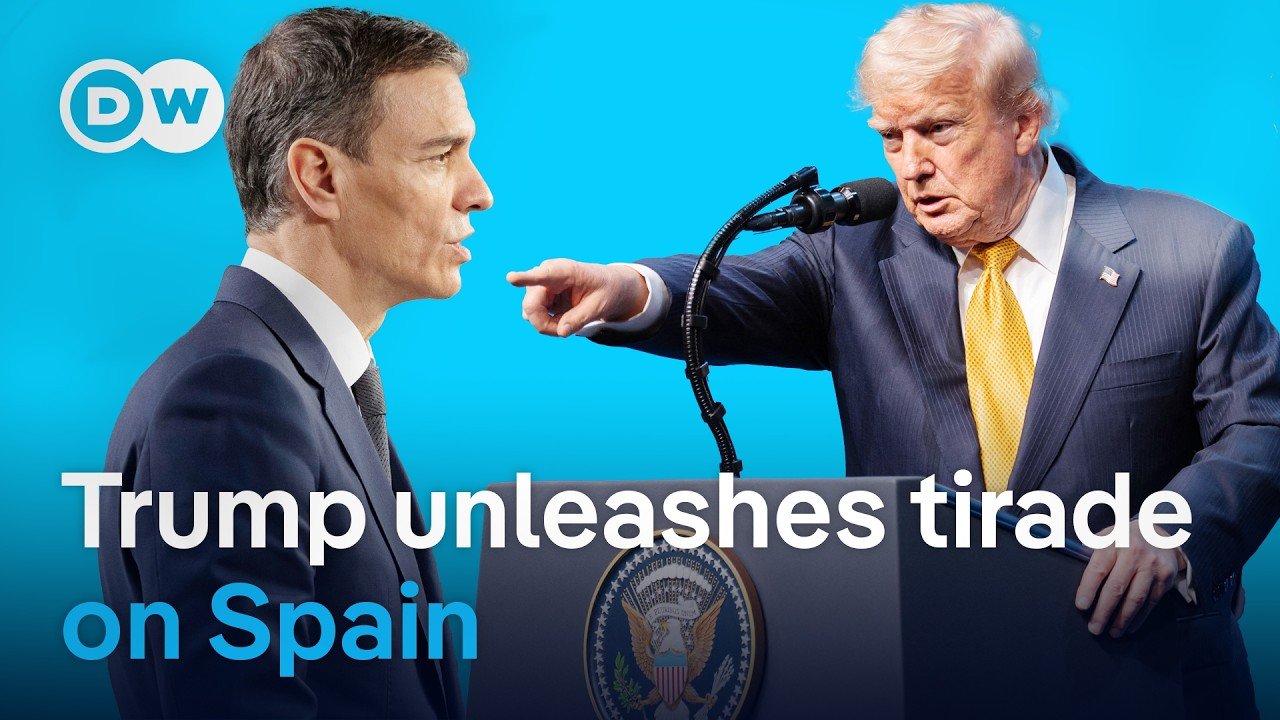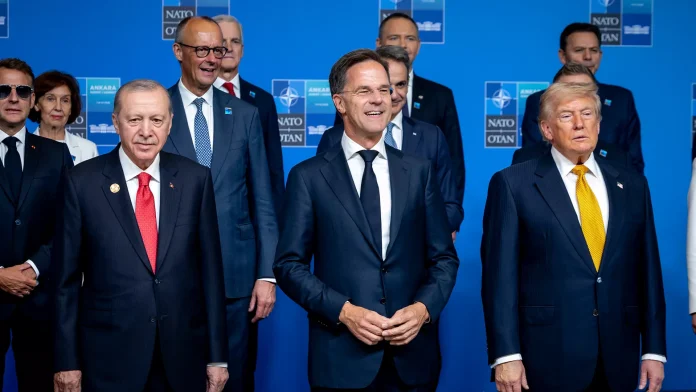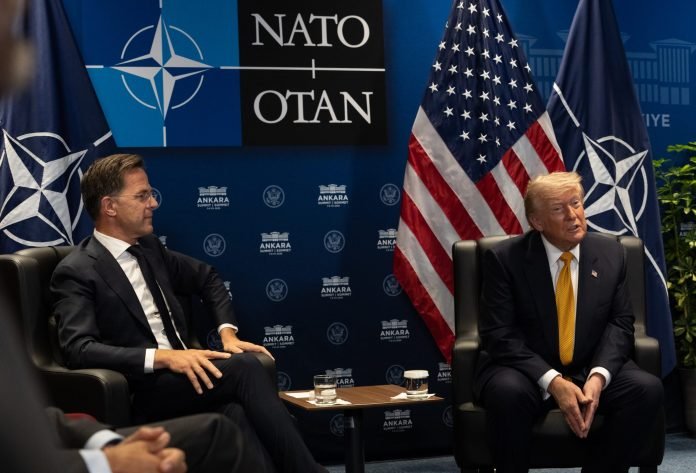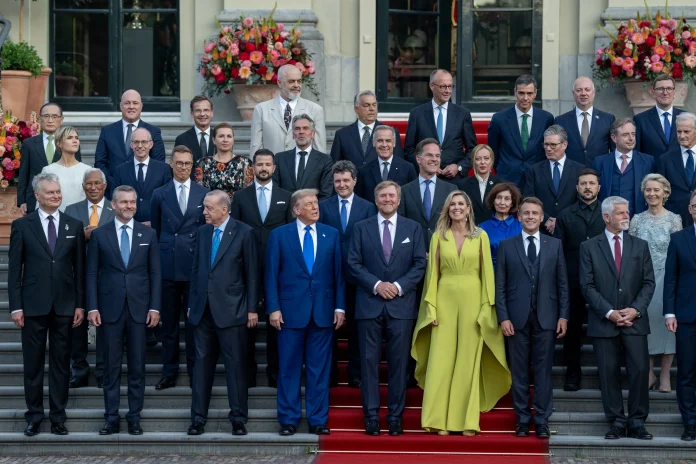




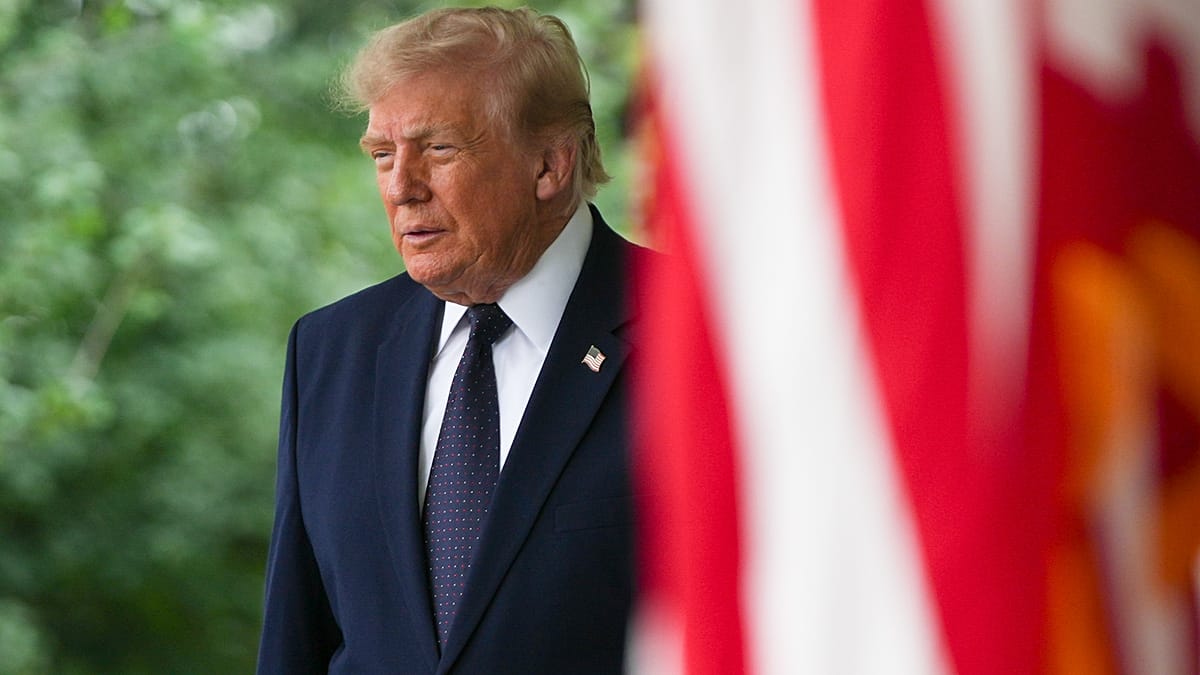



US President Donald Trump sparked diplomatic tensions during the NATO summit in Ankara on July 8, 2026, after announcing that he had ordered a complete halt to US trade with Spain. The directive, reportedly issued to Treasury Secretary Scott Bessent, included a call to “cut off all trade with Spain,” escalating an already strained transatlantic relationship.
The remarks came as Trump sharply criticized Spain’s defense posture within NATO. Madrid had initially resisted committing to the alliance’s newly proposed target of spending 5% of GDP on defense — an increase that has become a central demand of Trump’s NATO policy.
Trump labeled Spain a “terrible partner,” arguing that countries failing to meet spending expectations should face economic consequences.
Friction over US-Iran Conflict
Tensions were further inflamed by Spain’s refusal to support US military operations tied to the ongoing US-Israel conflict with Iran. Spanish Prime Minister Pedro Sánchez declined to grant US forces access to Spanish airspace and military bases, a move that reportedly angered the White House and contributed to Trump’s aggressive rhetoric.
Despite the dramatic announcement, both sides moved quickly to de-escalate. Hours later, Trump softened his tone, describing Spain as “very generous” while maintaining that disagreements remained. Sánchez also downplayed the incident, characterizing discussions as “cordial” and confirming that trade relations between the two countries continue uninterrupted.
Not the first warning
The episode marks the second time in 2026 that Trump has threatened a full trade cutoff with Spain. A similar warning issued in March ultimately had no material impact on bilateral commerce, which remains substantial.
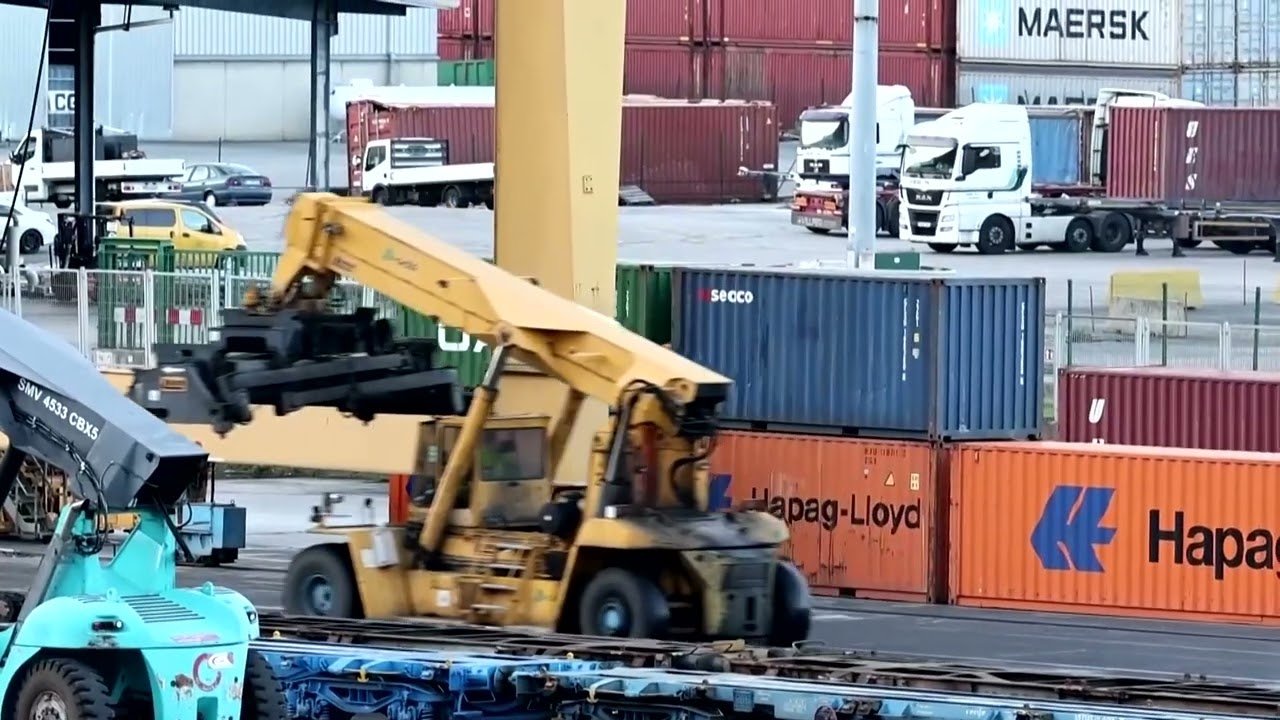
The United States and Spain maintain strong economic ties, with total trade in goods and services exceeding $70billion annually in recent years, spanning sectors such as energy, agriculture, automotive components, and pharmaceuticals.
Legal and EU Constraints
Legal experts and trade analysts widely question the feasibility of a unilateral, total trade embargo. While the president could theoretically invoke the International Emergency Economic Powers Act (IEEPA), doing so would require declaring a formal national emergency tied to a specific foreign threat. Even then, such a sweeping action would likely face immediate legal challenges in US courts.
Complicating matters further, Spain is a member of the European Union, meaning trade policy is governed at the bloc level. Any US attempt to single out Spain with a comprehensive embargo would likely trigger retaliation from the EU as a whole, raising the risk of a broader transatlantic trade conflict.
Targeted measures more likely
Analysts suggest that while a full trade shutdown is unlikely, the administration has more practical tools at its disposal. These include targeted tariffs or restrictions on specific Spanish exports such as olive oil, wine, steel, and auto parts. US trade officials are reportedly reviewing potential measures that could apply pressure without provoking a full-scale trade war.
Broader implications
The incident underscores ongoing friction within NATO over burden-sharing and highlights how geopolitical disputes — particularly those linked to the Middle East — are increasingly spilling into economic policy. For now, however, the threat of a complete rupture in US-Spain trade appears more rhetorical than operational.