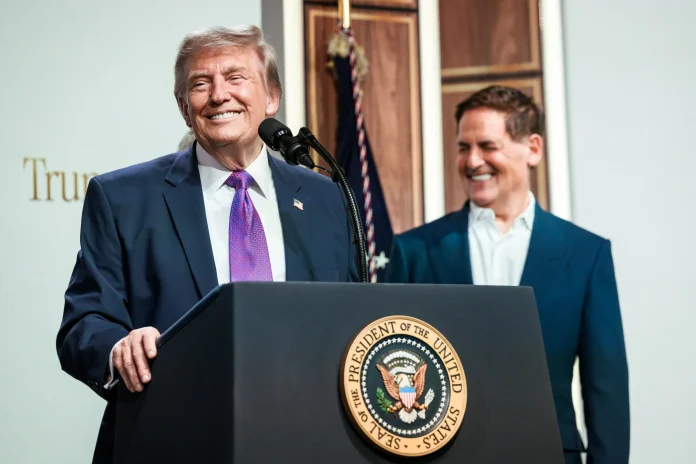
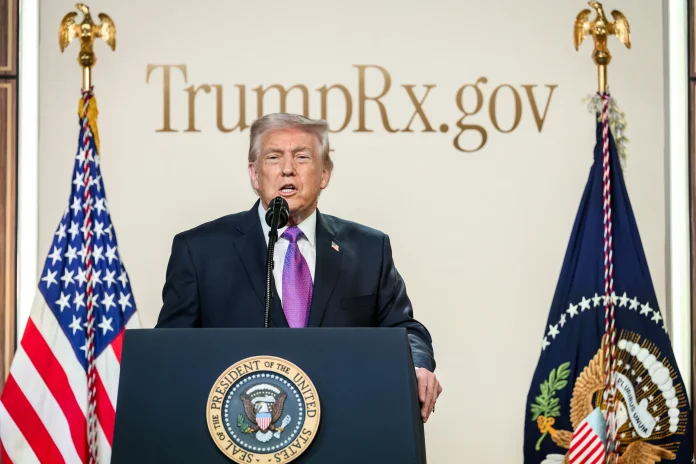
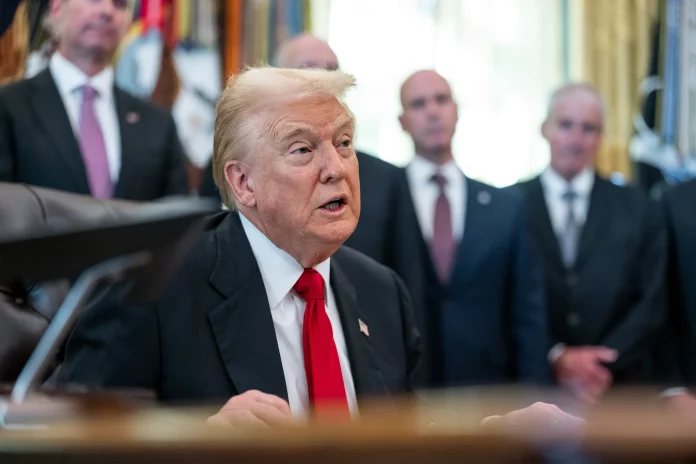
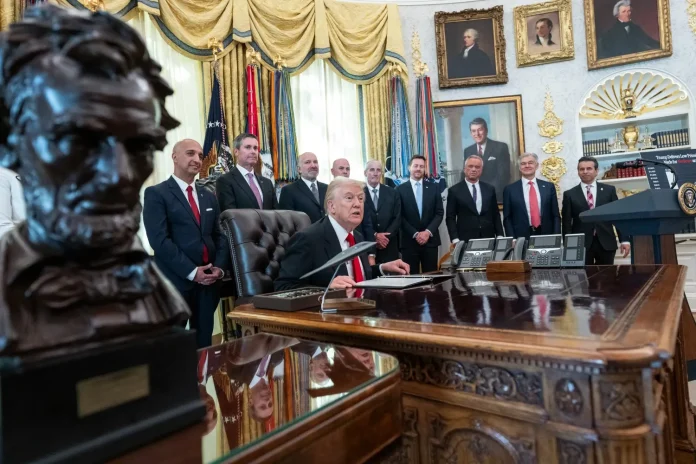
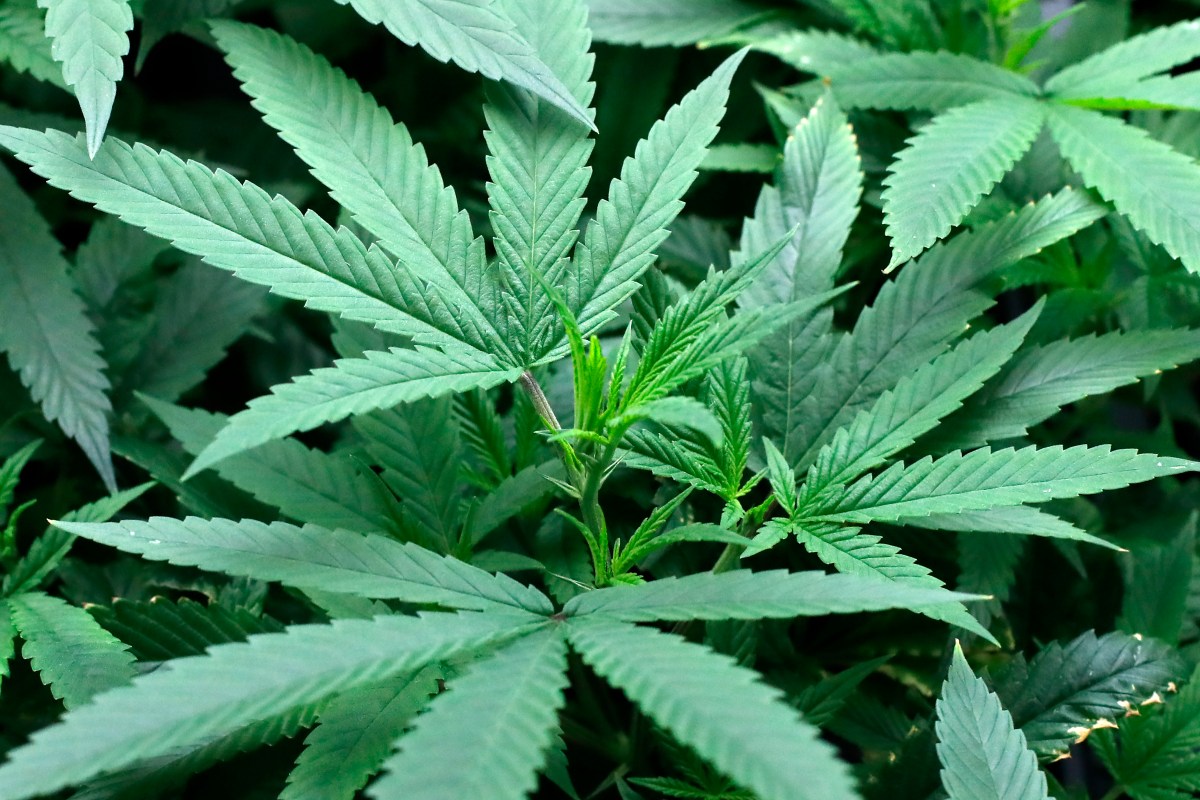
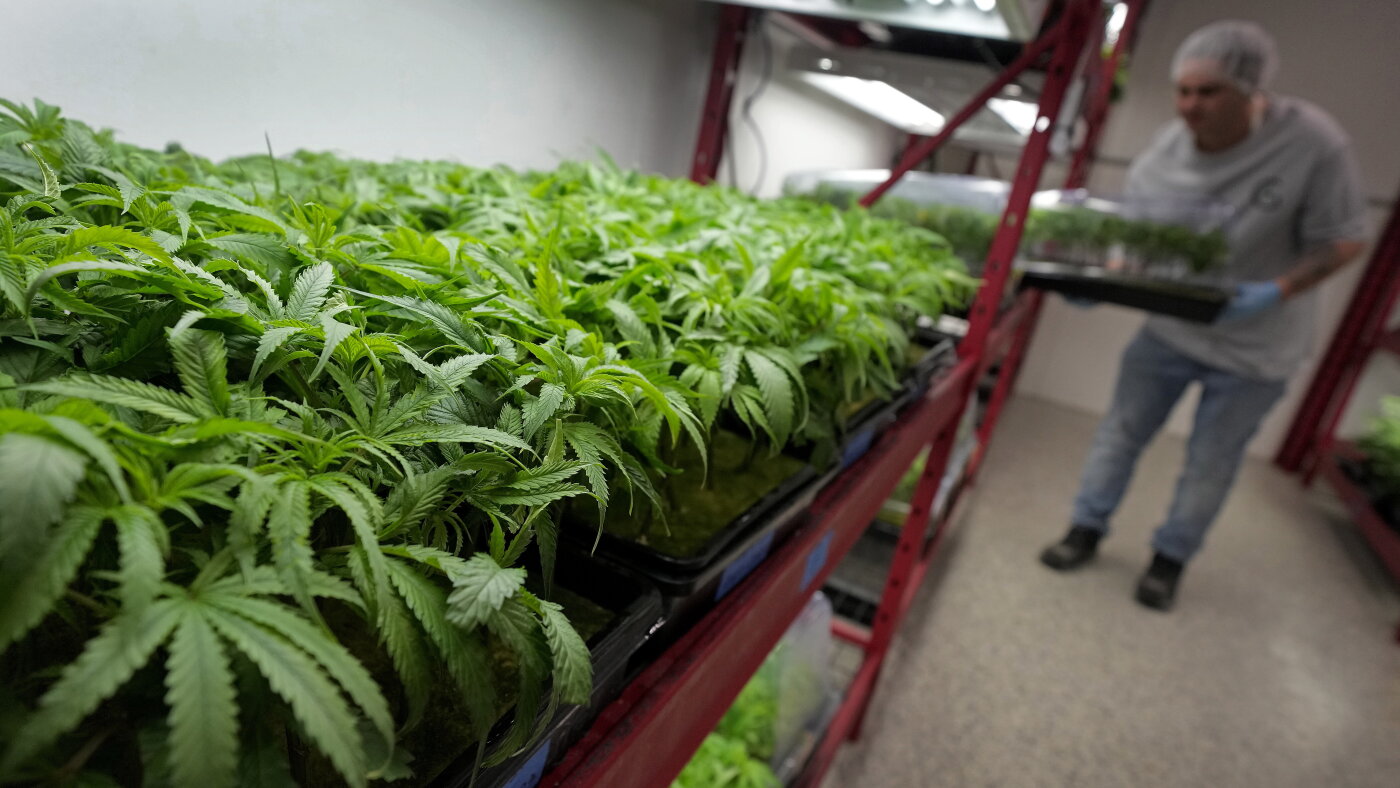
In December 2025, the Trump administration broadened access to cannabis in what represents the most significant change in US drug policy in decades. President Donald Trump signed an executive order on December 18, directing federal agencies to reclassify marijuana from Schedule I to Schedule III controlled substance.
The shift moves marijuana from the most restrictive category (alongside heroin and LSD) to Schedule III, which includes substances with recognized medical use and lower potential for abuse, such as Tylenol with codeine, ketamine, and anabolic steroids.
Medical research, tax relief, Medicare pilot program
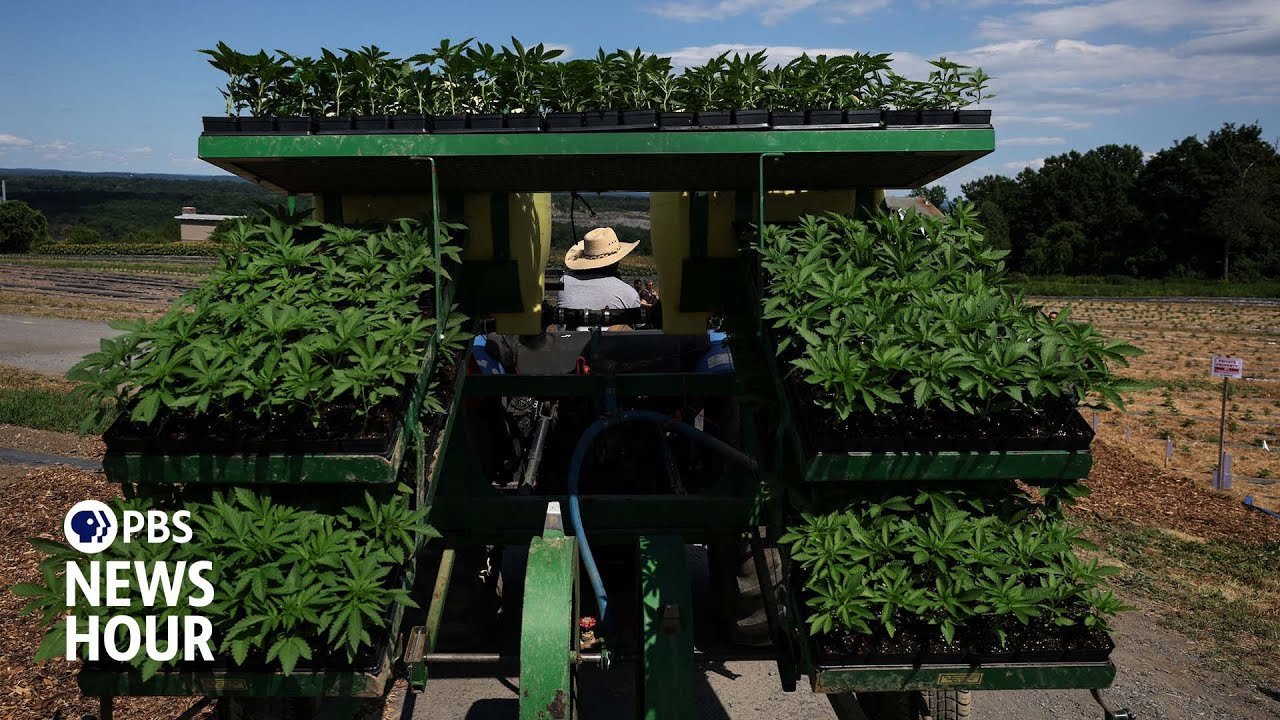
The order aims to facilitate medical research by removing significant federal barriers, specifically targeting chronic pain, cancer, and seizure disorders. Cannabis companies in legal states will no longer be subject to IRS Code Section 280E, allowing them to deduct standard business expenses (like rent and payroll) for the first time.
The administration announced a new Medicare pilot program starting in April 2026 to provide seniors access to certain hemp-derived CBD products for medical purposes.
Researchers will no longer face the most restrictive DEA security requirements (such as specialized vaults) required for Schedule I substances, making it easier to conduct randomized controlled trials. It creates a future pathway for FDA-approved marijuana-based medications to be dispensed at standard pharmacies, similar to other Schedule III drugs like ketamine or anabolic steroids.
Federal prohibition remains
Reclassification does not legalize marijuana at the federal level or for recreational use. Possession remains illegal under federal law, and transport across state lines is still prohibited. While the Executive Order expedites the process, the final rule must still undergo review by the DEA and Attorney General Pam Bondi, which could take months.
In early February 2026, Trump signed a funding bill that continues to prevent the District of Columbia from legalizing recreational sales. Attorney General Bondi has reportedly directed a “rigorous” prosecution stance for illegal personal possession, even as the rescheduling process continues.
GOP opposition, Democrats want full legalization
Several high-ranking Republicans, including Senators Marsha Blackburn and Bill Hagerty, have formally urged the President to reconsider, citing concerns over road safety, workplace absenteeism, and the “wrong message” to children. Republican leaders in states like Kansas and Idaho have called the move a “huge mistake,” with some prominent Arizona Republicans even proposing voter initiatives to re-criminalize adult-use sales in defiance of the order.
While many Democrats, such as Senator Kirsten Gillibrand, argue that rescheduling does not go far enough and push for full federal legalization, they generally view the order as a step in the right direction. Stakeholders have hailed the move as a “landmark moment,” primarily for projected tax savings from removal of Section 280E.
The ACLU praised the shift for aligning policy with “realities on the ground,” while groups like NORML emphasize that it remains incremental reform that does not resolve the federal-state legality gap.
Some hemp-derived CBD retailers fear the move could give pharmaceutical companies unfair advantage and stifle free market for non-prescribed products.