Islamic State militants carried out a major coordinated assault on Diori Hamani International Airport and the adjacent Air Base 101 in Niamey, Niger’s capital, in what appeared to be the first major jihadist attack on the city since the insurgency began in the early 2010s.
The attack
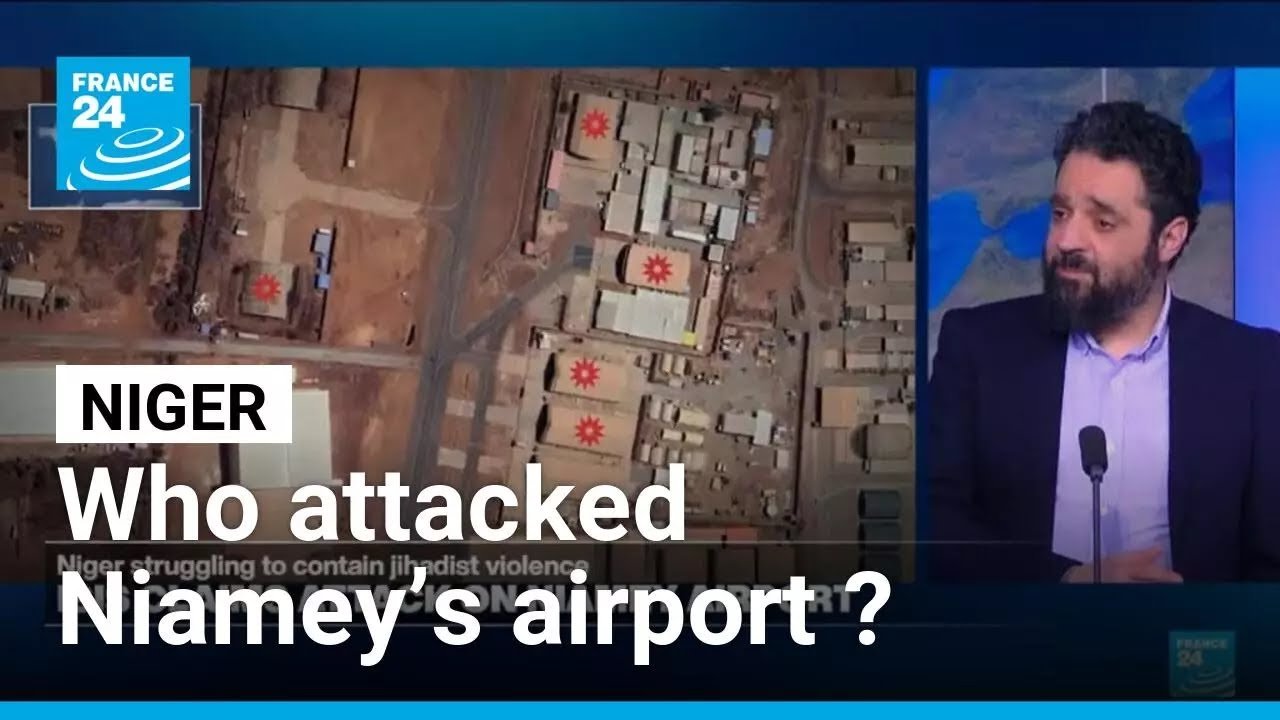
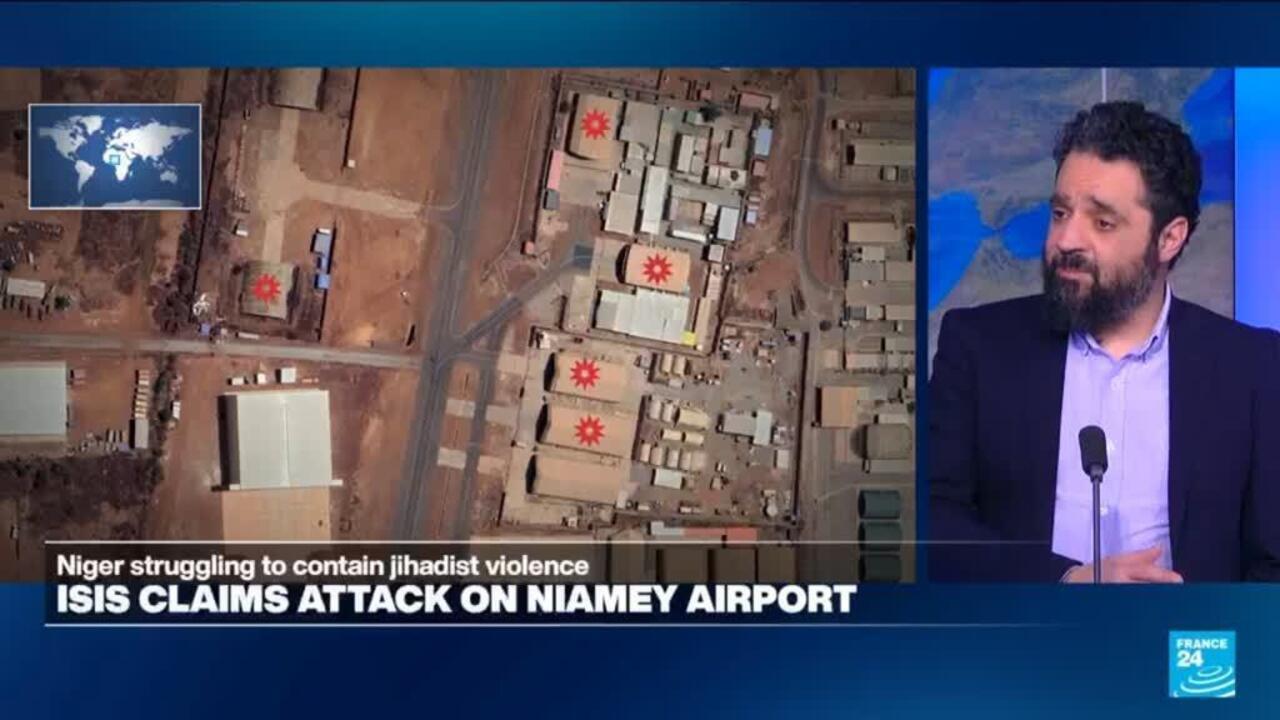
On January 29, 2026, the Islamic State’s Sahel and West Africa branches launched what security analysts described as a brazen and coordinated raid on the airport and nearby military base. Around 30 militants, some arriving on motorcycles, breached the perimeter and used gunfire, mortars and rocket-propelled grenades in the attack.
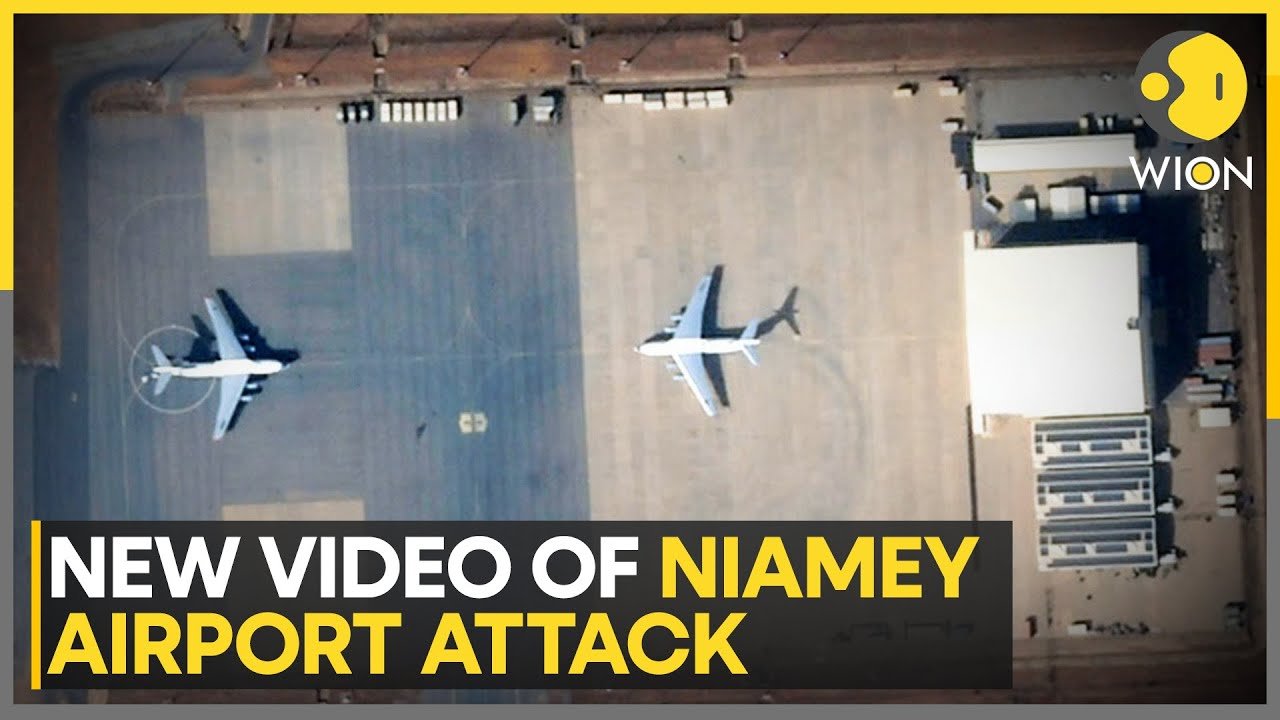
The assault targeted aircraft hangars, military hardware and commercial planes on the tarmac. Analysts also suspect it may have been the first time Islamic State militants in Niger used explosive-laden drones during an operation.
Nigerien troops, with support from Russia’s Africa Corps, repelled the attackers after roughly two hours of fighting. Security forces then carried out mop-up operations in nearby neighborhoods, capturing 11 militants and seizing weapons and the motorcycles used in the raid.
The airport was briefly shut down before reopening on Jan. 30 under heavy security. Commercial flights returned to normal within 24 to 48 hours, though military patrols and checkpoints remained in place around access roads.
Damage and casualties
Niger said 20 attackers were killed and 11 were captured. The government also reported four wounded soldiers, although unofficial accounts suggested the toll may have been higher.
The attack destroyed at least five military aircraft, including a helicopter and a Turkish-made drone. Three passenger aircraft were also damaged: an Airbus A319 operated by Air Côte d’Ivoire and two Boeing 737s operated by Asky Airlines. Hangars at Air Base 101 were damaged as well.
A 1,000-ton uranium stockpile stored at the airport was not affected.
Aftermath
On February 2, Russia’s Foreign Ministry confirmed that Africa Corps units, the force that replaced Wagner in Niger, fought alongside Nigerien troops during the response. The acknowledgment marked a notable public confirmation of the two countries’ growing security partnership.
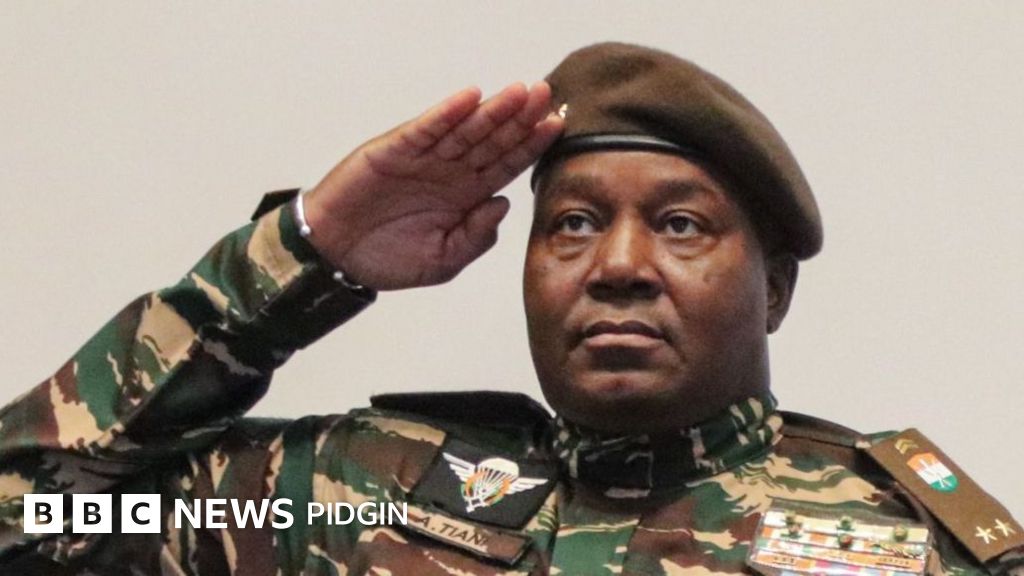
Niger’s military leader, General Abdourahamane Tiani, used a televised address to accuse France, Benin and Côte d’Ivoire of sponsoring the attack through what he called mercenaries. He warned the countries to be ready to “hear us roar” in retaliation.
Benin and Côte d’Ivoire rejected the accusations as baseless, with a Beninese spokesperson calling them nonsense.
Security fallout
The attack has since led to tighter controls in Niamey, with the junta using a general mobilization law to requisition property and expand surveillance in the name of national security.
On January 30, the US State Department ordered the departure of non-emergency government personnel and their families from Niger because of the heightened threat of coordinated terrorist attacks.
The United States and several European countries also upgraded Niger to Level 4, or Do Not Travel, citing the airport assault as a sign of broader risk to high-security sites in the region.