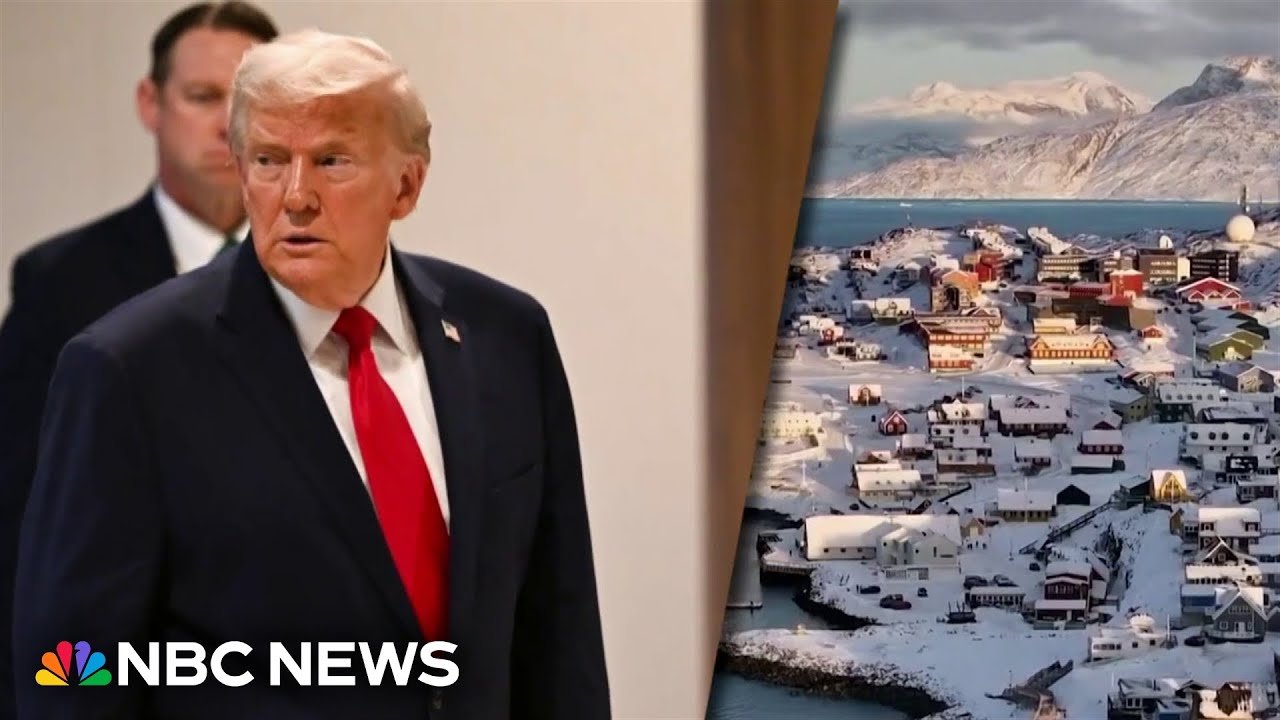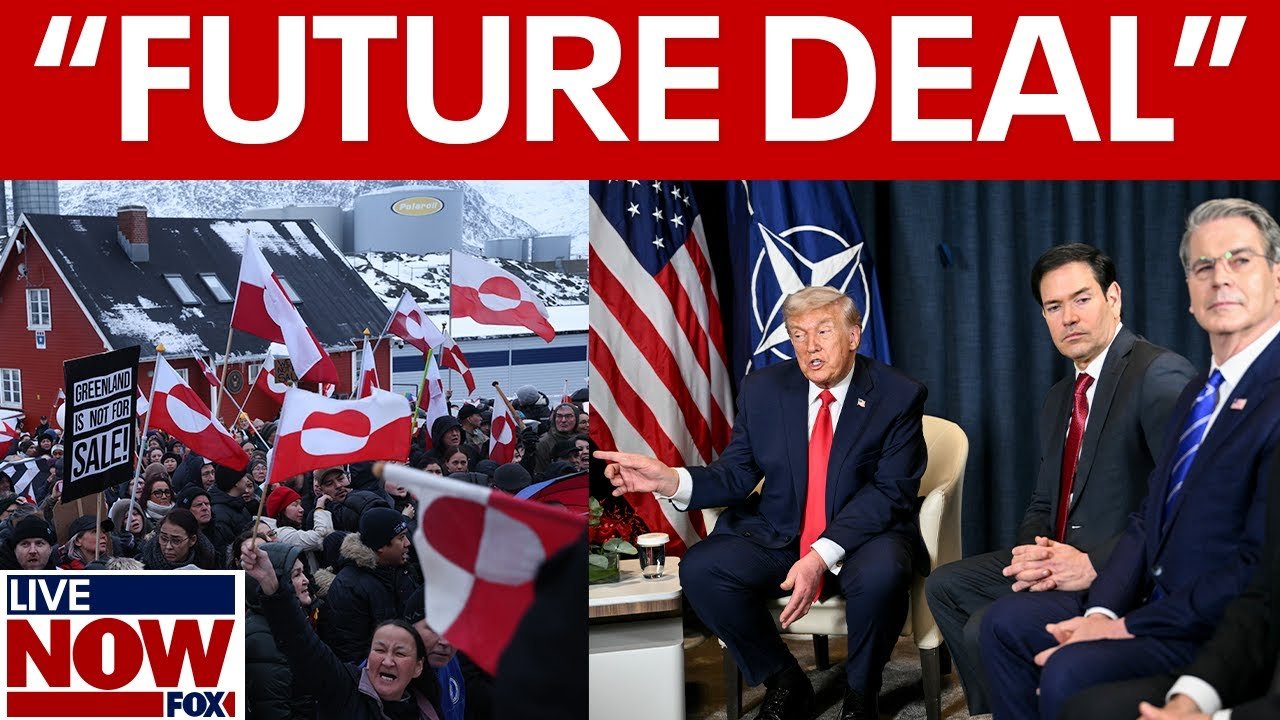

President Donald Trump announced a framework for a future deal on Greenland and the entire Arctic Region on January 21, 2026, while attending the World Economic Forum, and immediately canceled tariffs on European allies that were scheduled to take effect February 1.
Trump unveils Greenland framework, drops EU tariffs
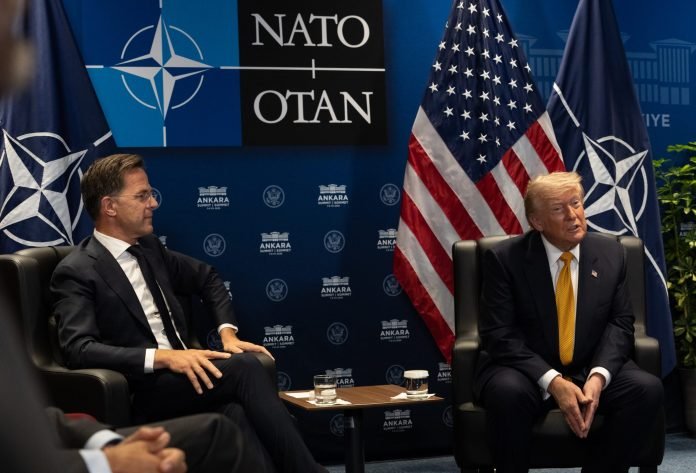
The announcement unfolded in two stages during Trump’s Davos visit. During a speech earlier that day, Trump first signaled a shift by ruling out the use of military force to acquire the island, though he maintained that ownership and control remained his goal. Later that evening, following a private meeting with NATO Secretary-General Mark Rutte, Trump posted on Truth Social that a framework had been formed and that he was immediately scrapping the planned February 1 tariffs on European allies.
"Based upon a very productive meeting that I have had with the Secretary General of NATO, Mark Rutte, we have formed the framework of a future deal with respect to Greenland and, in fact, the entire Arctic Region. This solution, if consummated, will be a great one for the United… pic.twitter.com/24b99begbb
— The White House (@WhiteHouse) January 21, 2026
Trump further described the arrangement to reporters on Air Force One and in an interview with CNBC as a concept of a deal that would be fantastic for the United States. While declining to share more details, Trump suggested that the framework involves mineral rights for the US, as well as the Trump administration’s proposed Golden Dome missile defense system.
The announcement follows a meeting at the WEF during which some NATO members reportedly discussed a proposal to give the US sovereignty over small pockets of Greenland’s land, according to The New York Times.
Greenland PM draws sovereignty red line
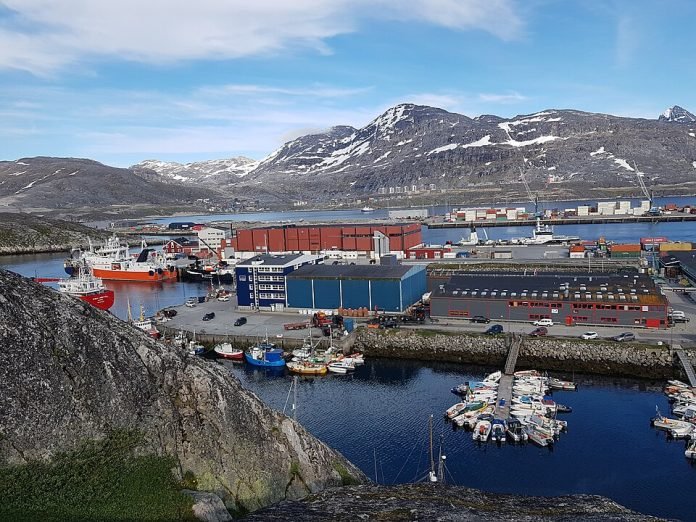
Greenland Prime Minister Jens-Frederik Nielsen confirmed on January 22 that he was in the dark regarding the specific contents of the framework agreement announced by President Trump. Nielsen’s response emphasized several key positions for the autonomous territory. He stated that Greenlandic and Danish sovereignty over the territory is non-negotiable and remains a firm red line. He stressed that no one other than Greenland and the Kingdom of Denmark has the mandate to make deals regarding the island.
While rejecting the idea of a sale or annexation, Nielsen indicated that Greenland is ready to negotiate a better partnership with the US in areas like minerals access and security. Nielsen expressed relief that Trump had ruled out the use of force, which he had previously called unacceptable.
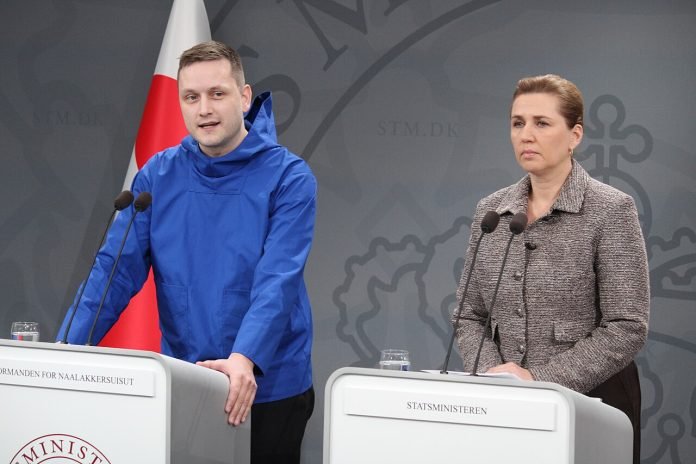
Danish Prime Minister Mette Frederiksen supported this stance during a visit to Greenland on January 23, affirming that Denmark would safeguard the territory’s interests and that any future security discussions must respect its territorial integrity.
Nobody else than Greenland and the Kingdom of Denmark have the mandate to make deals or agreements about Greenland and the Kingdom of Denmark without us, Nielsen said. We have some red lines. We have to respect our territorial integrity. We have to respect international law, sovereignty.
Vance, Rubio to lead Arctic negotiations
Negotiations will now be led by Vice President JD Vance, Secretary of State Marco Rubio, and Special Envoy Steve Witkoff, who are tasked with turning the concept of a deal into a formal agreement. The US, Denmark and Greenland will begin formal talks to update the 1951 Defense of Greenland Agreement. The key focus areas will include discussion of the placement of sensors or interceptors for Trump’s proposed Golden Dome missile defense system and evaluation of a sovereign base area concept similar to UK bases in Cyprus, which would give the US full control over specific military sites while leaving the rest of the island under Danish and Greenlandic sovereignty.
NATO Secretary-General Mark Rutte plans to convene senior commanders early in 2026 to work out the military requirements for a ramped-up presence in the Arctic, aiming to counter Russian and Chinese influence and fulfill the security commitments made in the Davos framework. While NATO officials stated minerals were not discussed in Davos, US officials maintain that securing access to critical rare earth minerals remains a primary US goal. These discussions will likely occur directly between the US and Greenland, as Greenland holds legal authority over its natural resources.
The European Parliament will meet in February to decide whether to resume work on a broader US-EU trade deal, which was stalled during the peak of the Greenland tariff threats.
Read also: Trump threatens incremental tariffs over Greenland