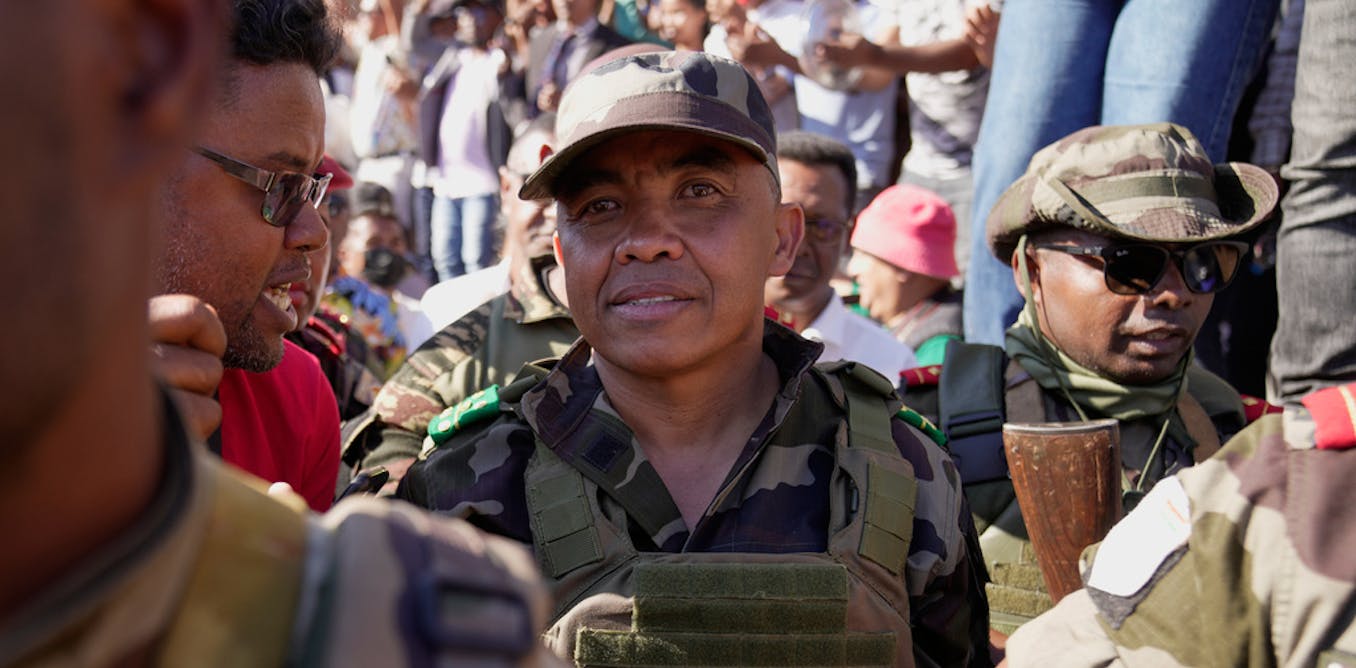
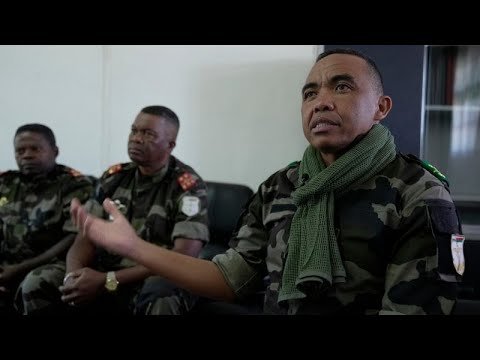
A military coup d’état took place in Madagascar in October 2025, which successfully ousted former President Andry Rajoelina. Colonel Michael Randrianirina, leader of an elite military unit known as CAPSAT, has since been sworn in as the interim president.
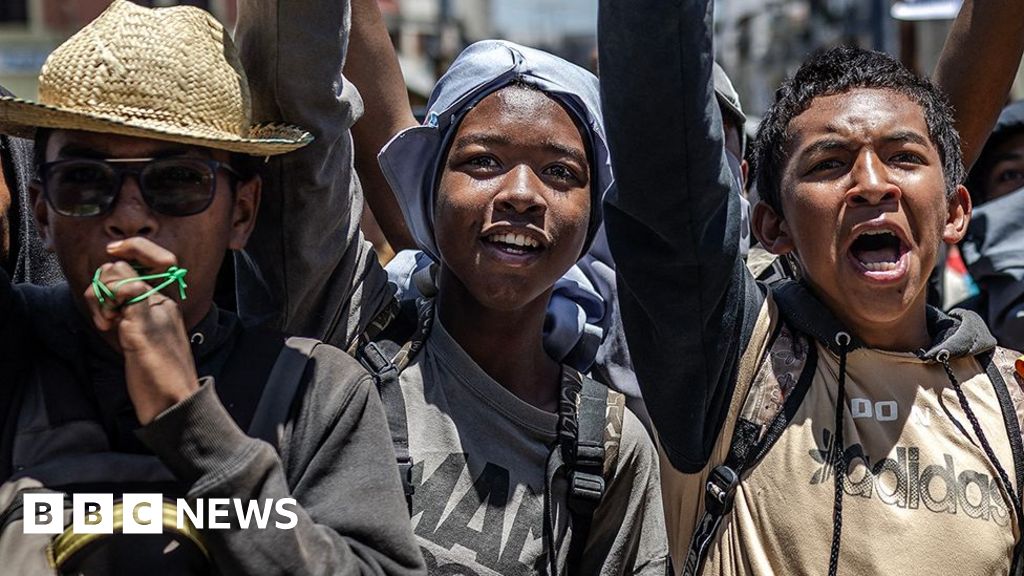
The coup took place between October 12 and 14, 2025, following weeks of youth-led anti-government protests that began in late September over corruption and poor living conditions, specifically water and power outages. The elite CAPSAT military unit, which had previously helped Rajoelina come to power in a 2009 coup, defected from the government and joined the protesters. Their commander, Colonel Michael Randrianirina, announced the military’s takeover of the government.
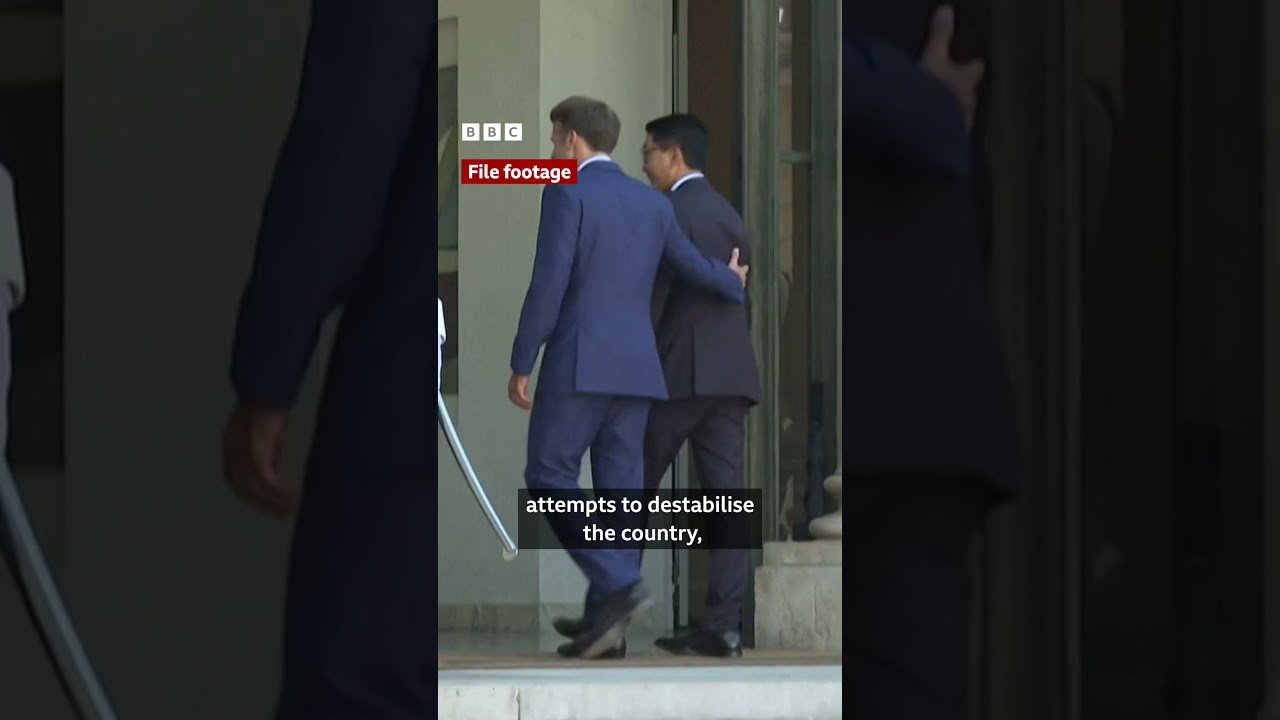
Rajoelina fled the country and was subsequently impeached by the National Assembly. The military established a transitional government and announced a plan for new elections within two years, although the exact timeline is still under discussion.
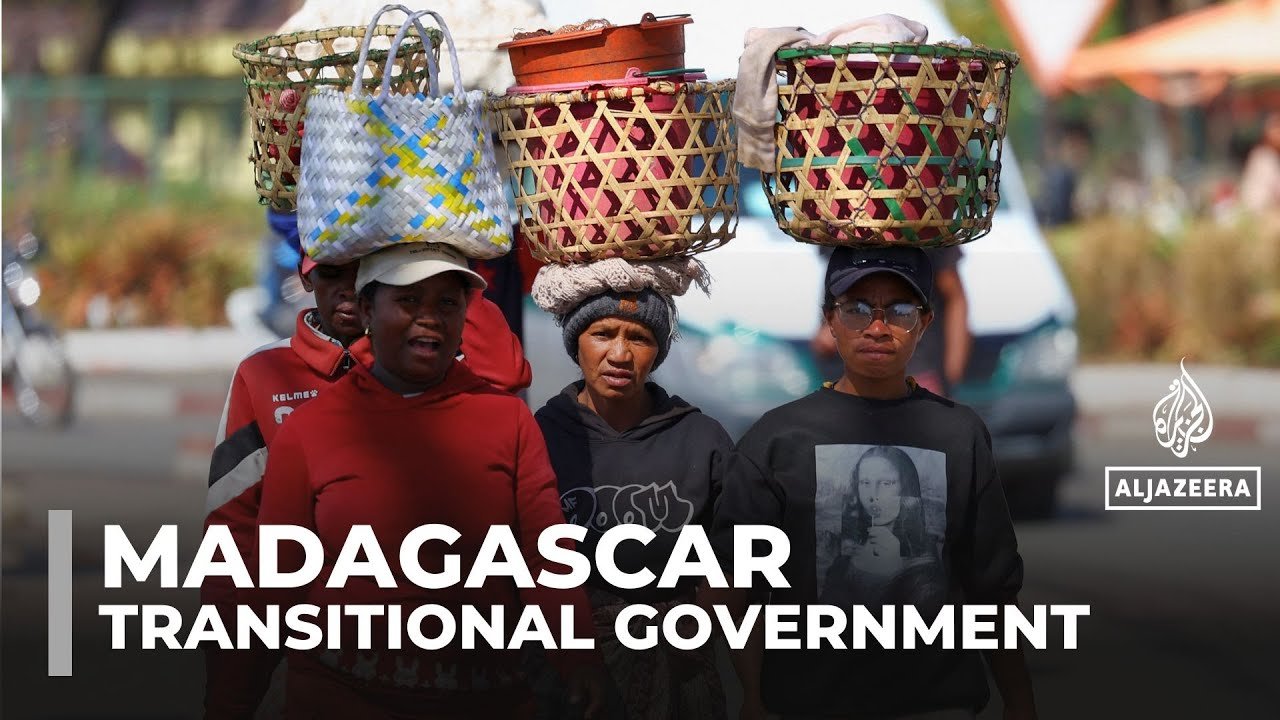
Transitional government
Colonel Michael Randrianirina was inaugurated as interim president on October 17, 2025, after being confirmed by the High Constitutional Court. On October 20, 2025, Randrianirina appointed businessman Herintsalama Rajaonarivelo as Prime Minister to lead a civilian government.
The new administration revoked former President Andry Rajoelina’s Malagasy citizenship in late October. By early 2026, many of the country’s ambassadors abroad were dismissed as part of a plan to rebuild foreign policy. While the High Constitutional Court initially ordered elections within 60 days, the military established a two-year roadmap that includes a referendum on a new constitution and a presidential election by 2027.
International reactions
The African Union and the United Nations condemned the military takeover as unconstitutional, and the African Union suspended Madagascar from the organization. The African Union suspended Madagascar’s membership immediately after the coup. Western nations, including the US and France, have largely withheld recognition of the new government.
In contrast to Western hesitation, Russia has actively engaged with the new leadership. The Russian ambassador was the first foreign diplomat to meet with President Randrianirina. International financial institutions, such as the World Bank, paused planned loans, and major airlines like Air France suspended flights, leading to a significant drop in tourism and mining revenue.
However, some international partners have since engaged with the new government, and the domestic situation has been calm since the takeover.
Local Malagasy reactions
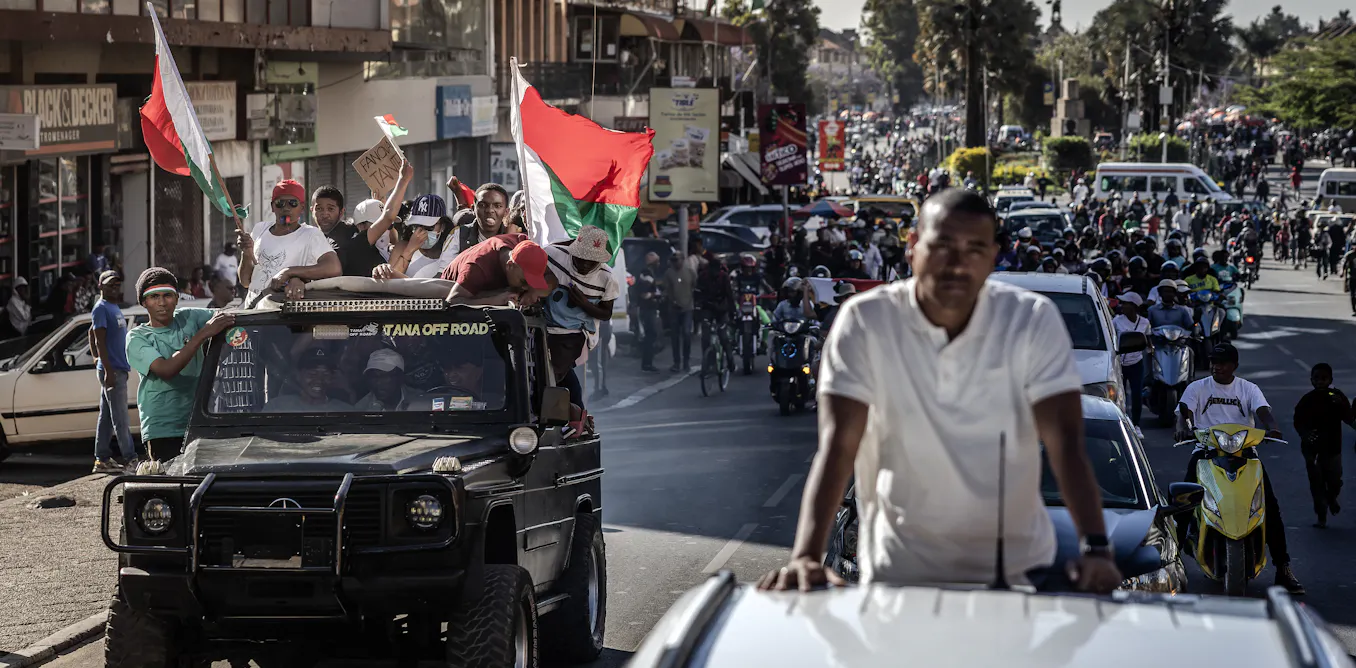
Protesters, many of them young students and residents from the Gen Z movement, had for weeks been demanding basic services like water and power, an end to corruption, and Rajoelina’s resignation. When the elite CAPSAT military unit joined the youth-led protests and President Rajoelina fled, thousands of people in the capital’s central Place du 13 Mai celebrated, cheering, dancing, and waving Malagasy flags. Many saw the military’s action as a victory for their movement.
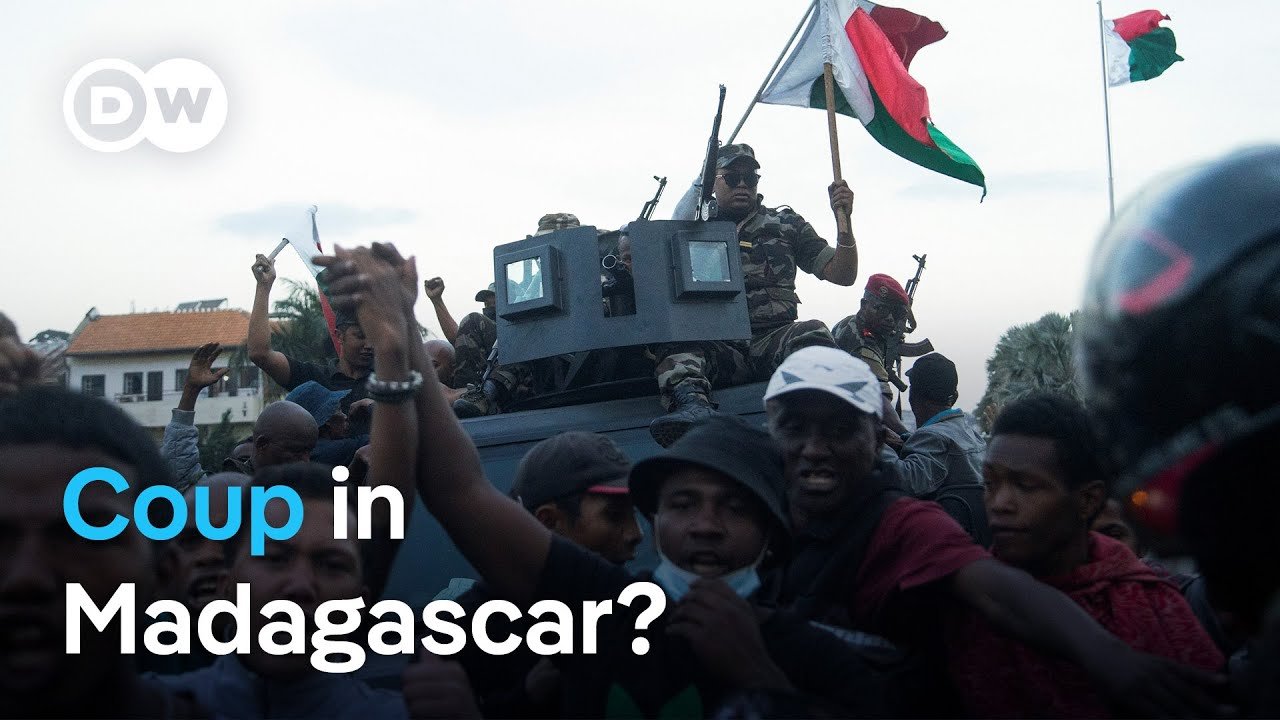
Colonel Michael Randrianirina’s troops were cheered as they moved through the capital in armored vehicles, with many seeing the military’s takeover as a necessary step to save a dying country. Even amid the celebrations, some expressed caution, emphasizing the need for the military to quickly hand over power to a civilian administration and hold elections. Many people questioned whether the military leaders would truly deliver the systemic change they had fought for, or if it was another trick to keep power, especially given Madagascar’s history of political instability and coups.
What happened next
By early 2026, the initial revolutionary fervor has cooled. Major urban centers have seen new strikes and protests due to a sharp economic decline and continued shortages of water and power.
The initial goodwill quickly faded when the new administration appointed a prime minister without consulting the youth protest leaders. Youth leaders expressed anger and disappointment, arguing the choice went against the spirit of change the people demanded.
By early 2026, the underlying issues that sparked the initial protests, including economic decline, poverty, and severe water and power shortages, remained largely unaddressed. This has led to new strikes and protests in urban centers.
Why it matters
Madagascar’s 2025 coup marks the country’s fourth military takeover since independence, reflecting deep frustration with decades of political instability, corruption, and failing public services. The youth-led Gen Z movement that sparked the protests achieved its immediate goal of ousting Rajoelina, but the military’s seizure of power raises questions about whether genuine democratic reform will follow.
With Western nations withholding recognition, Russia stepping in as a new ally, and the underlying economic crisis unaddressed, Madagascar faces diplomatic isolation and continued domestic unrest. The two-year transition roadmap promises elections by 2027, but history suggests the military may struggle to relinquish power once in control.
Read also: Ex-jihadist leader Ahmed al-Sharaa becomes Syria’s president