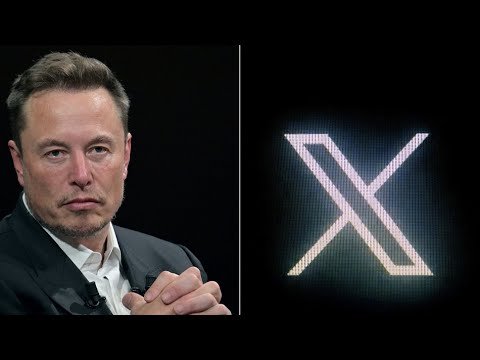
On March 28, 2025, Elon Musk’s AI startup xAI acquired his social media platform X in an all-stock deal that effectively folded the two companies into a single ecosystem. The transaction valued X at $33billion, or $45billion including debt, and xAI at about $80billion, creating a combined company worth roughly $113billion.
The acquisition was structured as a stock swap, with X investors exchanging their holdings for shares in a new holding company, X.AI Holdings Corp. The move formalized a relationship that had already been growing tighter as Musk used X as a distribution channel for xAI’s products, including its Grok chatbot.
Following the merger, X CEO Linda Yaccarino stepped down in July 2025.
Why Musk did it
The deal was meant to bring Musk’s companies closer together. xAI gained direct access to X’s large stream of user data, which can be used to train its AI models, while X gained the backing of a higher-valued company with more financial firepower.
Executives also argued that the combined company would have greater ability to raise capital for the expensive data centers and computing infrastructure needed to compete in AI. In that sense, the deal was both a business consolidation and a strategic bet on scale.
Analysts: Lifeline for X
Some analysts saw the move as a lifeline for X, which had been struggling under debt and business pressure. Others dismissed it as a financial shell game, arguing that Musk was shifting value from profitable assets to support a cash-burning AI venture.
The deal also raised concerns among Tesla and SpaceX shareholders, who worried about dilution and about Musk spreading resources across an increasingly interconnected web of companies. Critics said the merger gave xAI unique control over X’s data, making it harder for competitors to access a valuable training source.
Bigger implications
The merger intensified scrutiny of Musk’s broader empire, especially because it links AI, social media, satellites and launch infrastructure more tightly than ever. That concentration has fueled antitrust concerns, with critics warning that Musk could end up controlling a powerful stack of digital and physical infrastructure.
The move also fed debate about his long-term vision, including the idea of space-based data centers for AI. Supporters see that as ambitious and forward-looking; skeptics question whether it is technically realistic.
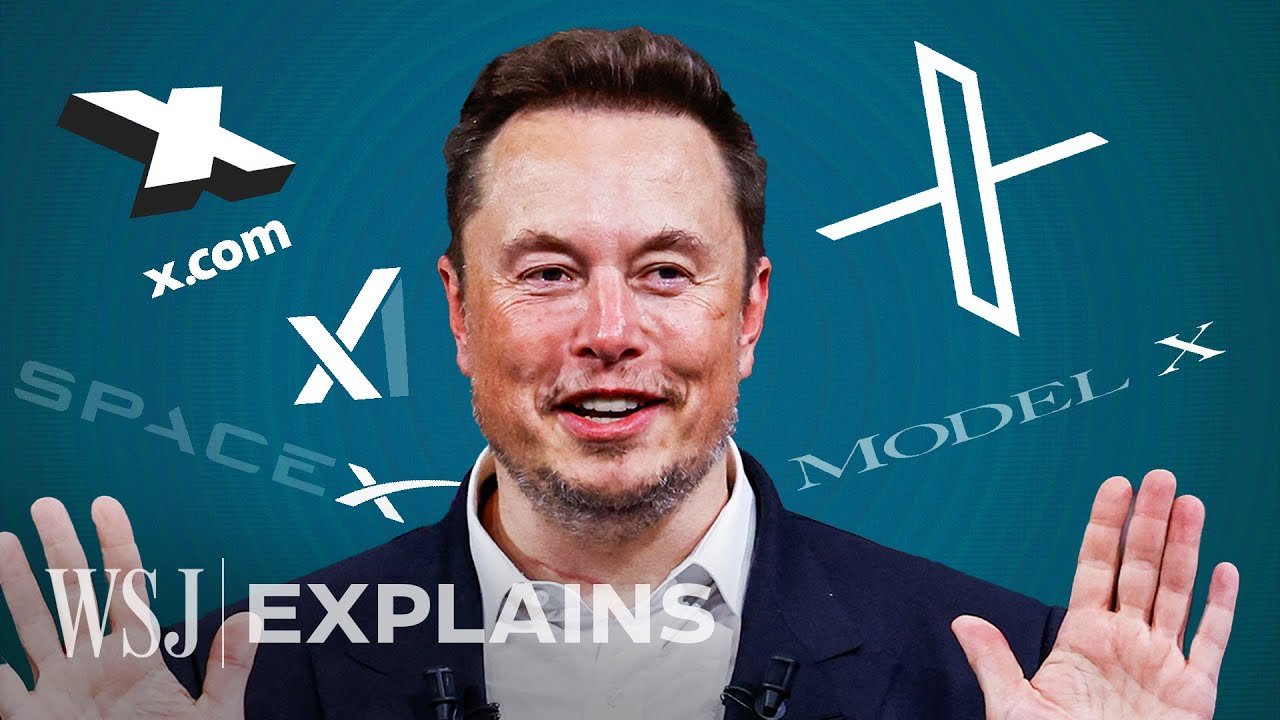
Read also: SpaceX and xAI merge to become world’s most valuable company