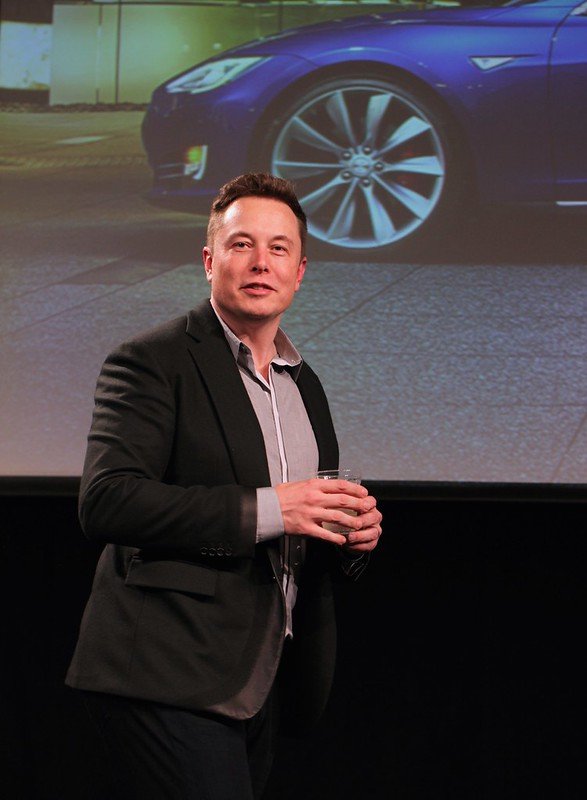
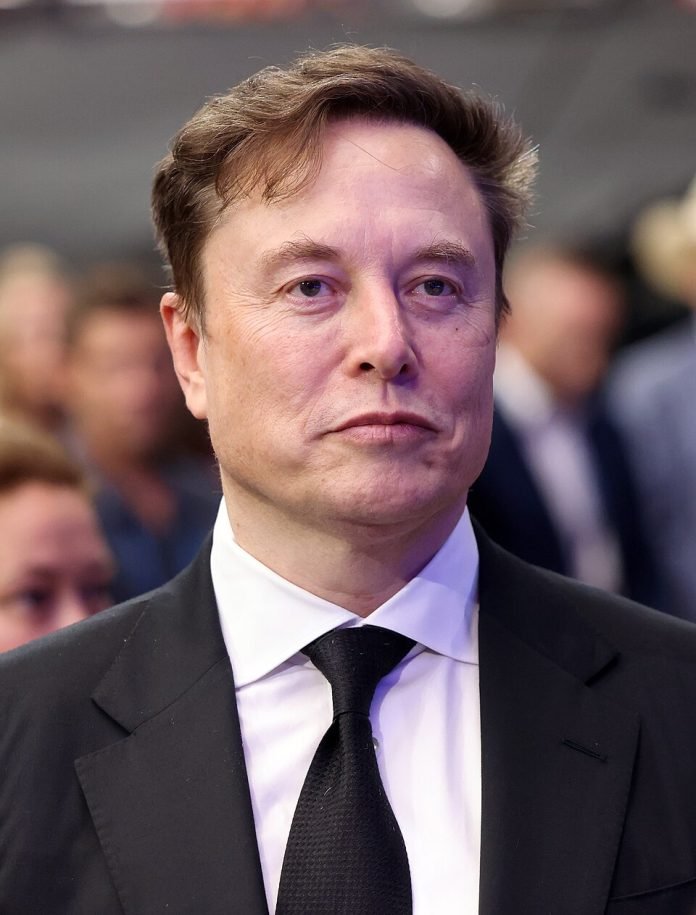
On Jan. 31, 2026, SpaceX and xAI formally agreed to merge, creating a combined entity valued at $1.25 trillion. Elon Musk described the deal as the start of the most ambitious “vertically integrated innovation engine on (and off) Earth,” and the arrangement positions the aerospace company and AI startup for a record-setting initial public offering expected in June 2026.
What happened
The merger is being described as the largest M&A transaction in history by value, with SpaceX valued at $1 trillion and xAI at $250 billion. Under the deal, xAI shareholders will receive 0.1433 shares of SpaceX for each xAI share they hold.
The transaction is structured as a triangular merger through intermediary companies in Nevada, making it a tax-free reorganization. The setup allows xAI to operate as a subsidiary while shielding SpaceX from xAI’s existing debt and legal liabilities. SpaceX will absorb xAI’s assets, including the Grok chatbot and the social media platform X, which xAI acquired in March 2025.
SpaceX is targeting a mid-June 2026 flotation that could raise as much as $50 billion. The timing is intended to coincide with Musk’s 55th birthday and a rare planetary alignment involving Jupiter and Venus. Analysts estimate the IPO’s share price could reach about $527.
Strategic aim
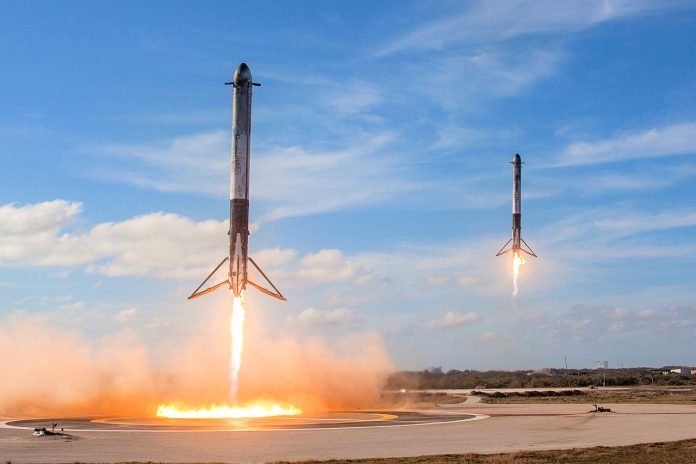
Musk has framed the merger as part of a multi-decade plan to move AI compute off-planet. The combined SpaceX-xAI structure brings together launch capacity, satellite internet through Starlink and AI capability through Grok and xAI into a single full-stack system.
That strategy centers on the idea that the next frontier of AI will not be limited to Earth-based infrastructure. Musk has argued that space offers near-constant solar power and natural cooling, making it a way to scale AI without the constraints of terrestrial electricity demand and land use.
Orbital computing
SpaceX has filed with the FCC for an orbital data-center system that could involve up to one million satellites. The concept is designed to support a massive expansion in AI compute capacity, with Musk saying the company aims to add 100 gigawatts of AI compute annually.
He has also argued that space-based AI could become the lowest-cost option within two to three years. The theory depends on orbital access to solar energy and cooling advantages that are difficult to match on Earth.
Starlink and connectivity
The merger also appears to strengthen Starlink’s role in the company’s broader AI strategy. SpaceX plans to launch next-generation V3 satellites that allegedly offer 20 times the capacity of current models, giving the network the bandwidth needed to connect orbital AI systems with users on Earth.
The deal also deepens the company’s direct-to-mobile ambitions by linking mobile devices more closely to xAI’s real-time information systems and the Grok chatbot. That creates a tighter integration between communications infrastructure and AI services.
A closed ecosystem
Together, the deal gives Musk control over rockets, internet access and artificial intelligence in one ecosystem. Supporters describe that as a closed-loop “innovation engine” that could move compute, communications and intelligence into a single vertically integrated stack.
SpaceX is also aiming for an extraordinary launch cadence, with plans for one Starship flight per hour to move 200-ton payloads of AI-optimized hardware into orbit. Musk has cast the long-term vision as a step toward a Kardashev Type II civilization, one capable of harnessing the Sun’s full energy output and expanding toward the Moon and Mars.
Market reaction
The merger triggered a sharply divided reaction from Wall Street, policymakers and shareholders. Holders of X, formerly Twitter, were said to be enthusiastic because the deal effectively converts their positions into SpaceX stock, which is viewed as more valuable. Some long-term SpaceX investors, however, have voiced concern that the merger could dilute the rocket company’s clean, profitable core business by tying it to xAI’s reported $1 billion monthly cash burn.
The market response also rippled beyond the two companies. Tesla shares rose slightly after news of a confirmed $2 billion investment into the new AI ecosystem, while EchoStar also gained as investors looked for broader sector spillover.
Analyst concerns
Many analysts remain skeptical of the $1.25 trillion valuation. Some have compared the deal to the inflated logic of dot-com-era combinations such as AOL-Time Warner. UBS warned that the orbital-AI narrative could be a way to package high-risk assets into a more attractive IPO candidate.
Still, supporters argue that the merger finally matches the scale of Musk’s ambitions with an integrated technical architecture. They see the combination of launch, internet and AI as a genuine attempt to overcome the limits that have slowed other AI rivals.
Read also: