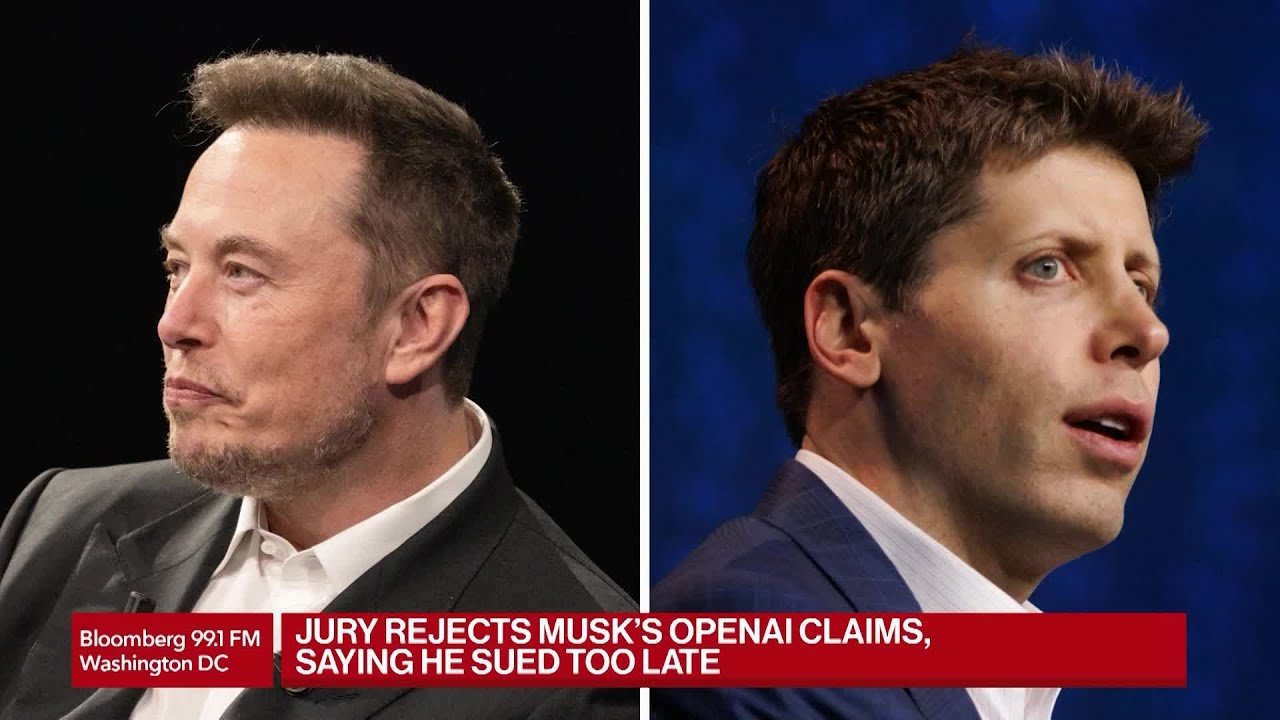
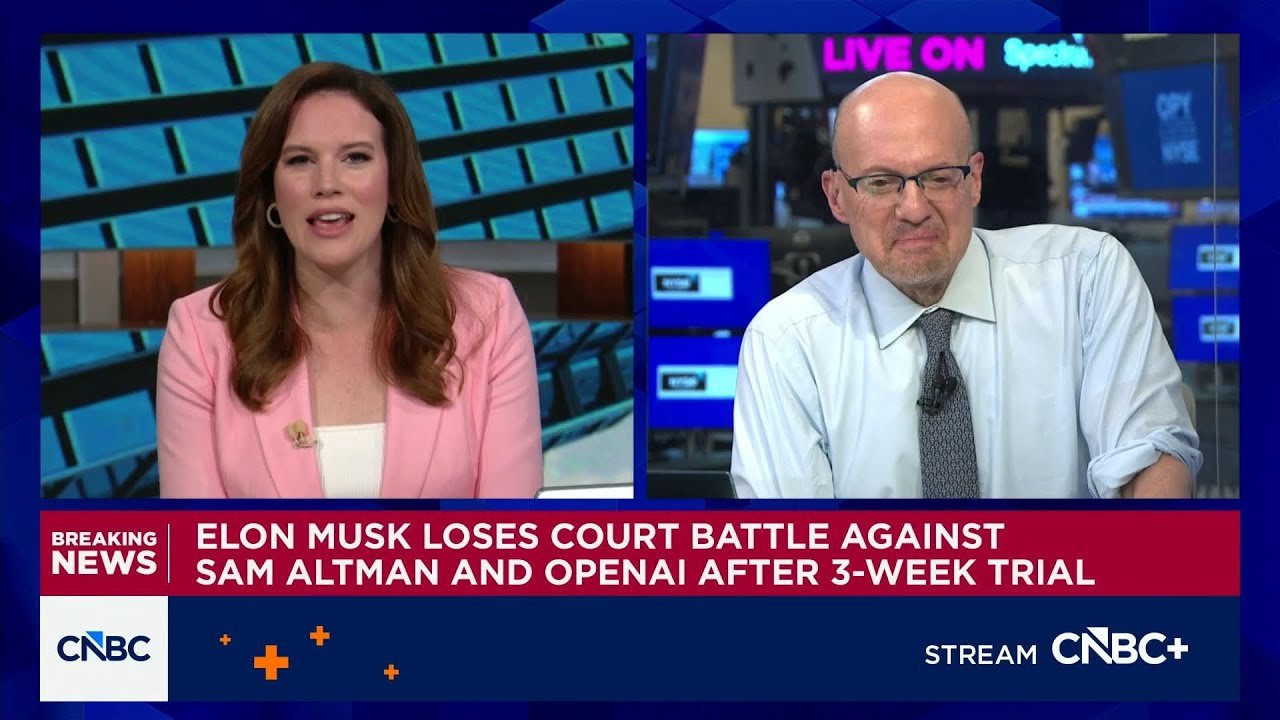
Elon Musk’s $150 billion lawsuit against OpenAI has ended not with a sweeping ruling on artificial intelligence governance, but with a far narrower conclusion: he filed too late. A federal jury in Oakland, California, unanimously found that Musk missed the three-year statute of limitations, and US District Judge Yvonne Gonzalez Rogers immediately adopted that finding and dismissed the case after less than two hours of jury deliberation.
That procedural ending, however, did not prevent the three-week trial from surfacing a series of striking claims about OpenAI’s early internal power struggles. Testimony from Sam Altman and OpenAI’s legal team painted Musk not as a sidelined co-founder shocked by the company’s commercial turn, but as someone who had long understood that direction and, at times, pushed for even greater personal control himself.
A case decided by timing
Musk had argued that he only came to understand the full extent of OpenAI’s shift toward a profit-driven structure in 2023. OpenAI countered that Musk had known for years about the organization’s fundraising plans and commercial ambitions, making his August 2024 lawsuit untimely under the applicable three-year limit.
That argument won. The jury concluded the claims came too late, and Judge Gonzalez Rogers said there was “a substantial amount of evidence” supporting the finding, which is why she was prepared to dismiss the case immediately.
The 90% stake claim
An early number that Mr. Musk threw out was that he should have 90 percent of the equity to start. It then softened, but it always was a majority.
Sam Altman, testifying at the Musk vs. OpenAI trial
One of the most attention-grabbing moments of the trial came from Altman’s testimony about Musk’s early demands for control. Altman told the jury that Musk initially floated the idea that he should hold 90% of OpenAI’s equity from the start, and while that number later softened, Altman said Musk still wanted majority control.
That does not mean a court found as fact that Musk was legally entitled to, or formally guaranteed, a 90% stake. It means Altman testified under oath that Musk made that demand, and reporters covering the trial cited it as part of OpenAI’s broader argument that Musk was trying to dominate the organization rather than merely protect its founding mission.
“Pass to my children”
Altman also testified that Musk wanted OpenAI’s control structure to endure beyond his own lifetime. According to BBC’s account of the testimony, Altman said that when OpenAI’s co-founders asked what would happen after Musk died, Musk replied that control “should pass to my children”.
That claim is significant for narrative reasons, but it should still be framed as testimony from Altman rather than an independently adjudicated fact. In a reported exchange that underscored OpenAI’s defense, Altman used the remark to argue that Musk sought durable personal influence over OpenAI, even as he now portrays himself as defending it from betrayal.
What the trial revealed
Even though the case ended on procedural grounds, the trial exposed a more personal and strategic conflict beneath the legal filings. OpenAI argued that Musk’s lawsuit was a belated attempt to hobble a major rival and benefit xAI, his own artificial intelligence company, after earlier efforts to shape or control OpenAI failed.
For OpenAI, the verdict removes a major legal overhang at a critical moment. Reuters reported that the win clears a significant obstacle for the company as it moves toward a possible IPO, with investors closely watching whether lingering governance disputes could threaten its structure or valuation.
Musk’s next move
Musk has already signaled that the fight isn’t over. On X, he sharply criticized the ruling, calling the judge “activist” and arguing that the court never ruled on the merits of the case. His legal team has confirmed it will appeal to the Ninth Circuit, though the trial judge noted an appeal faces an uphill battle given the factual basis of the statute-of-limitations finding.
A few narrow antitrust claims involving Microsoft board relationships technically remain, but the court has expressed skepticism that those claims will proceed to a second trial, citing robust competition in the broader AI market.
The bigger picture
While the verdict hinges on a procedural issue, its implications extend well beyond this case. The lawsuit was one of the first major attempts to challenge the structure and governance of leading AI companies in court. Its dismissal — without a substantive ruling on whether OpenAI “stole a charity” — leaves many of those questions unanswered, even as the industry accelerates toward commercialization.
For now, the legal system has stepped aside. The broader debate over who controls AI, and in whose interests it operates, is likely to play out elsewhere — in boardrooms, in capital markets, and in the public imagination.