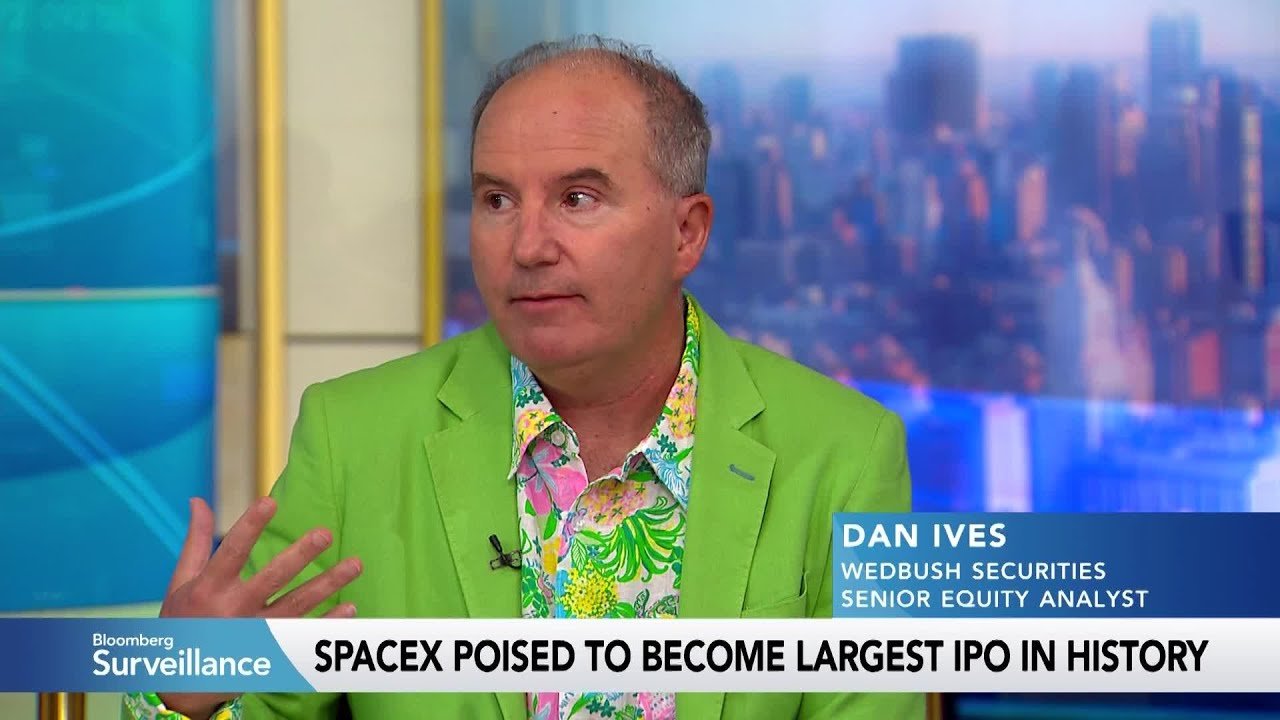
SpaceX has completed the largest initial public offering in history, raising a staggering $85.7billion in net proceeds and resetting global capital markets benchmarks in the process. The Elon Musk-led aerospace and infrastructure giant surpassed Saudi Aramco’s long-standing $25.6billion record by more than threefold, underscoring unprecedented investor demand for space, connectivity, and AI-linked infrastructure.
The company’s market debut marks a pivotal shift—not just for SpaceX, but for how investors value vertically integrated platforms spanning satellites, launch systems, telecommunications, and artificial intelligence.
Record-breaking capital raise
SpaceX initially raised $75billion on June 11 by offering approximately 555.6million shares at $135 each. Demand proved overwhelming, prompting underwriters led by Goldman Sachs and Morgan Stanley to fully exercise their greenshoe option on June 15. This added another 83.3 million shares and $10.7 billion to the total raise.
After underwriting fees of roughly $500million, the final net proceeds reached $85.7billion.
The IPO immediately redefined scale in equity markets, eclipsing previous mega-listings and highlighting the growing investor appetite for frontier technology platforms with both commercial and strategic relevance.
Demand: Nearly 5x oversubscribed
Total demand for the offering reached approximately $350billion, making the IPO nearly five times oversubscribed.
Institutional investors accounted for the majority, placing around $250billion in orders. Major participants included BlackRock, alongside sovereign wealth funds such as Saudi Arabia’s Public Investment Fund and the Kuwait Investment Authority. Gina Rinehart, Australia’s richest person, through Hancock Prospecting, invested over $1billion, marking her largest investment outside the iron ore sector.
Retail investors contributed roughly $100billion in demand, triggering record activity across brokerage platforms. However, due to oversubscription, most retail participants received only minimal allocations—a common outcome in heavily oversubscribed offerings.
Valuation and Market Debut
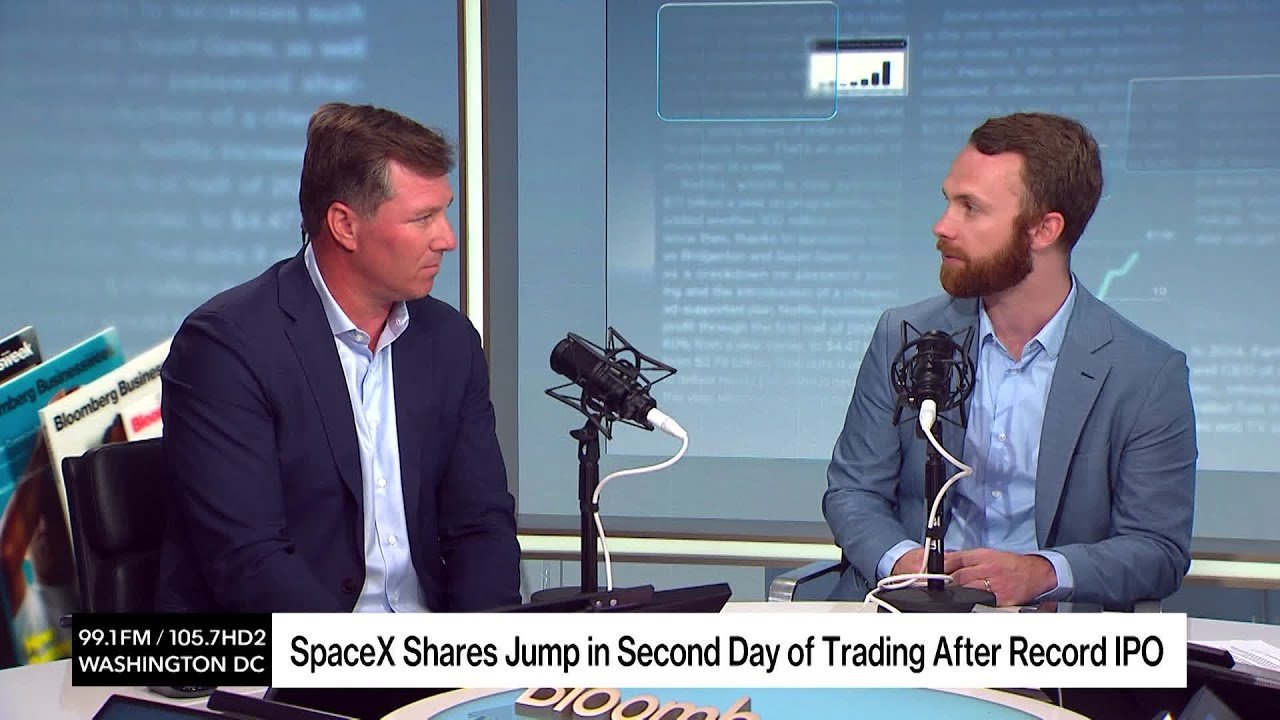
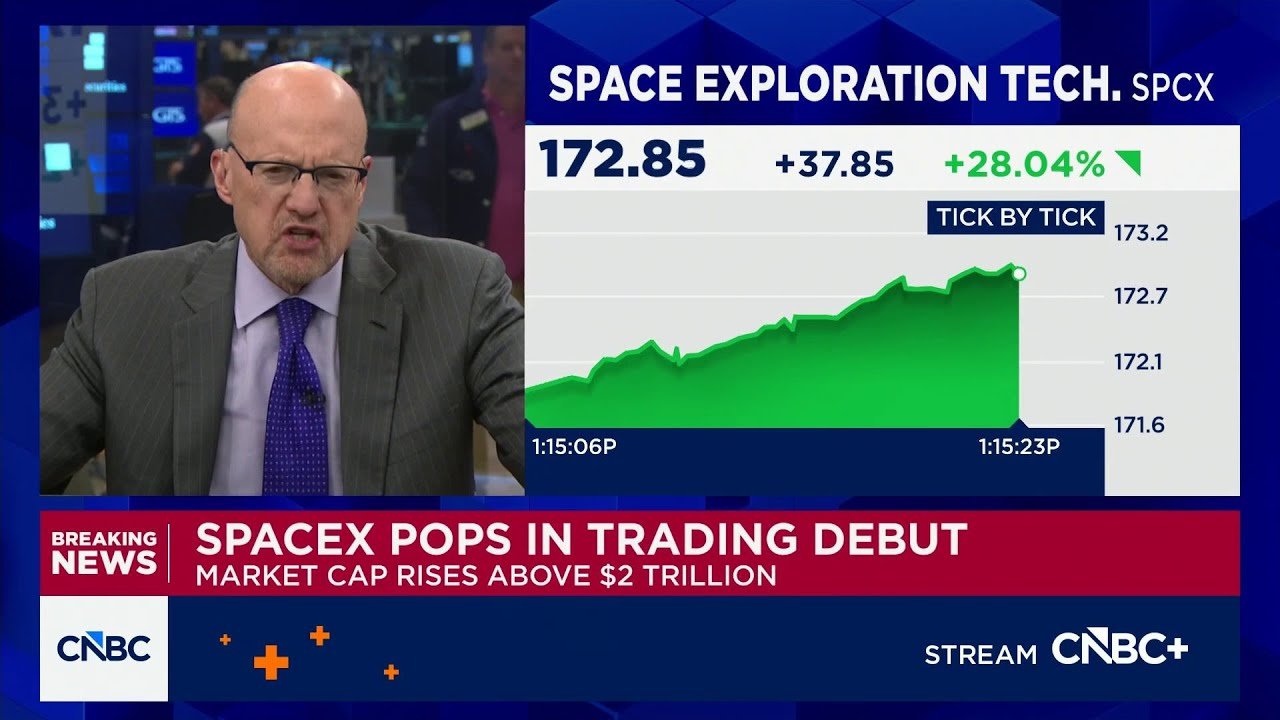
At its IPO price, SpaceX debuted with an implied valuation approaching $1.8trillion, placing it among the most valuable companies globally at listing. Early trading saw shares surge, adding hundreds of billions in market value within days and reinforcing strong post-IPO momentum.
The listing also cements Elon Musk’s position at the center of multiple converging industries, with SpaceX now functioning as a hybrid of aerospace contractor, global internet provider, and AI infrastructure platform.
Elon Musk becomes World’s first trillionaire
This surge propelled Elon Musk to become the world’s first trillionaire, with his net worth rising to approximately $1.1trillion. Before the IPO, Musk was worth an estimated $780billion to $823billion (per Forbes). The first-day pop in SpaceX — where he owns roughly 40% of shares (four out of every ten) — pushed him past the trillion-dollar mark.
Musk’s fortune includes holdings in:
- SpaceX (majority stake)
- Tesla (electric vehicles)
- Neuralink (brain implant firm)
- The Boring Company (tunneling)
- xAI (artificial intelligence)
The milestone is “at least on paper”, as the value is tied to publicly traded stock rather than liquid assets.
Musk’s rise to trillionaire status has triggered immediate backlash from progressive politicians, anti-poverty advocates, and union leaders, with critics framing the milestone as emblematic of extreme wealth inequality.
.@BernieSanders , it is a time to celebrate. @elonmusk has created enormous value for society by building @SpaceX, driving down the cost of rocket launches and creating a global satellite communication network that has brought high speed, low-cost internet and communication… https://t.co/cXszxqi70T
— Bill Ackman (@BillAckman) June 13, 2026
Democratic lawmakers including Senator Elizabeth Warren (D-Massachusetts) seized on the news to renew calls for a wealth tax on the richest Americans, while anti-poverty groups condemn the wealth concentration. Oxfam researchers described the milestone as “a new pinnacle of oligarchy” that creates risks for democratic institutions.
Where the money is going
According to company filings, SpaceX plans to deploy the proceeds across three primary areas:
- Debt reduction: Approximately $20billion will be used to eliminate legacy debt tied to Musk’s prior acquisitions of X (formerly Twitter) and xAI, which have since been structurally integrated into SpaceX’s broader ecosystem.
- AI infrastructure: Significant investment is earmarked for large-scale compute capacity, including global data centers, a Texas-based semiconductor fabrication facility, and early-stage plans for orbital data infrastructure.
- Space and connectivity expansion: Funding will accelerate Starlink satellite deployment and support continued development of the Starship program, which is central to SpaceX’s long-term ambitions in deep space transport and logistics.
Strategic implications
The IPO signals a broader shift in how markets evaluate space companies — not as niche aerospace players, but as foundational infrastructure providers spanning communications, defense, cloud computing, and AI.
SpaceX’s integration of Starlink, launch capabilities, and AI systems positions it uniquely against both traditional aerospace firms and Big Tech incumbents. Its ability to bundle connectivity, compute, and transport into a unified platform could reshape multiple industries simultaneously.
At the same time, the scale of capital raised introduces new expectations. Investors will be watching closely for execution across capital-intensive initiatives, particularly in AI infrastructure and Starship development, both of which carry high technical and financial risk.
The road ahead
With a historic IPO completed and a massive war chest secured, SpaceX now enters a new phase as a publicly traded entity. Its challenge will be balancing long-term, high-risk innovation with the quarterly scrutiny of public markets.
The company’s performance in the coming quarters may set the tone for future listings in the space and deep-tech sectors — especially as governments and private capital increasingly converge around strategic technologies beyond Earth’s atmosphere.
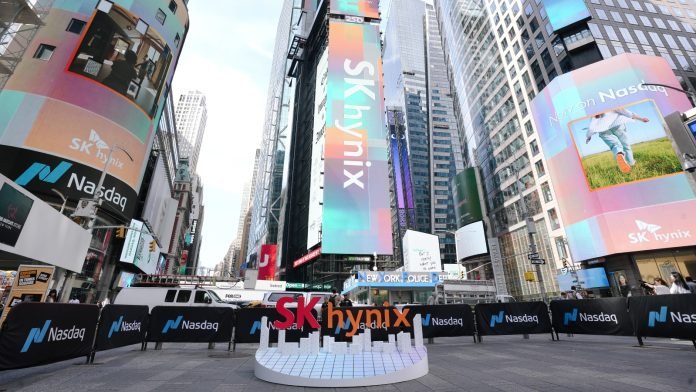
From launching rockets to opening markets, @SpaceX joins Nasdaq. $SPCX pic.twitter.com/J0ga05fLVY
— Nasdaq (@Nasdaq) June 12, 2026