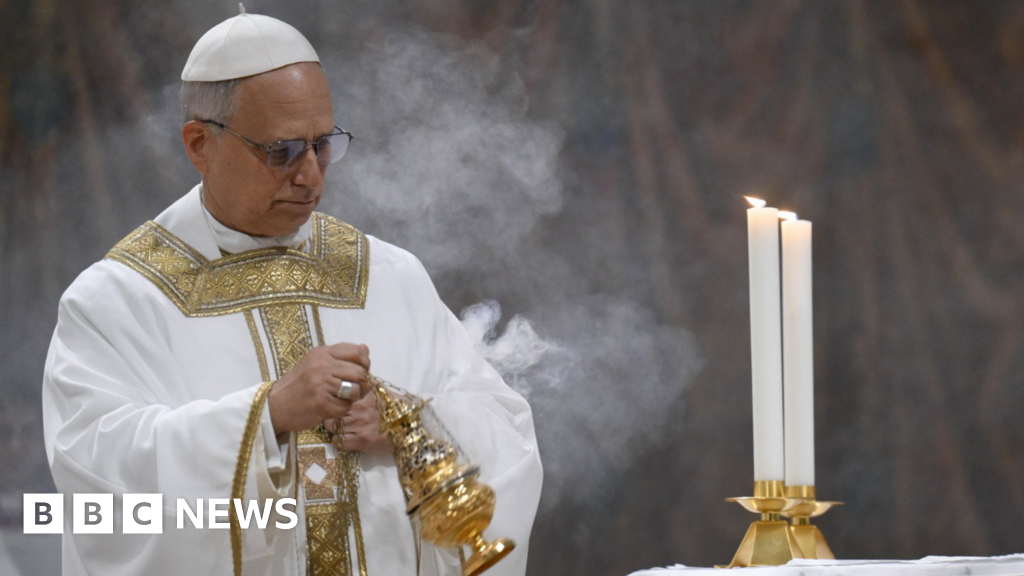
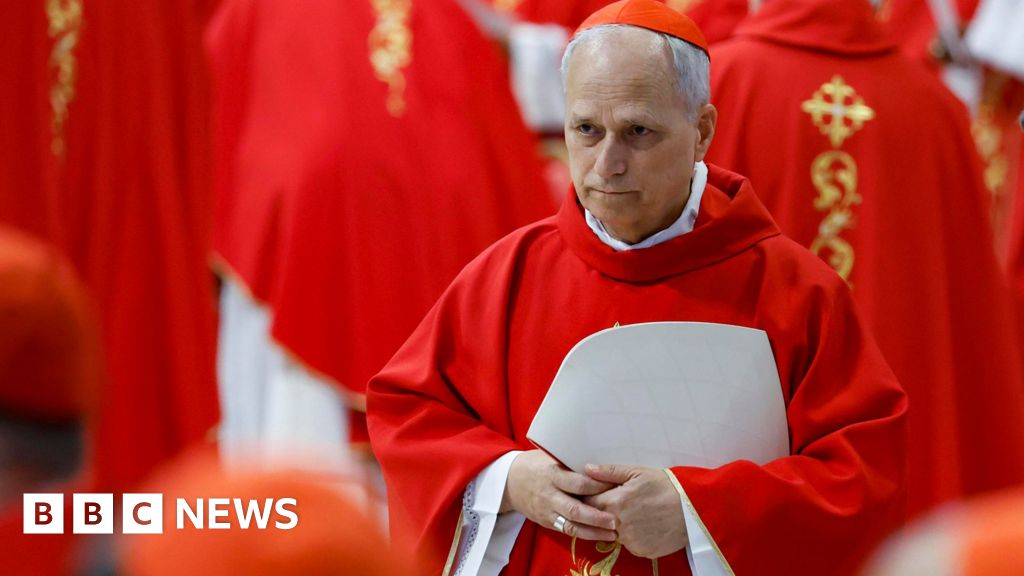
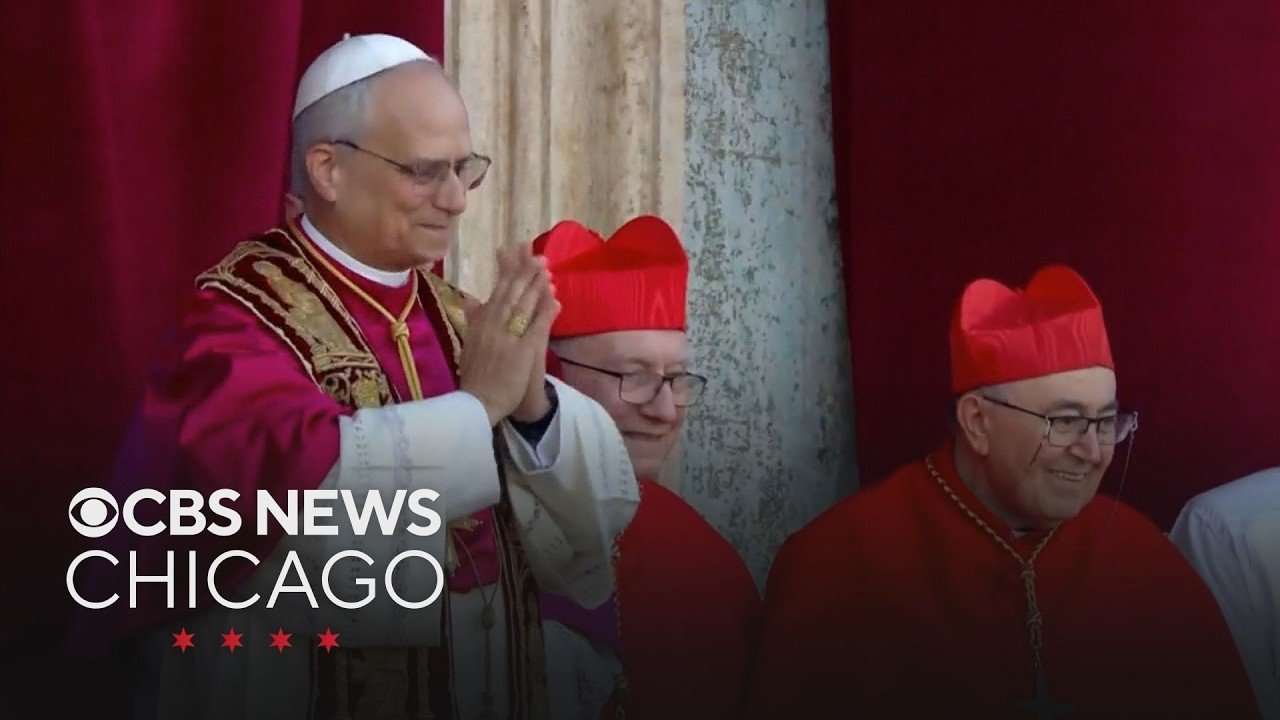
Robert Francis Prevost, a Chicago-born cardinal with decades of missionary work in Peru, was elected pope on 8 May 2025, becoming Pope Leo XIV and the first pope born in the United States in the Catholic Church’s nearly 2,000-year history.
The two-day conclave, held in the Sistine Chapel after the death of Pope Francis on 21 April, brought together 133 of the 135 eligible cardinal electors. Prevost was chosen after four rounds of voting, securing the required two-thirds majority and emerging as a consensus candidate after serving as prefect of the Dicastery for Bishops and president of the Pontifical Commission for Latin America.
His election also made him the first North American pontiff and the second consecutive pope from the Americas, following Francis. Prevost holds dual US-Peruvian citizenship, shaped by years of missionary work in Peru and a pastoral career that gave him broad international credibility.
First words and early message
After accepting the election, Prevost took the name Leo XIV. In his first Sunday Angelus on 11 May from St. Peter’s Square, he called for world peace and urged global leaders to choose dialogue and reconciliation over division and violence.
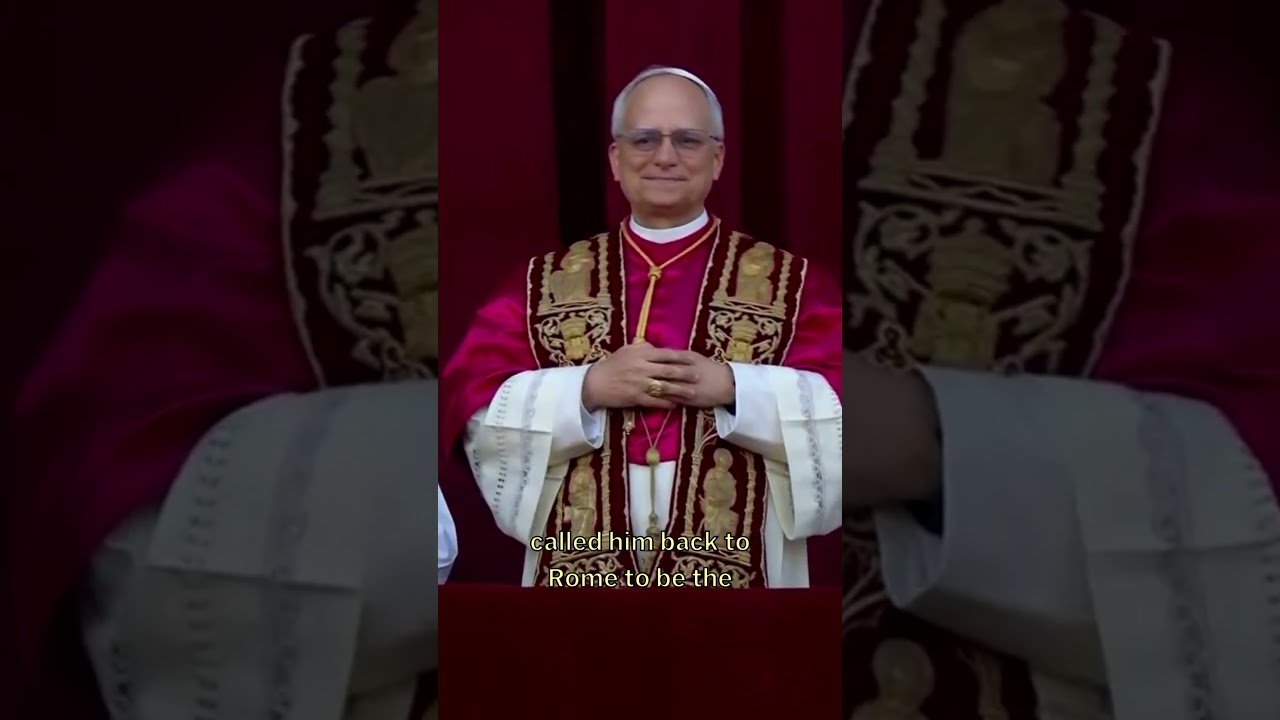
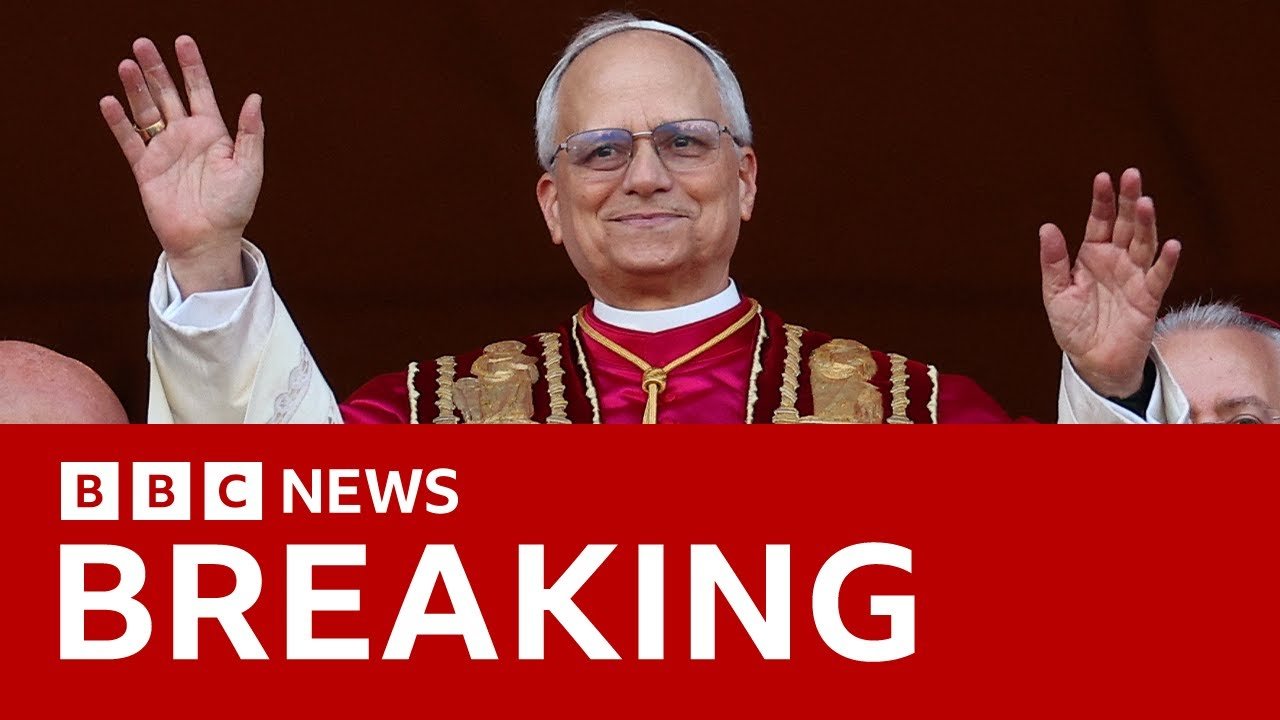
Tens of thousands gathered in the square to hear his first public blessing, Urbi et Orbi — “to the City and to the World.” In his opening remarks, Leo XIV emphasized humanitarian outreach, environmental care and interfaith cooperation, signaling continuity with Francis’s focus on mercy and social justice.
A global papacy
Leo XIV’s election underscores the increasingly international character of the modern papacy. His background as an Augustinian missionary, combined with his experience in Church governance, helped position him as a stable choice after Francis’s long and eventful pontificate.
His selection also broke a longstanding Vatican hesitation about electing a pope from the United States, a superpower whose global influence had long been seen as a potential complication. Yet Prevost has been widely described as a figure who transcends national identity — a leader shaped more by Peru, Rome and the wider Church than by his American roots.
Why it matters
Leo XIV’s election marks a historic shift for the Catholic Church and reflects a broader emphasis on global Catholicism beyond Europe. His early messages suggest a papacy focused on peace, unity and pastoral care at a time of deep political and social fragmentation worldwide.
I would also like to address the powerful people of the world, repeating the always current call: ‘no more war’
Pope Leo XIV in his first address
Read more: Pope Francis died on Easter Monday aged 88