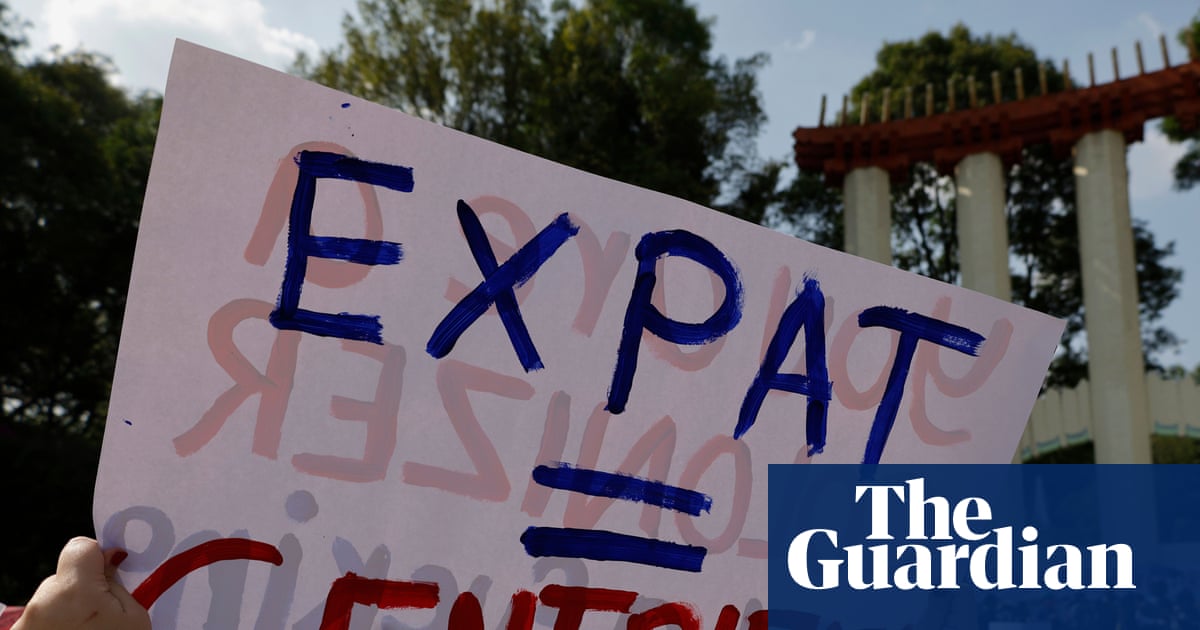
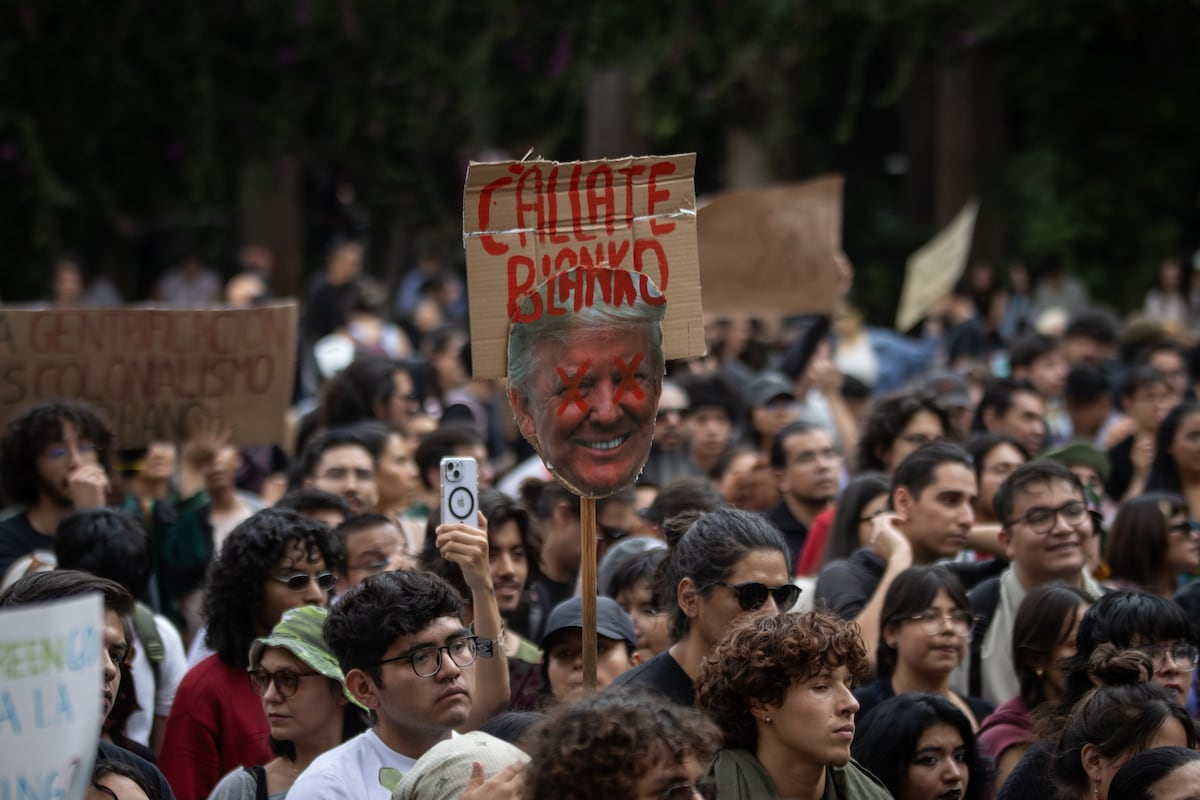
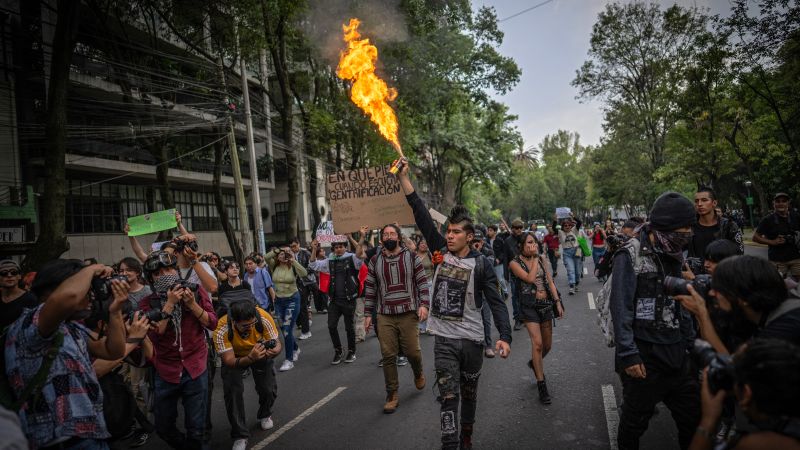
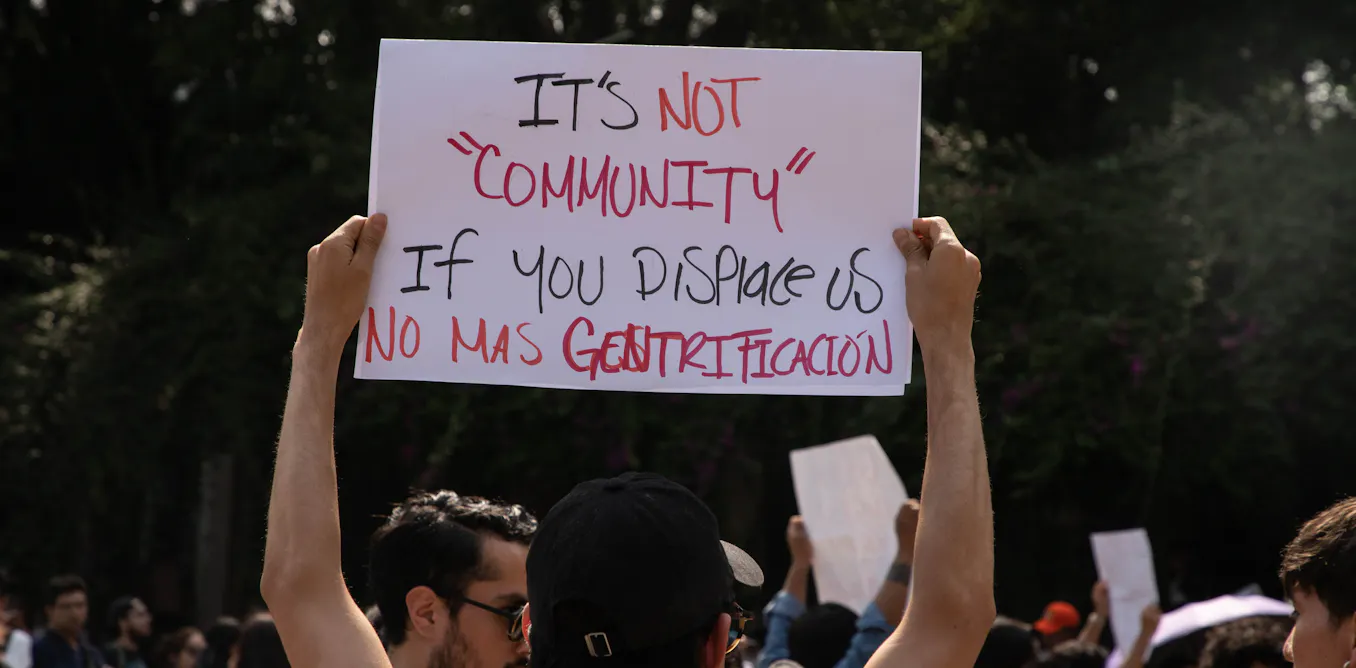
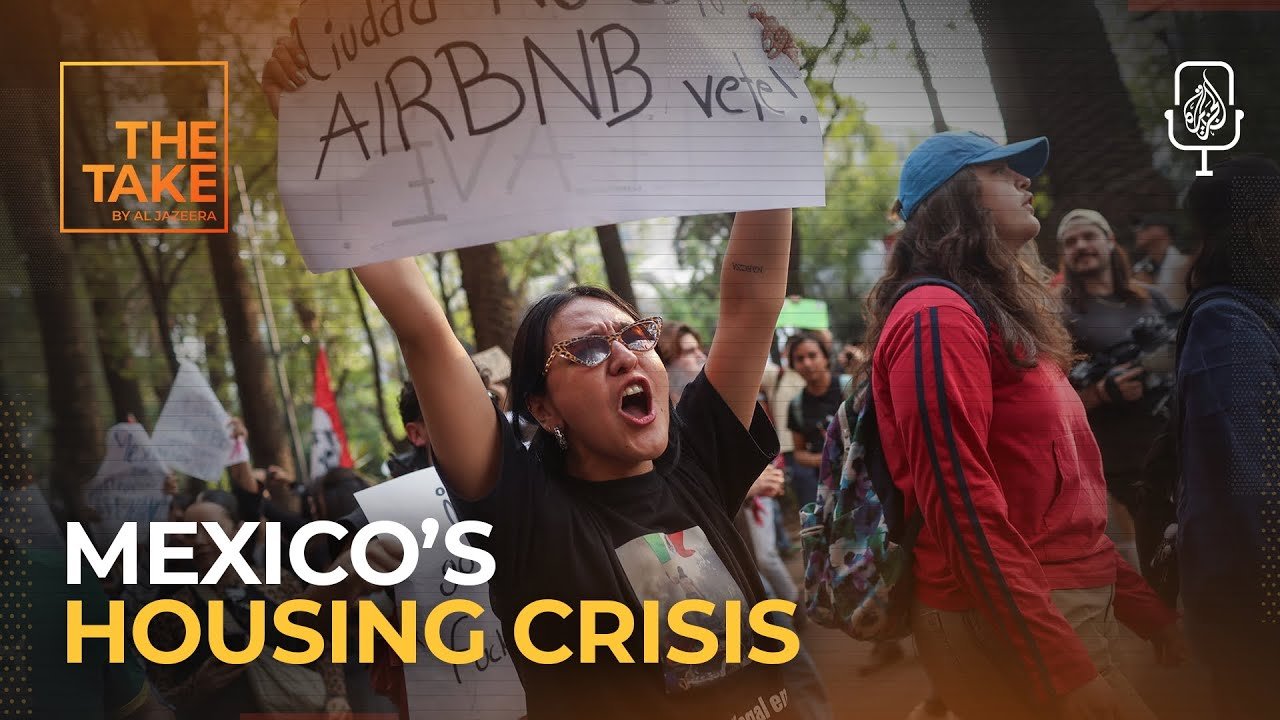
Mexico City has been rocked by a wave of anti-gentrification protests since July 2025, as residents push back against rising rents, short-term rentals, and the growing presence of foreign digital nomads in once-local neighbourhoods.
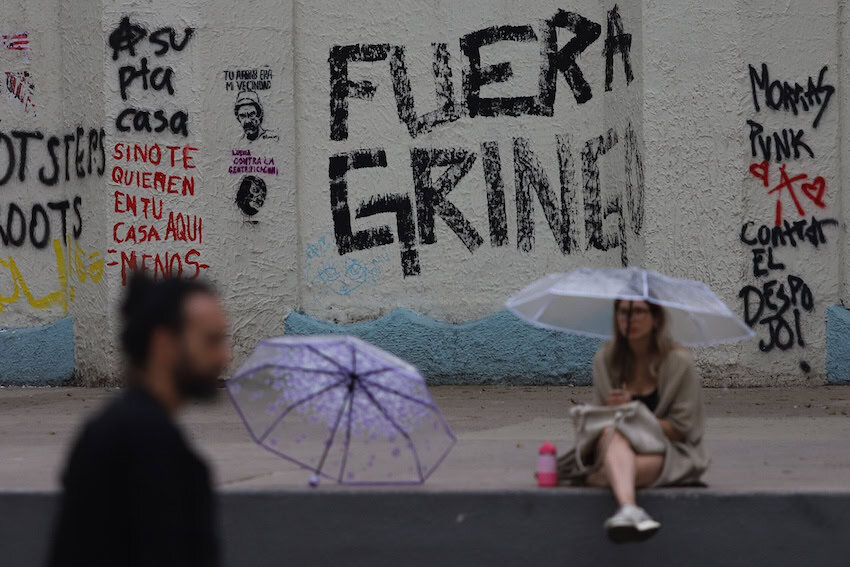
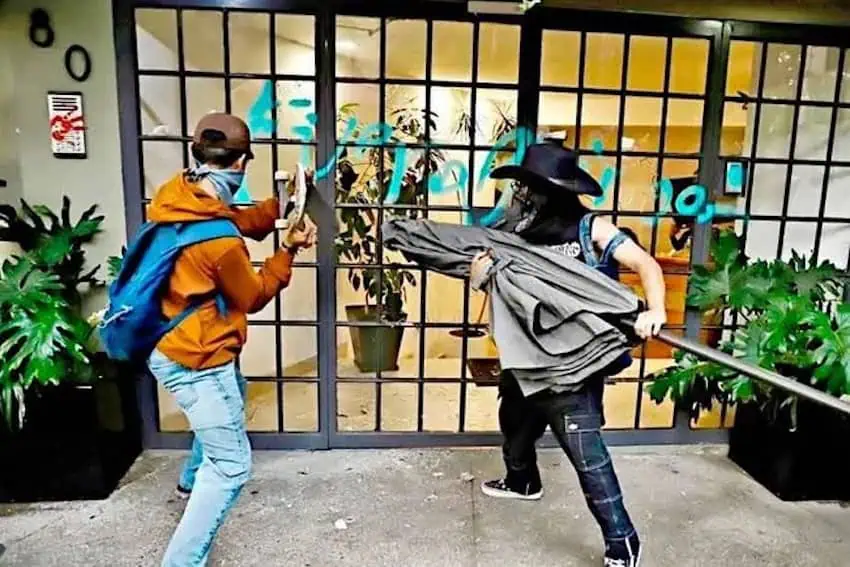
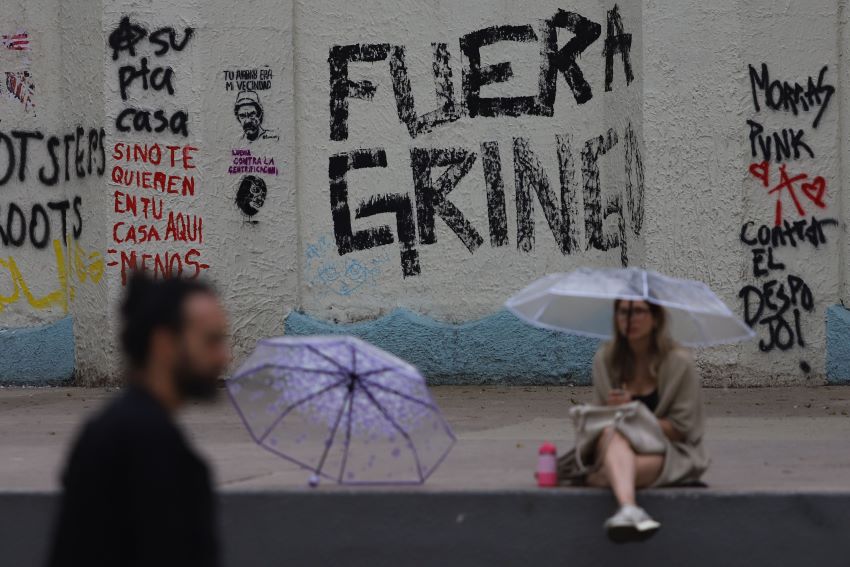
The first major rallies erupted on 4 July 2025 in Roma Norte and Condesa, two of the city’s most popular areas. While initially peaceful, some demonstrations turned violent, with protesters smashing storefronts, including a Starbucks, and spray-painting anti-foreigner slogans such as Kill Gringos and Death to Airbnb.
Over the following weeks, vandalism spread to cultural and public spaces. Protesters targeted a museum, bookshop, and metrobus station in Tlalpan, and later damaged the University Museum of Contemporary Art at UNAM, leaving graffiti reading Mexico for Mexicans and Housing is a right, not a business.
A third march along Paseo de la Reforma focused on what organisers called American imperialism and its role in driving up housing costs.
The movement, largely led by groups such as Frente Anti Gentrificación Mx, accuses the city government of prioritising foreign investment over local needs.
Key grievances
Protesters point to a sharp decline in housing affordability. Since 2005, housing costs have risen 286 percent, while real wages have fallen 33 percent.
Activists blame short-term rental platforms, particularly Airbnb, for removing long-term housing from the market, with more than 26,500 listings concentrated in areas such as Roma and Polanco.
Critics also target a 2022 agreement between the city government, Airbnb, and UNESCO aimed at attracting remote workers, arguing it accelerated displacement.
Many residents say they feel like outsiders in their own neighbourhoods as local shops give way to upscale galleries and English becomes more common on the streets.
Government response
Mexican President Claudia Sheinbaum and Mexico City Mayor Clara Brugada have condemned the xenophobic elements of the protests while acknowledging the underlying housing crisis.
In July 2025, the city unveiled a fourteen-point plan titled Bando 1: For a Livable and Affordable City with Local Identity and Roots, focused on stabilising rents, regulating short-term rentals, and expanding public housing.
The plan includes strict enforcement of rent increase caps tied to inflation and a proposed Fair, Reasonable, and Affordable Rents Act for 2026 to formalise rent controls. A new Rental Price Index will identify areas under real estate pressure and set baseline prices based on local income. Stricter limits on short-term rentals will be introduced, including bans on renting properties for more than half the year in certain zones.
A new Tenant Rights Ombudsman will be created to protect against illegal evictions and landlord abuse. The government also announced over 600 million pesos in public housing investment to build or renovate 20,000 rental units, with rents capped at 30 percent of family income. A displacement census will be conducted to track forced moves and explore subsidy options for returning residents.
The plan targets neighbourhoods in Cuauhtémoc and Miguel Hidalgo, including Roma, Condesa, Juárez, Escandón, and San Miguel Chapultepec, described as zones of real estate tension. The city also plans to provide seed capital and incentives to help traditional local businesses survive rising commercial rents.
Broader implications
The unrest highlights the social costs of rapid urban transformation driven by global remote work trends and short-term rental markets.
While the government’s plan aims to balance economic development with local needs, tensions remain high as residents, businesses, and foreign newcomers navigate a rapidly changing city.
Read also:
Assassination of Mayor Carlos Manzo sparks Gen Z-led protests in Mexico
Druglord El Mencho killed by Mexican Special Forces