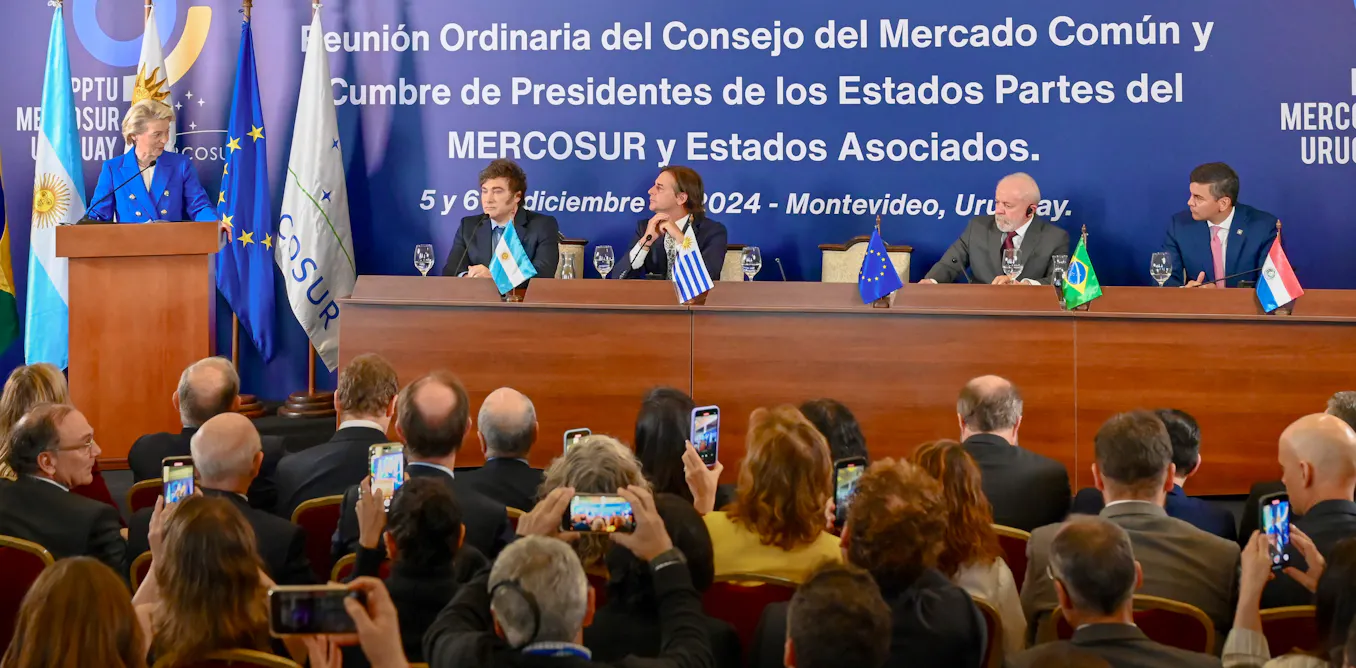
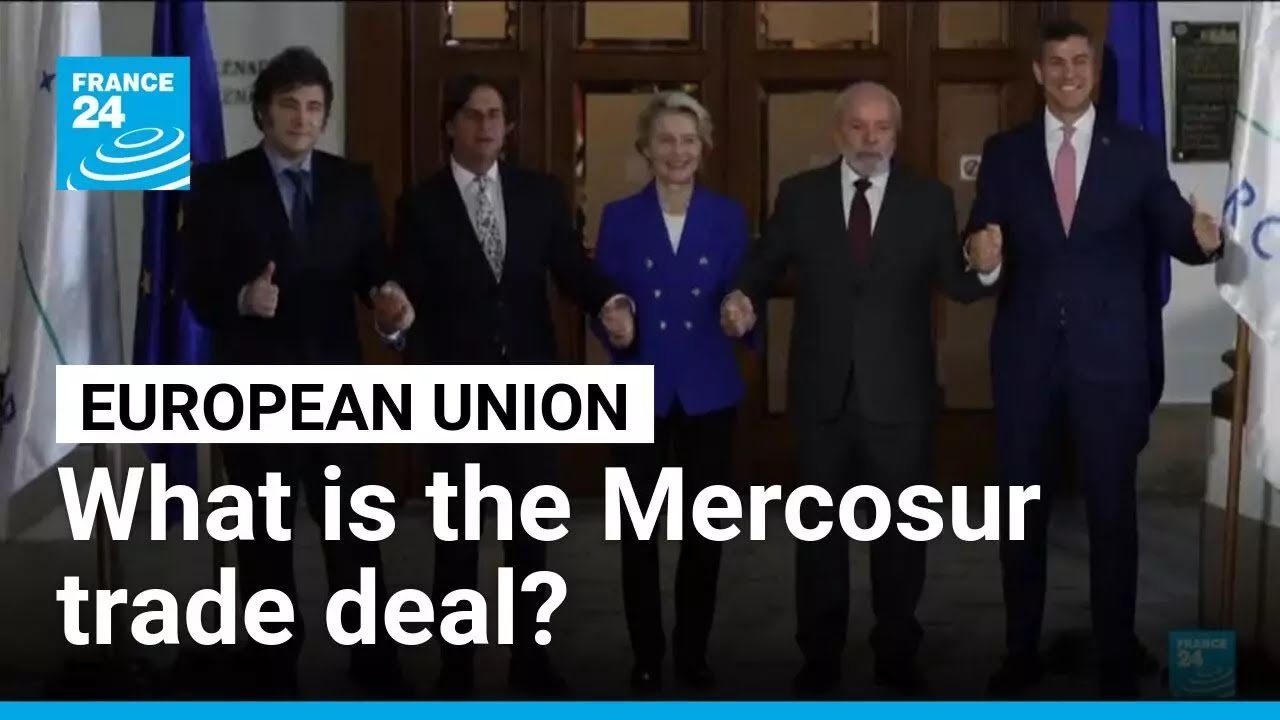
European and South American leaders have concluded a landmark free trade agreement, setting the stage for the European Union’s largest trade pact to date amid rising tariff tensions and growing uncertainty over global economic cooperation.
The EU-Mercosur Free Trade Agreement (FTA) was formally signed on January 17, 2026 in Asunción, Paraguay, after more than 25 years of negotiations. The deal establishes one of the world’s largest free-trade zones, covering more than 700 million people and a combined GDP of over $21trillion.
25-Year Negotiation ends
Finalized on Saturday, the deal between the 27-member EU and South America’s Mercosur bloc marks the end of 25 years of negotiations and establishes one of the world’s largest free trade zones. It aims to reduce tariffs and expand commerce between the two regions, though it still requires approval from the European Parliament and ratification by the legislatures of Mercosur’s four members, namely: Argentina, Brazil, Paraguay, and Uruguay.
Together, the EU and Mercosur represent about 30 percent of global GDP and a consumer base of more than 700 million people. The pact, which removes tariffs on over 90 percent of traded goods, is projected to take effect by the end of 2026. It will benefit European exports such as cars, wine, and cheese, while easing access for South American products including beef, poultry, sugar, rice, honey, and soybeans.
Deal split into interim trade agreement and partnership agreement
The deal is split into an Interim Trade Agreement (ITA) for immediate economic benefits and a broader Partnership Agreement (EMPA) for long-term political cooperation. The agreement eliminates tariffs on 91% of EU goods exported to Mercosur and 92% of Mercosur goods exported to the EU. Tariffs of 35% on cars will be phased out over 15 years, with a transitional quota of 50,000 units at half the standard rate available for the first seven years. Machinery & Chemicals duties ranging from 14% to 20% will be eliminated, mostly within 10 years. Pharmaceuticals current tariffs up to 14% will be abolished. The EU will remove 95% of industrial tariffs within 10 years for Mercosur exports.
Beef, poultry, sugar quotas; €1billion reserve for EU farmers
Sensitive agricultural products are managed through Tariff-Rate Quotas (TRQs) and a reinforced “Rapid Response” safeguard mechanisms.
- Beef: 99,000 tonnes annually at a 7.5% duty, phased in over six stages.
- Poultry: 180,000 tonnes, entirely duty-free, phased in over five years.
- Sugar: 180,000 tonnes of Brazilian cane sugar will become duty-free (replacing existing WTO-rate quotas).
- Ethanol: A total of 650,000 tonnes, including 450,000 tonnes specifically for the chemical industry.
A €1billion financial reserve has been established for market disturbances. Safeguards can be triggered if imports rise by 5% while prices drop by 5% compared to a three-year average.
Mercosur opens government contracts to EU firms for first time
For the first time, Mercosur countries will open their government contracts to European firms on equal terms with local companies. EU firms can bid for contracts in sectors like public transport, medical devices, and power generation.
Brazil’s federal market alone is worth over €8billion annually. The deal facilitates cross-border trade and establishment in financial services, telecommunications, and maritime transport. Specific provisions simplify customs and technical requirements, helping the 30,000 plus EU SMEs currently exporting to the region.
Compliance with Paris Agreement compliance essential
The 2024–2026 revisions made environmental commitments central to the deal’s legality. Compliance with the Paris Agreement is an “essential element,” meaning a breach could lead to the suspension of trade concessions.
The agreement includes a specific annex committing parties to halt illegal deforestation by 2030. All Mercosur imports must strictly adhere to EU food safety rules, including bans on specific pesticide residues.
Farmers protest, environmental groups accuse “greenwashing”
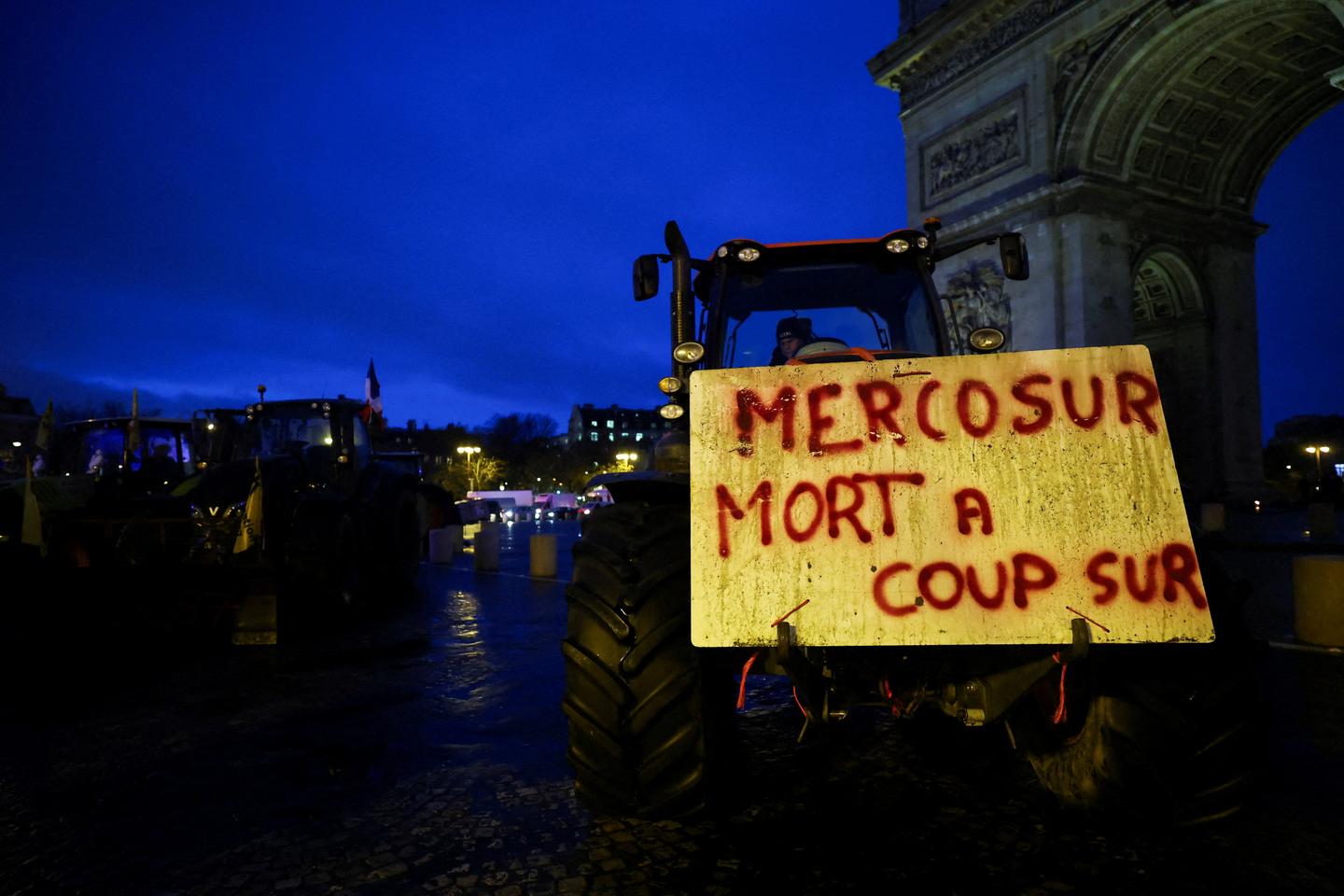
The most vocal opposition came from European farmers, particularly in France, Ireland, and Poland, who feared that cheaper South American imports would undercut their livelihoods. Farmers argued they were subject to stricter EU rules on pesticides, animal welfare, and land use, while Mercosur producers operated under more relaxed standards, creating “unfair competition.”
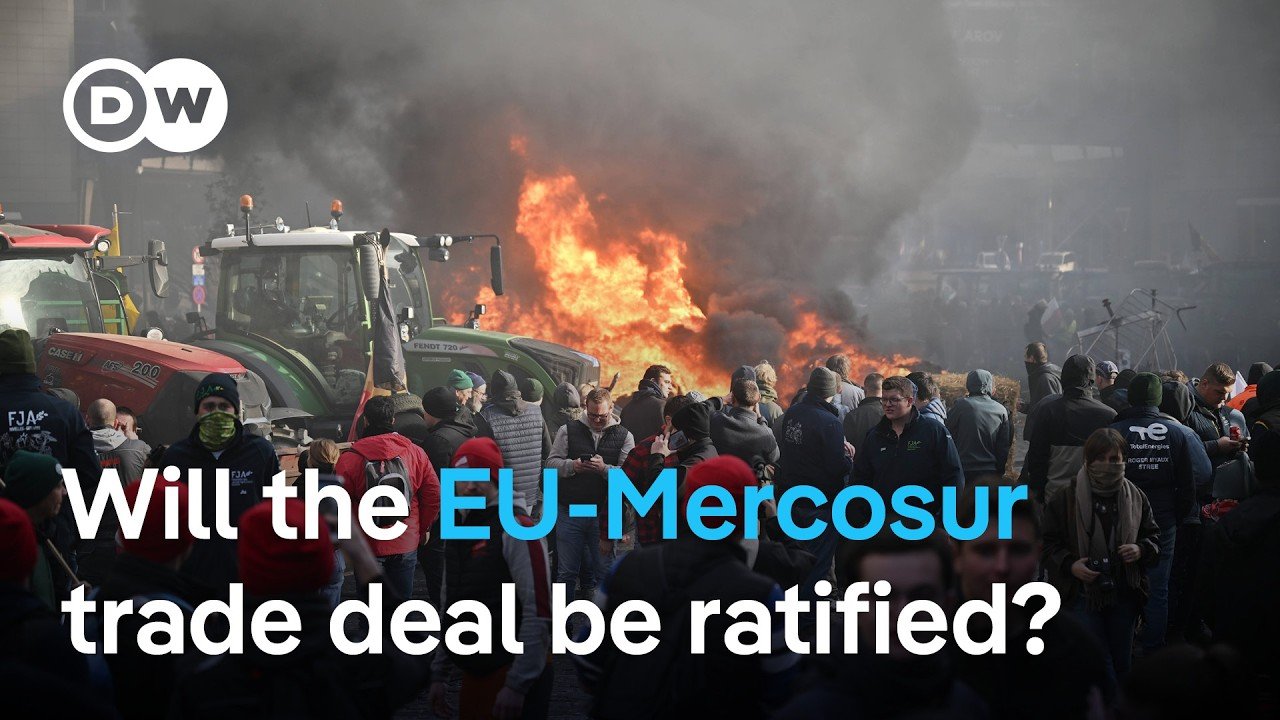
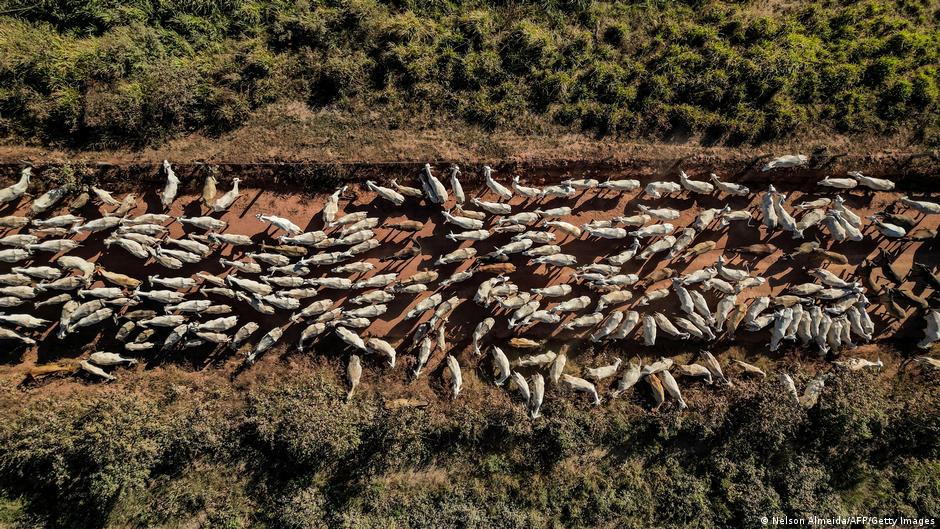
Specific concerns were raised about the use of chemicals and hormones in Mercosur cattle that are banned in the EU. In late 2025 and early 2026, thousands of farmers staged massive protests across Europe, blockading roads and government buildings in cities like Brussels and Paris to demand stronger safeguards.
European environmental groups and several member states (led by France and Austria) blocked the deal for years, citing the risk of accelerated Amazon deforestation. Critics claimed the initial 2019 agreement lacked binding enforcement for the Paris Agreement.
Even as Amazon deforestation rates dropped in Brazil, concerns shifted toward other ecosystems like the Cerrado savanna and the Gran Chaco, which were not as well protected by the EU’s Deforestation Regulation (EUDR). To overcome this, the EU demanded an “additional instrument” that introduced legally binding sustainability and anti-deforestation commitments.
“Split” strategy to bypass French veto
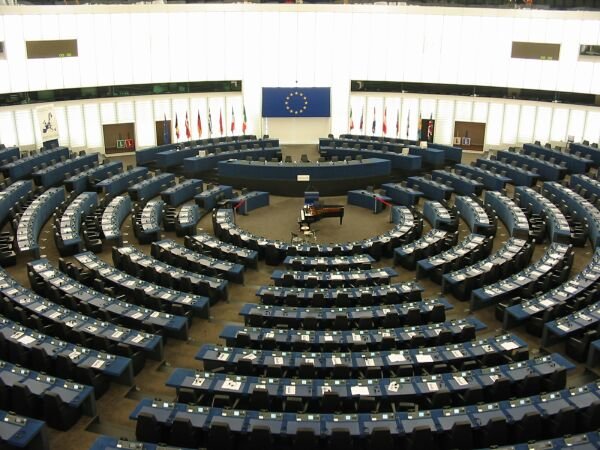
To bypass a potential veto from France, the European Commission pursued a “split” legal structure in 2025, which itself became a major hurdle. By separating the agreement into a trade-only pillar (Interim Trade Agreement) and a broader partnership pillar, the Commission allowed the trade section to be approved by a Qualified Majority in the Council and a vote in the European Parliament, rather than requiring unanimous approval from all 27 national parliaments.
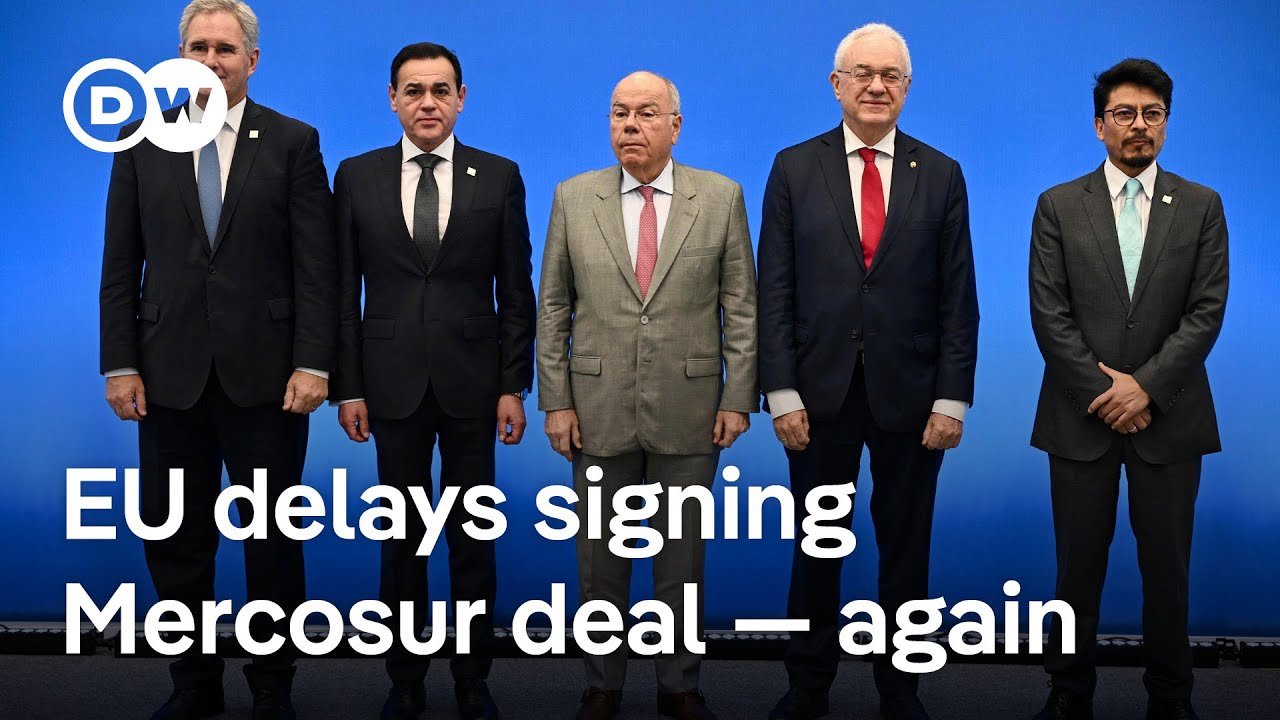
This move faced a backlash from the European Parliament. In January 2026, a narrow vote referred the agreement to the European Court of Justice (ECJ) to determine if the Commission’s “split” method was legally valid, causing a last-minute pause just before the formal signing.
Geopolitical push from global protectionism
Negotiations were often stalled by the internal politics of Mercosur, including the anti-globalist stance of former Brazilian President Jair Bolsonaro (which triggered the initial EU freeze in 2019) and later, the economic shifts under Argentina’s Javier Milei.
Ultimately, the rise of global protectionism and growing Chinese influence in South America provided the final “geopolitical push” for EU leaders to overcome domestic opposition and sign the deal.