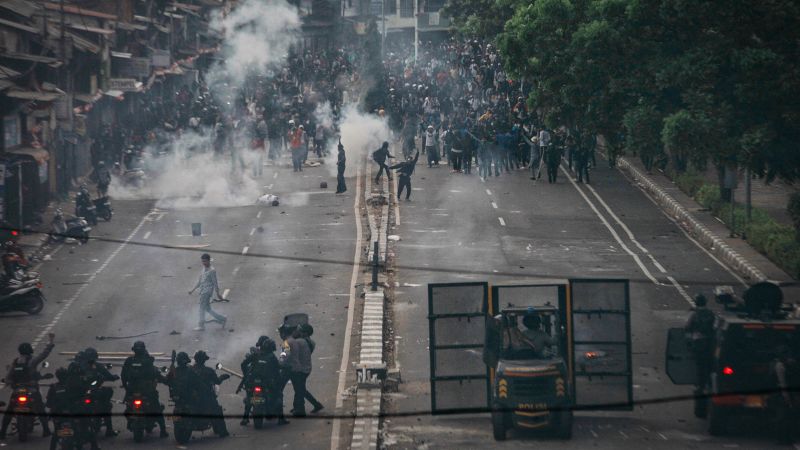
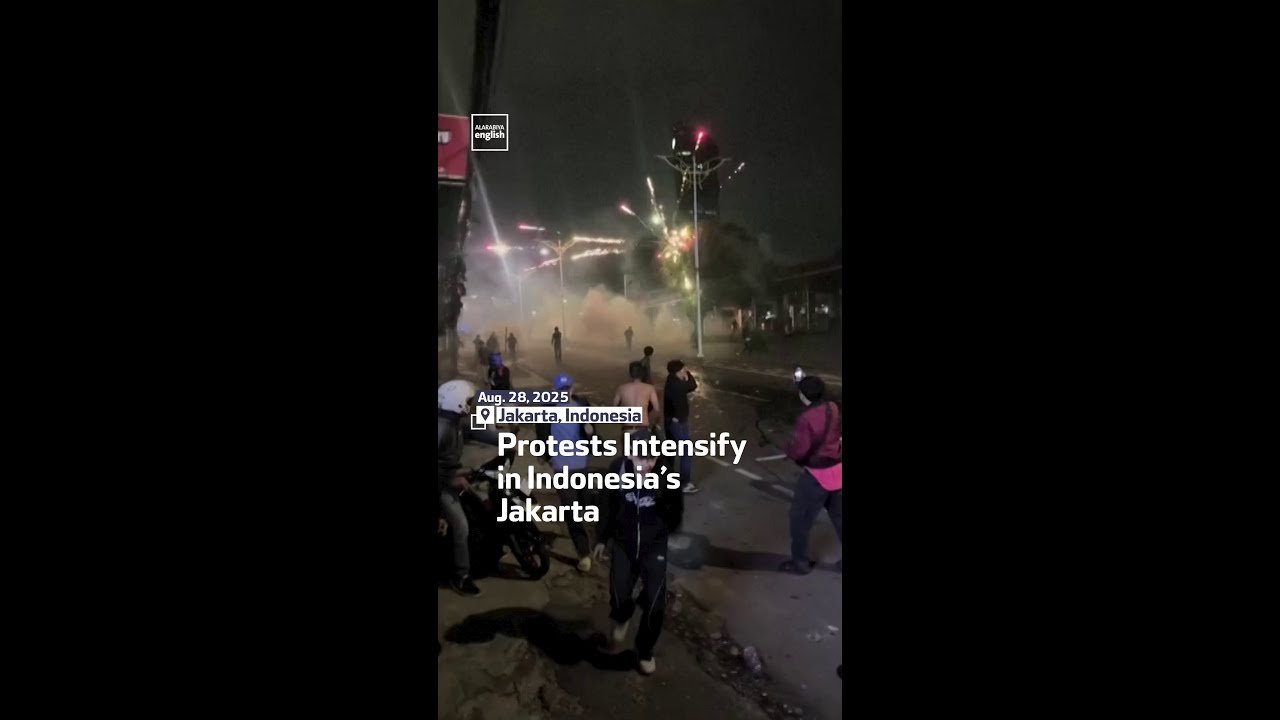
Indonesia was rocked by its most serious wave of civil unrest in decades in August and September 2025, as protests driven by economic grievances and anger over political elites escalated into nationwide riots.
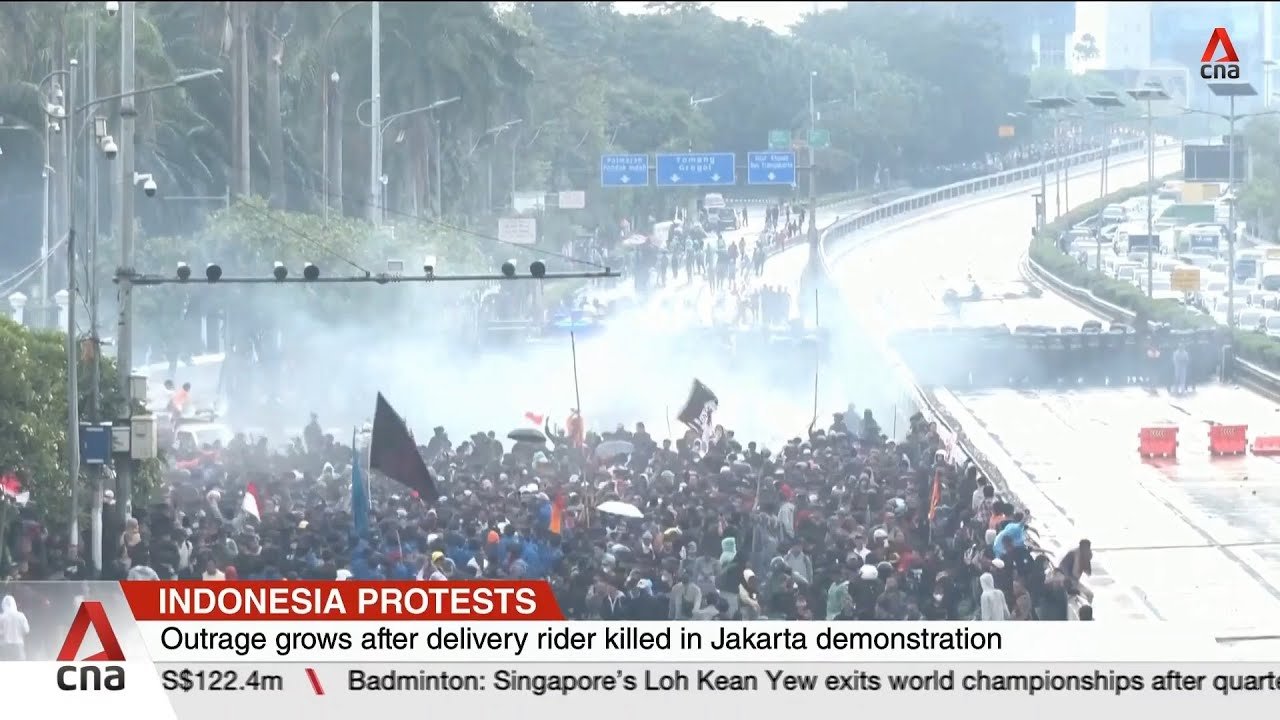
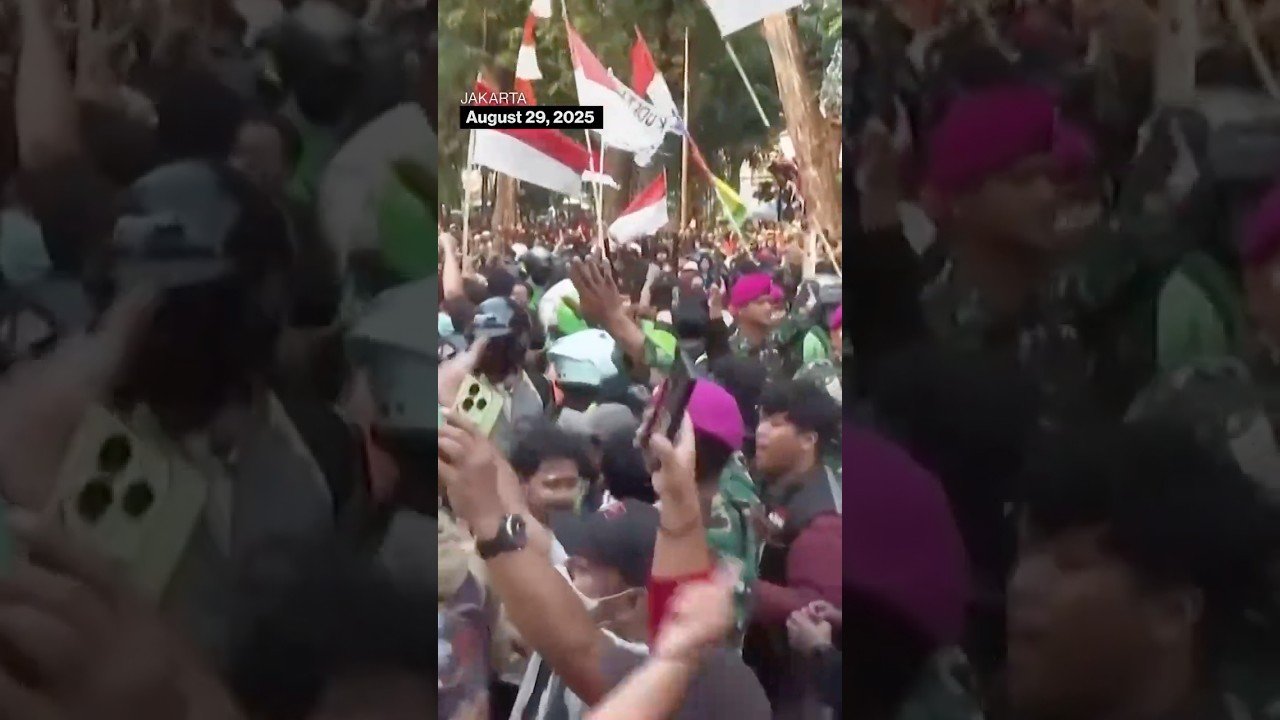
The unrest began in early August in Central Java’s Pati Regency, where protests erupted over a sharp increase in land and building taxes. Demonstrations quickly spread to Jakarta and other major cities, fuelled by broader frustration over inequality and a proposed housing allowance for lawmakers.
Tensions escalated dramatically after the death of Affan Kurniawan, a 21-year-old Gojek driver who was struck by a police tactical vehicle during a protest in Jakarta. His death became a flashpoint, triggering widespread outrage and intensifying demonstrations.
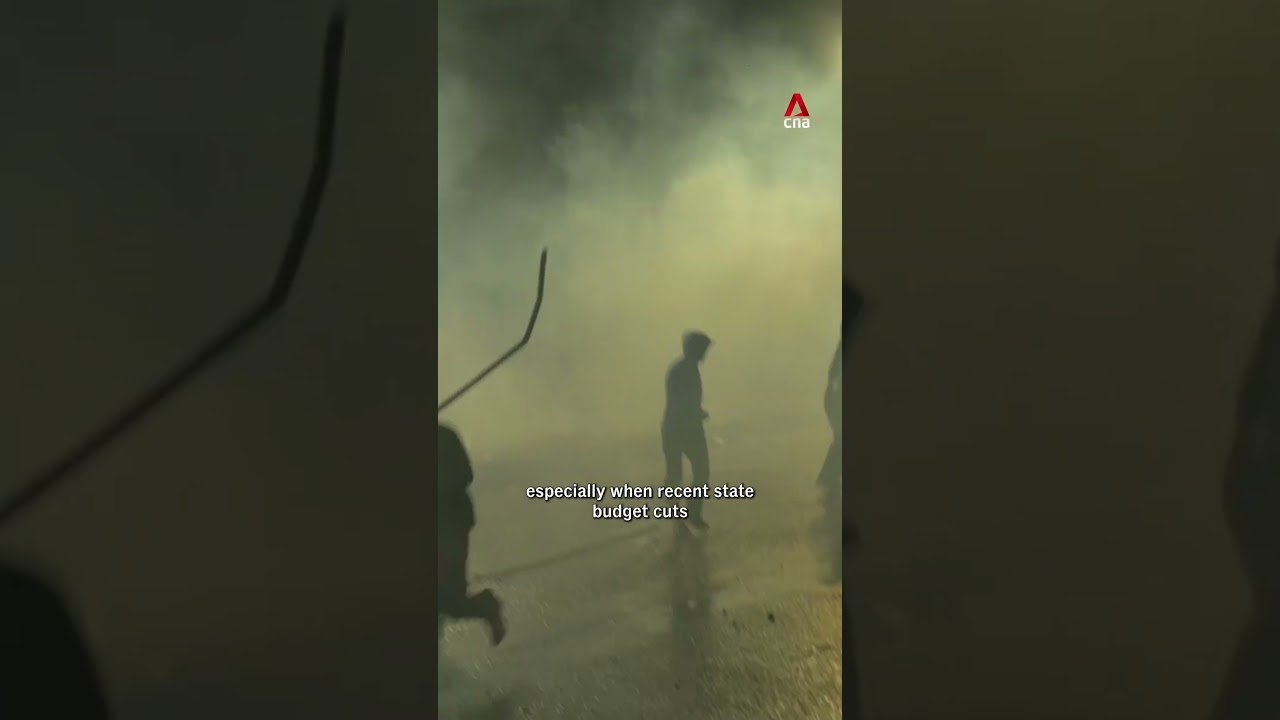
Violence soon spread nationwide. Protesters set fire to government buildings, including provincial legislatures in West Java and Makassar, and targeted properties linked to political figures. Clashes with security forces resulted in at least 10 deaths, more than 1,200 arrests, and extensive damage to infrastructure.
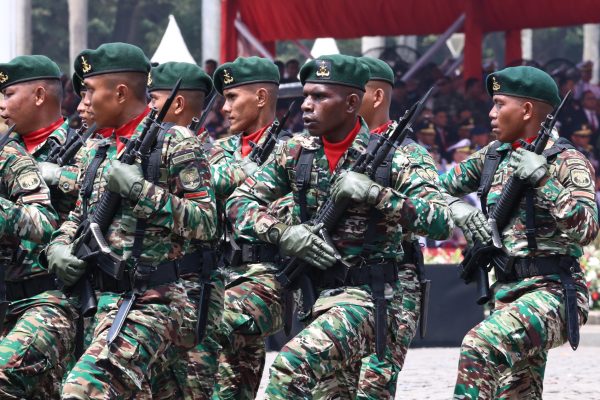
President Prabowo Subianto cut short an overseas trip to manage the crisis, ordering security forces to restore order while also scrapping the controversial lawmaker benefits in an effort to calm public anger.
What drove the unrest
The protests reflected a convergence of economic pressure and political discontent.
Public anger centred on perceived elite privilege, with lawmakers criticised for maintaining generous benefits amid rising living costs. The issue became symbolic of a wider disconnect between political leaders and ordinary citizens.
Allegations of police brutality further escalated tensions, with reports of excessive force, including the use of tear gas and mistreatment of detainees, prompting calls for systemic reform of the national police.
The movement also adopted distinctive protest symbols, including imagery drawn from popular culture, which authorities at times characterised as subversive.
Aftermath and response
In the months following the riots, the government launched a broad crackdown while also introducing political and institutional changes.
Thousands were arrested nationwide, marking one of the largest security responses since the Reformasi era. By late 2025, hundreds of protesters still faced serious charges.
Authorities took limited disciplinary action against police personnel linked to high-profile incidents, including the dismissal of an officer connected to Kurniawan’s death.
President Prabowo reshuffled his cabinet, replacing several ministers and expanding the structure of government in an attempt to stabilise his administration and restore confidence.
Institutional and policy shifts
The crisis accelerated a series of governance changes that drew mixed reactions.
Plans were announced to establish a police reform body, though rights groups questioned the depth of proposed changes. At the same time, revisions to military laws expanded the armed forces’ role in civilian institutions, raising concerns about increased militarisation.
Measures to control unrest also extended into the digital sphere, including temporary platform restrictions and controversial crowd-control tactics.
Economic impact
The riots caused significant economic disruption, with estimated losses reaching trillions of rupiah, particularly affecting retail and transport sectors in Greater Jakarta.
In response, authorities moved to revise tax policies that had initially sparked protests, while broader economic measures were introduced to support liquidity and business activity.
Broader context
The unrest highlighted underlying structural tensions in Indonesia, including inequality, governance challenges, and the balance between stability and civil liberties.
While large-scale violence subsided by early 2026, the episode left lasting questions about political accountability, institutional reform, and the government’s approach to dissent.
Read also: Ex-Indonesian Minister Nadiem Makarim’s corruption trial