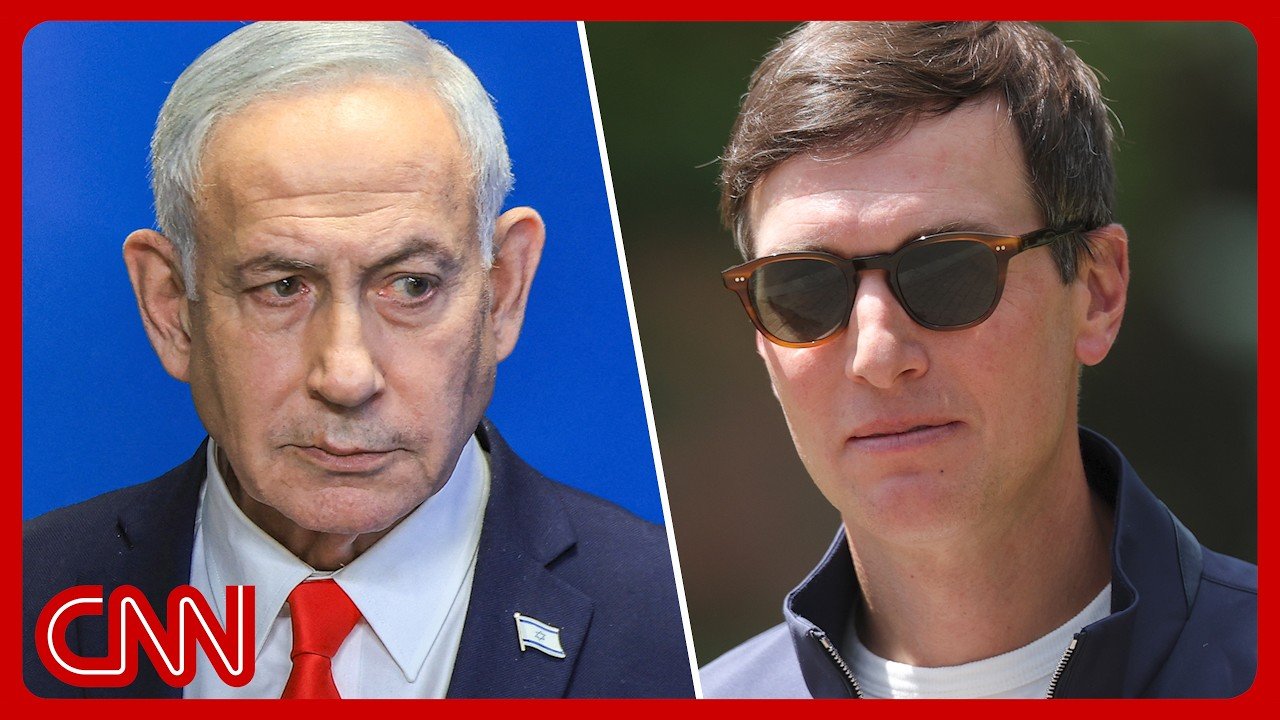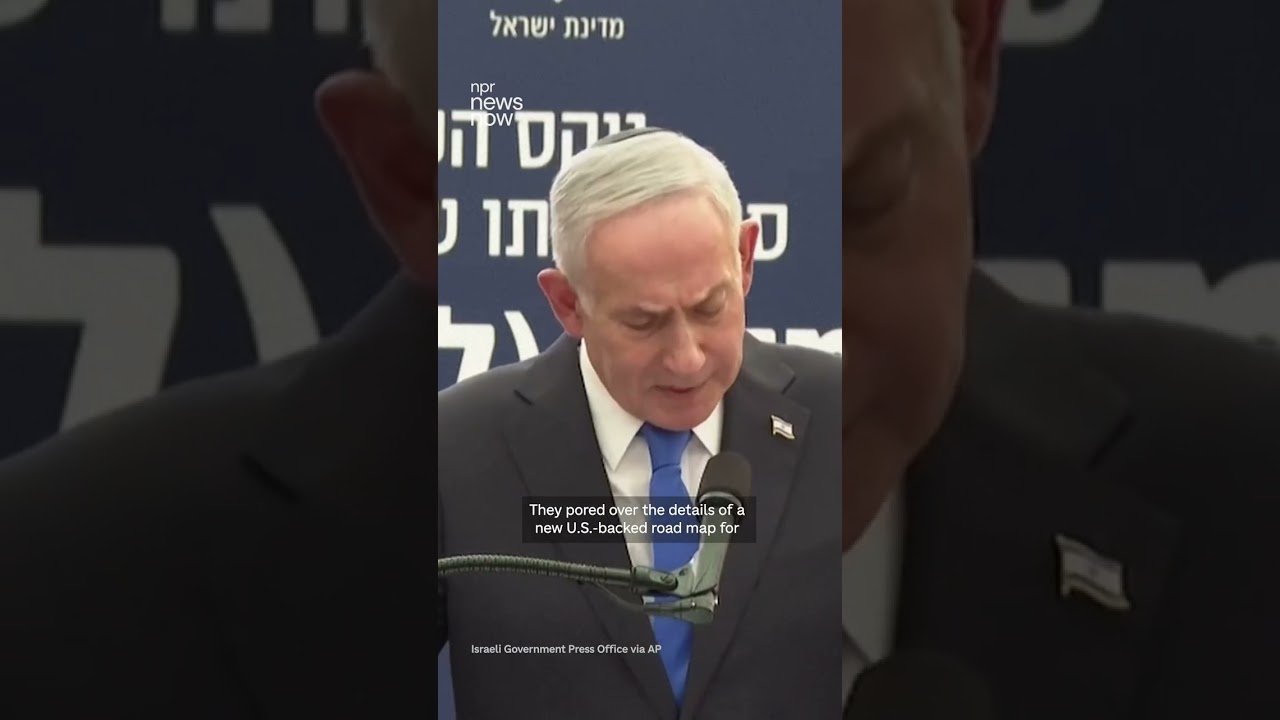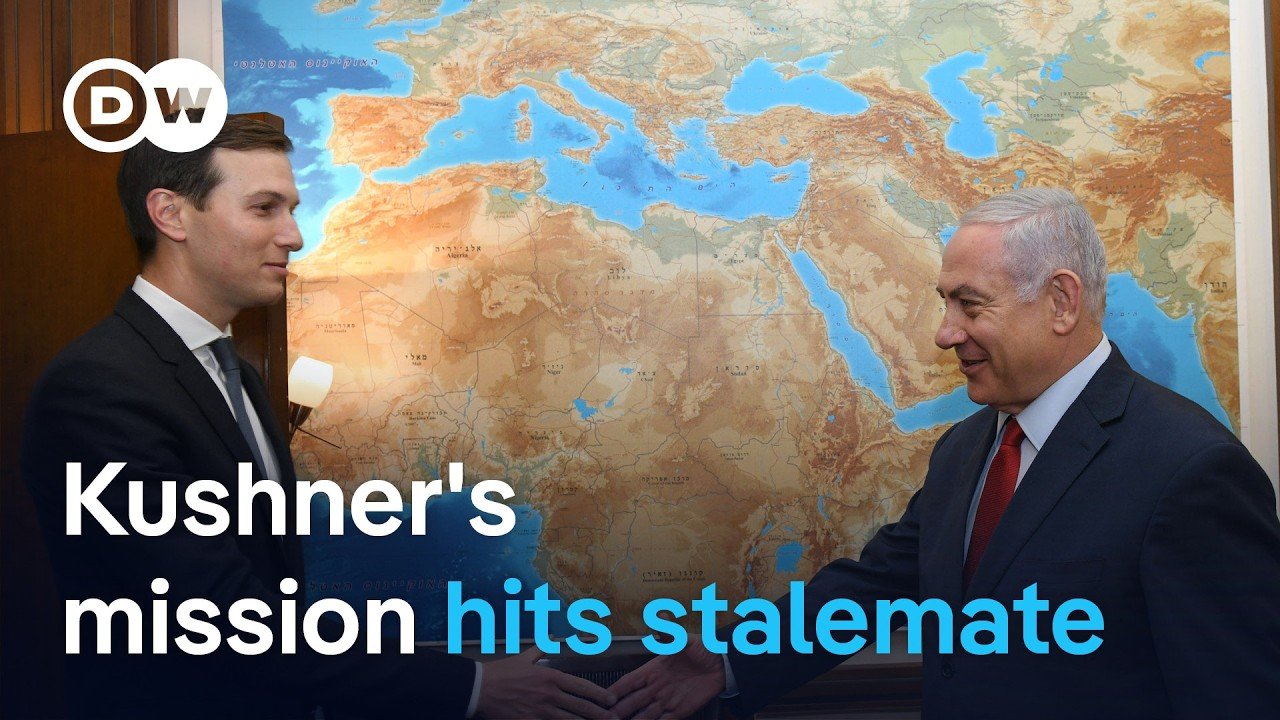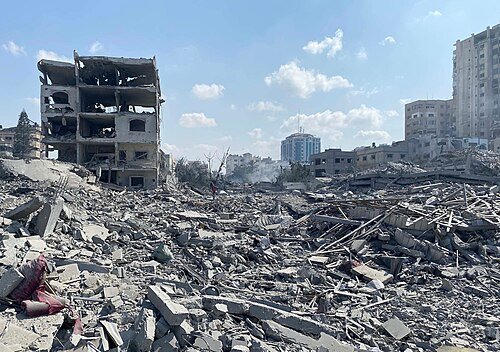



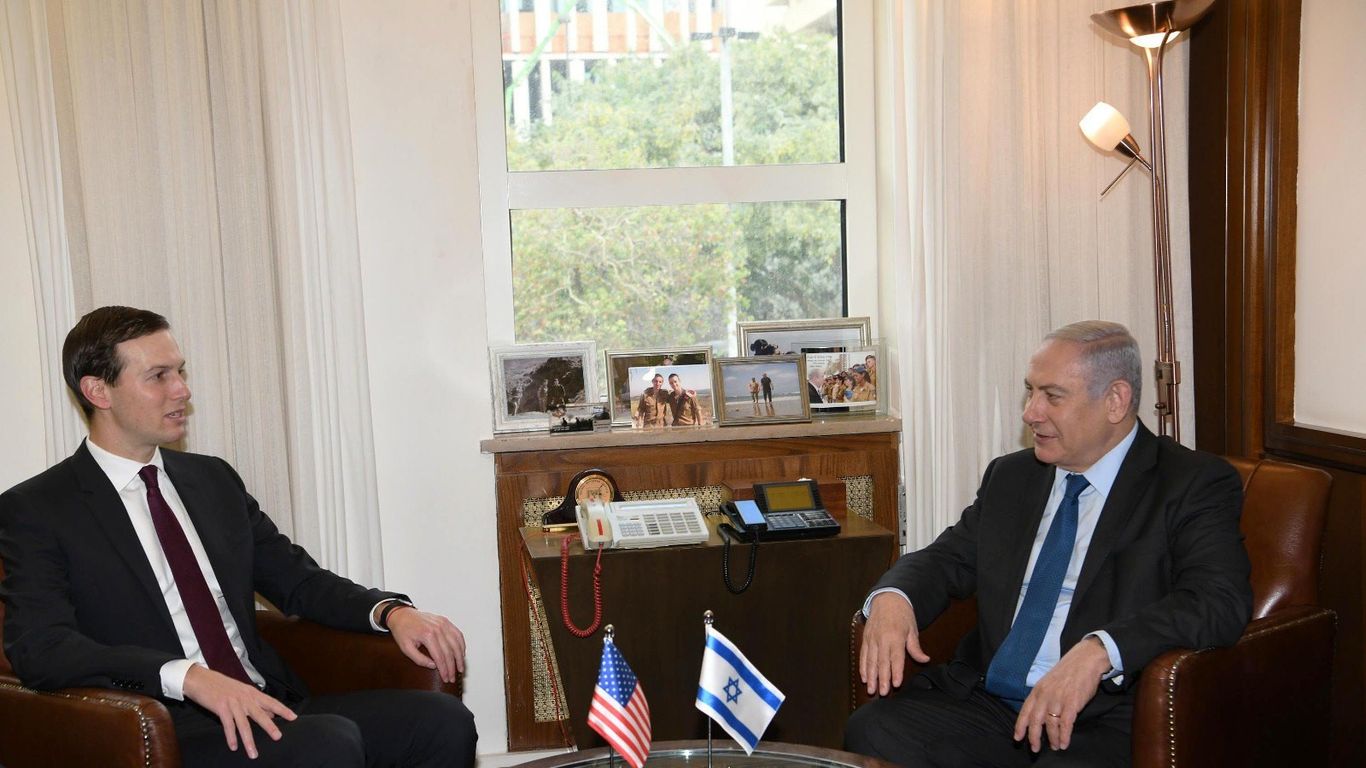





Jared Kushner, US President Donald Trump’s envoy and son-in-law, held rare back-to-back meetings with Hamas leaders in Egypt and Israeli Prime Minister Benjamin Netanyahu in Israel this week in a bid to revive a stalled 15-point Gaza peace plan.
The diplomatic marathon, which took place on August 16 and 17, 2026, ended without a major breakthrough as both sides remained entrenched on the core sequencing issue: disarmament before withdrawal, or withdrawal before disarmament.
The Hamas meeting: A rare direct channel
On Sunday, August 16, Kushner convened with mediators and officials in El-Alamein and Cairo, Egypt, marking one of the most direct high-level US engagements with Hamas since the war began. He was joined by Board of Peace Director-General Nickolay Mladenov, former British Prime Minister Tony Blair, and senior advisers Aryeh Lightstone and Liran Tancman.
The Hamas delegation was led by the group’s political chief, Khalil al-Hayya, and included officials from mediating countries Egypt, Qatar, and Turkey. The discussion focused on translating the US-backed 15-point roadmap into concrete, verifiable actions.
Central to the plan is the decommissioning of Hamas’s weapons and the transfer of governing power to a civilian technocratic body—the National Committee for the Administration of Gaza. Hamas reiterated its commitment to the deal but urged mediators to compel Israel to halt its attacks and withdraw forces first.
The Netanyahu meeting: Pressure and deadlock
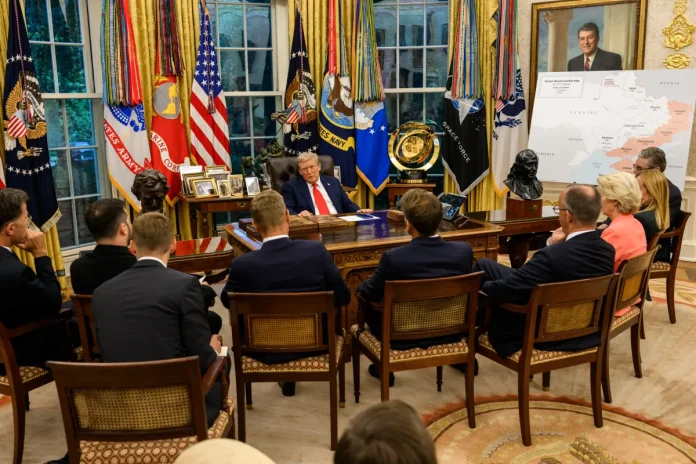
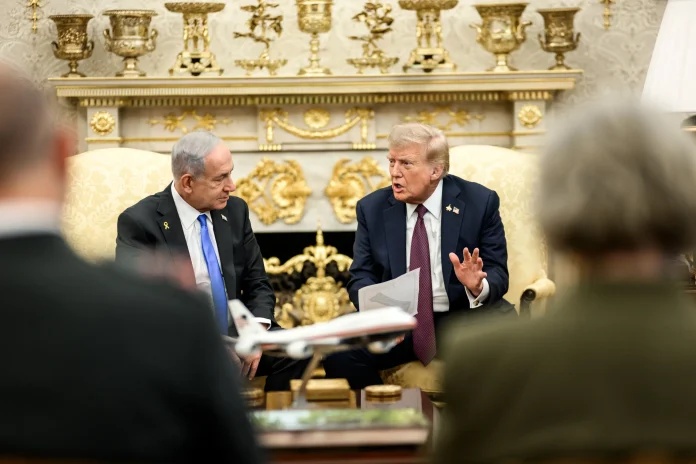
The following day, Kushner travelled to Jerusalem for a four-hour meeting with Prime Minister Benjamin Netanyahu. The US delegation included Mladenov, Blair, Lightstone, and Tancman. Kushner’s objective was to press Netanyahu to accept the framework and avoid creating further obstacles to the peace deal, particularly after Netanyahu’s public rejection of the plan’s sequencing earlier in August.
Netanyahu again insisted that Israel would not withdraw its forces or halt targeted military operations until Hamas was completely disarmed. He also requested that a US general supervise the group’s handover of weapons. An Israeli official described the meeting as “lengthy, in depth, and very productive,” but confirmed there was no breakthrough on the core sequencing dispute.
What was agreed: Working groups and a US General
Despite the deadlock, Kushner and Netanyahu did reach agreement on several procedural steps:
- US general oversight: Both sides agreed that the first step toward demilitarization would require Hamas to hand over its weapons for decommissioning under the supervision of an American military general.
- Two working groups: They agreed to immediately establish joint working groups—one on the disarmament and demilitarization of Gaza, and another on the humanitarian situation and basic needs of the Palestinian enclave, including clean water and sanitation.
- Deconfliction mechanism: A “deconfliction” mechanism would be formed to monitor violations and address Israeli concerns about emerging threats, with Egyptian mediators involved.
- Reconstruction conditional on disarmament: Both sides agreed that no reconstruction of Gaza would begin before Hamas is disarmed.
The sticking points: Sequencing and trust
The primary disagreement remains the timeline of commitments, as outlined in the 15-point roadmap published by Trump’s Board of Peace in late July. The plan links Israeli withdrawal from Gaza to the disarming of all militias, including Hamas, in phases.
It also calls for a temporary peacekeeping body—the International Stabilization Force (ISF)—to deploy to Gaza to secure areas from which Israeli forces withdraw, train new Palestinian police forces, and support aid deliveries.
Domestic pressures and the clock
Netanyahu faces a looming national election on October 27, 2026, and far-right members of his governing coalition continue to push for ongoing military operations. This domestic political calculus makes any concession on the sequencing issue particularly difficult.
Meanwhile, Kushner expressed hope for progress on decommissioning weapons within 30 to 90 days, but the lack of trust between both sides leaves the final implementation of the ceasefire roadmap on hold.
What’s next
The establishment of working groups and a deconfliction mechanism suggests that both sides are keeping the diplomatic channel open, even if the core sequencing dispute remains unresolved. The involvement of a US general in overseeing weapons handover is a new element that could provide the verification mechanism Netanyahu has demanded.
However, without movement on the fundamental question of whether Israeli withdrawal precedes or follows Hamas disarmament, the roadmap remains stalled.