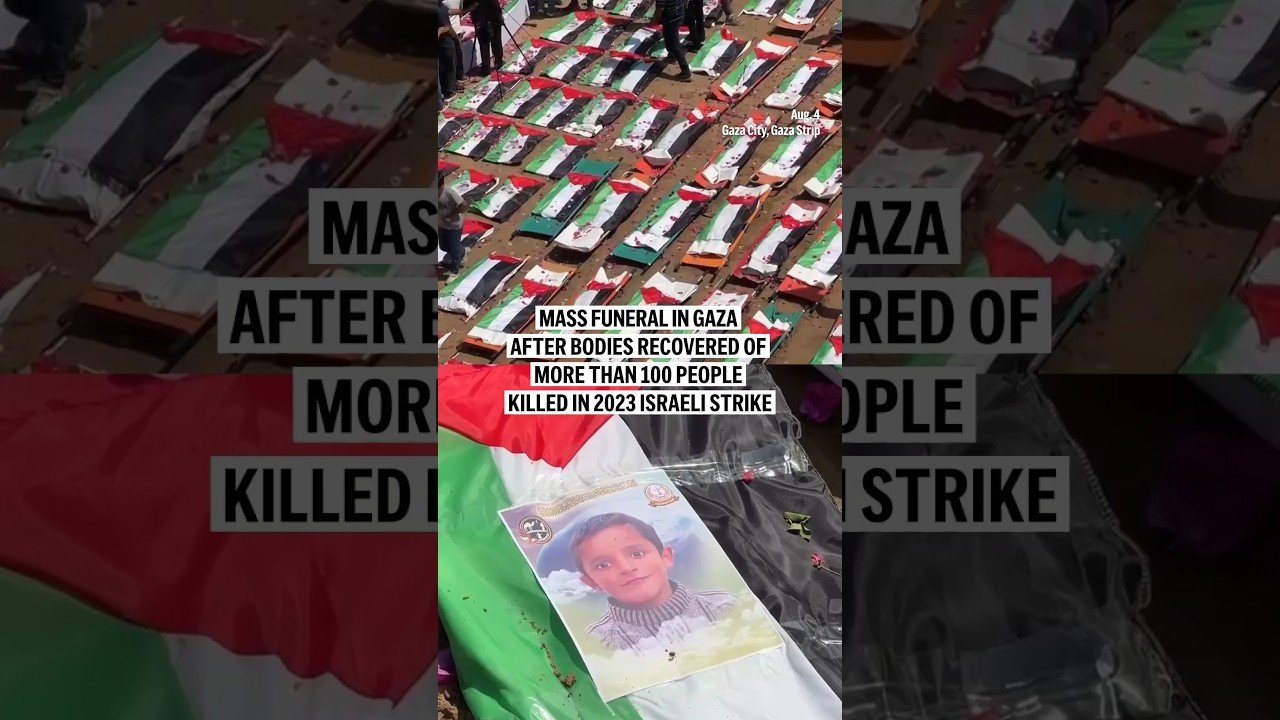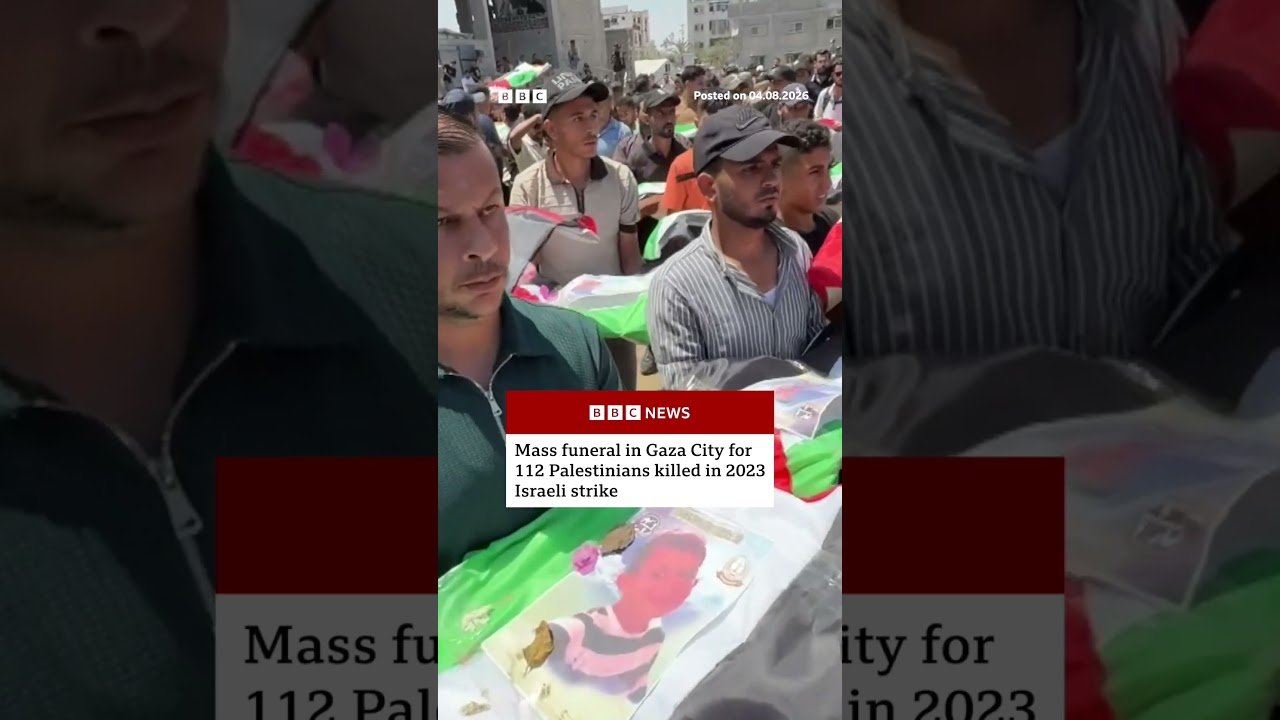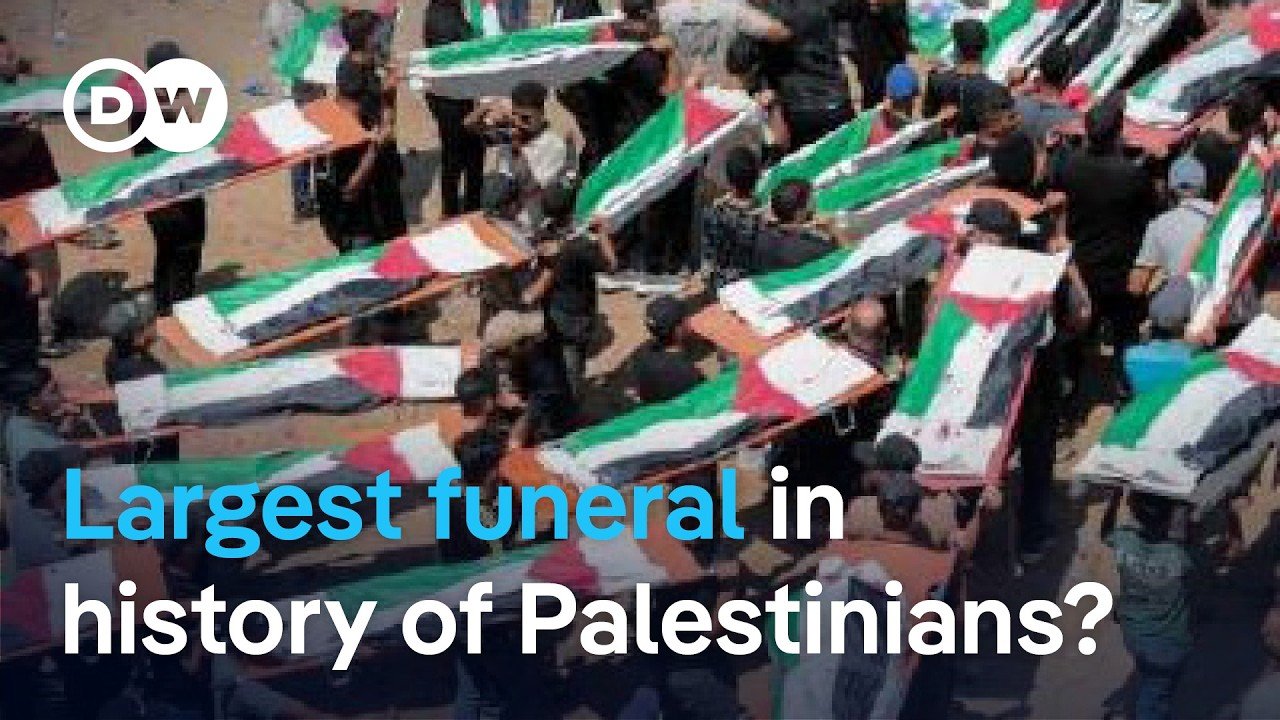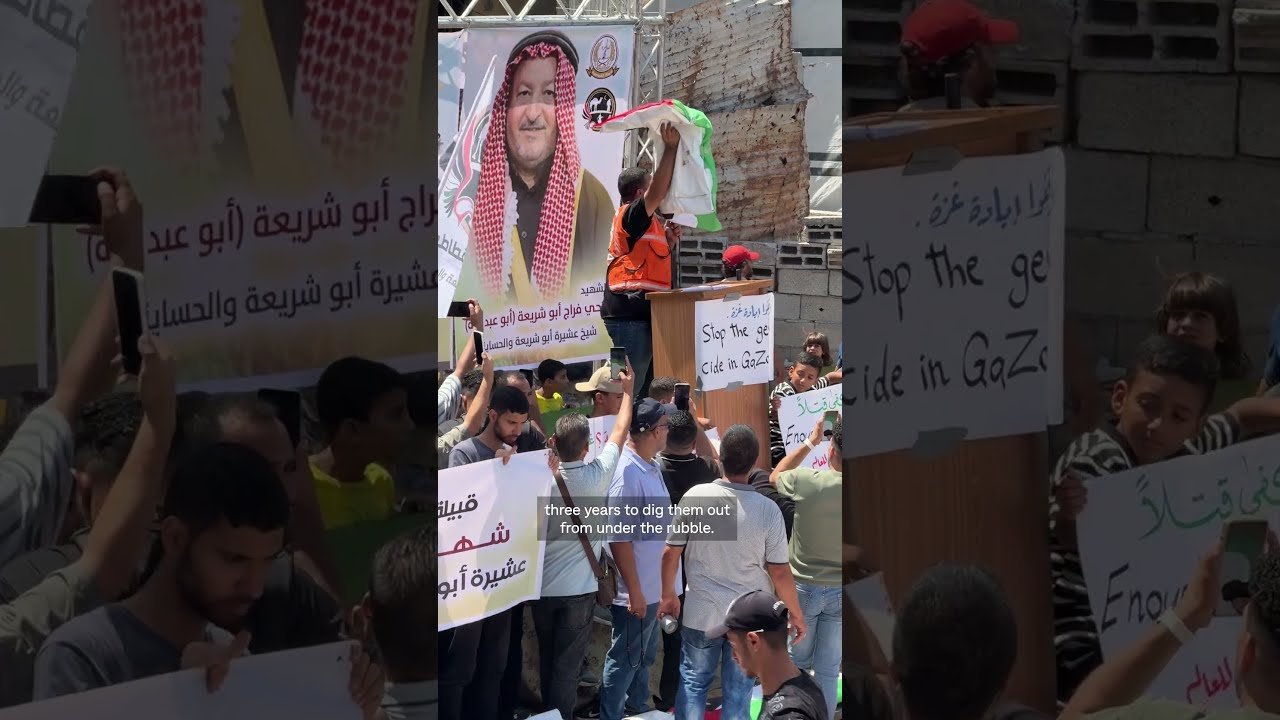

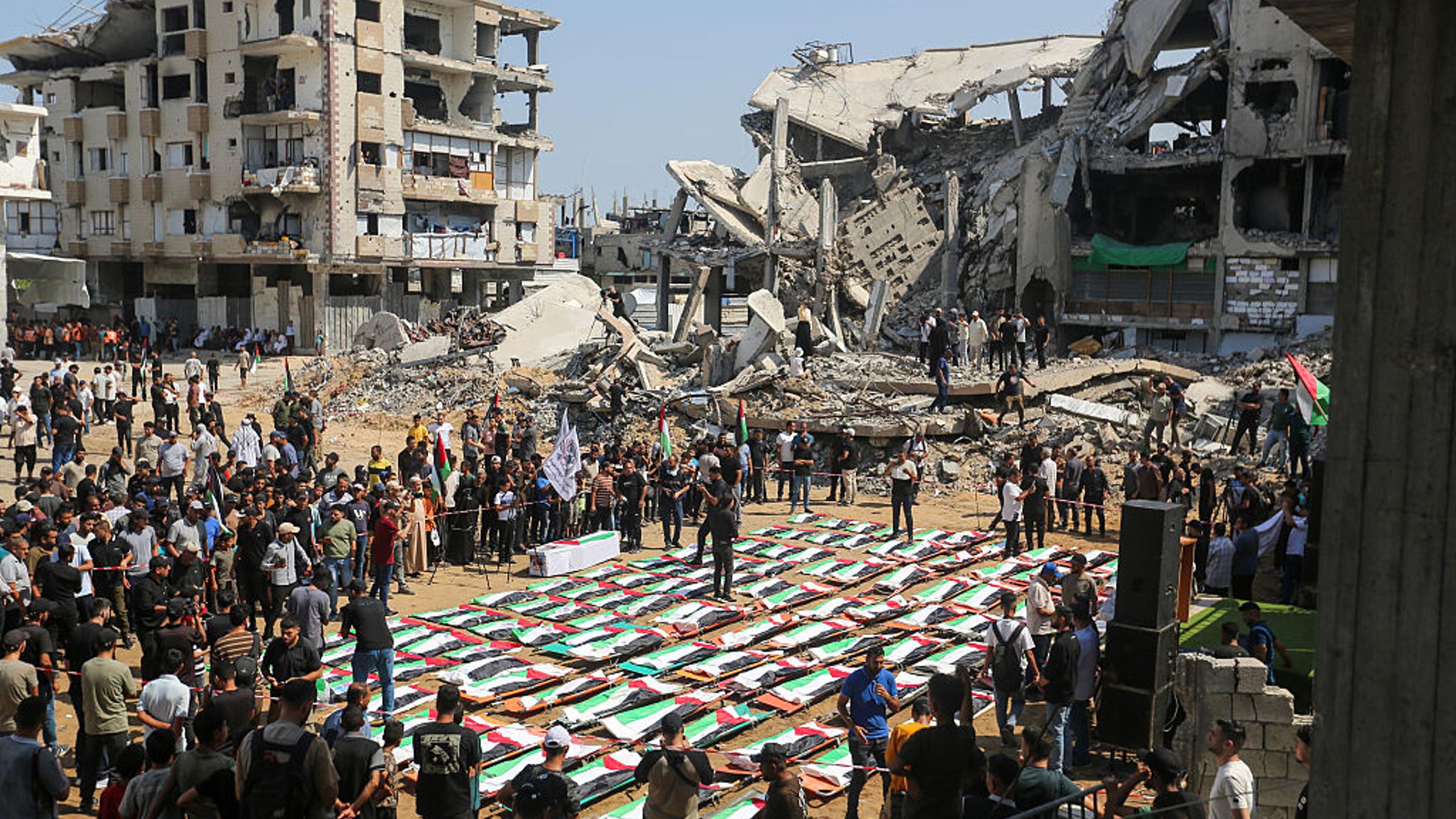


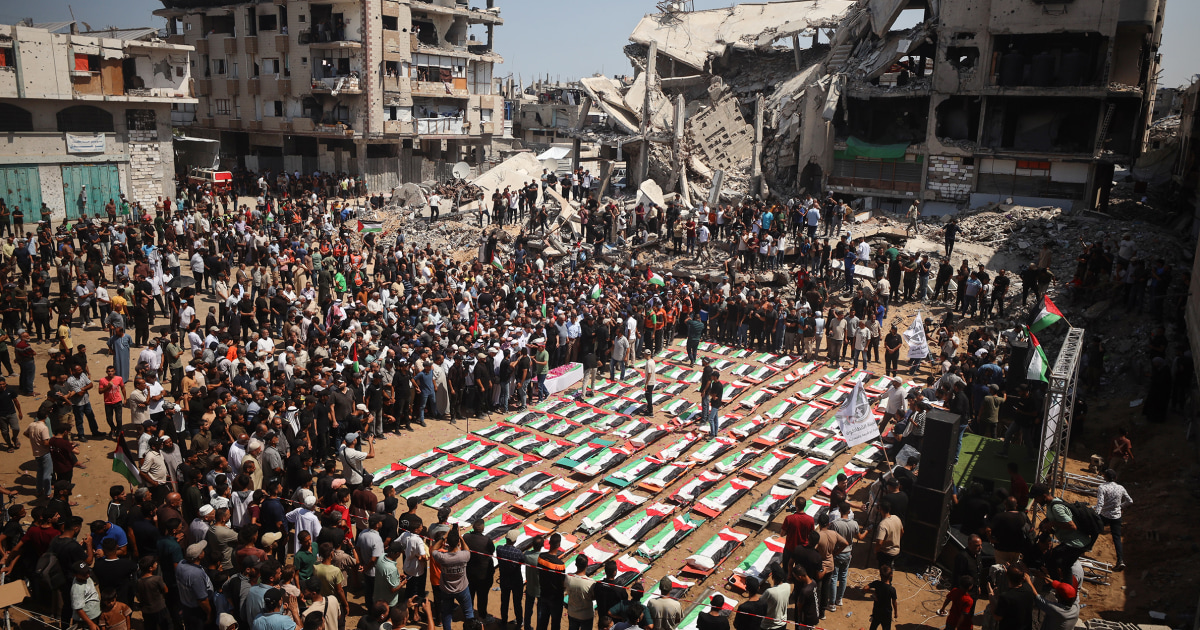
Thousands of Palestinians gathered in Gaza City on Tuesday, August 4, for one of the largest funerals held in the territory since the war began, burying the remains of 112 members of the Abu Sharia and al-Hasayna families.
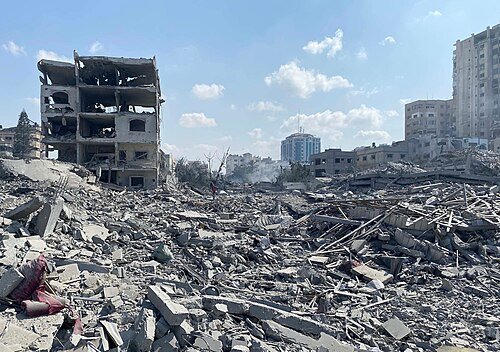
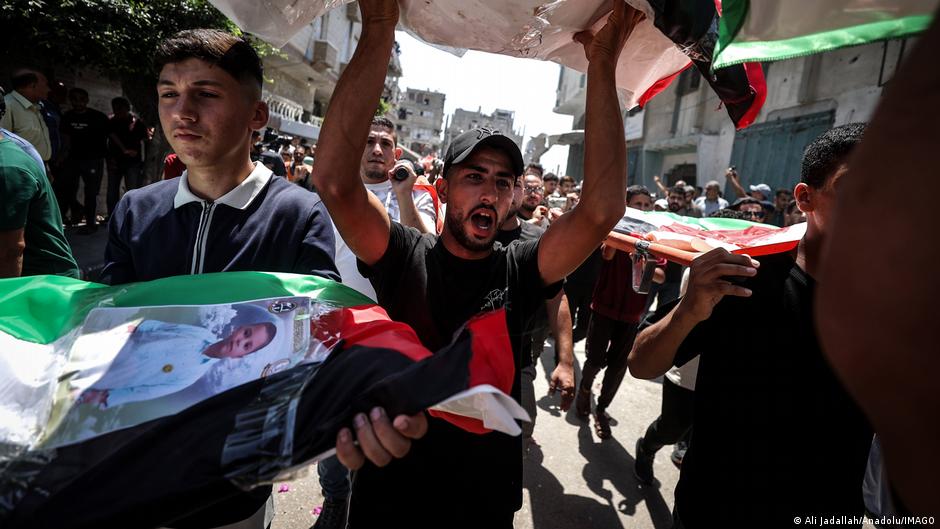
The remains were recovered from beneath the ruins of a residential complex in the Sabra neighbourhood, nearly three years after an Israeli airstrike killed members of the extended family. Wrapped in white shrouds and Palestinian flags, the bodies were placed in rows on stretchers before mourners carried them through the devastated neighbourhood to a nearby cemetery.
The victims were killed on November 22, 2023, during the early weeks of the war. Palestinian authorities say Israeli airstrikes flattened several residential buildings where members of the extended family had gathered. They estimate that 308 people were killed in the attack, including children, women and people with disabilities.
The Israeli military has not publicly provided an account of the specific strike, according to Reuters, which reported that it was unable to locate an Israeli statement from the time addressing the incident. The military did not immediately respond to a request for comment on the attack.
A painstaking recovery
Gaza’s Civil Defence said its crews spent 136 hours searching through collapsed concrete, twisted metal and other debris. The operation lasted roughly two weeks, with one account citing a 17-day effort involving about 40 workers. Much of the work was carried out with limited machinery and by hand.
The recovery was made possible in part by heavy equipment arranged through humanitarian agencies, including excavators rented with the assistance of the International Committee of the Red Cross, according to reports.
Because the bodies had remained under the rubble for so long, identification was difficult. Relatives and recovery workers reportedly relied on forensic material, fragments of clothing and distinctive jewellery to determine which remains belonged to individual family members.
Civil Defence officials said the recovered remains included 40 children. Reports differed over the number of women, with figures ranging from 30 to 38. Seven people with disabilities were also reported among those recovered.
The remains of at least 157 other people believed to have been killed in the same attack have not been found, according to Gaza authorities. Some may still be trapped beneath the ruins, while others may have been fragmented or dispersed by the force of the blast and the collapse of the buildings.
For surviving relatives, the funeral brought both grief and a long-delayed sense of closure.
“We wanted to bury them properly,” one family member told Al Jazeera, describing the emotional significance of finally recovering even partial remains. The ceremony took place beside buildings that had never been fully cleared, underscoring how the destruction continues to shape daily life in Gaza.
Thousands remain beneath the rubble
The recovery operation has drawn attention to the wider crisis facing Gaza, where thousands of people are still believed to be missing after more than two years of bombardment and urban destruction.
Estimates vary. Gaza Civil Defence spokesperson Mahmoud Basal has said that more than 8,000 bodies may remain beneath destroyed buildings, while other local estimates have placed the number of missing people between 7,400 and 9,500.
Rescue teams face a shortage of excavators, cranes, fuel and specialist equipment. Rubble is often unstable, buildings may contain unexploded ordnance, and the absence of reliable records or intact medical facilities makes identification harder. In many cases, families have had to wait months or years before remains could be recovered.
Those figures are issued by authorities in Gaza and are not independently verifiable in full because of the continuing restrictions and destruction across the territory.
For the Abu Sharia and al-Hasayna families, Tuesday’s burial marked the end of one chapter of mourning—but not the end of the search. Dozens of relatives from the same extended family remain unaccounted for, leaving survivors to wait for answers beneath the ruins of Sabra.
Israel will not withdraw until Hamas undergoes “genuine” disarmament
The funeral also came amid a fragile ceasefire that took effect in October 2025. Despite the truce, Palestinian health officials have continued to report deaths from Israeli military operations. Gaza’s Health Ministry said the overall Palestinian death toll since the war began had surpassed 73,000, while more than 1,200 people had been killed since the ceasefire began.
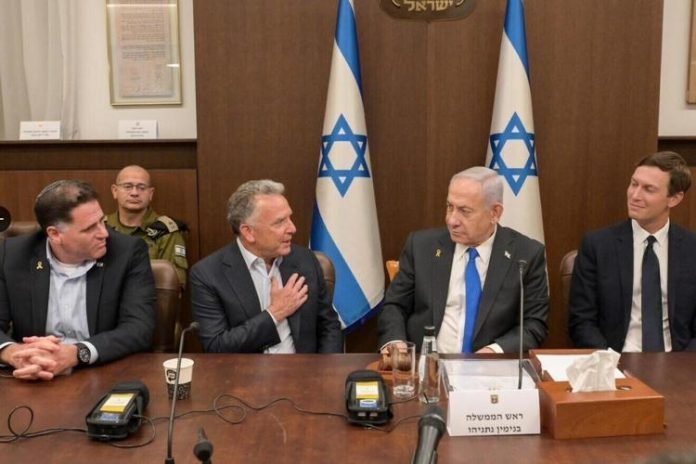
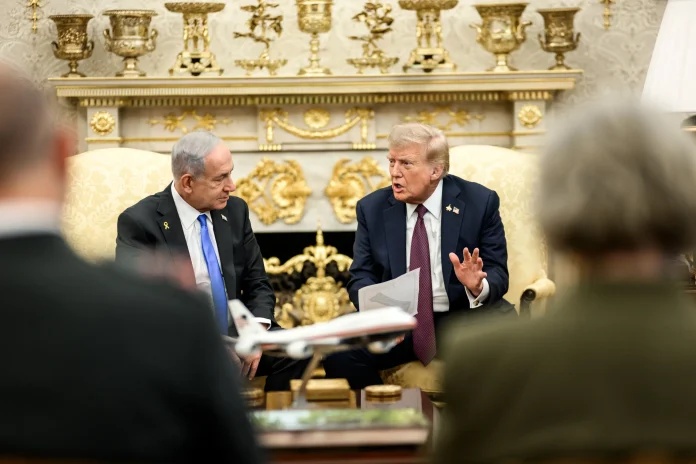
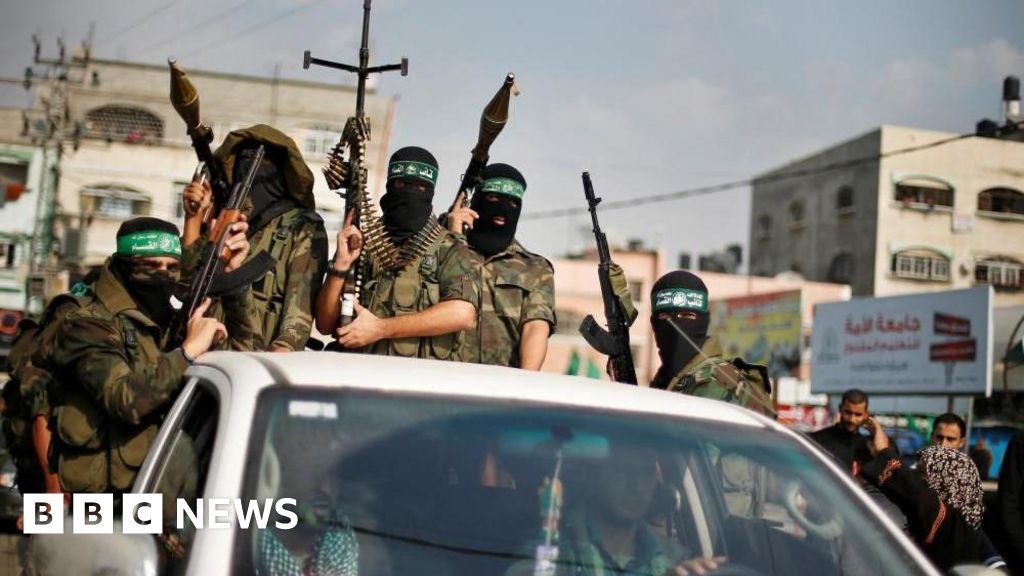
The ceasefire remains under strain amid a dispute over the next stage of the agreement. Israeli Prime Minister Benjamin Netanyahu has said Israeli forces will not withdraw from their current positions in Gaza until Hamas undergoes what he called “complete” or “genuine” disarmament. Israel says that means the physical surrender of Hamas’s weapons, the dismantling of its military infrastructure and tunnels, and the demilitarisation of the territory.
Hamas, however, has said its disarmament would be linked to an Israeli withdrawal, an end to military operations and the fulfilment of other ceasefire commitments. Under the proposed framework, weapons would be transferred to a Palestinian governing body and disarmament would take place in stages alongside a phased Israeli withdrawal.
The opposing conditions have left the two sides effectively disputing which obligation must come first.