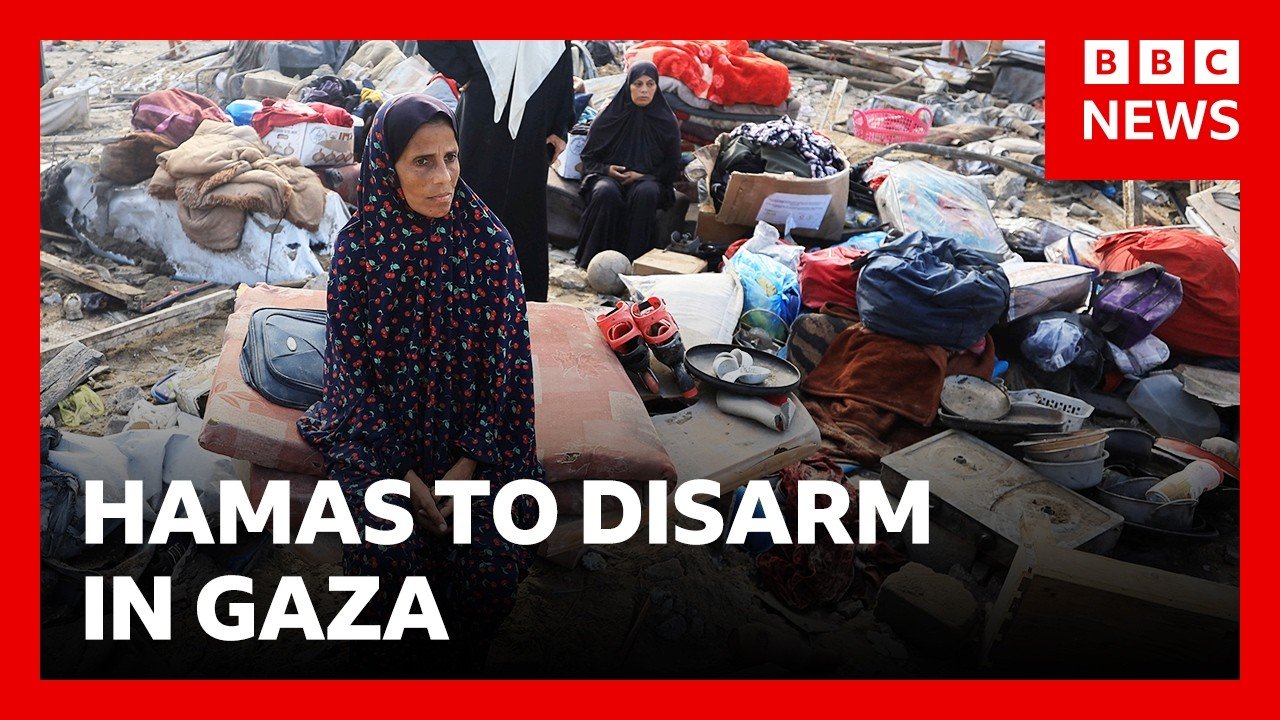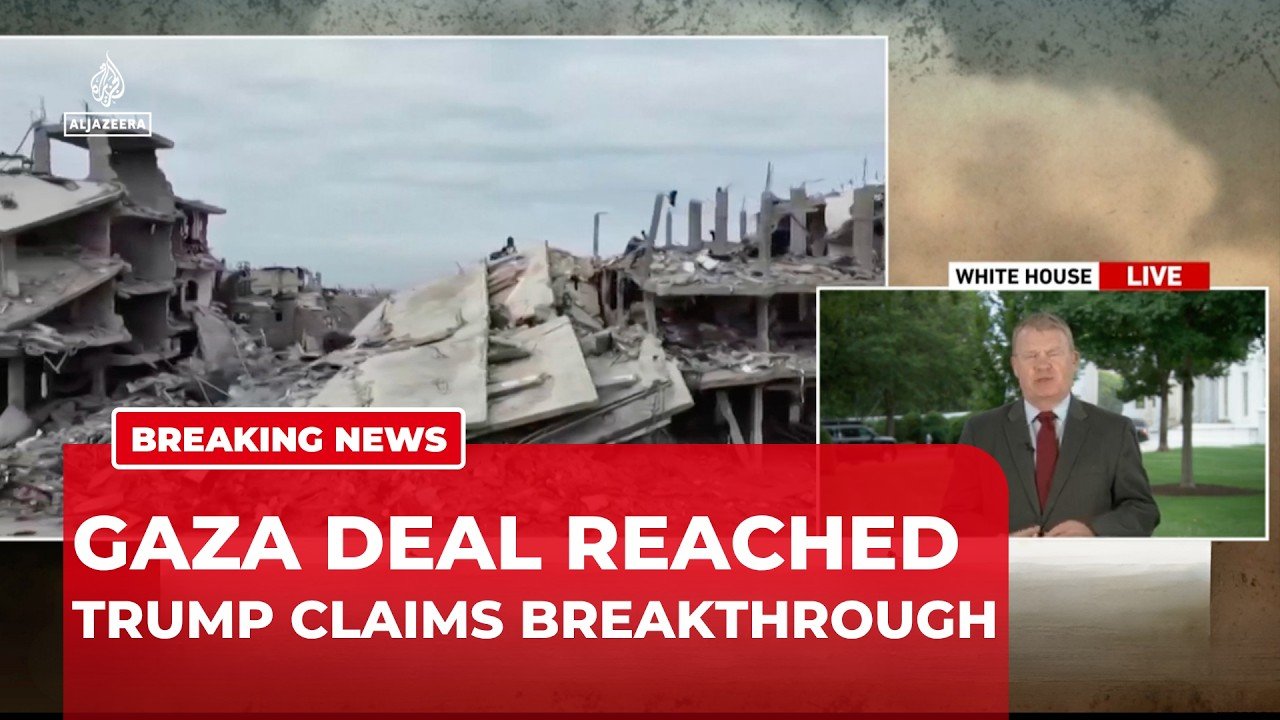





Hamas has agreed for the first time to a detailed roadmap to surrender its weapons and give up any governing role in Gaza, according to US officials and mediators involved in the talks.
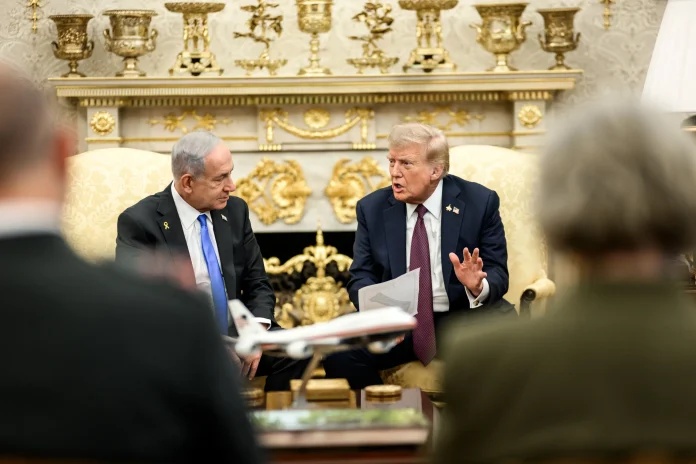
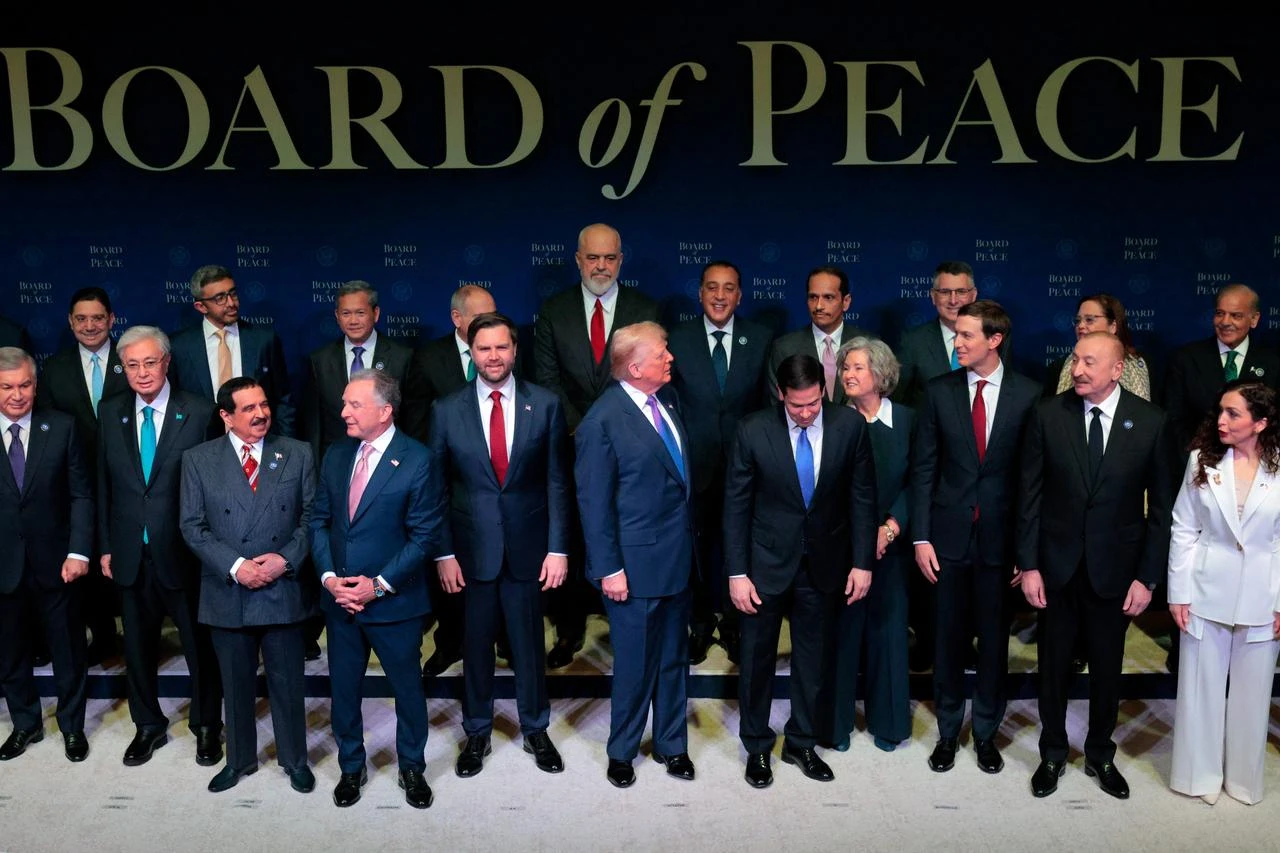
President Donald Trump announced late on July 30 that Hamas had agreed to begin a phased disarmament process in Gaza under a U.S.-backed peace framework. The roadmap, advanced by the Board of Peace, links the surrender of weapons to a gradual Israeli withdrawal and the transfer of authority to a transitional Gaza administration.
The roadmap reportedly builds on a previously agreed 20-point Gaza peace plan and converts it into a staged implementation framework after months of negotiations that followed the release of hostages and the return of bodies. Officials said the process is designed to begin within 14 days of formal approval by all parties and would proceed region by region rather than across Gaza at once.
At the center of the plan is the National Committee for the Administration of Gaza, or NCAG, a transitional Palestinian body that would take over civilian and security responsibilities during the transition period. Under the framework, weapons would be placed under NCAG control rather than handed to Israel or rival Palestinian factions, and each phase would require verification before the next step can move forward.
Weapons, tunnels and forces
The reported disarmament process is expected to cover both heavy and light weapons, along with tunnel networks, arms stockpiles and weapons-production facilities. Earlier reporting says smaller armed groups in Gaza would disarm before Hamas begins dismantling its own military infrastructure, with the full process estimated to take between 200 and 350 days.
The plan also envisions a phased Israeli withdrawal tied directly to progress on disarmament. An International Stabilisation Force, led by the United States, would help train Palestinian police, oversee weapons collection and position itself between Israeli and Palestinian forces. Officials said more than 5,000 troops have already been pledged.
Humanitarian and governance steps
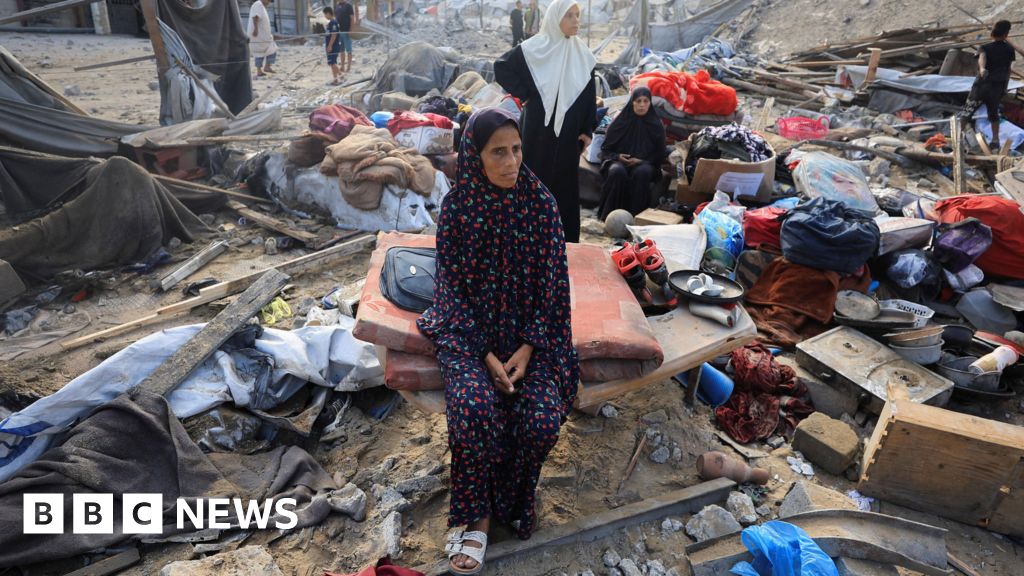
In parallel, the broader US-backed plan includes a surge in humanitarian aid and the gradual transfer of civilian administration to the NCAG. Reporting indicates the new body would handle not only security but also civilian affairs such as health and education, while the Palestinian Authority would not yet have a formal governing role under the plan.
A separate June report also said the Board of Peace was considering a pilot humanitarian zone in Gaza to help launch the wider plan. That idea would rely on the NCAG and a newly trained police force, backed by the stabilization mission, to secure areas where aid and services could be expanded.
Conditionality and skepticism
Despite the headline breakthrough, Hamas has made clear that implementation is conditional. A senior Hamas official told Reuters that the group will only move forward if Israel first meets its own commitments under the agreement.
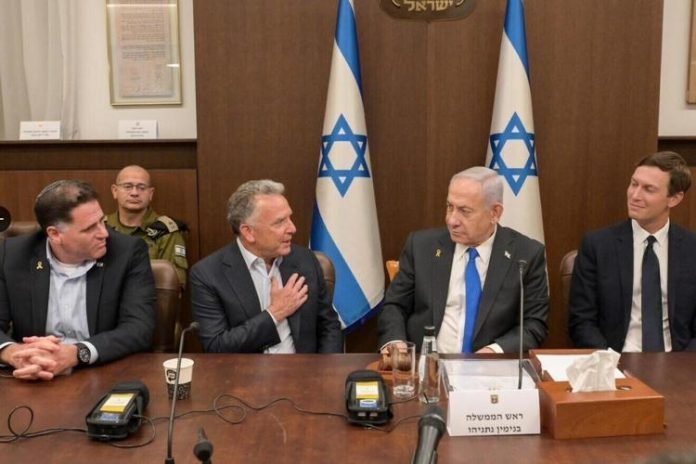
Israeli authorities have not yet formally endorsed the text, and previous reporting says Israeli officials remain skeptical that the roadmap goes far enough on immediate demilitarization before an Israeli withdrawal. The result is a plan that exists on paper, but still faces major political, security and logistical obstacles before it can become reality.
What still matters
The most important unanswered question is whether the agreement can survive the gap between announcement and execution. The framework is heavily conditional, depends on independent verification, and still lacks full public approval from Israel.
For now, the story is not that Gaza peace has been secured, but that the talks have moved into a more concrete and more dangerous phase: one in which Hamas’s weapons, Israel’s withdrawal and Gaza’s future governance are all being tied together in a single enforceable sequence.