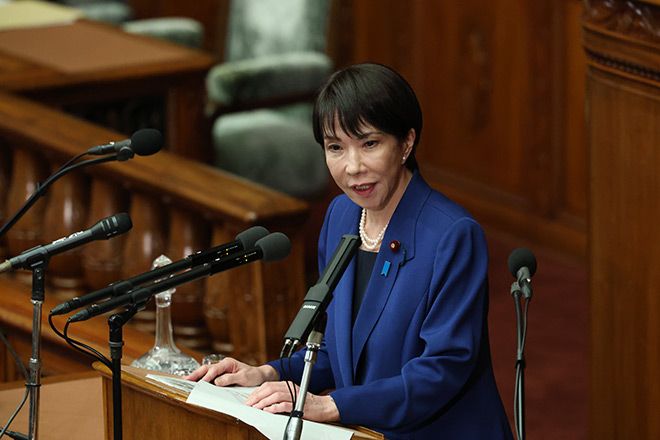
Japan’s election cycle generally includes regular general elections for the House of Representatives, or Lower House, held every four years or sooner if the chamber is dissolved, while elections for the House of Councillors, or Upper House, occur every three years for half its members, creating staggered six-year terms.
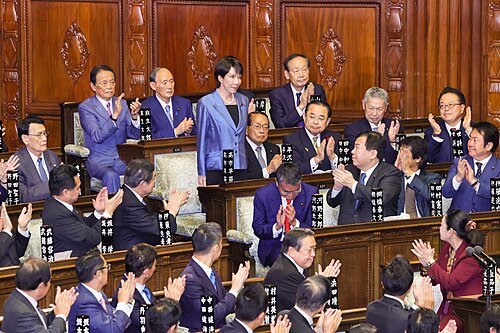
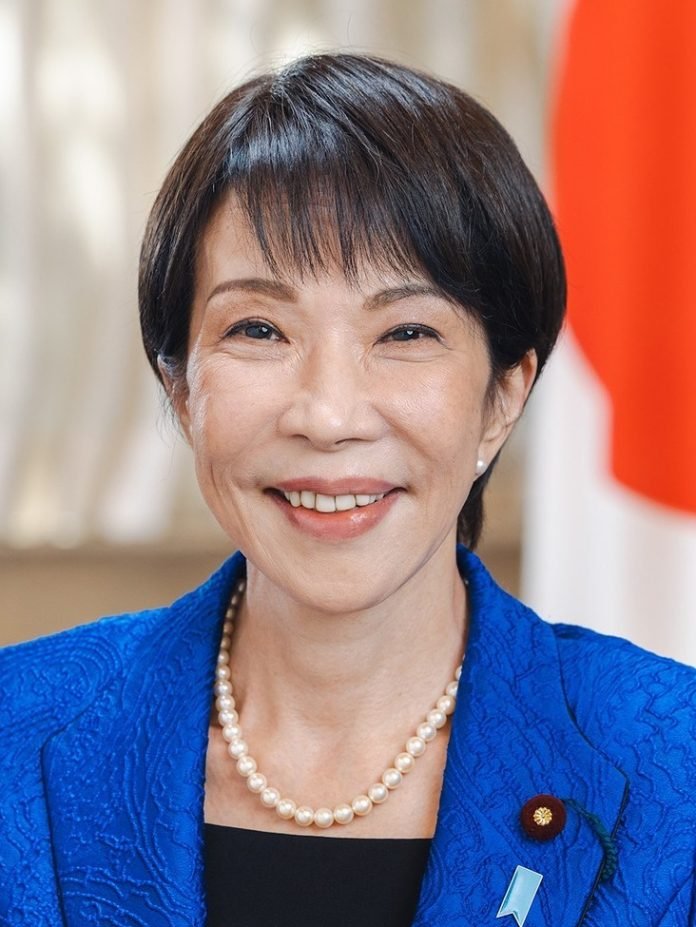
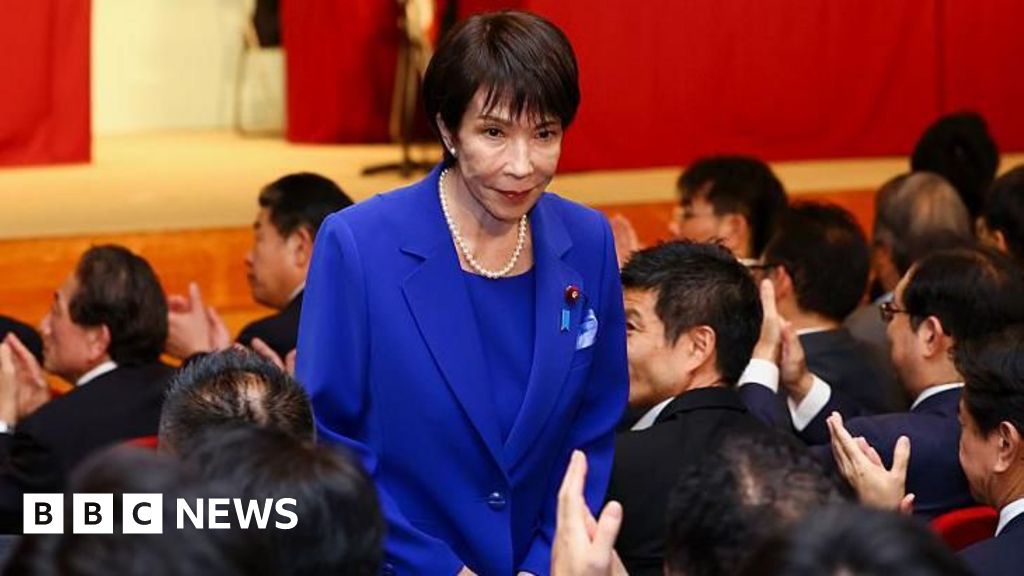
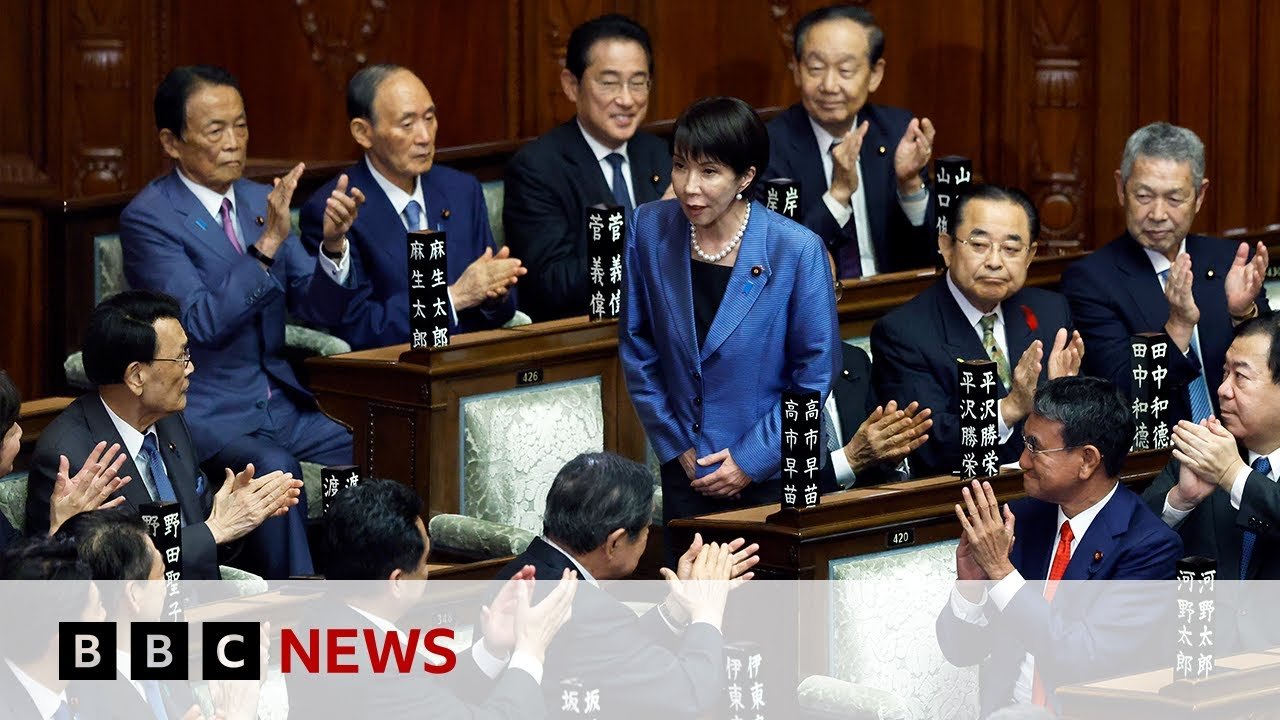
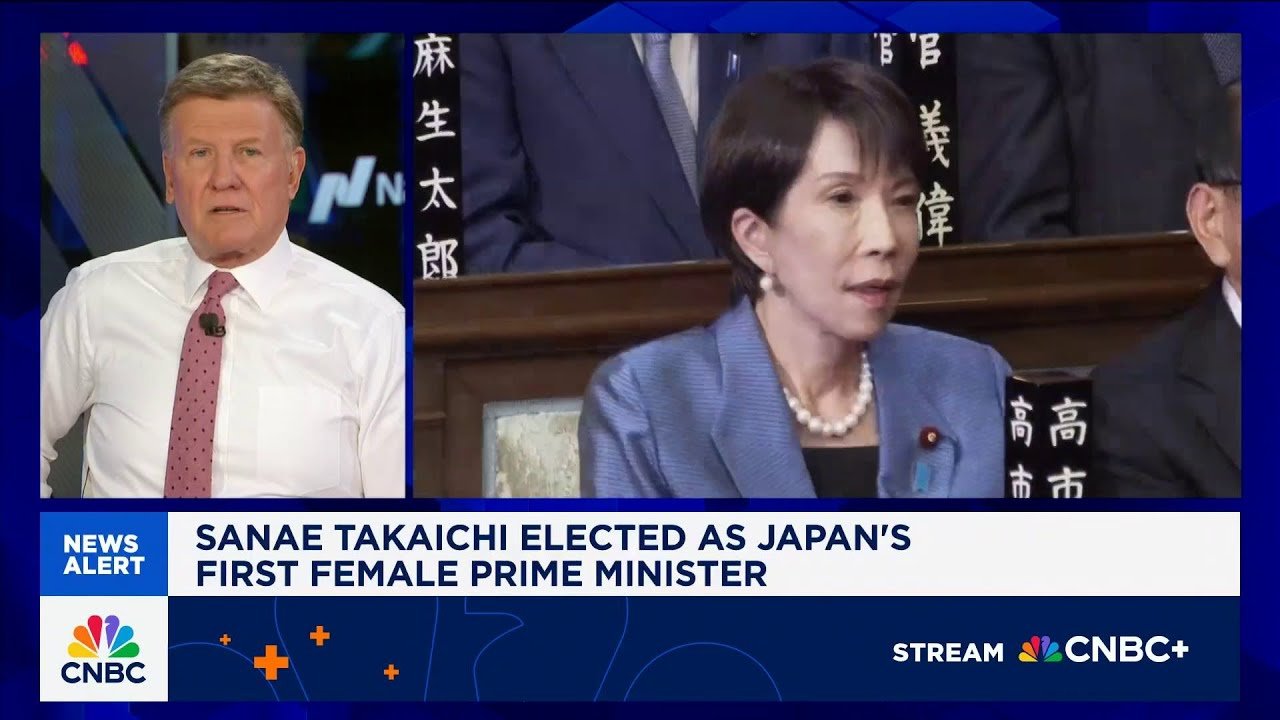
Sanae Takaichi won Japan’s Liberal Democratic Party leadership election on October 4, 2025. She became Japan’s first female prime minister. This came after Shigeru Ishiba’s resignation, less than a year after taking office. He faced a major election defeat in July, where the LDP-Komeito coalition lost its parliamentary majorities.
What led up to this
Takaichi beat her centrist rival Shinjiro Koizumi in a runoff election at the LDP headquarters in Tokyo. In both rounds of parliamentary voting, she received clear majorities, ultimately being appointed by Emperor Naruhito at a formal ceremony.
To secure a governing coalition, Takaichi formed a new agreement with the right-leaning Japan Innovation Party after Komeito ended its 26-year alliance with the LDP, meaning she now leads a minority government.
Japan’s “Margaret Thatcher”
Takaichi is known as a hardline conservative and close ally of the late Shinzo Abe. She is reportedly a proponent of Abenomics, which focuses on loose monetary policy, fiscal spending, and structural reforms.
Takaichi, who is Japan’s former economic security and interior minister, has referred to Margaret Thatcher, whom she has met in person, as a source of inspiration for her strong character and convictions and womanly warmth.
Sanae is known to be a heavy metal fan, a biker, and a drummer who often carried many sticks as she would break them during intense drumming. She is also known as a staunch conservative who opposed same-sex marriage and legislation allowing married women to keep their maiden names in the past.
Her working-like-a-horse rhetoric signals an aggressive approach to governance as she tackles economic reforms and national security challenges in an increasingly volatile regional environment.
I myself will cast aside the idea of work-life balance. I’ll work, work, work, work, and work…I ask everybody to work; work like a horse
Sanae Takaichi in her acceptance speech
Why it matters
Sanae Takaichi’s election as Japan’s first female prime minister marks a historic breaking of the country’s glass ceiling in politics, coming at a time of significant political instability for the long-dominant Liberal Democratic Party. Her victory follows the LDP’s loss of its parliamentary majority and the end of its 26-year alliance with Komeito, forcing her to govern as a minority leader backed by the Japan Innovation Party.
Takaichi’s conservative ideology, her allegiance to Shinzo Abe’s economic legacy, and her tough stance on social issues position her to continue many of Japan’s established policies while facing the challenge of passing legislation without a clear parliamentary majority.

Read more: Japan-China Diplomatic Crisis 2025