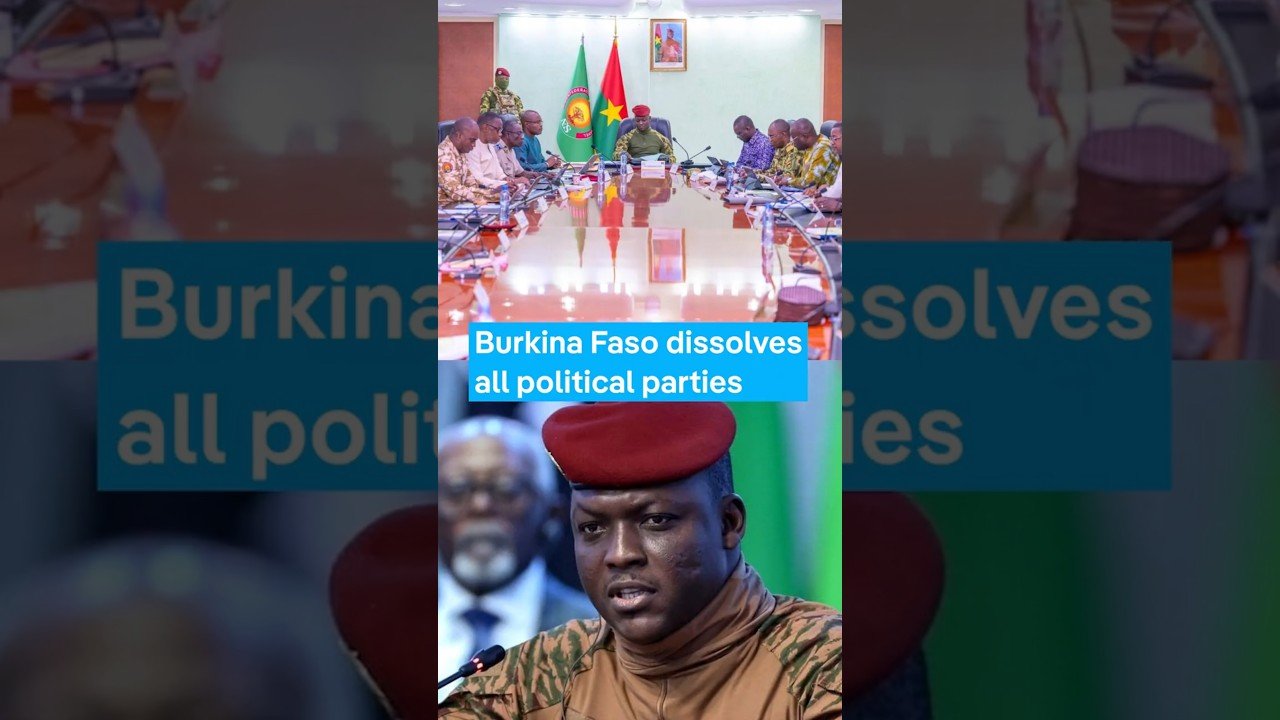
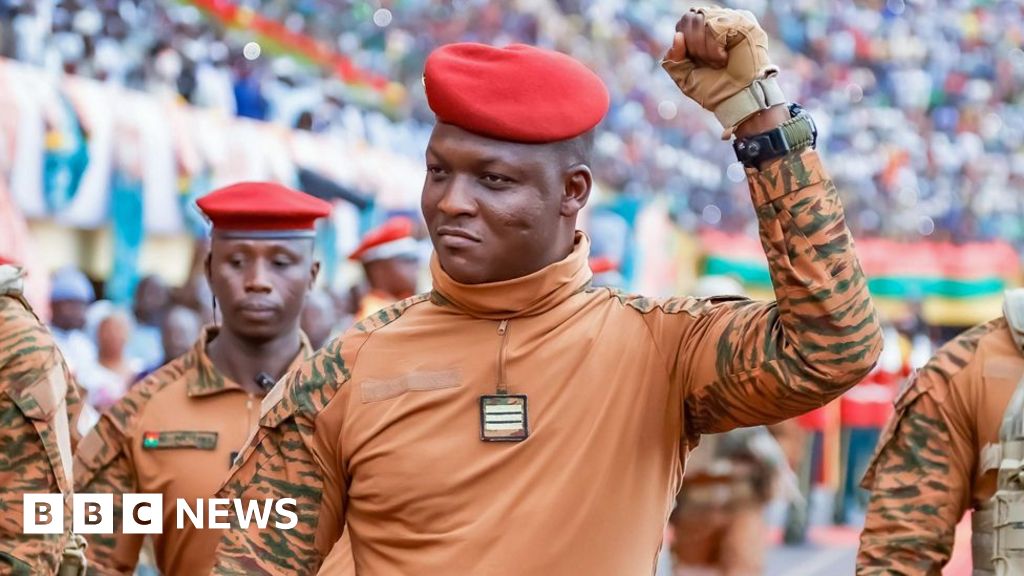
On January 29, 2026, Burkina Faso’s military-led government issued a decree dissolving all political parties and political groupings, a move that effectively ended the country’s multiparty system after it had already been suspended following the 2022 coup.
What happened
The decree ordered the disbanding of all political formations and scrapped the legal framework that had governed them. It also directed that the assets of dissolved parties be transferred to the state.
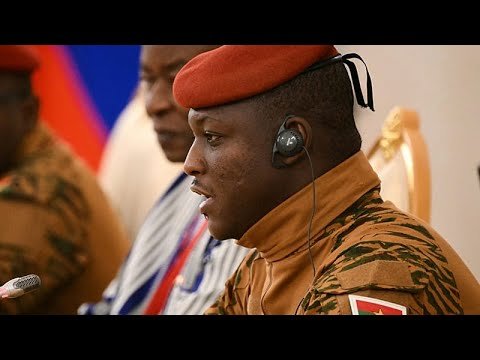
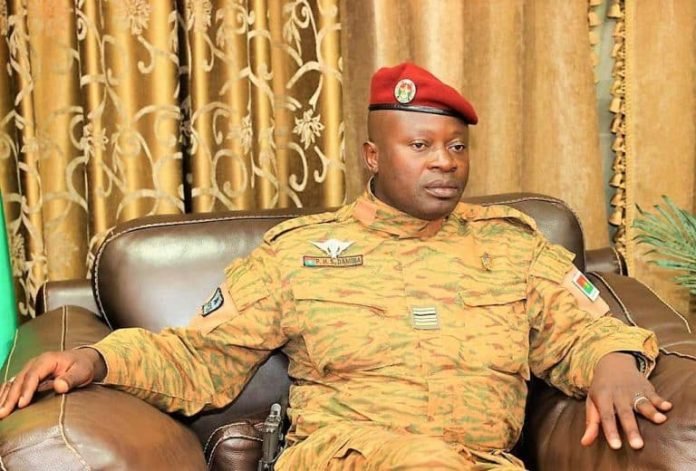
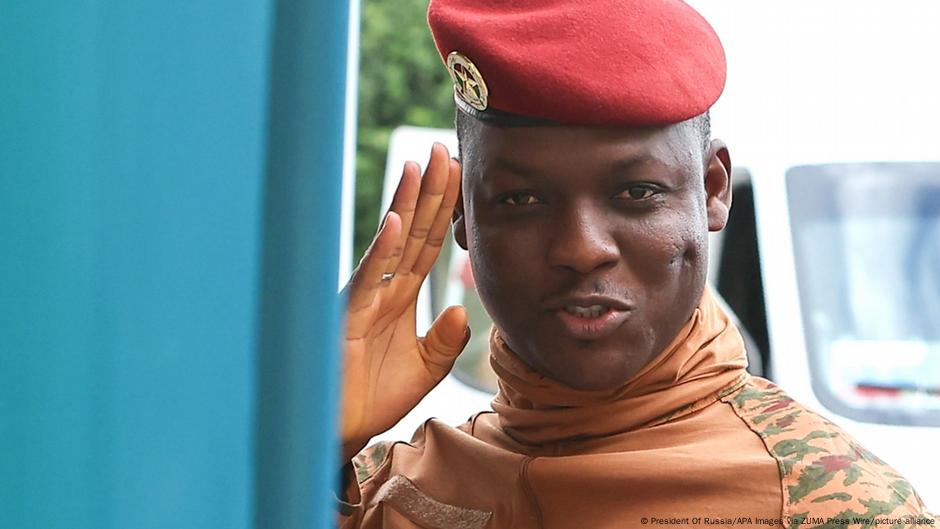
Interior Minister Emile Zerbo said the ban was intended to preserve national unity and rebuild the state, arguing that the multiparty system had deepened divisions and weakened Burkina Faso’s social fabric. The decision marked another step in the junta’s broader effort to consolidate power under Captain Ibrahim Traoré.
How it built up
The move followed a series of tighter restrictions on political life. In July 2025, Burkina Faso abolished its Independent National Electoral Commission, shifting election administration to the Interior Ministry.
Elections that were originally promised for 2024 have since been pushed back to 2029. Rights groups have also accused the government of silencing dissent through forced military conscription of critics and journalists.
Burkina Faso’s action also echoed developments in neighboring Mali, where the military junta had already suspended political party activity under the banner of maintaining public order. Along with Niger, both countries have broken sharply with Western influence, expelled French forces, turned toward Russia, and formed the Alliance of Sahel States.
Reaction at home
The decision drew alarm from many domestic observers, who said the ban would not help the country move forward and reflected a regime message that democracy was either useless or harmful. Others, including some supporters online, argued that the country’s more than 100 political parties had become chaotic and operated more like business ventures than civic institutions.
Critics have mostly spoken anonymously, citing a climate of fear and the junta’s practice of forcibly conscripting prominent dissenters into the military.
Rights concerns
Human rights organizations, including Human Rights Watch and CIVICUS, described the ban as a major blow to democracy and the culmination of an increasingly authoritarian trajectory. They warned that dissolving all political parties removes one of the last formal avenues for political participation and opposition.
Analysts also noted that Burkina Faso’s withdrawal from ECOWAS in early 2024 has reduced regional pressure on the junta, leaving it with fewer external checks on its governance.
Broader significance
International observers say the decree is likely to deepen fears that a return to civilian rule is slipping further away. Rather than signaling a temporary emergency measure, the move appears to formalize the junta’s effort to redefine political life around military control.