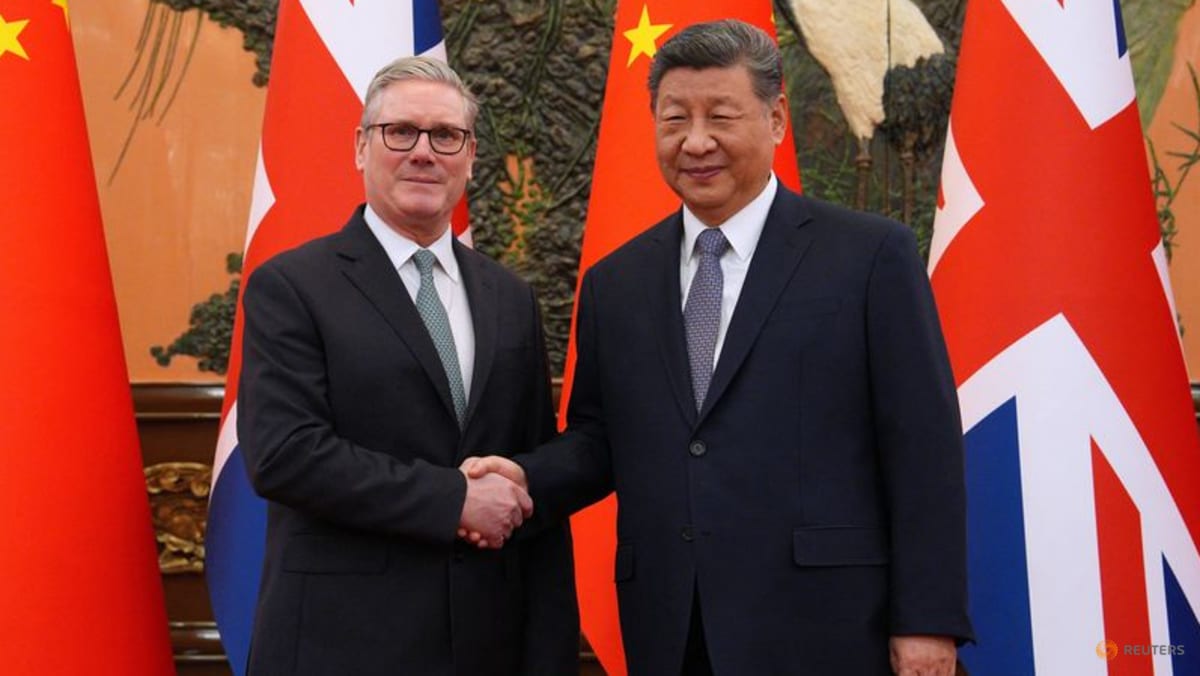
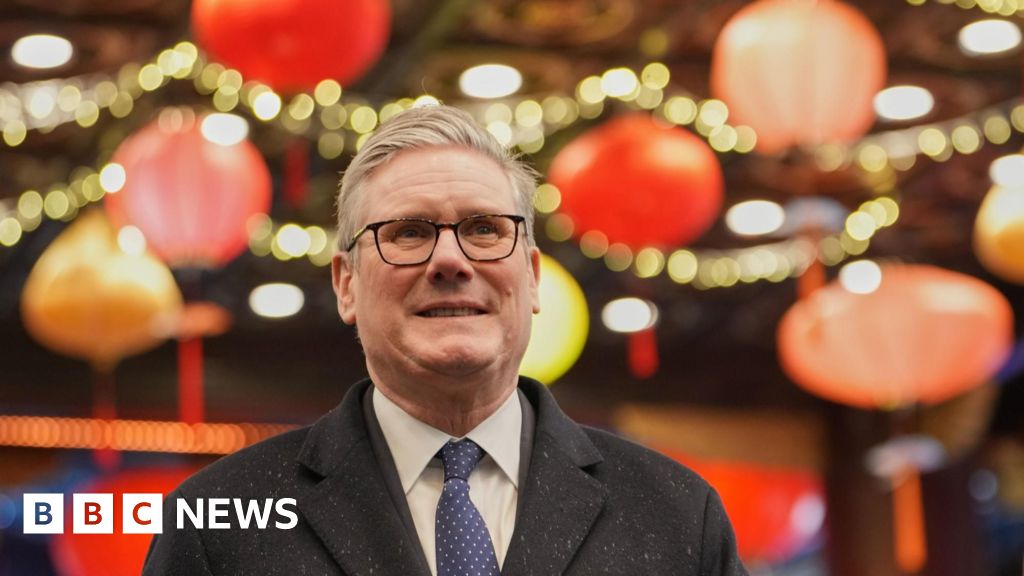
Britain’s Prime Minister Sir Keir Starmer completed a four-day visit to China in January 2026, becoming the first British prime minister to travel to the country in eight years. The trip was presented as a pragmatic reset in UK-China relations, with Starmer seeking to move beyond years of strained ties and toward a more stable long-term partnership focused on trade, investment and selective cooperation.
Starmer’s visit came with a large delegation of nearly 60 business and cultural figures, including representatives from HSBC, Jaguar Land Rover and the National Theatre. The government used the trip to showcase British strengths in finance, green technology, healthcare and the creative industries, while also trying to secure concrete economic gains for the UK.
Trade gains
Among the most significant outcomes was China’s agreement to cut import tariffs on Scotch whisky from 10% to 5%, a move expected to be worth about £250 million to the UK economy over five years. The two sides also reported roughly £2.2 billion in export deals and £2.3 billion in market-access wins.
The trip produced a new memorandum of understanding to deepen cooperation in healthcare, financial, professional and legal services. The countries also agreed to study the possibility of a future trade-in-services agreement, which would be the first of its kind between the UK and China.
A new food-safety cooperation mechanism was also established to speed up approvals for UK food exporters through batch registration with Chinese customs.
AstraZeneca investment
Pharmaceutical giant AstraZeneca announced what it described as its largest-ever investment in China, pledging $15 billion, or about £11 billion, over four years to expand its research and manufacturing presence in the country. The company said the funding would support work on advanced treatments such as cell therapy and radioconjugates for cancer and autoimmune diseases.
The investment will also upgrade existing facilities in Wuxi, Taizhou, Qingdao and Beijing, helping to supply medicines to more than 70 countries. AstraZeneca said it expects its Chinese workforce to grow from 17,000 to more than 20,000 employees.
Security and migration
Alongside the economic agenda, the UK and China agreed to cooperate on disrupting migrant-smuggling networks, including efforts to target the supply of small boat engines used for Channel crossings. The arrangement also covers intelligence-sharing on human trafficking and opioid drug-smuggling networks.
The deal was framed as part of a broader border-security effort, even as Starmer continued to stress that the UK would pursue engagement with China on its own terms. He said Britain did not need to choose between Washington and Beijing, and argued for what he called a clear-eyed approach to dealing with China.
Visa and sanctions
One of the trip’s biggest diplomatic outcomes was China’s decision to grant visa-free travel for British citizens for stays of up to 30 days for tourism and business. The policy, which is also open to visits to family or friends and transit, took effect on Feb. 17, 2026 and is currently scheduled to run until Dec. 31, 2026.
China also lifted sanctions on six sitting British parliamentarians who had been targeted over criticism of human-rights abuses. The move was seen as a sign of thawing relations after years of tension.
Political backdrop
The trip unfolded against warnings from US President Donald Trump, who said the UK’s rapprochement with Beijing was “very dangerous.” Starmer pushed back against the idea that Britain must pick sides, even as he acknowledged the importance of maintaining strong ties with Washington.
At the same time, he said he “respectfully” raised concerns about the detention of pro-democracy activist Jimmy Lai and about human rights in Xinjiang. The government presented that as evidence that economic engagement would not come at the expense of difficult political conversations.
“Football diplomacy”
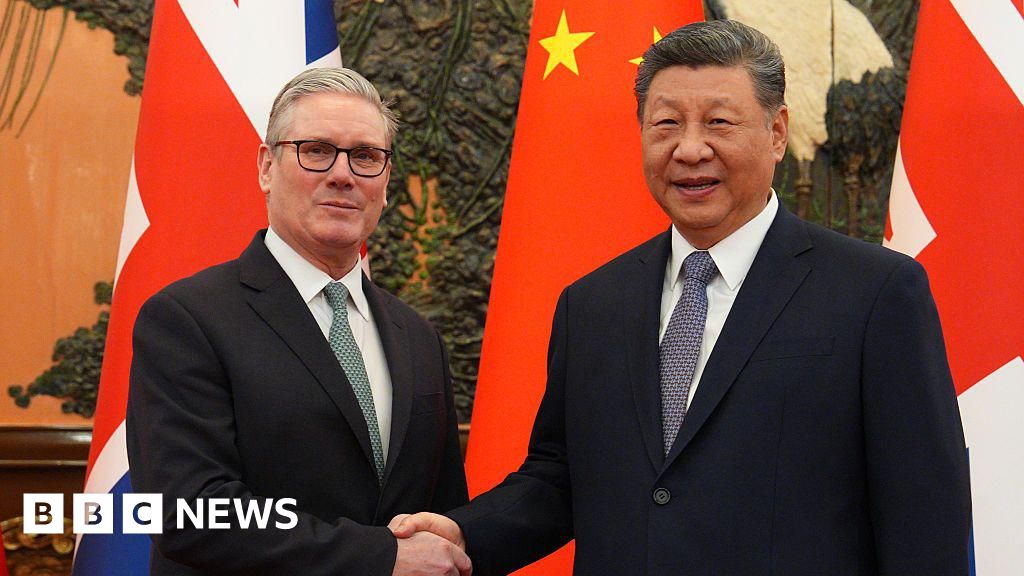
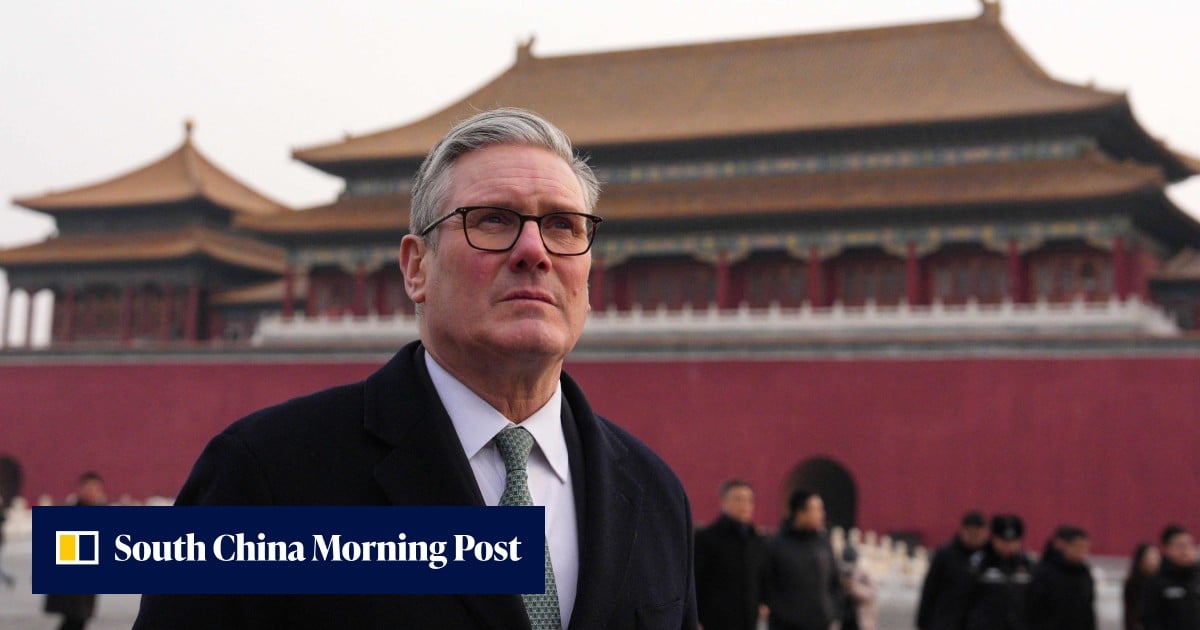
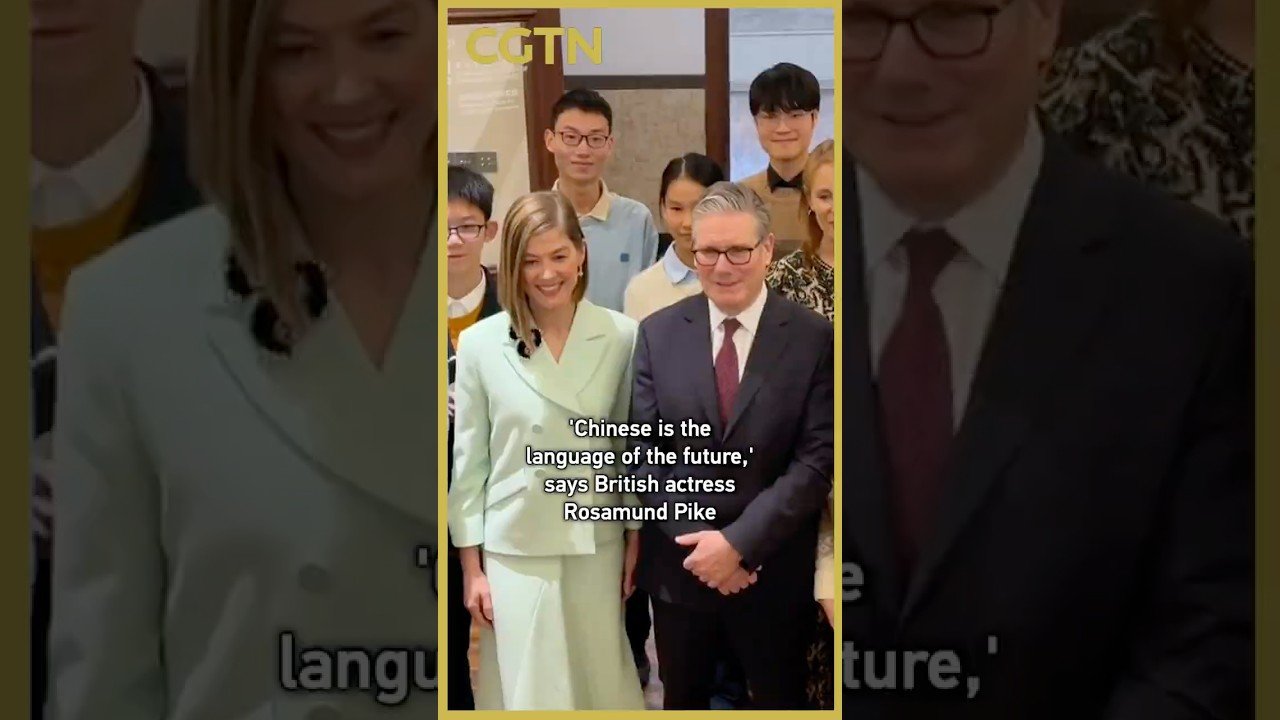
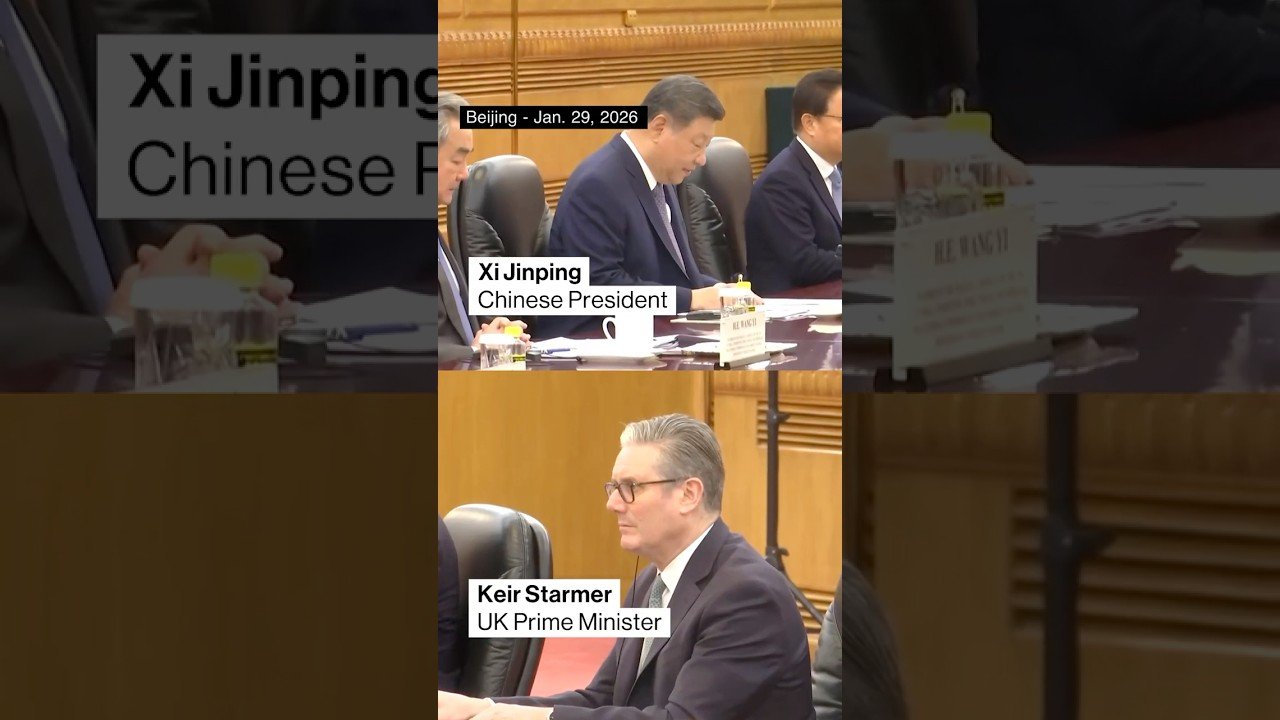
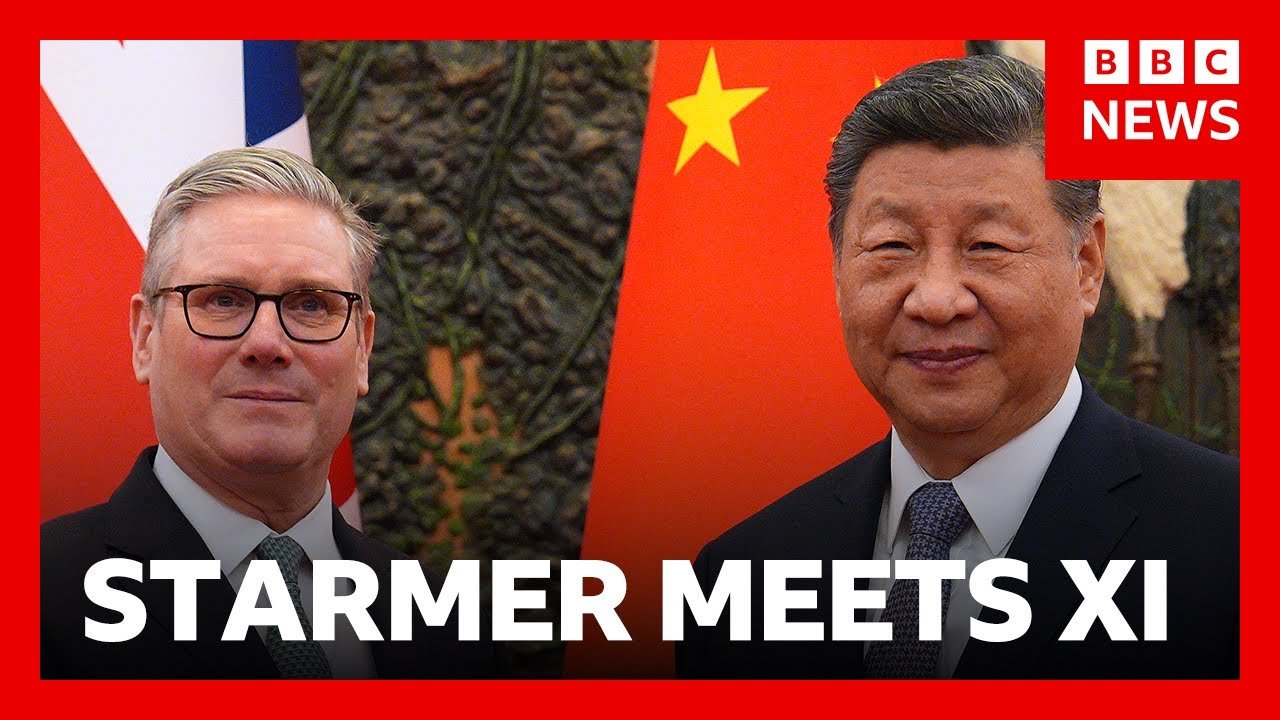
In Beijing, Starmer met President Xi Jinping and Premier Li Qiang at the Great Hall of the People, then toured the Forbidden City. He later visited the Bund and took part in a cultural event with actress Rosamund Pike, underscoring the mixture of diplomacy, trade promotion and soft-power outreach that defined the trip.
One of the more symbolic moments came when Starmer gave Xi a football used in a recent Manchester United-Arsenal match, a gesture meant to nod to Xi’s well-known interest in the sport. The exchange was widely read as a small but deliberate effort to connect British culture with Chinese interests.
Shanghai and soft power
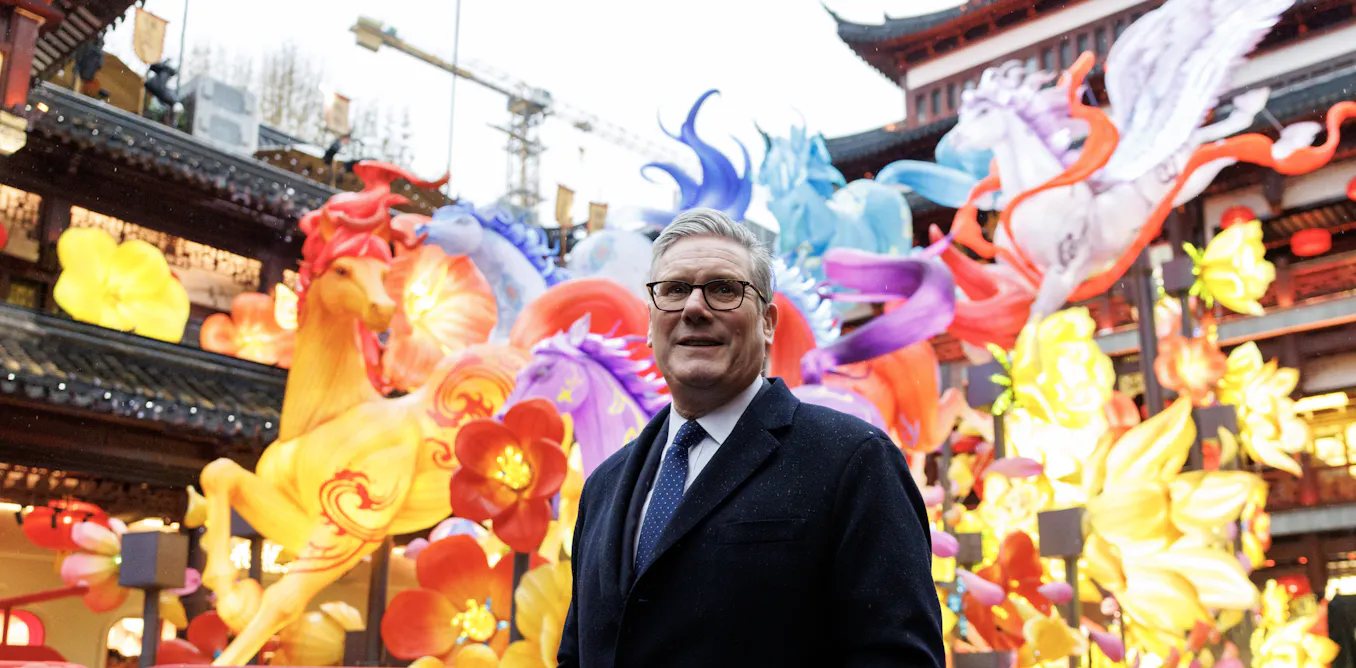
The final part of the trip focused more heavily on culture and public diplomacy in Shanghai. Starmer visited Yu Garden, where he was filmed trying local food and tea, a moment that circulated widely on Chinese social media and was presented as a sign of warming relations.
He also attended a gala with Rosamund Pike, representatives from the National Theatre and the Royal Shakespeare Company, and other figures from Britain’s cultural sector. The aim was to promote British creative exports while broadening the visit beyond trade and geopolitics.
Business support
The UK business community, by contrast, largely welcomed the trip. The Scotch Whisky Association praised the tariff cut, calling it a major win for the £5 billion industry and one of the clearest signs of progress from the visit.
The China-Britain Business Council also backed the reset, saying it helped end the eight-year “ice age” in communication. It pointed to the AstraZeneca investment as evidence that the trip had produced tangible benefits rather than simply symbolic gestures. Business groups said the visit signaled that the UK was once again seen as a dependable partner, particularly in green tech and finance.
UK politics
Back in Westminster, the trip sparked a heated debate over its moral and security implications. Former Security Minister Tom Tugendhat accused the government of being “tricked” by Beijing, while critics argued that China’s decision to lift sanctions only on six sitting MPs — and not on former MPs, lawyers or academics — suggested a divide-and-rule strategy designed to reward some voices while sidelining others.
Opposition figures also pointed to the recent approval of a new Chinese “mega-embassy” in London as evidence that the government was prioritizing trade over national security. Supporters of the trip, however, argued that it reflected a necessary attempt to rebuild channels of communication with Beijing after years of diplomatic stagnation.
Chinese framing
Beijing’s state-controlled media cast the trip as an exercise in economic realism. The Global Times and China Daily emphasized Starmer’s focus on Britain’s struggling economy and highlighted his reported refusal to publicly press Xi over China’s ties with Vladimir Putin.
Official readouts described the talks as opening a “new chapter of cooperation” that could benefit both countries despite “unwelcome twists and turns” in the past. In Chinese coverage, the trip was presented less as a diplomatic gamble than as evidence that Britain was returning to pragmatic engagement.
Wider significance
Taken together, the visit marked a notable shift in tone after years of hostility and uncertainty in the bilateral relationship. Supporters portrayed it as a mature, practical attempt to rebuild channels of communication and expand commercial ties.
Critics, however, argued that the government still lacked a clearer long-term China strategy. Even so, the trip delivered a visible set of trade, investment and diplomatic outcomes that British officials are likely to point to as evidence that cautious engagement can still produce results.
Read also:
German chancellor makes first official visit to China
2026 South Korea-China Presidential Summit