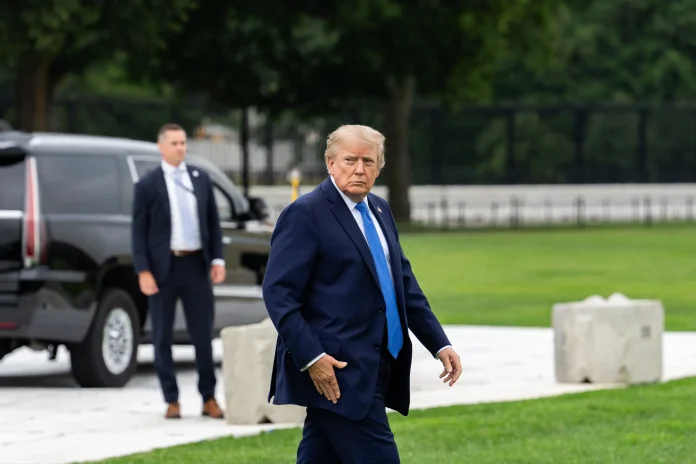
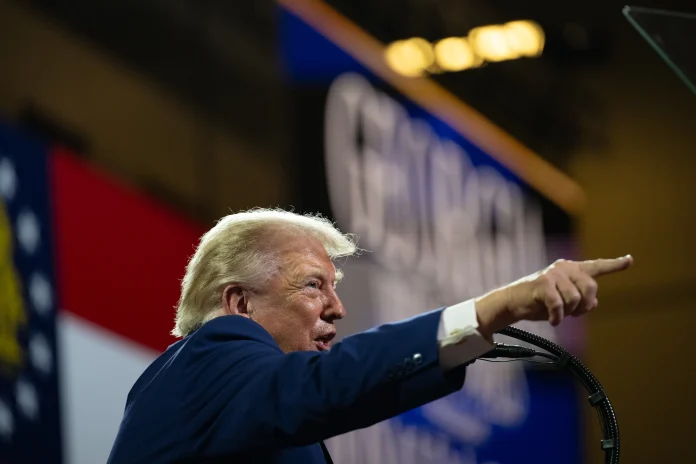
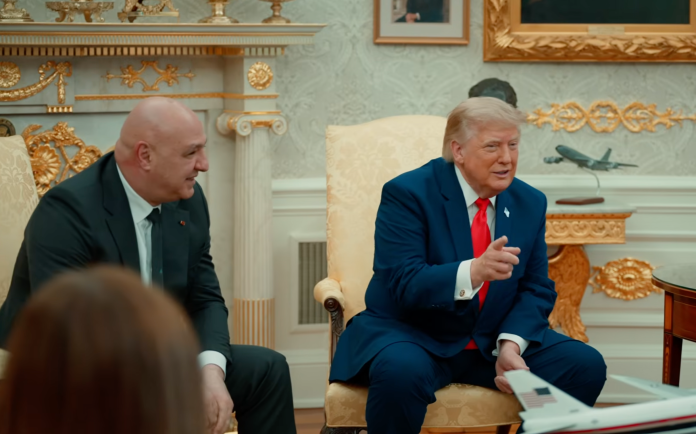
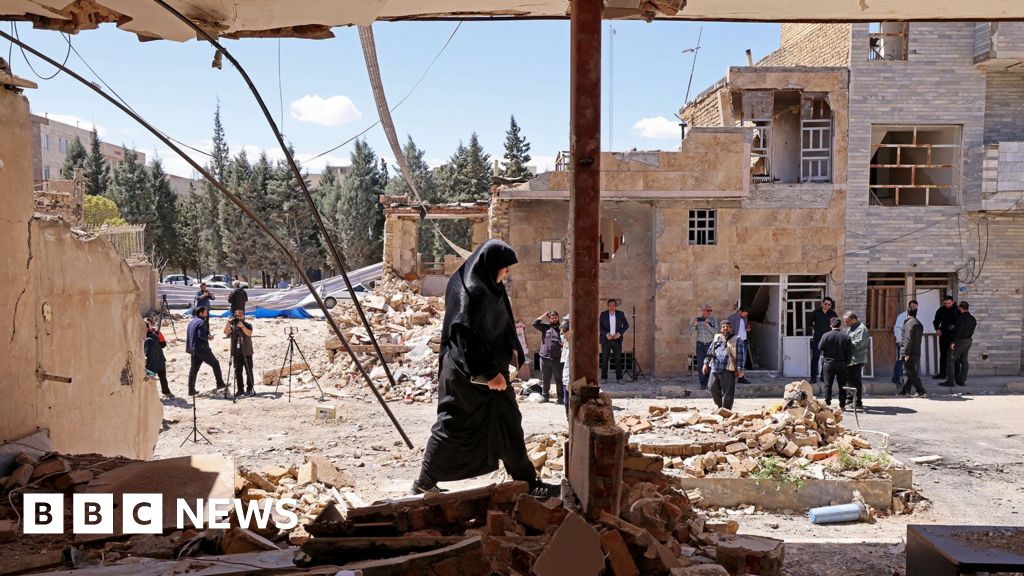
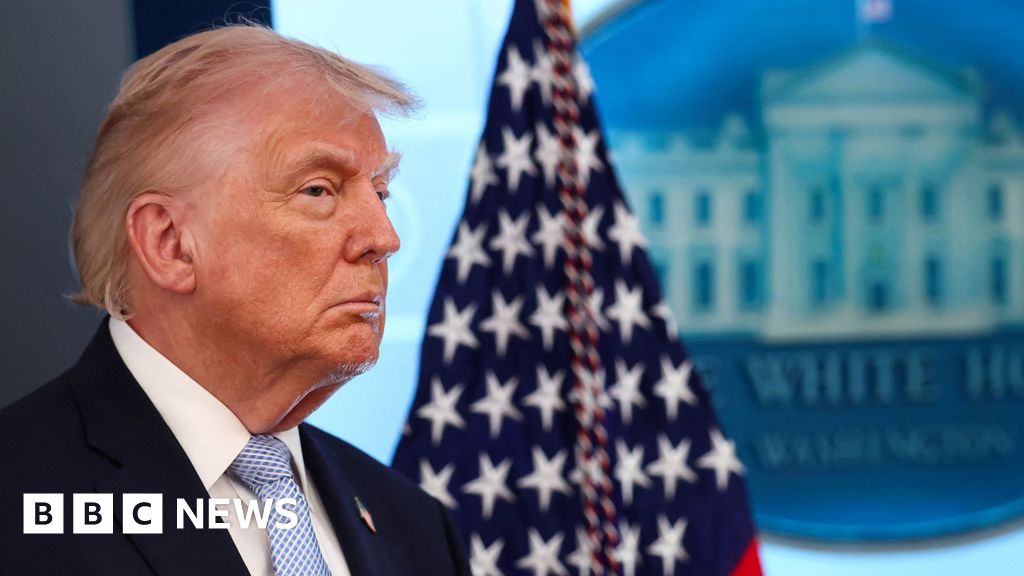
On April 7, 2026, US President Donald Trump announced a two-week provisional ceasefire with Iran, just 90 minutes before a deadline to launch a massive expansion of the bombing campaign. The deal was largely brokered by Pakistan, with additional diplomatic pressure reportedly coming from China.
The ceasefire is set for two weeks to allow for high-level diplomatic negotiations. The US has halted all offensive strikes inside Iran, though defensive operations remain in effect.
According to President Trump, Iran has agreed to the complete, immediate and safe opening of the Strait for these two weeks. Shipping will be allowed through via coordination with the Iranian military.
Minutes after Trump’s statement, Iran’s Foreign Minister Abbas Araghchi announced that a preliminary agreement had been achieved. In a separate communication, Iran’s Supreme National Security Council suggested that the ceasefire might be extended beyond the initial two-week period if talks progress positively.
Statement on behalf of the Supreme National Security Council of the Islamic Republic of Iran: pic.twitter.com/cEtBNCLnWT
— Seyed Abbas Araghchi (@araghchi) April 7, 2026
Trump described an Iranian-submitted 10-point plan as a “workable basis” for negotiation. Iran’s demands include the complete lifting of sanctions, US military withdrawal from the region, and compensation for war damages.
While Israel has agreed to support the ceasefire regarding direct strikes on Iran, Prime Minister Benjamin Netanyahu stated that the pause does not include Lebanon, where operations against Hezbollah will continue.
Formal talks between US and Iranian delegations are scheduled to begin on Friday, 10 April, in Islamabad, Pakistan.
Trump: Iran and the US will “dig up and remove” nuclear material
On 8 April 2026, President Donald Trump has stated that the US and Iran will work together to “dig up and remove” enriched uranium, which he referred to as nuclear “dust”, that was buried during previous military strikes on Iranian nuclear facilities. The Iranian government has not officially confirmed that it agreed to help the US retrieve or remove this material.
US Defense Secretary Pete Hegseth reiterated on Wednesday that any nuclear material Iran “should not have” will be removed under the terms of the truce, while noting that the US military remains “locked and loaded” should the ceasefire fail.
What led up to this?
On April 4, Trump posted a 48-hour warning, stating that “all Hell will reign down” if Iran did not agree to a deal by Monday night. He later pushed the deadline one last time to Tuesday, 7 April, at 8:00 P.M. ET.
Trump used graphic rhetoric to describe what would happen if the deadline passed, warning that Tuesday would be “Power Plant Day, and Bridge Day” and that “a whole civilization will die tonight”. He claimed the entire country could be “taken out in one night”.
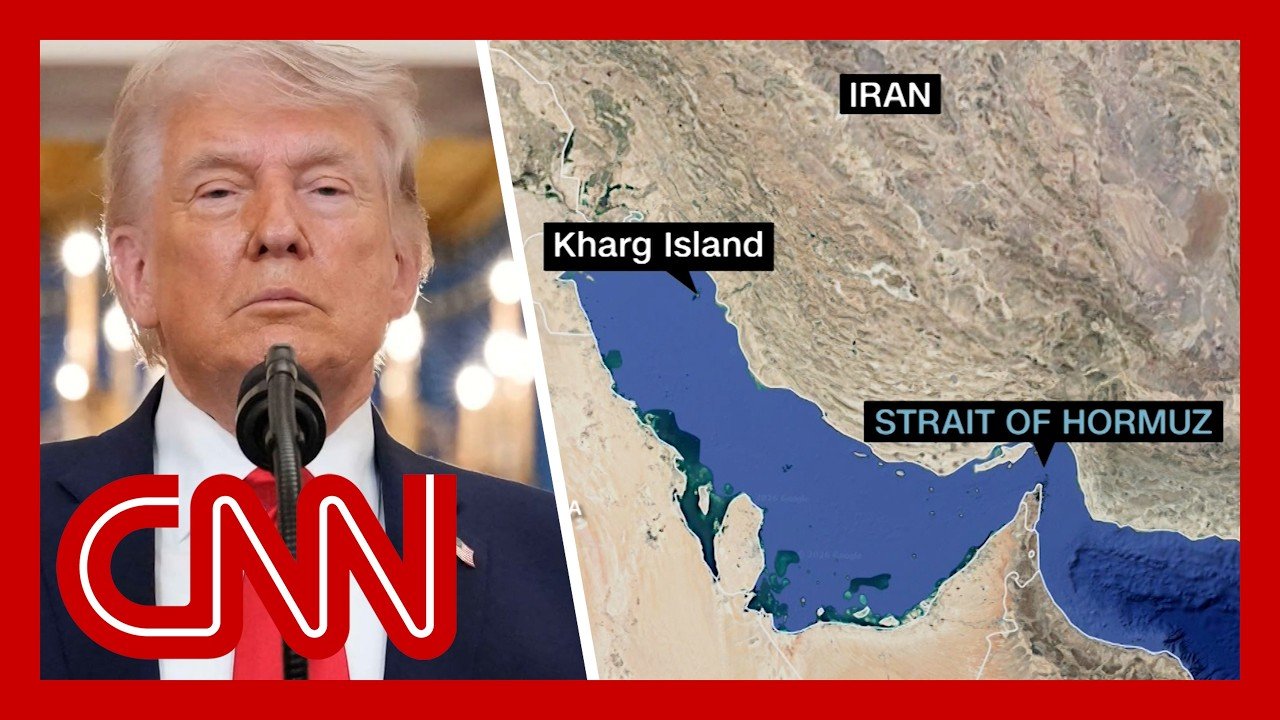
The US military conducted a fresh round of airstrikes on Iran’s Kharg Island in the early morning of April 7 prior to the ceasefire. US forces hit over 50 military targets, including air defence systems, runways, bunkers, and storage facilities.
In response to the threats, Iranian state media showed civilians forming “human chains” around power plants and bridges to act as human shields.
What’s in the 10-point plan proposed by Iran?
While minor variations exist between English and Farsi versions released by Iranian state media, the core points are as follows:
- Guaranteed Non-Aggression: A fundamental commitment from the US and its allies to cease all military aggression and ensure Iran will not be attacked again.
- Control of the Strait of Hormuz: Continued Iranian management and oversight of the waterway, with safe passage for international vessels coordinated through the Iranian armed forces.
- Nuclear Enrichment: Formal acceptance of Iran’s right to maintain a domestic uranium enrichment program for peaceful purposes.
- Lifting Primary Sanctions: The immediate removal of all direct US economic and financial sanctions on Iran.
- Lifting Secondary Sanctions: The removal of sanctions targeting third-party countries or foreign entities that do business with Iran.
- Termination of UN Resolutions: The end of all United Nations Security Council resolutions currently targeting Iran.
- Termination of IAEA Resolutions: The cancellation of all International Atomic Energy Agency (IAEA) resolutions regarding Iran’s nuclear program.
- War Reparations: Full payment of compensation to Iran for damages suffered during the conflict, estimated by some reports to be funded through transit fees in the Strait of Hormuz.
- US Military Withdrawal: The complete withdrawal of all US combat forces and the closure of bases within the Middle East region.
- Ceasefire on All Fronts: A comprehensive cessation of hostilities across the region, including an end to the war in Lebanon, Iraq, and Yemen.
Key Points of Contention
Reports suggest the plan includes a proposed $2 million fee per ship transiting the Strait of Hormuz to fund Iran’s reconstruction, a condition likely to face significant US resistance.
The phrase “acceptance of enrichment” was notably present in Farsi versions but missing from some English versions of the plan shared with international journalists.
Iran has demanded a binding UN Security Council resolution to finalize and secure any ultimate peace deal under international law.
How did the world react?
President Trump declared the deal a “total and complete victory” claiming Iran was forced to negotiate due to his military pressure, whereas the Iranian government is framing the deal as a victory, claiming they forced the US to accept their 10-point plan.
Prime Minister Benjamin Netanyahu officially supported the US decision but clarified that the ceasefire does not include Lebanon, where strikes against Hezbollah have continued. Israeli opposition figures, such as Yair Golan and Avigdor Liberman, slammed the deal as a “strategic failure” that gives Iran time to regroup.
UN Secretary-General Antonio Guterres called for all parties to honor the truce to protect civilian lives. EU foreign policy chief Kaja Kallas described it as a “step back from the brink”.
Regional leaders in Saudi Arabia, the UAE, and Egypt welcomed the pause. Pakistan, the primary mediator, received widespread praise for its role in brokering the deal.
China welcomed the agreement, highlighting its own diplomatic efforts. Russia characterized the ceasefire as a “crushing defeat” for what it called aggressive US tactics.
Ukrainian Foreign Minister Andrii Sybiha called for similar “American decisiveness” to end the war in his country.
Global markets reacted immediately to the news, with oil prices plunging and stock futures surging as the threat of an imminent, wider regional war receded.