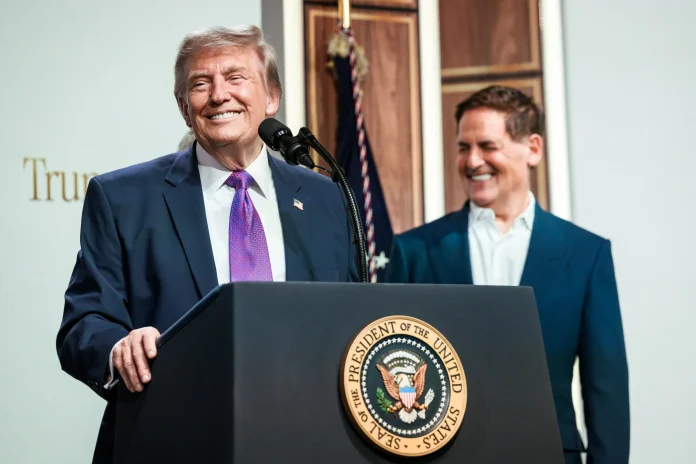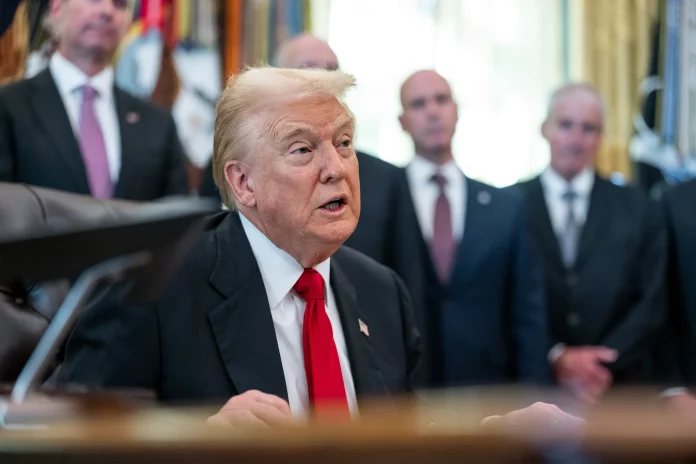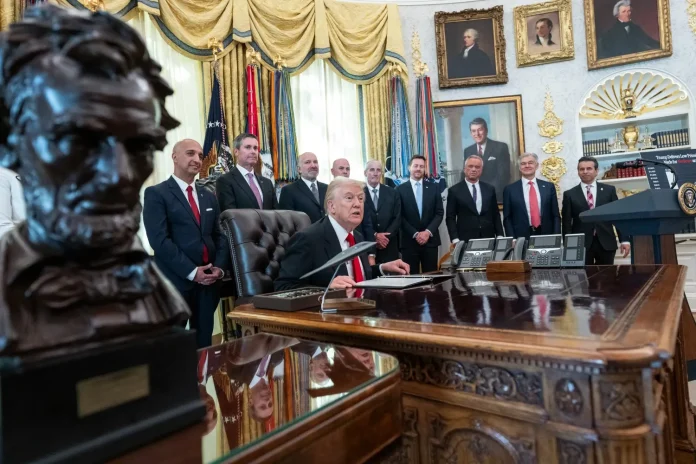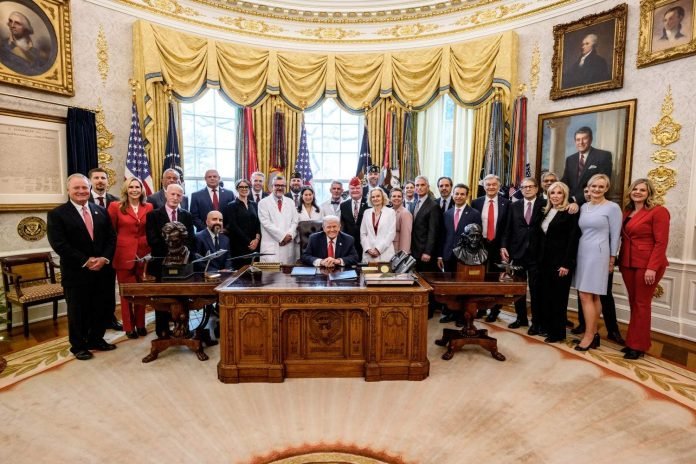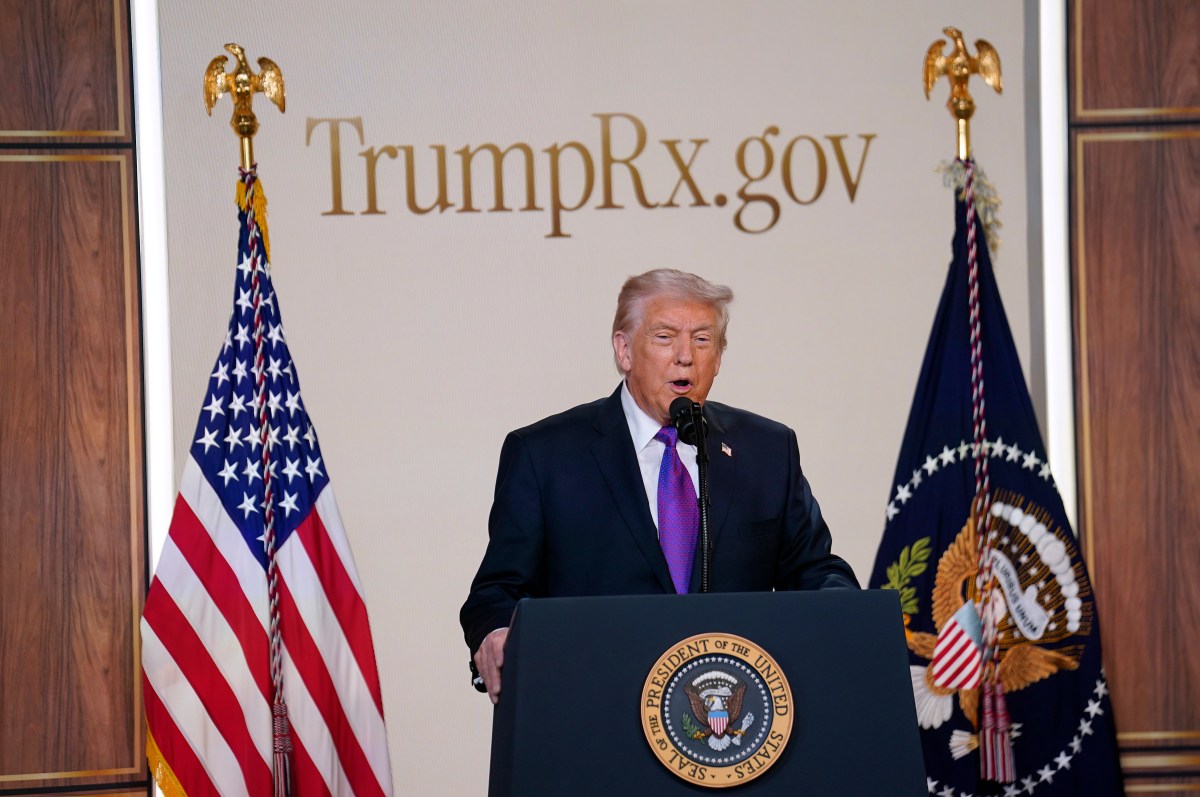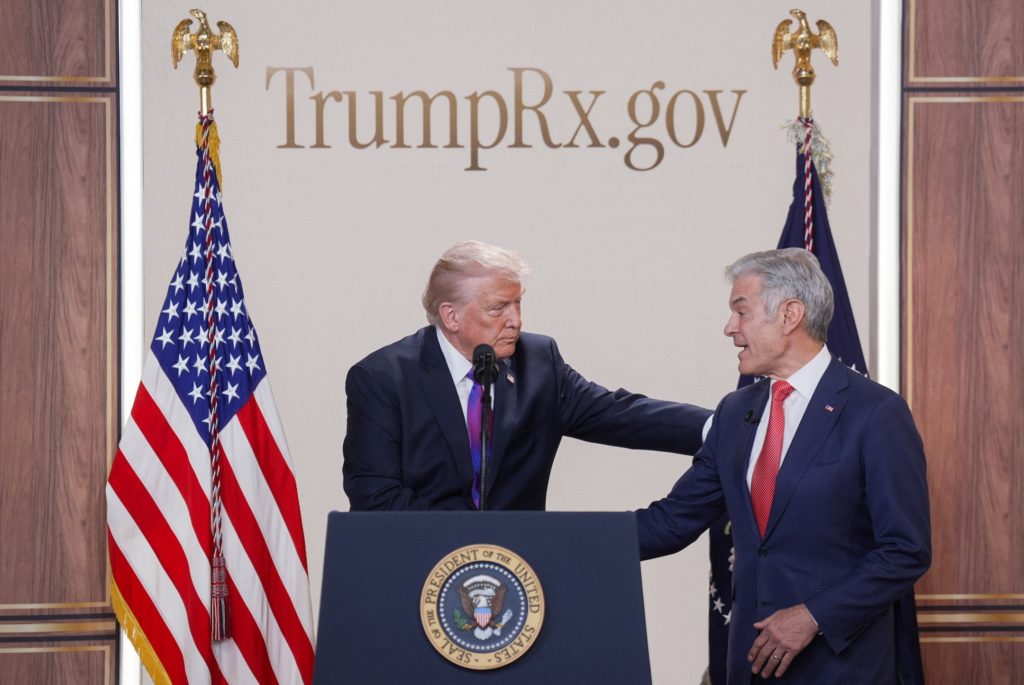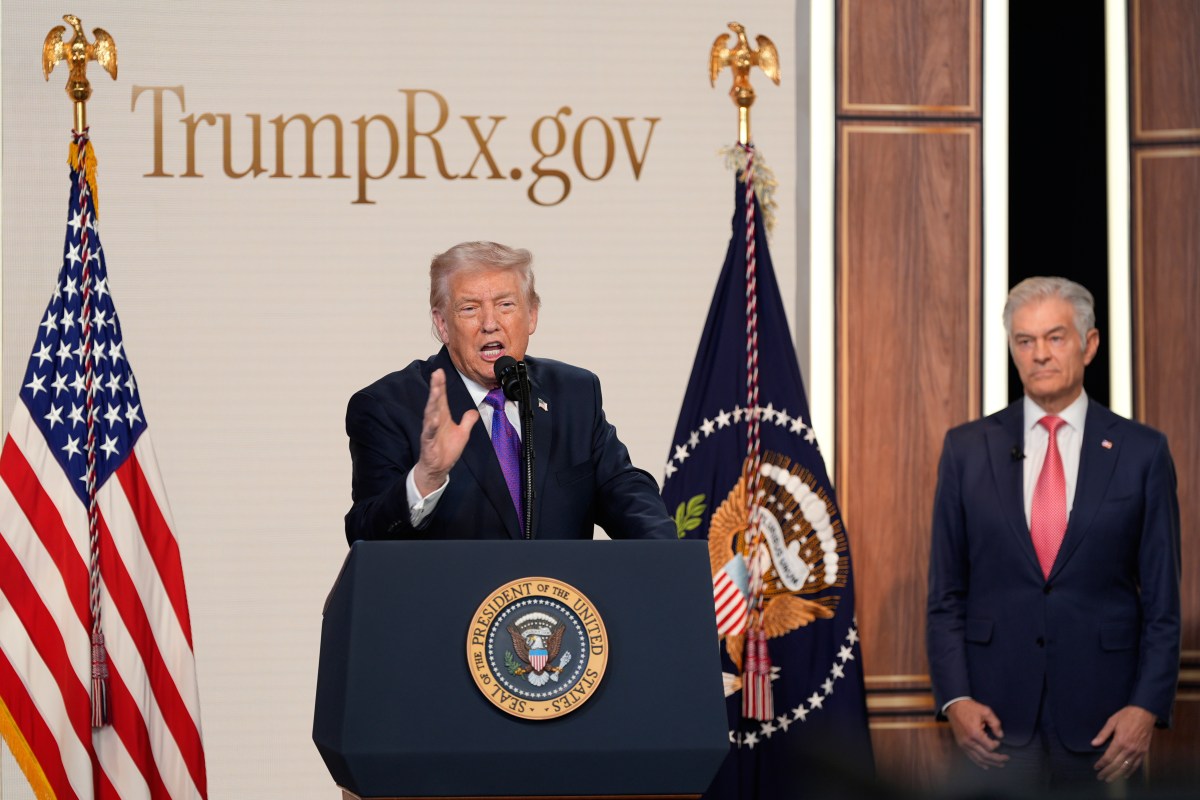
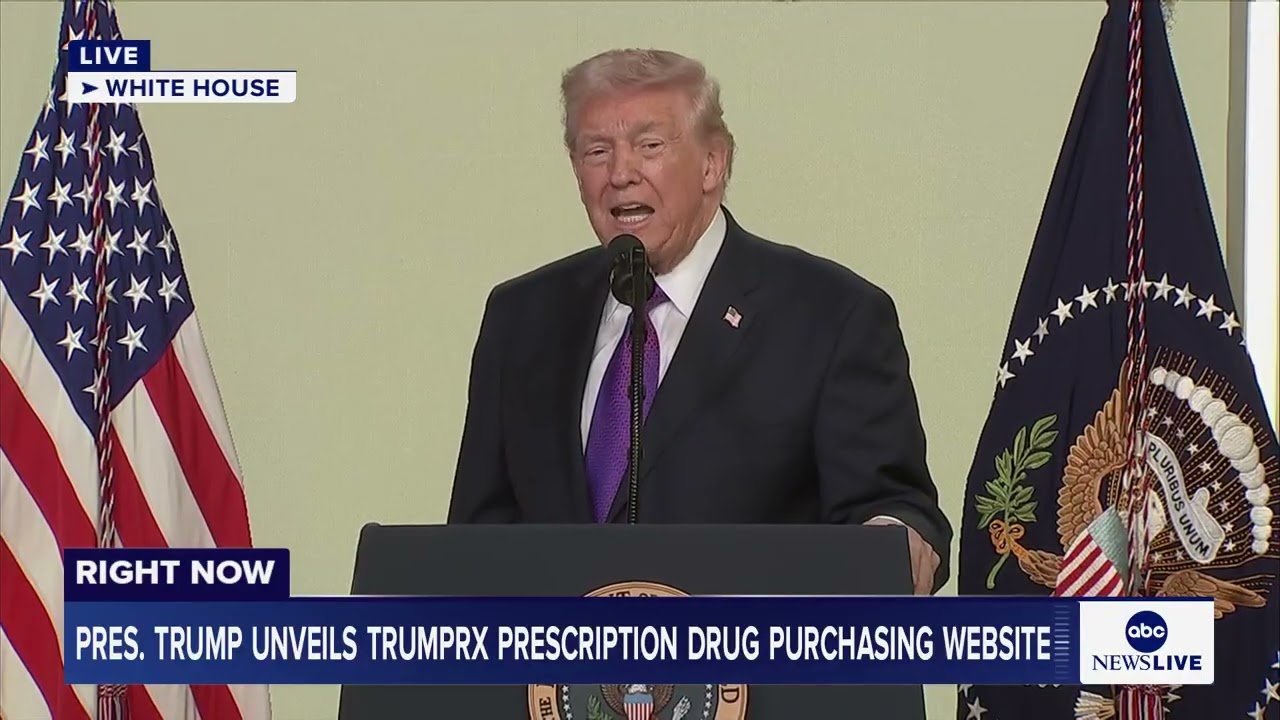
President Donald Trump has launched TrumpRx.gov, a new direct-to-consumer prescription drug platform that the White House says will help lower costs for many common medicines in the United States. The site is part of the administration’s “Make America Healthy Again” push and is tied to Trump’s effort to align US drug prices with “Most-Favored-Nation” levels paid in other developed countries.
The platform went live on Feb. 5, 2026, and functions less like a traditional online pharmacy than a search-and-discount hub. In many cases, users are directed to manufacturers’ own direct-to-consumer websites or to participating pharmacies, where they can use digital or printable coupons marked with the group code “MAHA.”
What’s on the site
TrumpRx launched with roughly 40 to 43 branded drugs from five companies: AstraZeneca, Eli Lilly, EMD Serono, Novo Nordisk and Pfizer. The featured medicines include some of the most recognizable and expensive drugs in the US market, among them Ozempic, Wegovy, Zepbound, Januvia, Plavix, Advair Diskus, Repatha, Epclusa, Gonal-F, Cetrotide and Ovidrel.
The White House says the discounts can be dramatic, with some prices cut by as much as 93% from list price. Examples highlighted at launch included GLP-1 drugs like Ozempic and Wegovy, which were promoted at as little as $149 to $199 a month, and AstraZeneca inhalers, which were advertised at sharply lower prices than typical retail list rates.
Who benefits
The biggest practical benefit is likely to go to uninsured Americans and cash-paying patients. For many insured patients, the site may offer less value, since prescription copays are often already lower than the TrumpRx cash price.
That limitation is central to the debate around the launch. Supporters say TrumpRx gives consumers a more direct way to access manufacturer discounts, while critics argue it reaches only a narrow slice of the market and does little to fix the structural reasons prescription drugs remain expensive.
The political pitch
Trump described the launch as the largest reduction in prescription drug prices in history and said it would stop Americans from subsidizing lower prices overseas. The administration is casting the program as both a consumer-relief measure and a political win, one that lets the White House claim visible progress on a longstanding voter complaint.
The launch also fits into the broader MAHA branding effort, which has become one of the administration’s key health-policy umbrellas. By putting Trump’s name on the site, the White House is making the drug-price message as much about political identity as about healthcare policy.
Industry trade-off
Behind the scenes, the deal appears to have involved a trade-off with the pharmaceutical industry. Reports indicate that drugmakers agreed to offer discounts in exchange for relief from threatened tariffs on imported medicines, effectively making the launch part of a broader negotiation rather than a purely consumer-focused initiative.
That has given critics more ammunition. Democrats have dismissed TrumpRx as a glorified coupon book, arguing that it adds another layer of complexity without tackling the deeper drivers of US drug pricing.
Bigger picture
TrumpRx is unlikely to transform the prescription drug market on its own, but it does give the administration a visible platform to show action on prices. The real test will be whether the site expands beyond a small set of branded drugs and delivers meaningful savings to enough patients to matter politically and commercially.
For now, it is a high-profile launch with a narrow initial reach: part pricing tool, part policy signal, and part branding exercise.
Read also:
Trump launches “The Great Healthcare Plan”