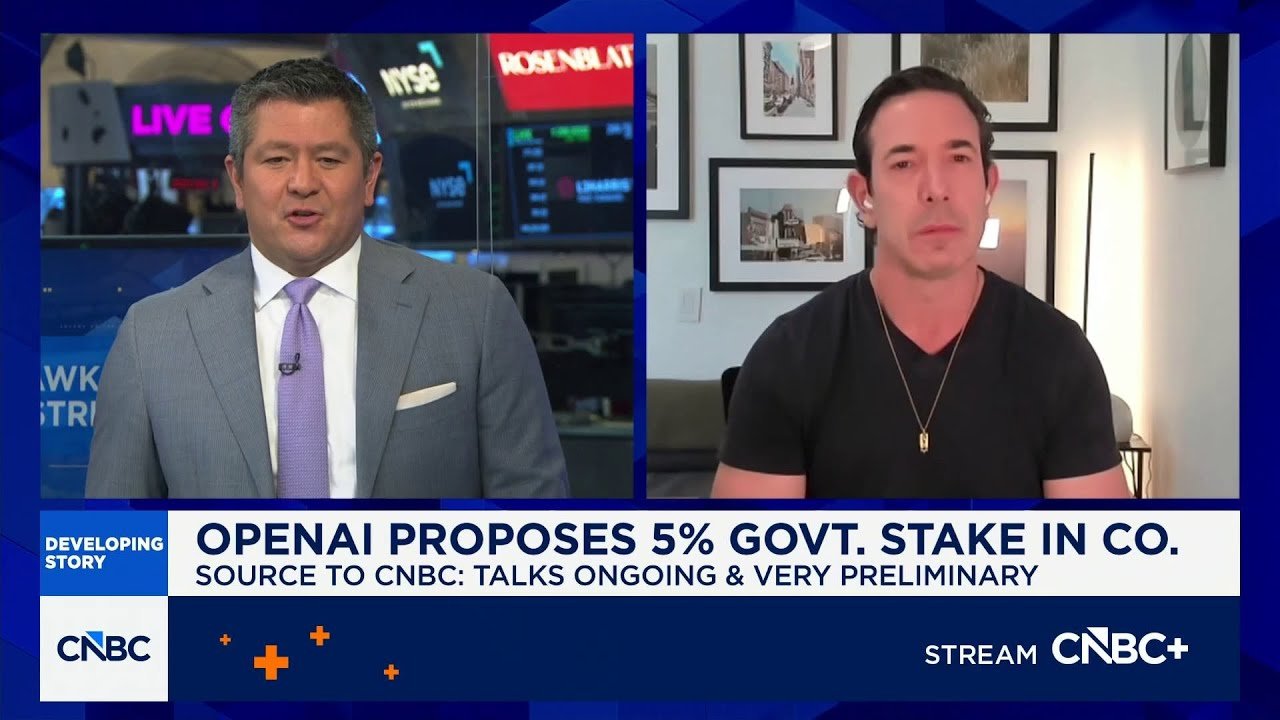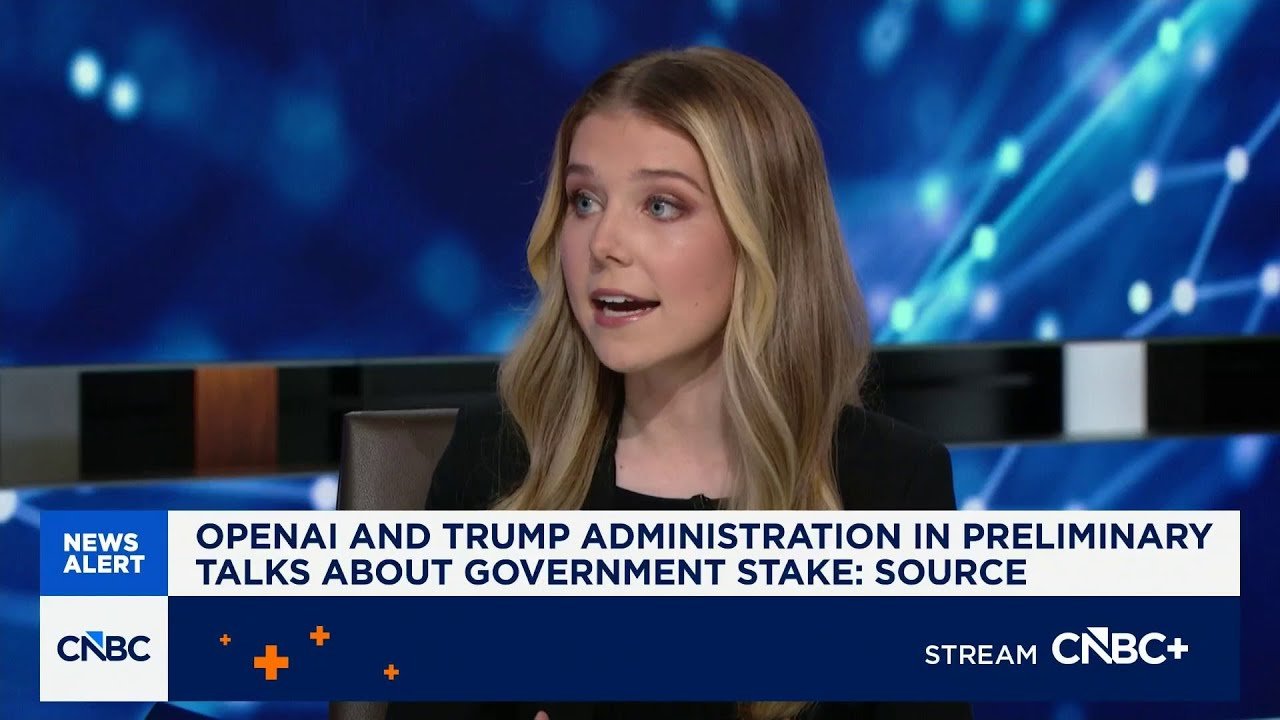
First reported by the Financial Times, OpenAI has reportedly proposed transferring a 5% equity stake in the company to the U.S. government to seed a national “public wealth fund” designed to give Americans a direct financial stake in AI-driven gains.
The 5% stake would be worth roughly $42.6billion based on OpenAI’s post-money valuation of $852billion from its March funding round, according to reporting and company filings cited by multiple outlets.
What was proposed and who was talked to
OpenAI CEO Sam Altman has discussed the idea directly with President Donald Trump, Commerce Secretary Howard Lutnick, and Treasury Secretary Scott Bessent, according to the Financial Times and other outlets citing people familiar with the conversations.
The proposal would have Washington hold the donated shares in a sovereign-wealth-style vehicle modeled on the Alaska Permanent Fund, which distributes investment returns to residents, and that vehicle could distribute economic returns from the AI sector to U.S. citizens.
Why OpenAI floated the idea
Company leaders framed the plan as a way to share the economic upside of AI with the public and to reduce political and regulatory pressure on the industry as advanced models raise safety and national-security concerns.
The talks come amid heightened scrutiny in Washington — including a request from the White House to limit the release of OpenAI’s advanced GPT-5.6 model to approved partners for now — which has sharpened the stakes for the firm’s relationship with policymakers.
The broader vision and potential scope
Altman reportedly proposed that the U.S. hold 5% stakes across leading American AI developers, encouraging other firms such as Anthropic and large tech players like Google and Meta to participate in a shared fund that captures gains broadly across the sector.
It is unclear whether other labs or platform owners would accept the arrangement, and several reports stress the discussions are in early, conceptual stages rather than finalized deals.
Political reception and next steps
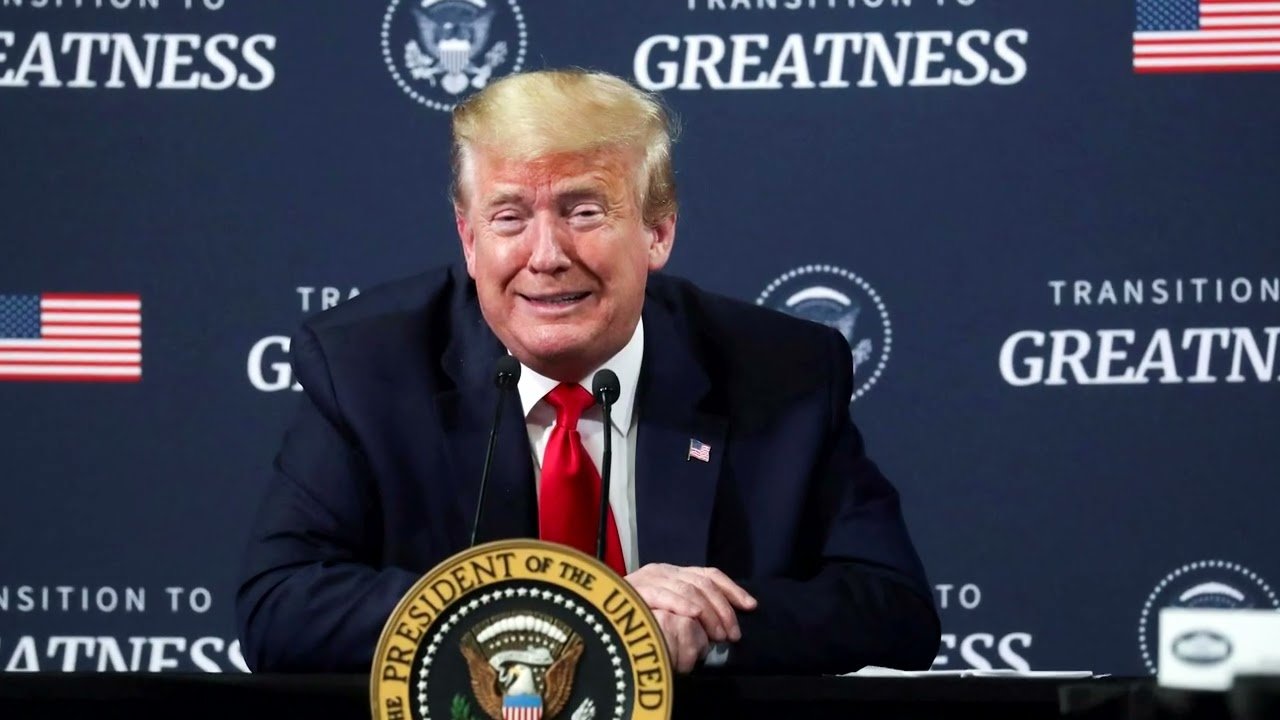
President Trump has publicly described government ownership stakes in tech as “a beautiful thing,” and the current administration has previously taken equity positions in strategic firms as part of industrial policy moves, a political context that helps explain both interest and receptivity.
Any formal transfer or creation of a public fund would likely require congressional action or a legal framework to govern how the fund is run and how returns would be distributed to citizens, according to reporting on the dossier.
Responses, reactions and outstanding questions
OpenAI and the White House had not publicly confirmed a binding agreement at the time of reporting, and several outlets flagged the proposal as preliminary and contingent on further negotiation and legal design.
Progressive figures such as Senator Bernie Sanders have reportedly been pitched the broader wealth-sharing concept and have advocated for larger public ownership shares — far above the 5% OpenAI floated — even as some Democrats and Republicans differ on mechanism and control.
Why it matters for the public and platforms
Proponents say a public wealth fund could make the public direct beneficiaries of rapid value creation in AI rather than leaving gains concentrated among investors and employees, potentially creating a new model of social licence for powerful technologies.
Critics will ask how a donated equity stake interacts with competition law, corporate governance, national-security review, and whether a fund seeded with donated shares would truly deliver broad-based, long-term benefits to households.