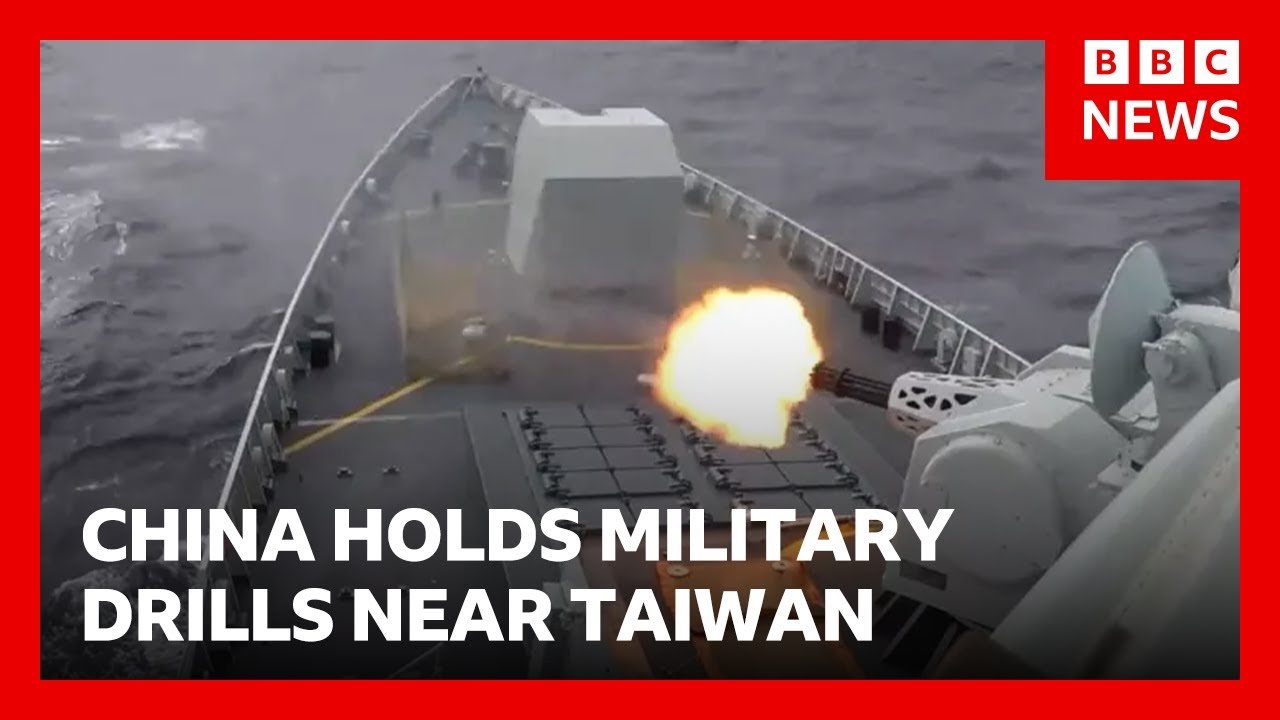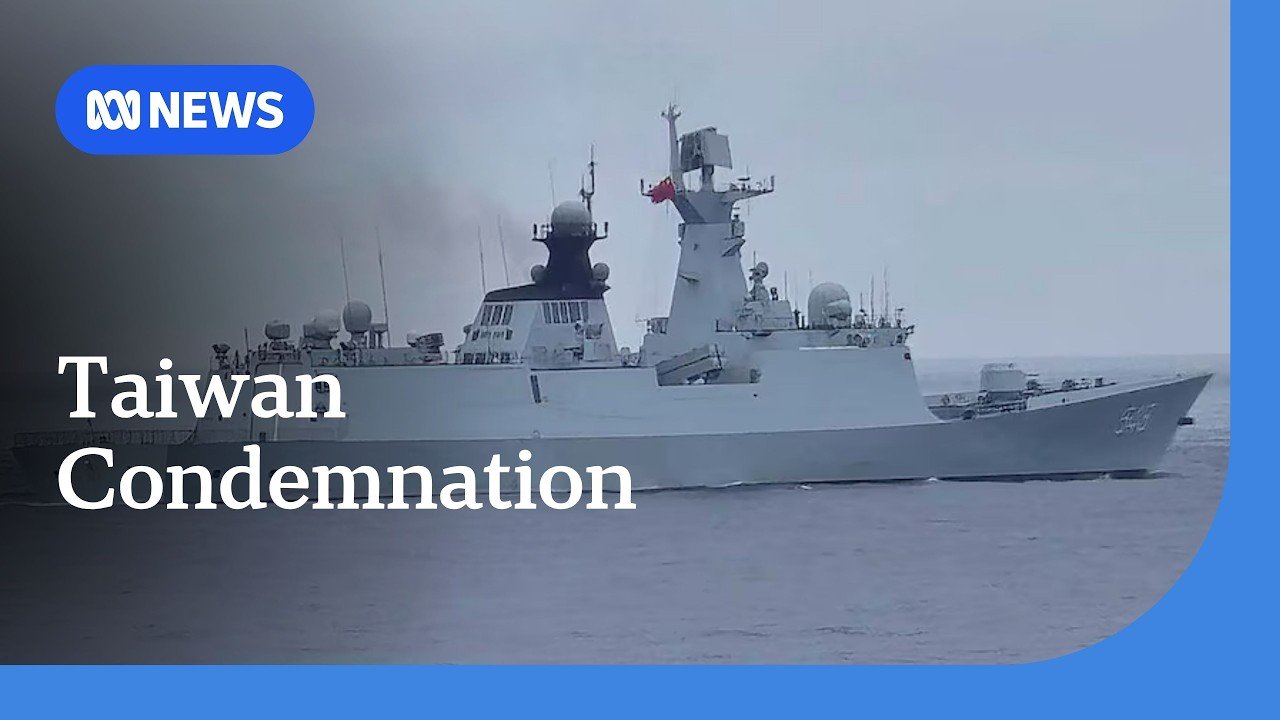



Taiwan has strongly condemned a joint naval exercise between China and Indonesia held east of the island on August 12, 2026, marking the first time the Chinese military has conducted training with a foreign navy in those specific waters.
The drill coincided with Taiwan wrapping up its largest and most realistic annual military exercises, the 10-day Han Kuang war games, which heavily emphasized unscripted, decentralized, and combat-realistic scenarios aimed at preparing both the armed forces and civilian population for a potential Chinese invasion or total blockade.
The China-Indonesia naval exercise
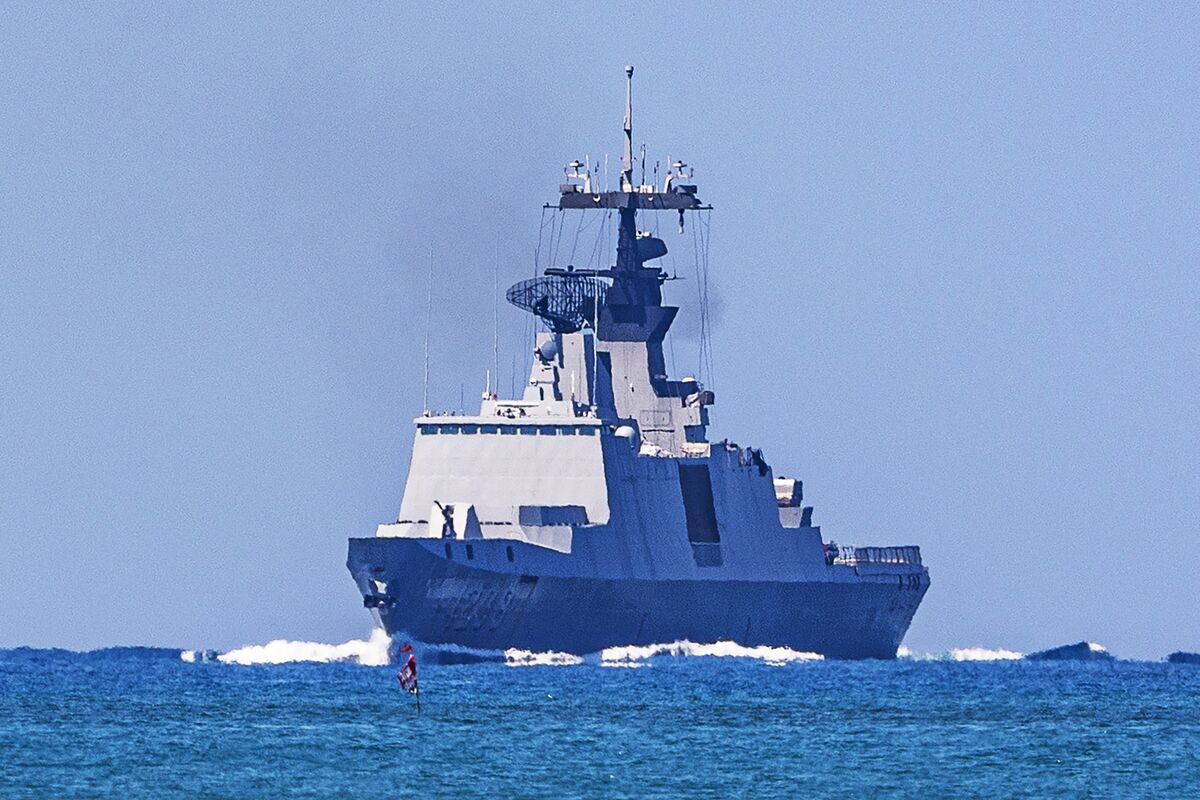
The People’s Liberation Army (PLA) Navy Type 054A frigate Honghe and the Indonesian Navy frigate KRI I Gusti Ngurah Rai conducted a passing exercise (PASSEX) in the waters east of Taiwan. The drill focused on maritime communications, tactical signaling, formation maneuvers, and at-sea replenishment operations.
According to Chinese state media, the exercise demonstrated the two navies’ willingness and capability to conduct practical cooperation and jointly contribute to regional peace and stability. The Chinese Ministry of National Defense announced the exercise on August 11, stating it aimed to enhance joint operational capabilities and deepen practical bilateral cooperation.
Taiwan’s furious reaction
Taiwan’s Mainland Affairs Council strongly condemned the drill as a “military provocation” and “dangerous”. Taiwanese officials accused Beijing of political manipulation to falsely project maritime jurisdiction over the waters east of the island.
Taiwan’s Ministry of Foreign Affairs said it had asked Indonesia to clarify the joint naval exercise, expressing alarm over the location. According to geointelligence firm ingeniSPACE, the exercise took place within Taiwan’s exclusive economic zone (EEZ), with the Indonesian vessel’s Automatic Identification System (AIS) showing it entered Taiwan’s EEZ before aligning with the Chinese frigate.
Indonesia’s explanation
The Indonesian Navy stated the drill was routine maritime diplomacy and not related to “war fighting.” The ship was conducting standard passing drills with countries along its route home from Vladivostok, Russia.
The Passing Exercises are not war-fighting in nature, but rather a universal naval tradition conducted when passing through the waters of another country.
First Admiral Tunggul, head of the Indonesian Navy Information Service
The Indonesian Navy described PASSEX activities as “goodwill engagements that are commonly conducted by navies around the world as an expression of naval brotherhood and the maritime diplomacy associated with warships.”
US response
The US State Department urged China to cease its military pressure and called on other nations to encourage peaceful cross-strait dialogue instead of amplifying Beijing’s narratives.
“The United States urges China to cease its continuous military pressure against Taiwan and instead engage in meaningful dialogue with Taiwan,” a State Department spokesperson said. “We call on other countries to encourage the peaceful resolution of cross-Strait issues instead of amplifying Beijing’s destabilising narratives.”
Taiwan’s Han Kuang: Largest War Games Yet
Taiwan wrapped up its largest and most realistic annual military drills on August 14, with the Han Kuang exercises running for 10 days and nine nights. The 2026 war games heavily emphasized unscripted, decentralized, and combat-realistic scenarios aimed at preparing both the armed forces and the civilian population for a potential Chinese invasion or total blockade.
First-ever anti-blockade naval drill
Taiwan’s Navy and Coast Guard conducted their first-ever joint anti-blockade exercise off the east coast. A Yushan-class amphibious transport dock played the role of a vital merchant ship, and vessels practiced clearing minefields and escorting critical supplies safely to port.
The navy worked with coast guard vessels to complete escort and security protection duties, while a minesweeper cleared a safe navigation channel and guided the simulated merchant vessel to port, Taiwan’s defence ministry said. The drill took place on Taiwan’s east coast and was designed to enhance cross-agency coordinated response and maritime defense resilience.
Defending critical infrastructure
On the ground, troops in Taipei set up metal barricades, barbed wire, and concrete obstacles across main thoroughfares to practice stopping a simulated PLA assault on the capital city. The exercises brought together officials from central and local government agencies to coordinate under various wartime scenarios.
One exercise in Yilan County simulated the blocking of Hsuehshan Tunnel to prevent Chinese forces from using it to advance on Taipei. The annual Han Kuang exercises are designed to test Taiwan’s military readiness and its ability to coordinate with civilian authorities.
Advanced weaponry deployments
The drills showcased advanced US-made assets, including M1 Abrams tanks and HIMARS rocket artillery systems, alongside French-built Mirage fighter jets. The display of advanced weaponry underscored Taiwan’s commitment to maintaining credible defensive capabilities amid growing regional tensions.
Radical expansion of civilian defense
Mobile internet “throttling”
In a major first, the government intentionally slowed down mobile internet speeds to 256 Kbps in central and northern Taiwan during air-raid simulations. This simulated text-only communications to prepare the population for an absolute digital blackout caused by wartime cyberattacks.
The exercise tested civilian resilience and coordination between central and local government agencies under emergency conditions. Officials said the throttling was designed to prepare citizens for potential total communication blackouts during wartime scenarios.
Urban air raid sweeps
Sirens emptied the bustling streets of Taipei for 30 minutes during mock air raids. Commuters and drivers were pulled aside by military police to seek immediate underground shelter. The broader war games also tested civilian resilience, including mobile internet “throttling” simulations to prepare for total communication blackouts and mock air raids that cleared city streets.
Government continuity drills
President Lai Ching-te, donning body armor and a helmet, was whisked away in an armored vehicle to a secure military command bunker to simulate running government operations under heavy emergency pressure. The exercise demonstrated the government’s commitment to maintaining continuity of operations even under extreme wartime conditions.
Beijing’s Dismissive Response
China’s Ministry of Defense officially blasted the exercises as a “wasteful charade” that only served to fuel “war panic”. While Taiwan was drilling, Beijing deployed high-alert combat readiness patrols—including fighter jets, bombers, and warships—to closely track and encircle the island.
Chinese state media reported that the PLA placed its forces on high alert during Taiwan’s war games. Beijing deployed fighter jets and warships to conduct “combat readiness patrols” across the Taiwan Strait to closely monitor Taiwan’s defensive maneuvers.
The timing of the China-Indonesia exercise alongside Taiwan’s Han Kuang drills highlighted increasing tensions in the waters east of Taiwan, which are also close to Japan and the Philippines.
The exercise represented a rare moment of diplomatic friction between Taiwan and Indonesia, with Taipei seeking clarification from Jakarta over its participation in the joint drill with Beijing.