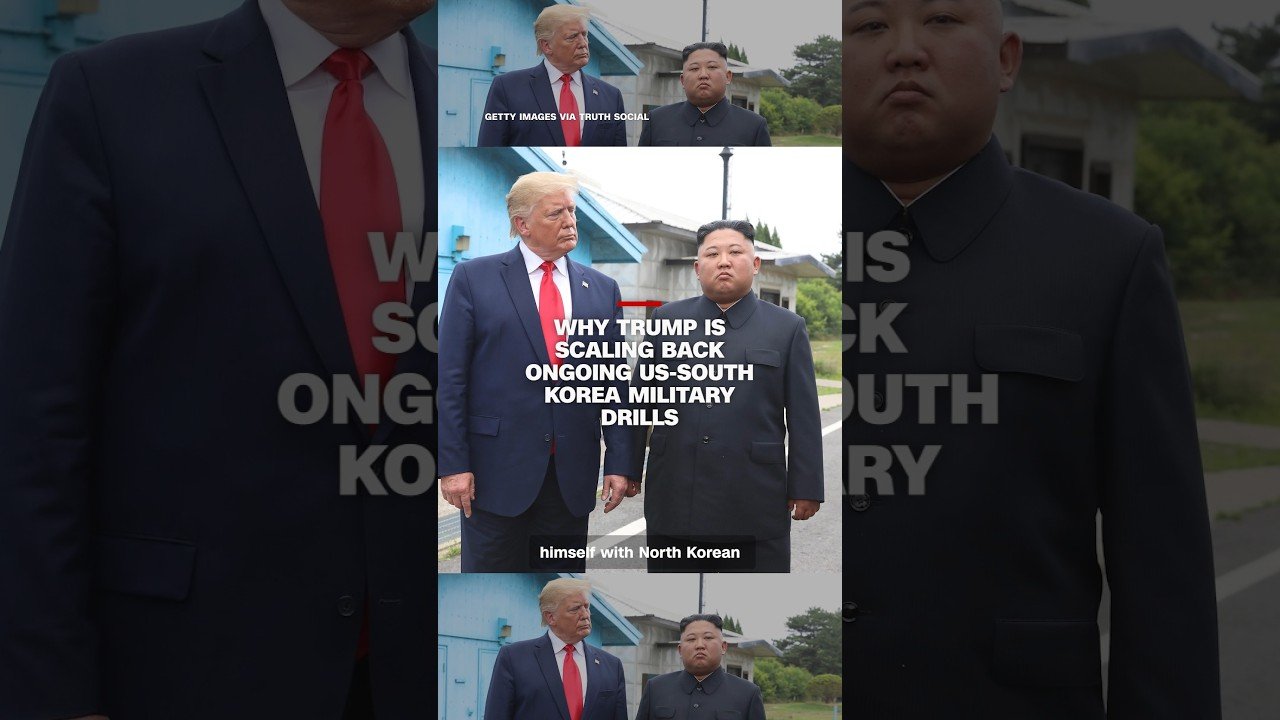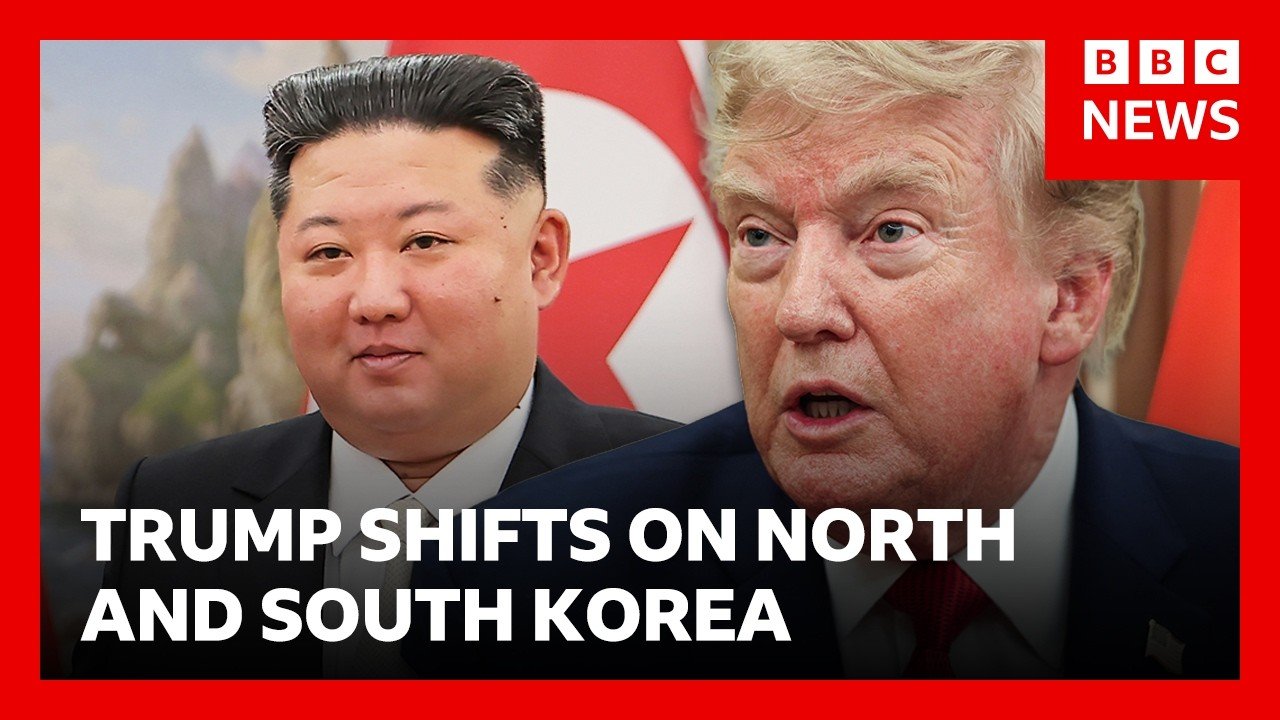







In a dramatic sequence that laid bare the volatility of US outreach to North Korea, President Donald Trump ordered a last‑minute, deep cut to the annual Ulchi Freedom Shield war games with South Korea—only for Pyongyang to respond hours later by launching a volley of about 10 short‑range ballistic missiles into the Sea of Japan.
The moves, unfolding over three days in mid‑August 2026, underscored the gap between Trump’s personal diplomacy and the region’s hard security realities.
What Trump ordered—and why
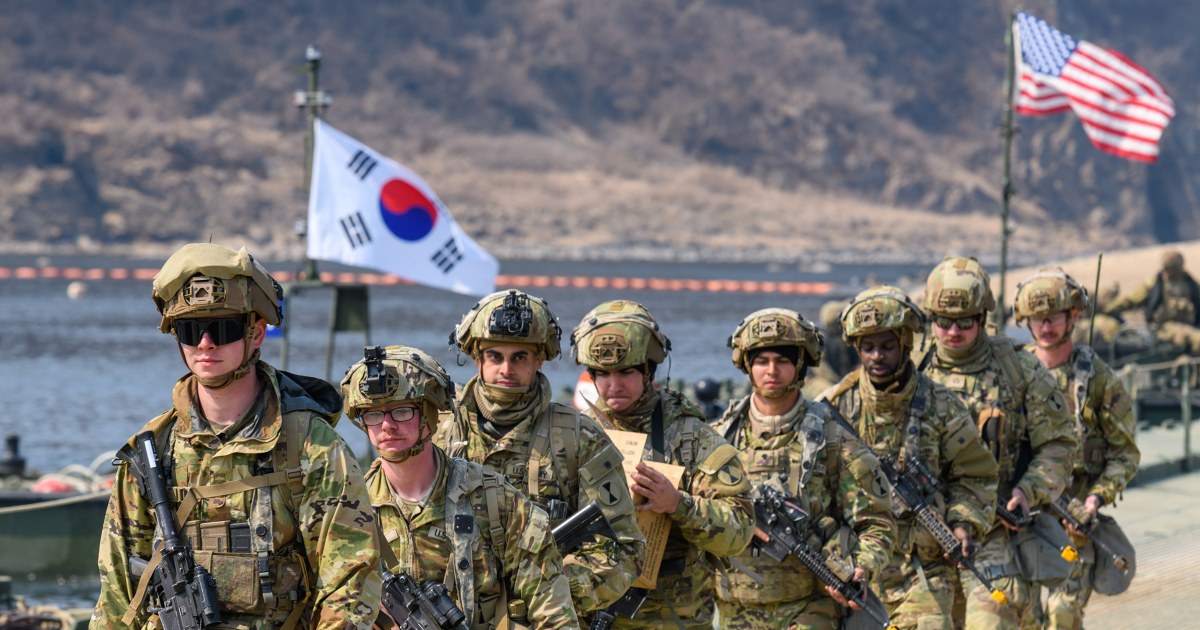
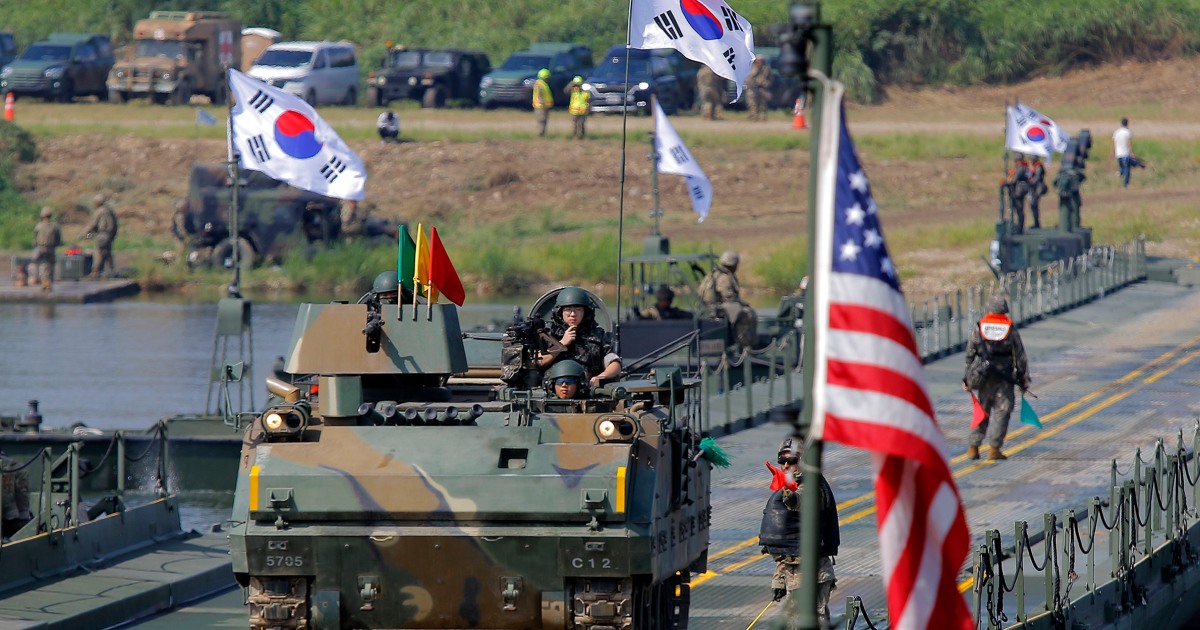
Trump’s directive came on Sunday, August 16, 2026, a day before the 11‑day Ulchi Freedom Shield exercises were set to begin, instructing the Pentagon to “substantially reduce” the drills and telling Defense Secretary Pete Hegseth to carry out the cuts. In public remarks and posts, Trump gave three main reasons:
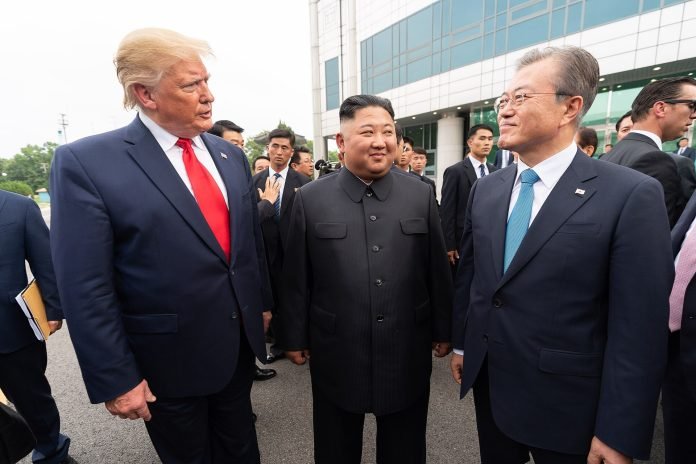
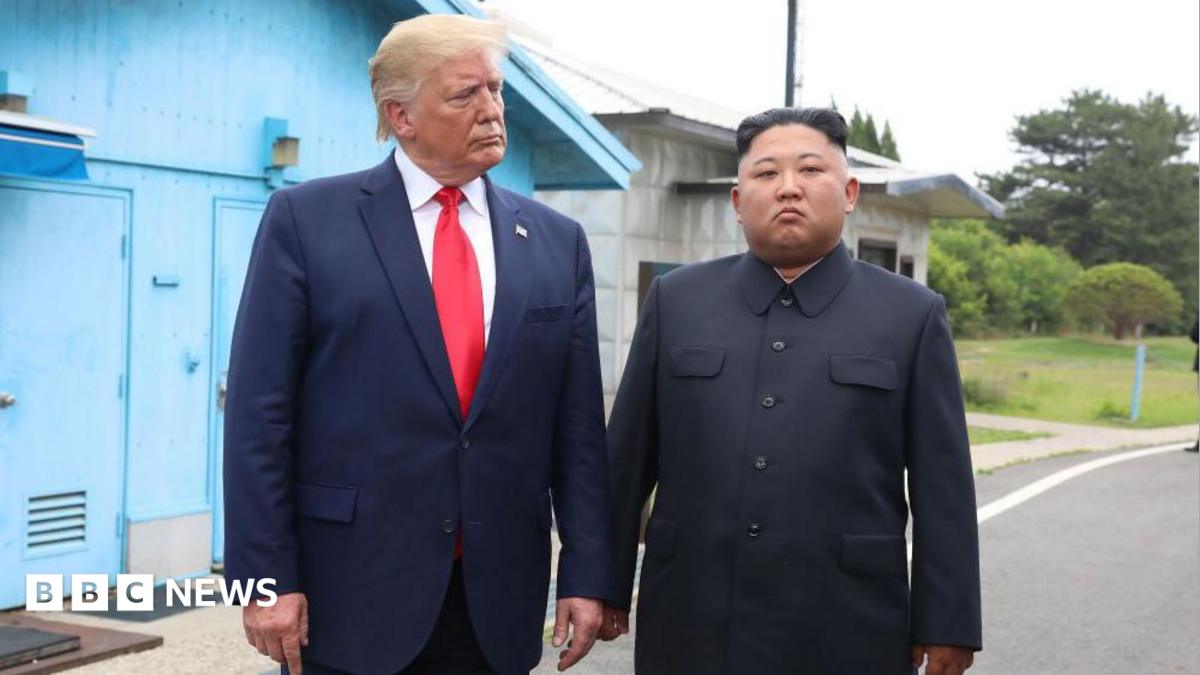
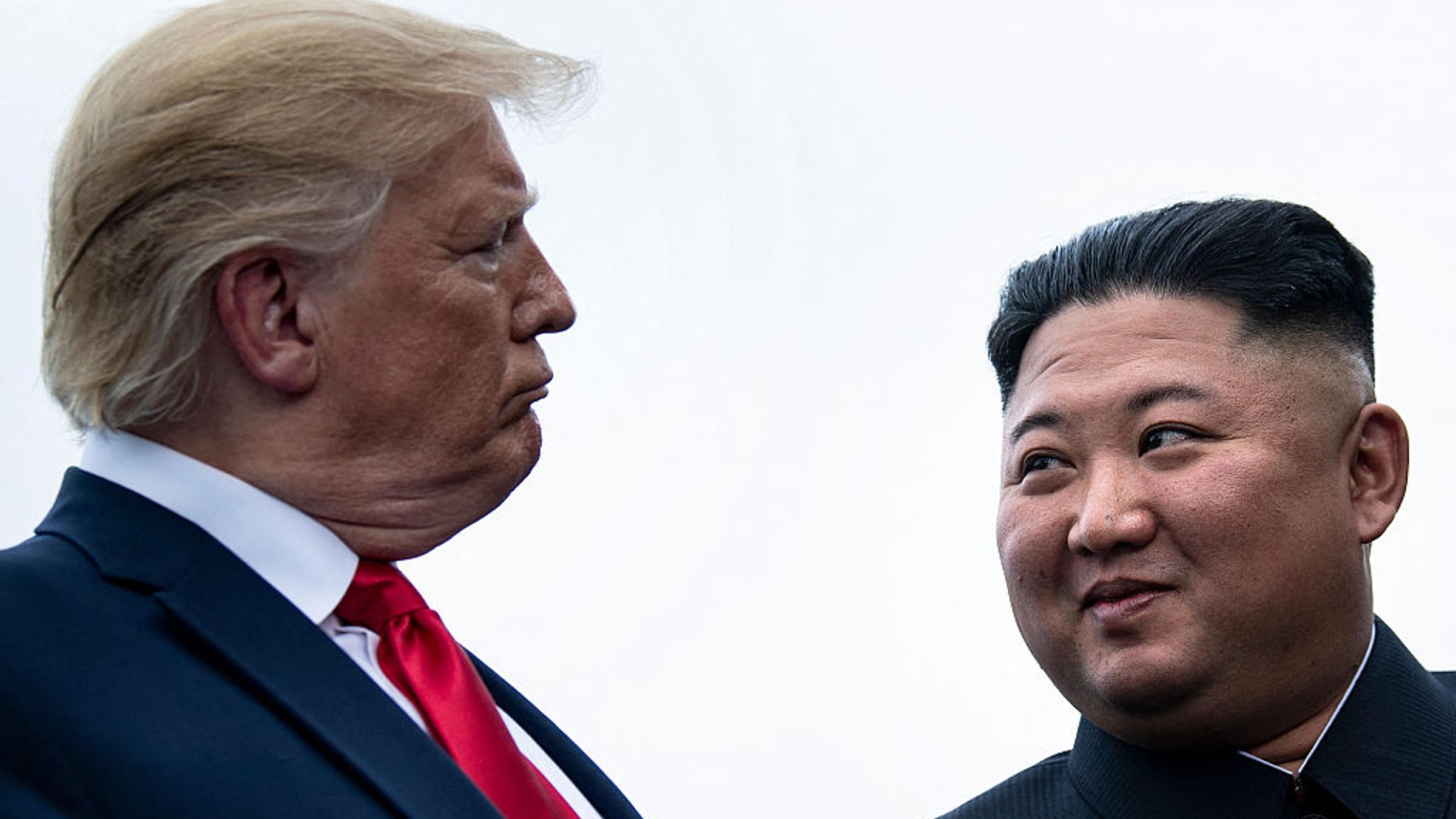
- Diplomacy with North Korea: He said the large‑scale exercises sent a “totally inappropriate and hostile” signal to Pyongyang and argued that scaling them back would help reopen talks, citing his “very good relationship” with Kim Jong Un.
- Frustration over Iran: He complained that Seoul had declined to support US military efforts related to Iran, framing the drills as a burden the ally was unwilling to reciprocate in other theaters.
- Cost: Echoing criticisms from his first term, he called the annual war games excessively expensive for US taxpayers.
How the drills were scaled back
After Trump’s order, Seoul and Washington adjusted Ulchi Freedom Shield mid‑stream:
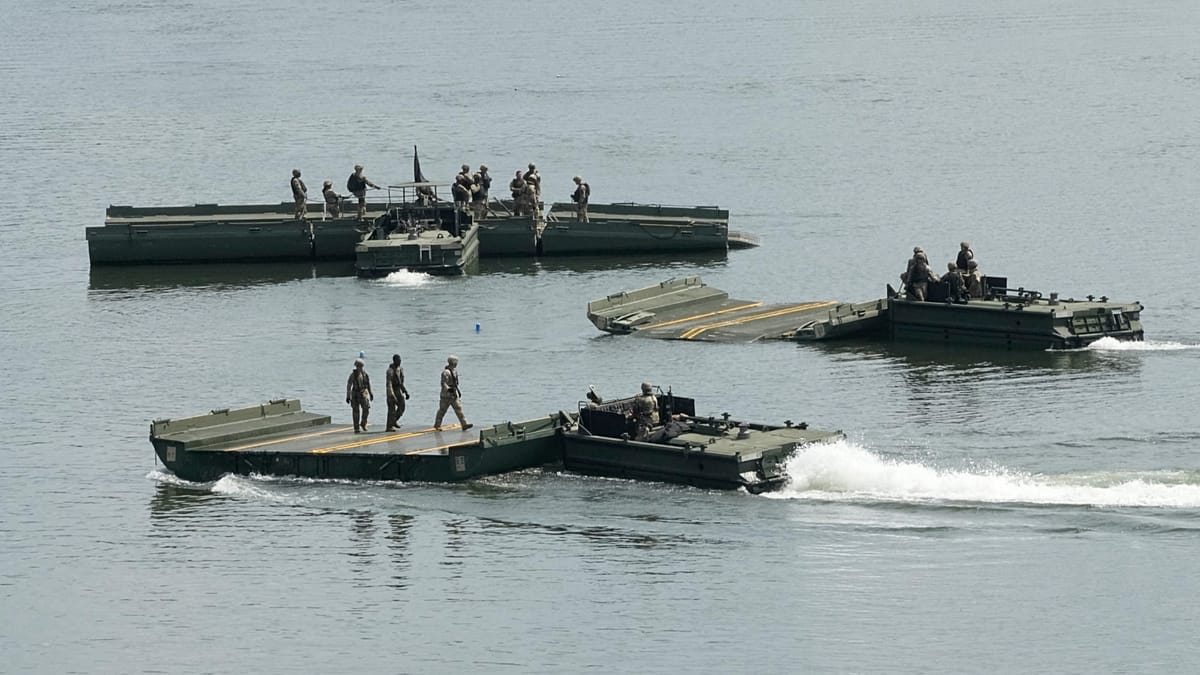
- Duration cut: The exercise, which began on Monday, August 17, was shortened from 11 days to five and will now end on Friday, August 21—six days earlier than originally planned.
- Field training reduced: Combined live‑fire and maneuver events were scaled back, with some canceled outright.
- Simulations substituted: The second phase, which typically focuses on counter‑offensive operations, was largely swapped for computer simulations rather than real‑world field training.
South Korean officials described the changes as made “at Washington’s suggestion,” while a US Defense Department official said the reductions preserved essential readiness objectives despite fewer live events.
Analysts, however, warned that trimming stress‑tested field exercises risks eroding deterrence at a time when North Korea is adapting tactics learned from the Ukraine war.
North Korea’s response: A barrage of missiles
On Thursday, August 20, at about 5pm local time, North Korea fired a barrage of roughly 10 short‑range ballistic missiles from the Pyongyang area toward the sea off its eastern coast. South Korea’s Joint Chiefs of Staff said the projectiles flew around 300 kilometers and landed in the Sea of Japan outside Japan’s exclusive economic zone.
The launch came just hours after Trump reiterated his desire to meet Kim later this year—and one day after Kim Yo Jong, the leader’s influential sister, publicly dismissed the idea that any leader‑level talks were underway.
Kim Yo Jong rejects Trump’s “talks” narrative
In a statement carried by KCNA on August 19, Kim Yo Jong said she was “completely unaware” of any recent communication between the two leaders, calling it likely “the only matter” concerning supreme leadership foreign policy that she did not know about.
She added that US “hostile policies” toward North Korea remained unchanged and brushed off the drill reduction as insignificant so long as the exercises continued at all.
Regional reactions and the nuclear numbers dispute
- South Korea: The presidential office convened an emergency security meeting and condemned the launches as a grave violation of UN Security Council resolutions, ordering the military to maintain full readiness during the ongoing drills.
- Japan: Authorities issued emergency alerts and lodged a diplomatic protest with Pyongyang via Beijing, while confirming the projectile(s) had fallen outside Japan’s EEZ.
- China: Foreign Minister Wang Yi, visiting Seoul this week, urged South Korea to stay neutral and called on the US to abandon “hostile policies” toward North Korea to help de‑escalate tensions.
The episode also highlighted a public discrepancy over North Korea’s nuclear arsenal: Trump has cited a figure of 57 nuclear weapons, while South Korean defense authorities estimate 80–120.
Why this matters for the Alliance—and for Trump’s diplomacy
Trump’s move reframed a core alliance readiness activity as a bargaining chip for personal diplomacy, catching some South Korean officials off guard and prompting concerns that Washington was signaling conditionality in its security commitments. The missile volley, in turn, suggested Pyongyang’s intent to test that signal—rejecting the optics of US concessions while demonstrating it can still escalate on short notice.
For readers following the intersection of great‑power diplomacy and alliance management, the key takeaway is structural: even if leader‑level chemistry improves, the underlying drivers of tension—nuclear capabilities, missile testing, and competing definitions of “hostile” policy—remain largely untouched.