In the most recent national elections held on March 15, 2026, the ruling Workers’ Party of Korea (WPK) and its allies reportedly secured 99.93% of the vote, winning all 687 seats in the Supreme People’s Assembly (SPA).
The 2026 elections were the first national-level polls since 2019, delayed for two years to align with the cycle of the 9th Workers’ Party Congress, where Kim Jong Un was re-elected as General Secretary.
All 687 candidates, pre-approved by the ruling establishment, were elected. Over 70% of deputies were replaced with new faces, indicating a significant internal power consolidation by Kim Jong Un.
For the first time in a national SPA election since 1957, state media acknowledged “against” votes, totaling 0.07% of the ballots.
Parliamentary confirmation
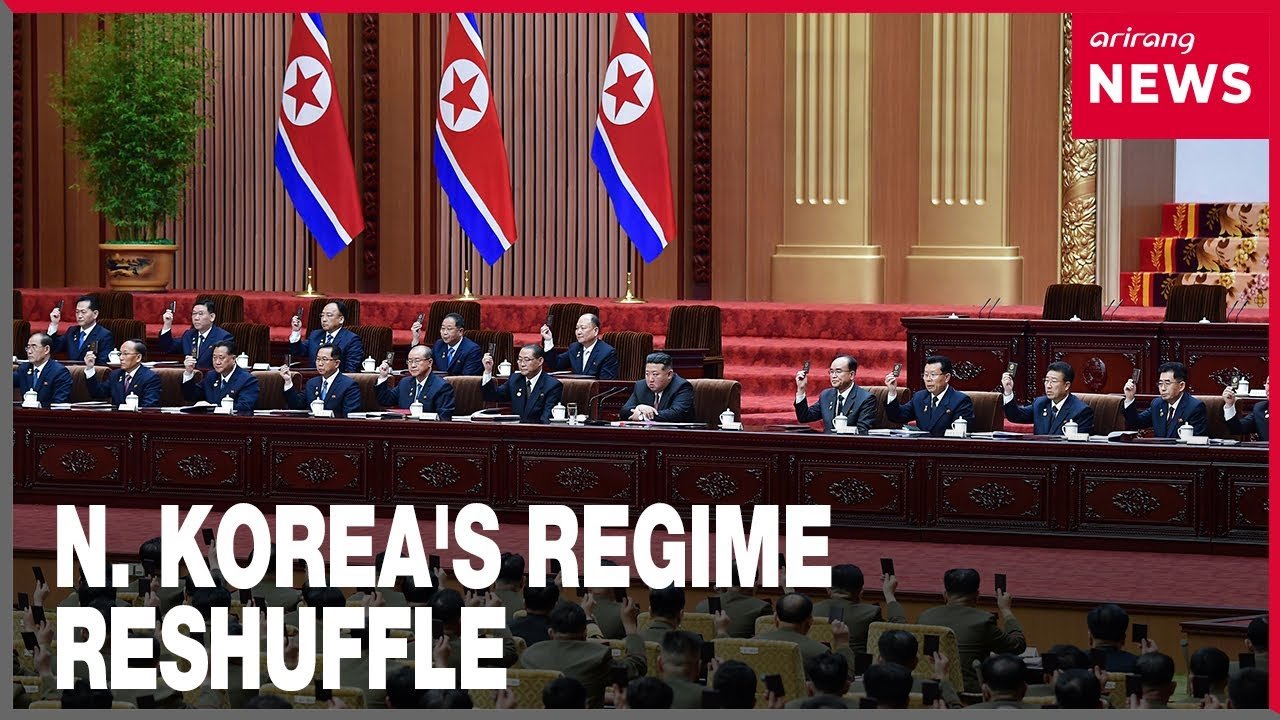
Following the general elections on March 15, 2026, the newly formed 15th Supreme People’s Assembly (SPA) convened its first session on March 22.
The SPA re-elected Kim Jong Un as the President of the State Affairs Commission (SAC), which is the country’s highest administrative and governing body.
Kim represents the third generation of leadership in the nuclear-armed nation established by his grandfather, Kim Il Sung, in 1948. He has led the country since succeeding his father in 2011.
In the North Korean system, the SPA acts as a “rubber-stamp” legislature. It formalizes decisions already made by the party leadership, turning them into legal state appointments.
During the national vote for the SPA, each constituency featured only one state-approved candidate.
“Show elections”
Outside observers typically characterize North Korean elections as “show elections” designed to project a veneer of democratic legitimacy and serve as a political census.
Each constituency typically has only one state-sanctioned candidate. Voters mark their approval or theoretically reject the candidate in a non-secret process that can carry severe personal risk.
While Kim Jong Un personally voted for a coal mine manager in a specific district, his own reappointment as head of state was handled internally by the assembly members he had effectively pre-vetted.
In 2023, North Korea amended its election law to introduce a trial “primary-like” system for local elections, allowing two candidates to be considered for some seats, though all are still pre-vetted for loyalty to the regime.
Voting is mandatory for all citizens aged 17 and older. Local neighborhood watch groups (inminban) often monitor participation to identify and investigate no-shows.

North Korea’s status as a nuclear power is now “irreversible”
Additional sources: Reuters, CNN, CNA, SCMP, France 24, DW.com
Following the election, Kim Jong Un outlined new nuclear priorities for the next five years:
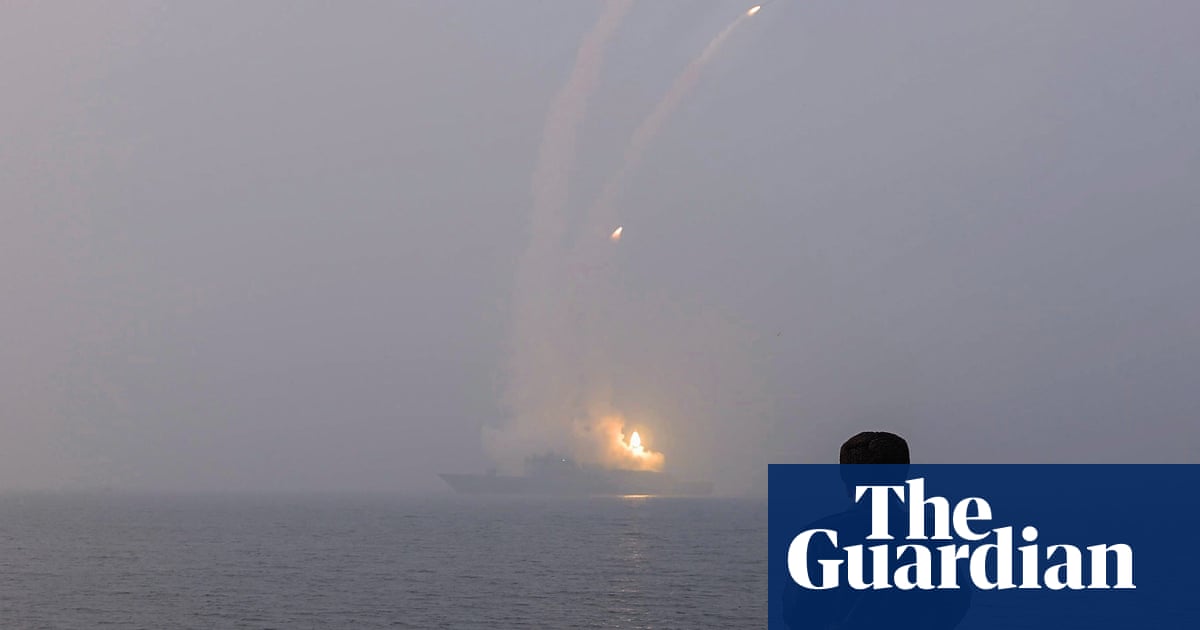
- Developing nuclear-powered submarines capable of launching surface-to-air missiles.
- Upgrading conventional weapon systems to be nuclear-capable.
- Expanding the production of tactical nuclear warheads and advanced reconnaissance satellites.
Kim used the escalating conflict involving Iran to forcefully justify North Korea’s permanent and “irreversible” nuclear weapons program.
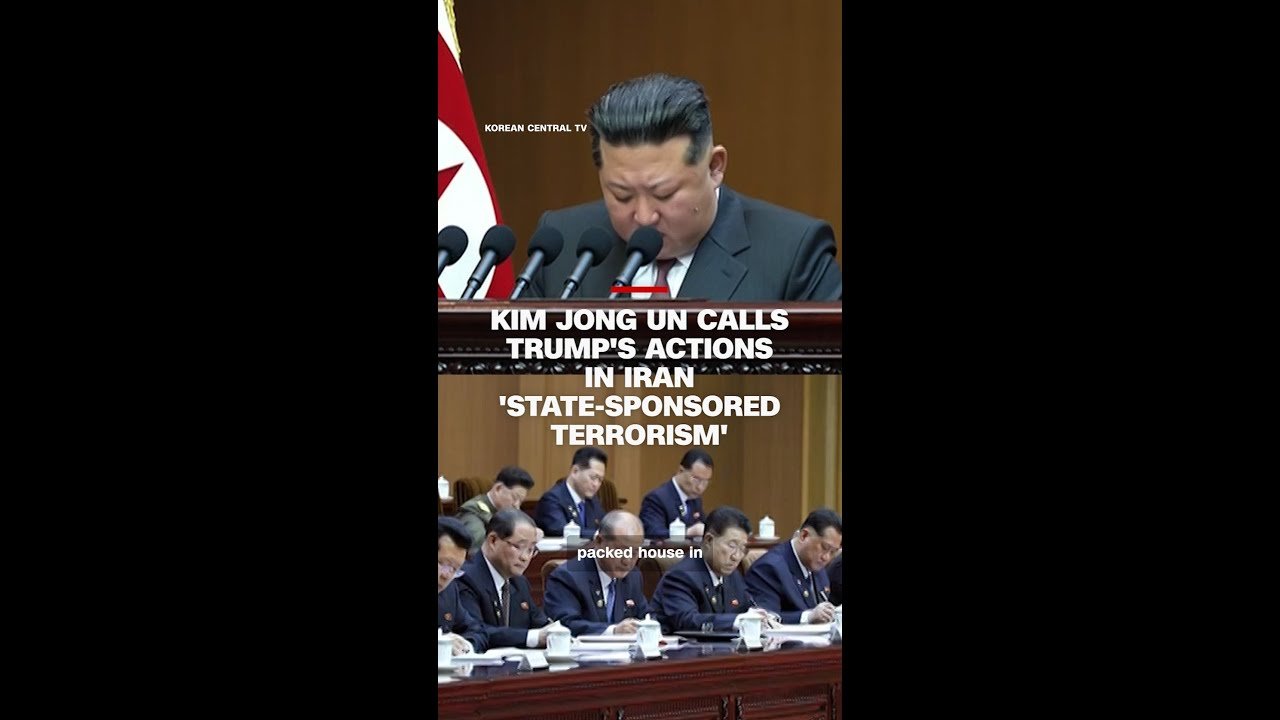
Addressing the Supreme People’s Assembly on March 23, Kim Jong Un accused the United States of carrying out “state-sponsored terrorism and aggression” through its military actions in the Middle East.
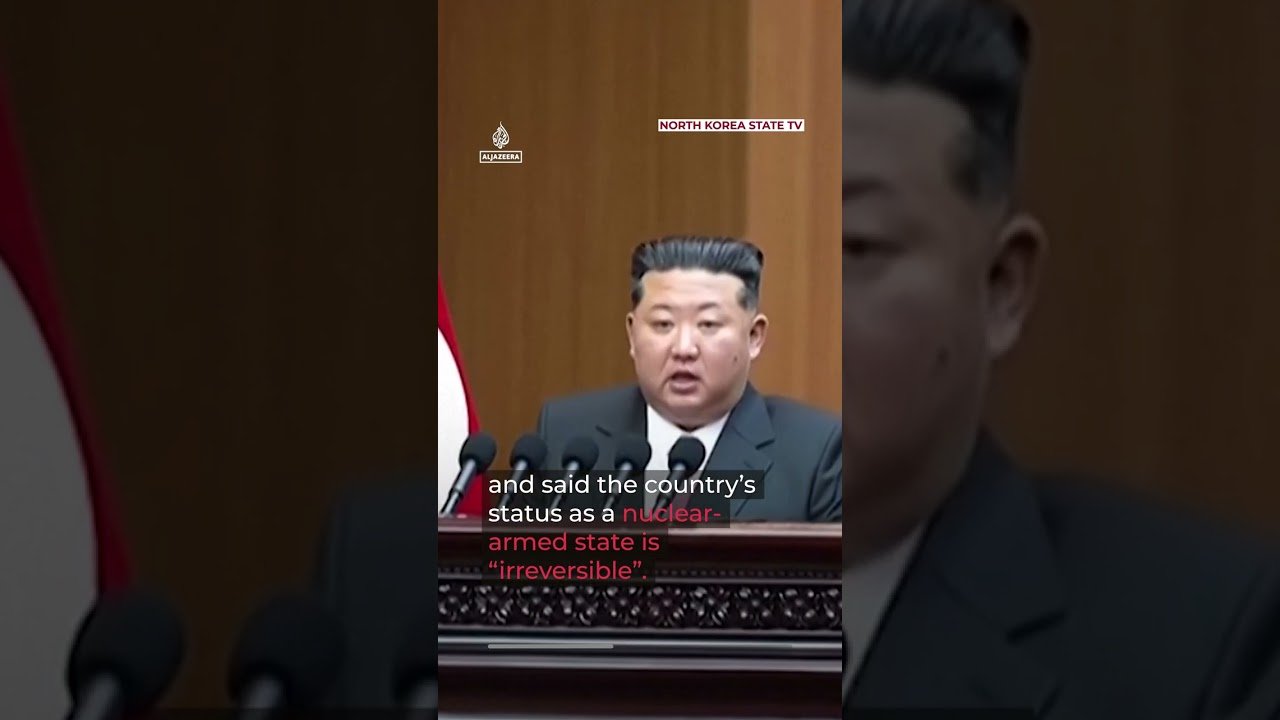
He stated that North Korea’s status as a nuclear power is now irreversible, flatly rejecting any future dialogue focused on denuclearization.
Kim argued that the “current world reality” where the sovereignty of nations is “mercilessly violated” proves that his decision to double down on nuclear development after 2019 was the only way to ensure national survival. Kim pledged to strengthen ties with “anti-imperialist and independent countries”, a category that includes Iran, while criticizing US “hegemonic pursuits”.
While Kim did not always mention Iran by name in his formal transcripts, his rhetoric was widely interpreted as a direct response to the US-Israeli military campaign against Iran that intensified in early 2026.
North Korean state media has used the war in Iran as a “strong justification” for why North Korea must never give up its nuclear deterrent, suggesting that non-nuclear states are vulnerable to US intervention.
Reactions
Leaders from allied nations formally recognized the results, characterizing them as a sign of stability and public mandate.
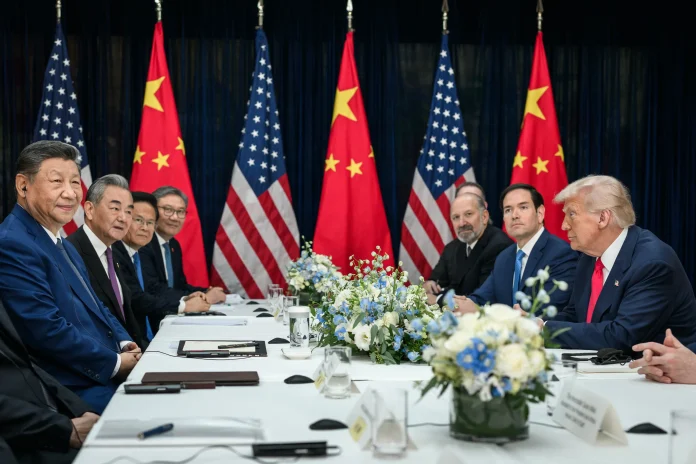
China’s President Xi Jinping sent a congratulatory message on March 26, calling the re-election “joyful news” and emphasizing the “unwavering policy” of developing China-DPRK relations.
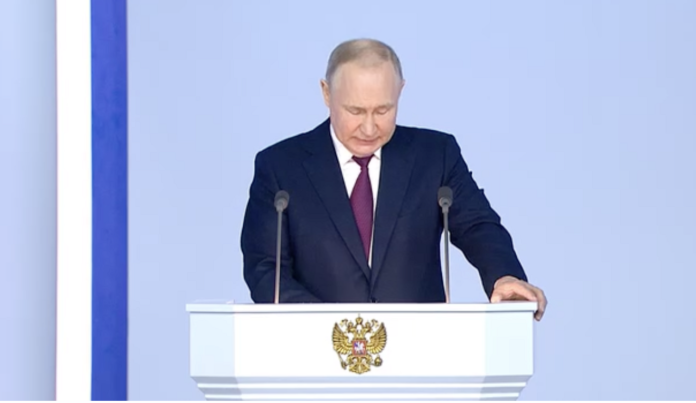
Russia’s President Vladimir Putin congratulated Kim on March 23, stating the result “clearly demonstrates the unanimous public support” for his leadership and praising Kim’s contribution to their “comprehensive strategic partnership”.
Belarus President Alexander Lukashenko also offered congratulations, claiming the “unanimous adoption” of the decision reflected the “collective will of the Korean people”.
Organizations such as the New African Charter International (NACI) issued statements honoring the outcome and calling for expanded cooperation.
The Unification Ministry in Seoul noted that the rapid convening of the assembly after the vote suggested an urgency to implement hardline policies, specifically the formal designation of South Korea as the “most hostile state”.
Groups like Human Rights Watch used the election period to urge South Korean President Lee Jae-myung to take a firmer stance on North Korean human rights at the UN, arguing that “sustainable peace” cannot be built on silence toward the regime’s repression.
Read also:
North Korea tests missiles following US-South Korea annual “Freedom Shield” drill
2026 South Korea-China Presidential Summit