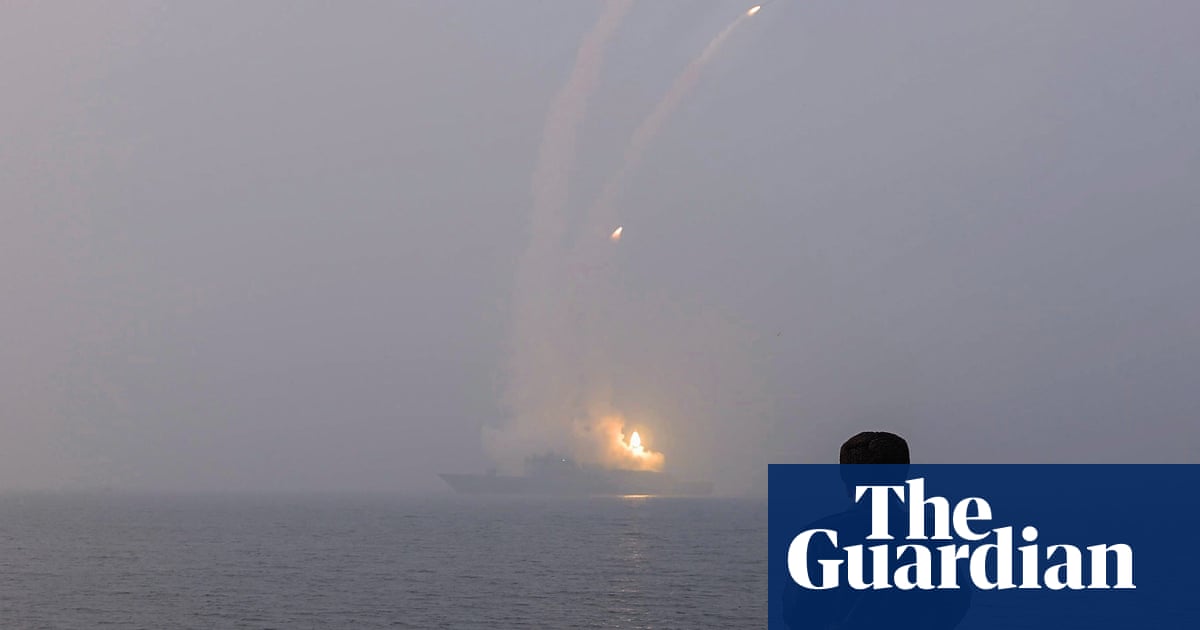
On March 14, North Korea fired approximately 10 unidentified ballistic missiles from the Sunan area near Pyongyang toward the Sea of Japan (East Sea) around 1:20 p.m..
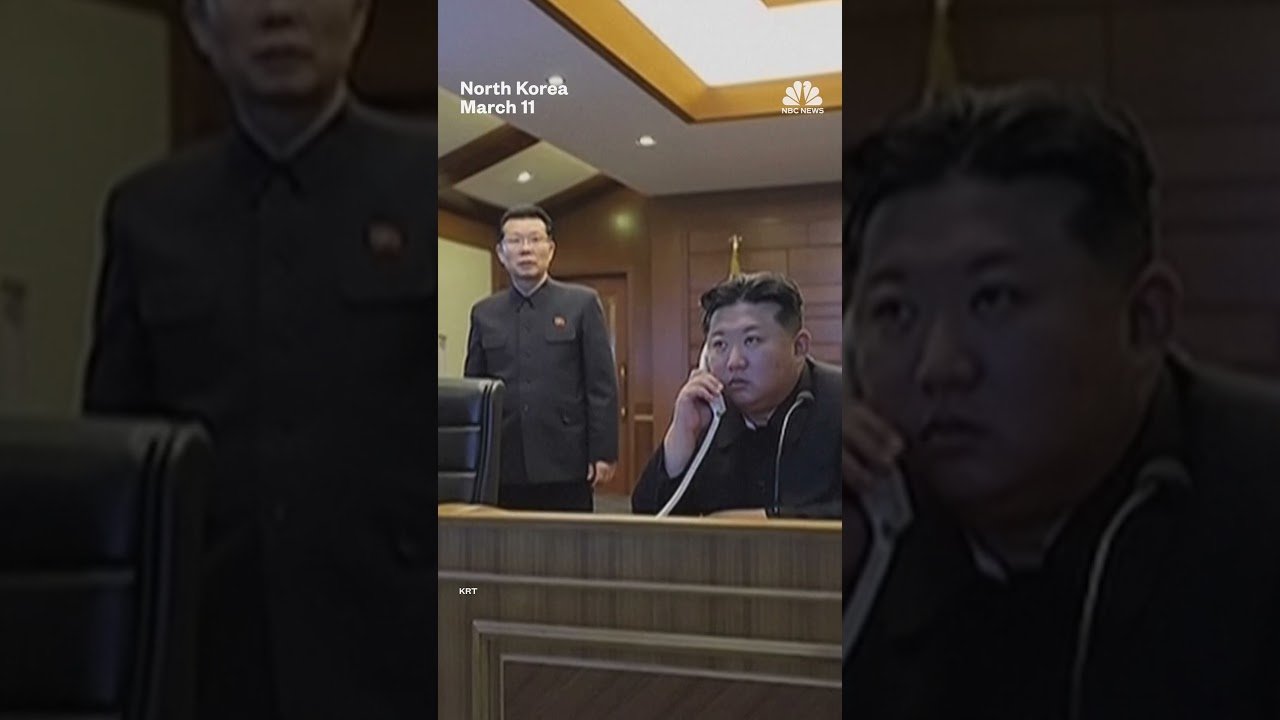
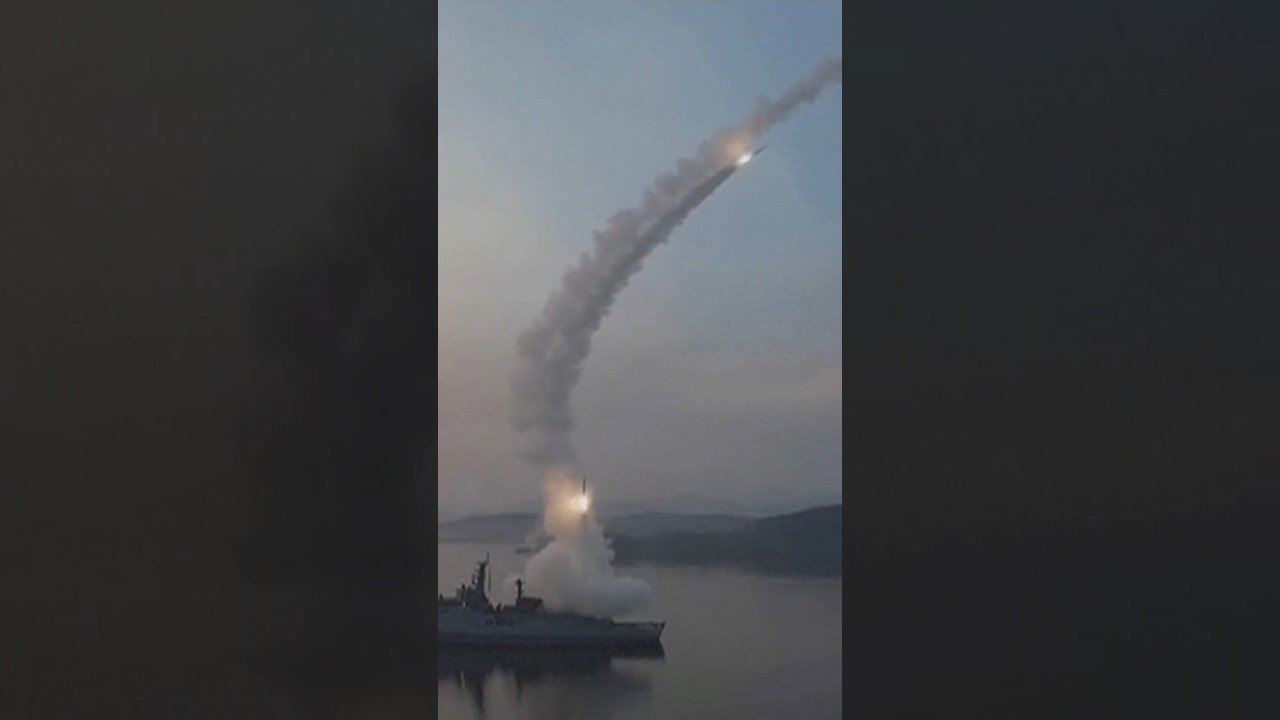
Japan’s Ministry of Defense confirmed the missiles appeared to fall outside its exclusive economic zone (EEZ) after a flight of about four minutes. This is the second test within the week. State media reported a test of strategic cruise missiles on March 11.
Leader Kim Jong Un and his daughter, Kim Ju Ae, remotely observed the launch from a new 5,000-tonne naval destroyer, the Choe Hyon.
What led up to this?
The United States and South Korea began their annual springtime joint military exercise on March 9. The Freedom Shield 26 drills are scheduled to conclude on March 19.
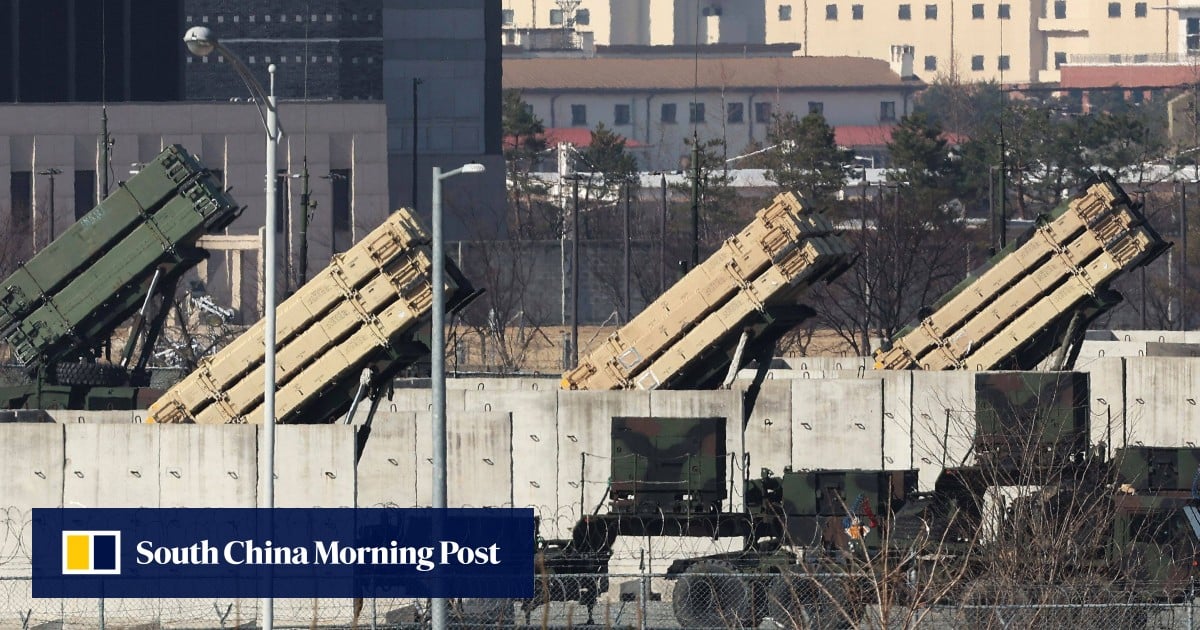
The drills are taking place amid reports that the US has begun relocating Patriot missile systems from South Korea to the Middle East due to escalating regional conflicts there.
The US military reaffirmed its commitment to defending South Korea against the nuclear-armed North, following reports that Washington might redeploy some of its regional military assets to the Middle East amid escalating tensions with Iran.
United States Forces Korea (USFK), which oversees American troops stationed on the Korean Peninsula, told Bloomberg News that it remains focused on maintaining a strong, ready, and combat-credible posture in the region and is firmly committed to South Korea’s defense.
The statement followed a report by the Korean-language newspaper DongA Ilbo on March 5, which cited an unnamed South Korean government official saying that Seoul and Washington were discussing US munitions needs and the potential redeployment of USFK assets to the Middle East.
While South Korean officials maintain that deterrence remains robust, the timing has added complexity to the alliance’s defensive messaging.
Kim Yo-jong, sister of leader Kim Jong-un, warned of “unimaginably terrible consequences”, labeling the exercises as provocative war rehearsals.
Reopening talks with North Korea
Additional sources: Korea JoongAng Daily, NK News, The Korea Times, The Chosun Daily
US President Donald Trump has signaled a strong interest in reopening dialogue with North Korean leader Kim Jong-un.
During an unscheduled 20-minute meeting at the White House on March 13, Trump and South Korean Prime Minister Kim Min-seok discussed the potential for a new summit.
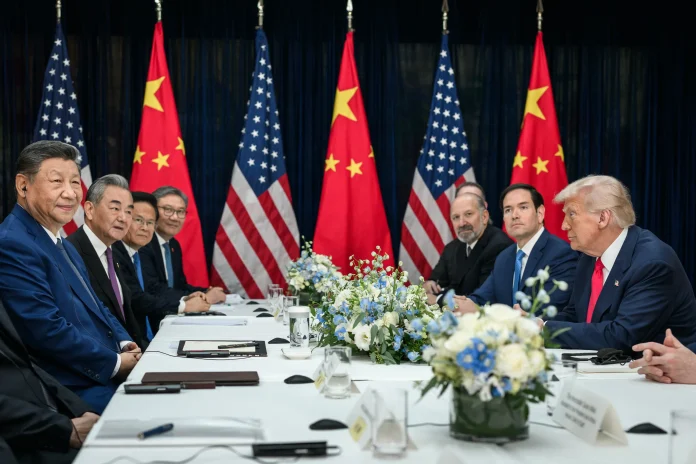
Prime Minister Kim Min-seok urged Trump to resolve issues on the Korean Peninsula, describing Trump as the only Western leader currently capable of breaking the deadlock. This comes as President Donald Trump prepares for a high-stakes state visit to China from March 31 to April 2. It is said that Beijing is actively reasserting its influence over North Korea to ensure it remains a central power broker in any potential US-Pyongyang diplomacy.
China resumed passenger train services between Beijing and Pyongyang for the first time since 2020 on March 12. This move is intended to facilitate high-level exchanges and signal a “new chapter” in bilateral relations.
In a major policy shift, China recently dropped its longstanding call for the “denuclearization” of the Korean Peninsula from its official arms-control white paper.
Analysts suggest this indicates Beijing now views denuclearization as unachievable in the near term and is prioritizing regional stability instead.
Read also: 2026 South Korea-China Presidential Summit