US-South Korea trade spat revives tariff talk

Jump to Timeline

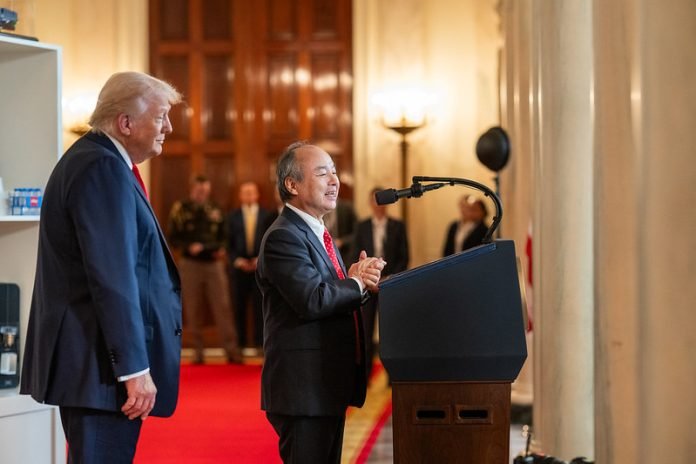
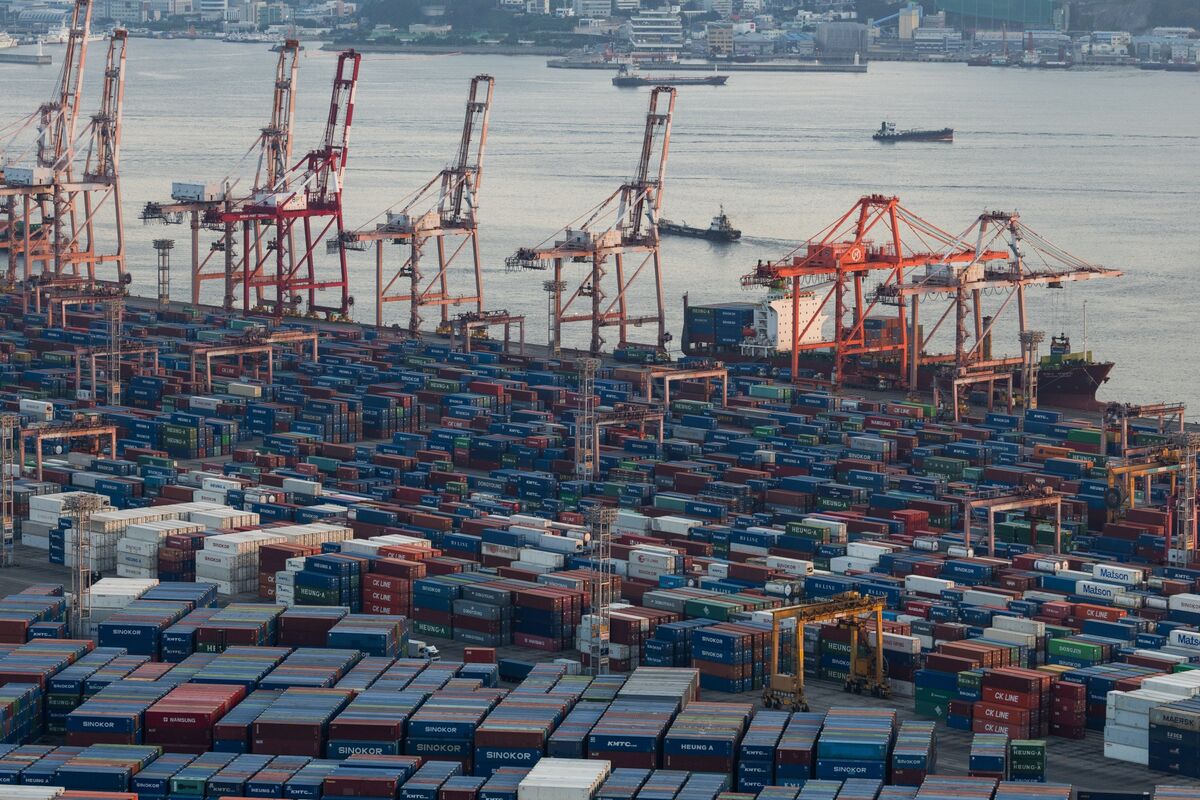
On January 26, 2026, US President Donald Trump announced plans to raise tariffs on South Korean imports, primarily automobiles, pharmaceuticals, and lumber, from 15% to 25%. Trade relations between South Korea and the United States became severely strained due to a dispute over the implementation of a multibillion-dollar investment deal and a regulatory probe into a major US company.

Trump accuses Seoul of delaying $350 Billion investment deal

Trump accused South Korea of “dragging its feet” on a trade deal reached in October 2025, which required Seoul to invest US$350 billion in the US economy. South Korea cited “administrative reasons” and currency market volatility from a weak won for the delay. The South Korean National Assembly has yet to ratify the agreement, with a vote expected by March 9, 2026.

South Korean officials were reportedly “blindsided” and “stunned” by President Trump’s announcement, particularly because Trade Minister Yeo Han-koo had just met with US counterparts in Davos without receiving any prior warning of dissatisfaction.

Coupang data leak probe becomes flashpoint in trade dispute

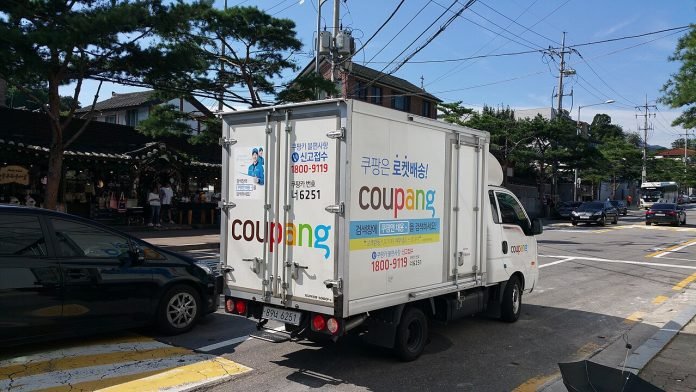
A significant secondary factor is the South Korean government’s investigation into Coupang, a US-listed e-commerce giant. After a mass data leak affecting roughly 33.7million accounts, South Korean regulators launched a probe into the company. US investors and officials, including Vice President JD Vance, have characterized the investigation as discriminatory against American firms. Some analysts believe this regulatory friction directly influenced the decision to hike tariffs.

Kevin Warsh’s ties to Coupang as independent director have become a focal point of the 2026 trade dispute between the US and South Korea, primarily due to his nomination as the next Federal Reserve Chair while the company is under intense regulatory scrutiny in Seoul. Warsh has served as an independent director on the board of Coupang, Inc. (the US-parent company) since October 2019. As of mid-2025, Warsh reported holding approximately 470,000 shares of Coupang common stock. At February 2026 prices, this stake is valued at nearly US$10million.

Nuclear submarine talks delayed, KOSPI plummets 5%

The trade spat has delayed critical bilateral talks regarding South Korea’s development of nuclear-powered submarines and uranium enrichment. South Korea recently sold US$3billion in bonds to bolster foreign exchange reserves amid the trade uncertainty. South Korean Foreign Minister Cho Hyun and other top envoys traveled to Washington in early February 2026 to negotiate with Secretary of State Marco Rubio and Commerce Secretary Howard Lutnick. While talks have been described as improving “mutual understanding”, a final resolution has not yet been reached.

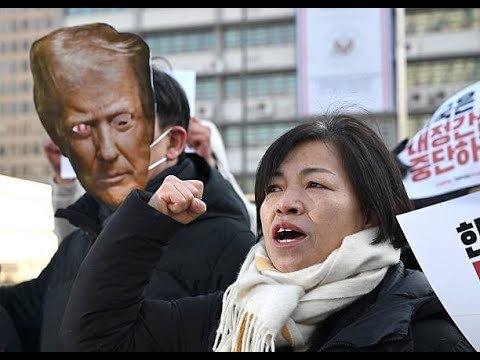
Analysts estimate the hike to 25% will impose an annual burden of 4trillion won (US$2.8 billion) on the South Korean auto industry alone. Following the announcement, the KOSPI index plummeted over 5%, and the Korean won hit its lowest levels since the 2008 financial crisis. Protests erupted near the US Embassy in Seoul, with activists condemning the tariffs as a “violation of sovereignty” and accusing the US of using trade pressure to shield Coupang from domestic regulation.

South Korea rushes to pass investment bill, seeks tariff grace period

In a rare act of solidarity, the ruling Democratic Party and opposition People Power Party agreed to form a special committee on February 9, 2026, to pass a bill enabling the promised US$350 billion investment package. The National Assembly aims to finalize and pass this legislation by March 9, 2026, to prove “good faith” implementation.

Trade Minister Yeo Han-koo is lobbying Washington to delay the formal publication of the tariff hike in the Federal Register. If its publication proceeds, Seoul is requesting a one- to two-month grace period before the higher rates take effect.

High-level envoys, including Foreign Minister Cho Hyun and Industry Minister Kim Jung-kwan, have been dispatched to Washington to meet with Secretary of State Marco Rubio and Commerce Secretary Howard Lutnick. They are working to decouple trade negotiations from the Coupang data breach probe, arguing there is “no direct link” between the regulatory case and the investment deal.

The South Korean government is monitoring a pending US Supreme Court ruling regarding the legality of using the International Emergency Economic Powers Act (IEEPA) to impose “reciprocal tariffs”, which could potentially invalidate Trump’s hike.
youtube placeholder image

Read also:

South Korea pledges $350B US investment for reduced tariffs

Key widely reported facts from verified sources including BBC, Reuters, CNBCBloomberg, NYTimes, DW.comThe Guardian, Al Jazeera,The Korea Times,The Korea Herald

Trump cuts Korea drills to court Kim — Then Pyongyang fires 10 missiles

The moves underscored the gap between Trump’s personal diplomacy and the region’s hard security realities.
Read more

Coupang data breach triggers US-South Korea tensions and legal firestorm

Coupang, South Korea’s leading e-commerce platform, is currently grappling with the largest data breach in the country's history, which was first disclosed in late Nov 2025.
Read more

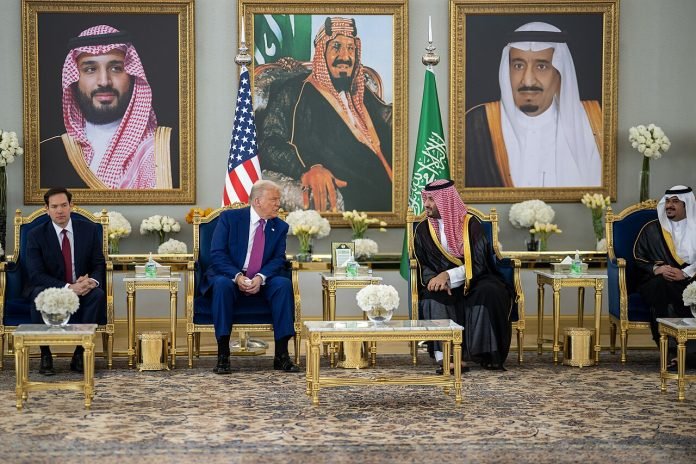
Saudi Arabia pledges $1trillion investment in the US

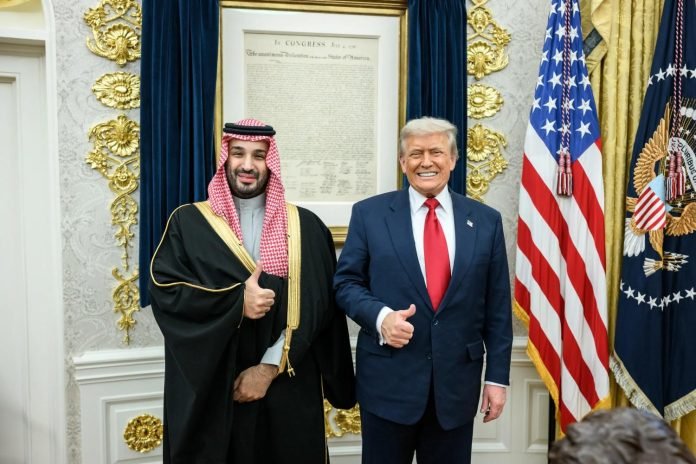
Saudi Crown Prince Mohammed bin Salman (MBS) pledged to up investment commitments in the US to nearly $1 trillion.
Read more

South Korea pledges $350billion US investment for reduced tariffs

South Korea and the US have formalized a trade agreement involving a $350 billion investment pledge from Seoul in exchange for reduced US tariffs.
Read more

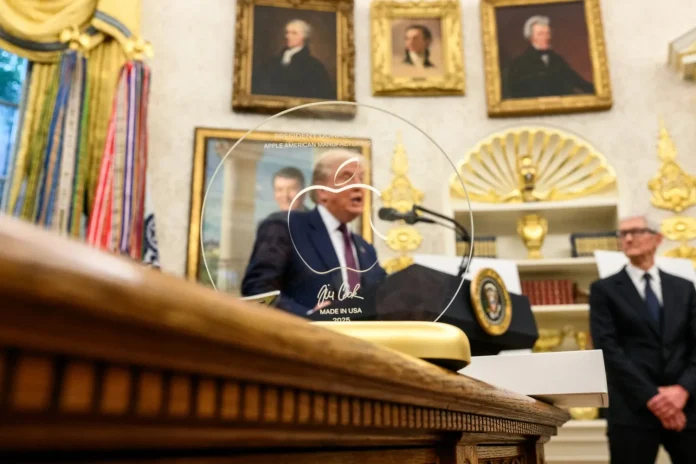
Apple announces additional $100billion US investment following tariff threats

Apple is expanding its US investment to $600B over the next four years, anchored by a new $100B commitment to domestic manufacturing.
Read more

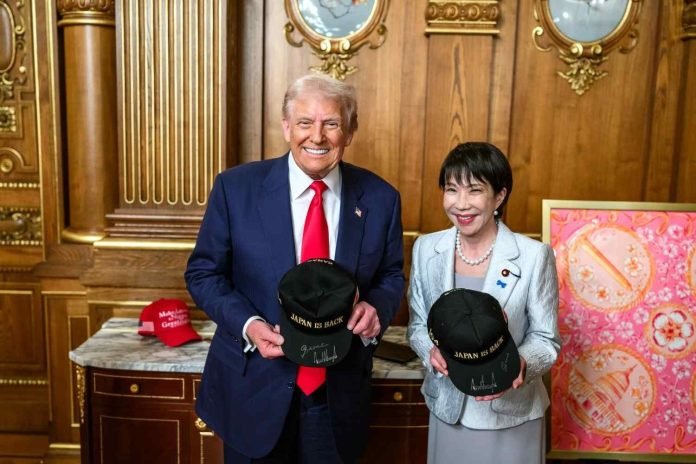
Japan commits $550billion to US industries in major trade deal

In 2025, the US and Japan reached a major bilateral trade agreement following a period of economic tension from broad US tariff actions.
Read more

Trump’s Gulf investment tour delivers $2trillion in deals

President Trump’s four-day Gulf Tour resulted in record-breaking investment pledges totaling roughly $2T across Saudi Arabia, Qatar, and the UAE. 
Read more

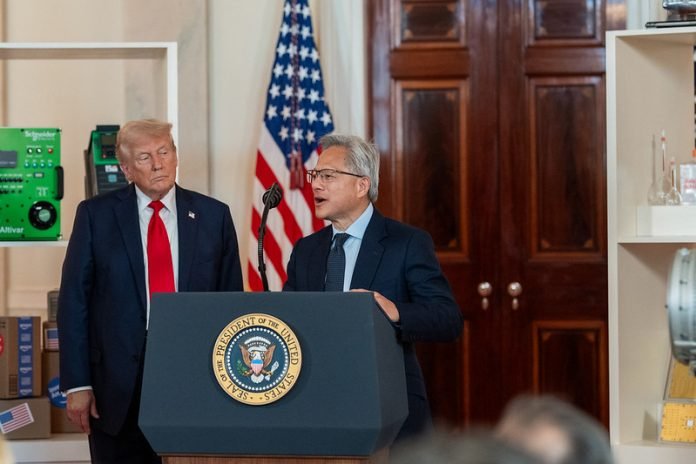
NVIDIA to build out $500billion of AI infrastructure in the US

NVIDIA announced a massive initiative to manufacture up to $500b worth of AI infrastructure and supercomputers in the US over 4 years.
Read more

Tech giants pledge $500billion investment in US AI infrastructure

The $500b Stargate investment is designed to fundamentally reshape the American economy, energy landscape, and national security posture.
Read more
Timeline

Mar to Apr 2025: President Trump announces a baseline 25% tariff on South Korean automobiles and parts, citing national security concerns and a “failed” KORUS FTA.

Jul 7: The U.S. formalizes the 25% tariff threat in a letter to South Korean President Lee Jae-myung, setting an August 1 deadline for an agreement.

Jul 31: Following intense negotiations, both nations reach a preliminary deal to lower tariffs to 15% in exchange for a massive investment pledge.

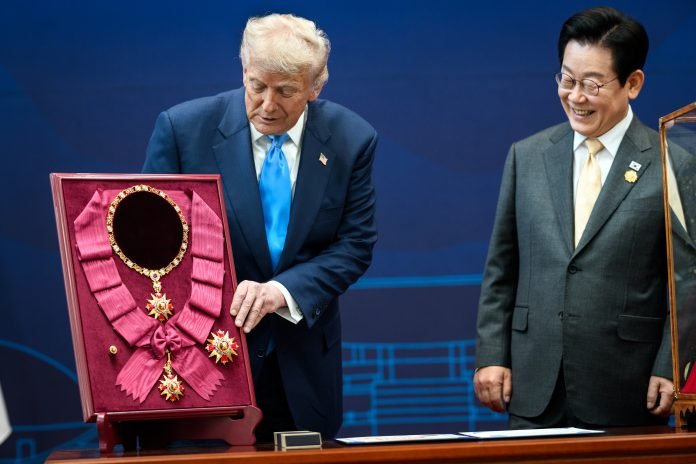
Oct 29 to 31: During President Trump’s visit to South Korea for the APEC Summit, the deal is finalized. A Strategic Investment Memorandum of Understanding (MOU) is signed, formalising the $350 billion commitment.

Nov 1: The reduced 15% tariff rate officially takes effect for South Korean goods.

Nov 14: Detailed terms are released publicly. The package includes $150 billion for shipbuilding cooperation and $200 billion for industrial sectors (semiconductors, nuclear energy, and AI).

Nov 26: South Korea’s ruling party introduces a bill to establish a special fund for the $350 billion investment package.

Nov 29: Coupang discloses a massive data breach affecting 33.7 million accounts, triggering immediate regulatory investigations in Seoul.

Dec 25: Coupang makes a “surprise announcement” regarding its internal probe findings, which South Korean authorities later allege was an attempt to obstruct official investigations.

Jan 14, 2026: South Korea’s Personal Information Protection Commission (PIPC) orders Coupang to halt public disclosure of its unverified internal investigation results.

Jan 26: On Truth Social, President Trump threatens to restore tariffs on South Korean products to 25%, citing Seoul’s failure to ratify the investment deal.

Jan 29: Seoul police raid Coupang’s headquarters in Seoul as part of the data breach investigation.

Feb 2: Coupang’s interim CEO, Harold Rogers, is interviewed for 12 hours by South Korean police on suspicion of destroying evidence.

Feb 3: Kevin Warsh notifies Coupang he will resign from the board if confirmed as Fed Chair.
Foreign Minister Cho Hyun meets with Secretary of State Marco Rubio in Washington to de-escalate tensions.

Feb 5: South Korea sells $3 billion in bonds to stabilize its currency amid trade uncertainty.
Coupang discloses an additional 165,000 compromised accounts from the original November breach.

Feb 6: The White House states there is no specific timeline yet for the implementation of the 25% tariff hike.

Feb 9: The ruling People Power Party and the opposition Democratic Party formed a joint committee to fast-track the bill.

Opinion & Analysis


You may also be interested in

LEAVE A REPLY

Please enter your comment!
Please enter your name here