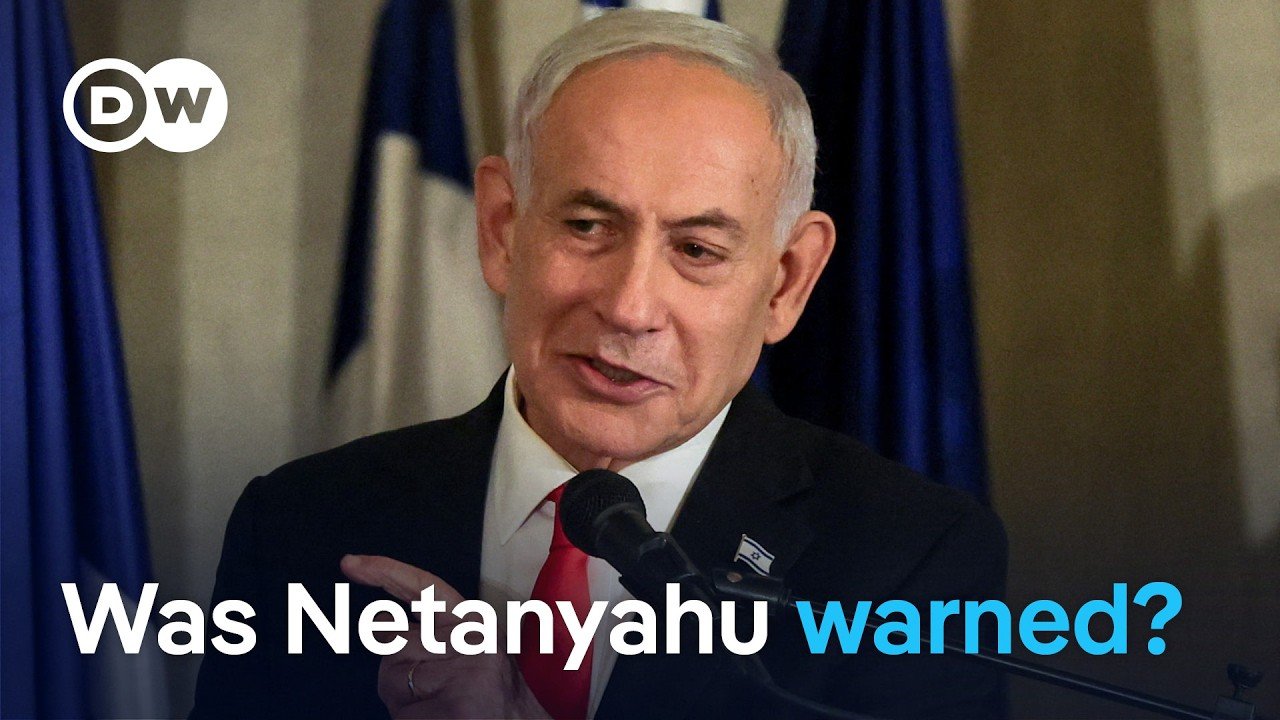

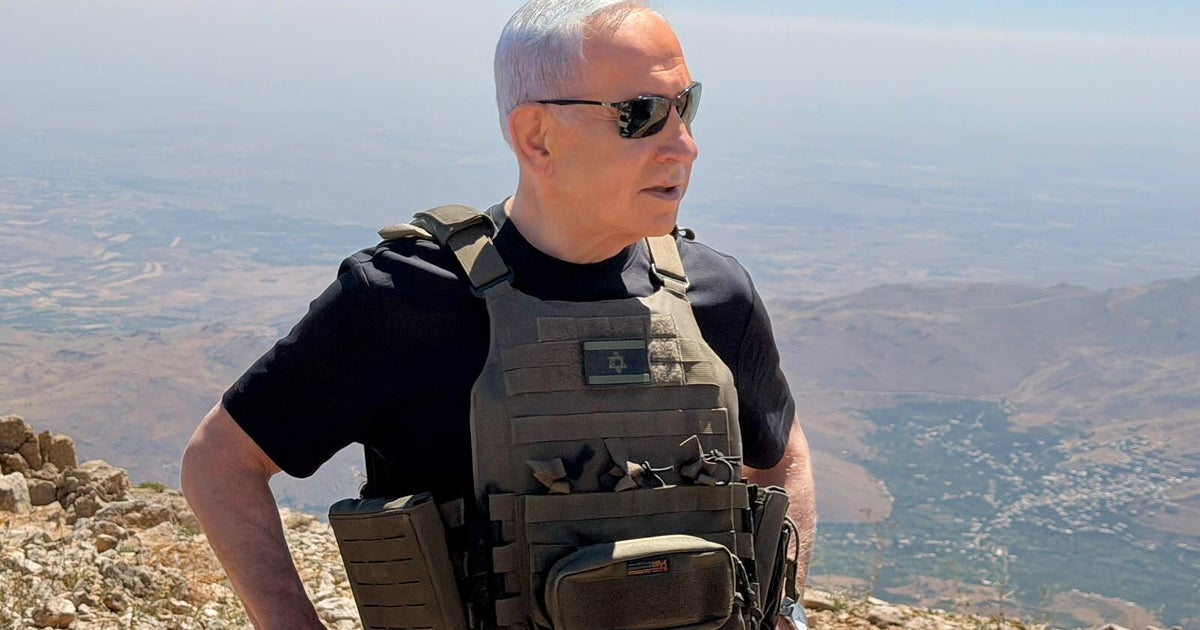
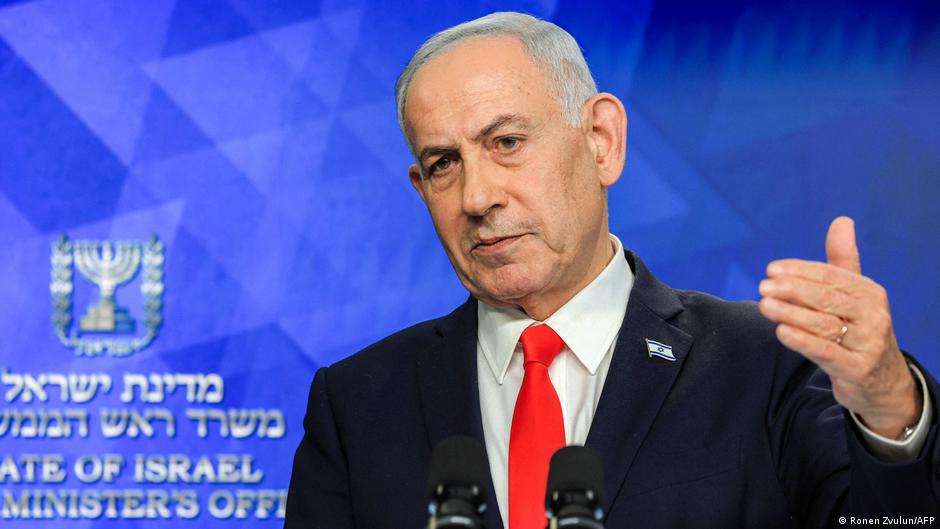




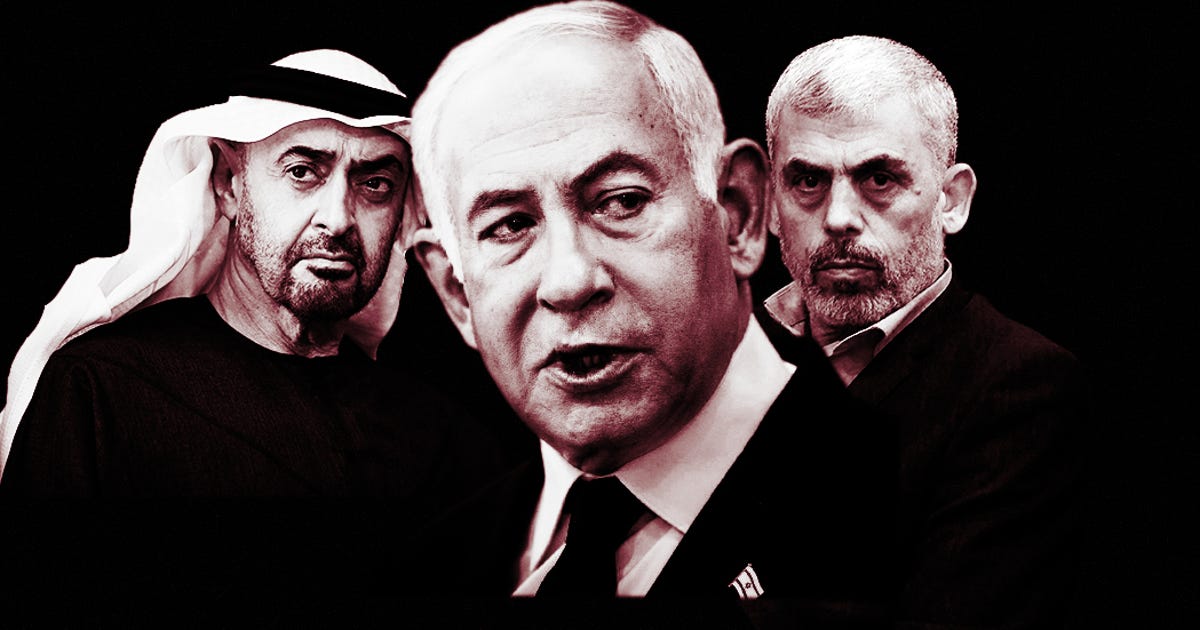
Israeli Prime Minister Benjamin Netanyahu has instructed his lawyers to pursue a defamation lawsuit against Haaretz and journalists Shlomi Eldar and Ruth Yuval over a report alleging that he was personally warned of Hamas’s planned October 7, 2023 attack—and failed to alert Israel’s security leadership.
The dispute has intensified ahead of Israel’s general election on October 27, where Netanyahu’s handling of the attack and the subsequent war in Gaza are expected to remain central campaign issues.
Report alleges direct warning
The Haaretz investigation, published on September 8, was based on reporting conducted for a forthcoming book, Hostages: 843 Days of Abandonment, written by Eldar and Yuval.
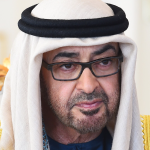
According to the report, United Arab Emirates President Sheikh Mohammed bin Zayed Al Nahyan—widely known as MbZ—spoke with Netanyahu by telephone in late September 2023. The conversation allegedly lasted about 45 minutes and took place roughly 10 days before Hamas-led fighters breached the Gaza perimeter on October 7.
The report says MbZ warned Netanyahu that Yahya Sinwar, then Hamas’s leader in Gaza, was preparing a major operation that could destabilize the region. Sinwar allegedly used the Arabic term “zilzal,” meaning “earthquake,” to describe the impending event. Other accounts cited in the reporting said he referred to a “huge surprise” or “the mother of all surprises.”
The warning was reportedly passed to MbZ through a Palestinian intermediary with connections inside Gaza. The Emirati leader and his advisers allegedly interpreted the message as a possible reference to a large-scale attack rather than a limited military operation.
Haaretz further reported that the information reached Israel’s Shin Bet domestic security agency, which dismissed or failed to act on the warning. It alleged that MbZ subsequently raised the matter directly with Netanyahu, but that the prime minister responded calmly and expressed the view that Hamas was more likely preparing an operation in the West Bank.
The newspaper also reported that Netanyahu did not brief the chiefs of the Israel Defense Forces, Shin Bet or Mossad about the alleged conversation. According to the report, MbZ later relayed details of the exchange to William J. Burns, who was then director of the US Central Intelligence Agency.
The claims have not been independently established in public. They are based on confidential sources, documents and correspondence cited by the journalists, while both Netanyahu and the UAE government have disputed or declined to confirm key elements of the account.
Netanyahu calls report fabricated
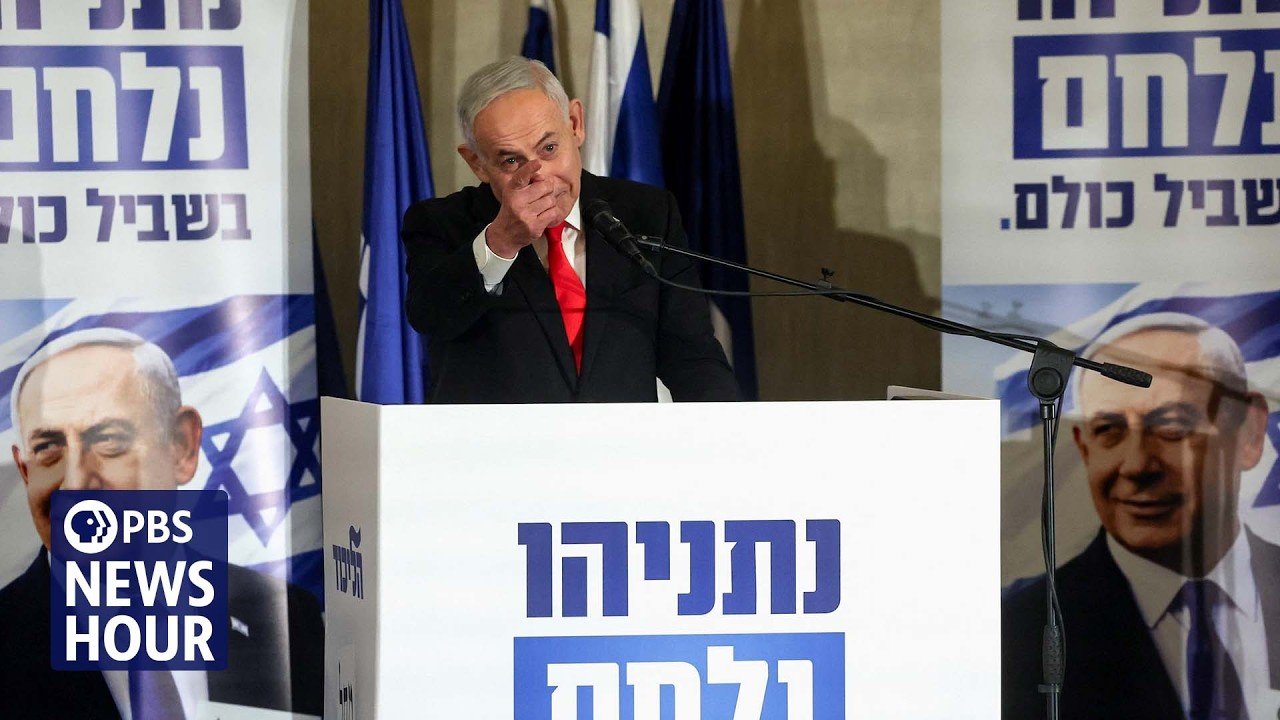
Netanyahu’s office rejected the story as “completely fabricated,” “an absolute lie” and part of what it described as a “sinister conspiracy.”
In a statement posted on X, Netanyahu said his lawyers had been instructed to sue Haaretz and the two journalists. He also disputed the central claim that he had spoken with MbZ, saying that a review of his official call records found no contact with the UAE between the beginning of September 2023 and the October 7 attack.
הליכוד:
— Benjamin Netanyahu – בנימין נתניהו (@netanyahu) September 9, 2026
הפרשייה האמיתית שהתגלתה ביומיים האחרונים היא התערבות זרה בוטה בבחירות בישראל.
התברר שמי שעומד מאחורי הידיעה השקרית של עיתון ״הארץ״ הוא הבכיר הפלסטיני מוחמד דחלאן שיושב באמירויות.
דחלאן הקים רשימה משותפת עם חמאס לבחירות ברשות הפלסטינית. הוא מעוניין להפיל את ממשלת…
The prime minister’s office reportedly said it had also reviewed visitor records at his office and found no evidence that an Emirati representative had arrived with a secure telephone to arrange the alleged call. Netanyahu’s camp accused Haaretz of publishing the report for political purposes and attempting to influence the election campaign.
The proposed lawsuit is reportedly seeking damages of more than 2.5 million shekels, or approximately $800,000. Netanyahu has also sought to shift responsibility for the October 7 intelligence failure toward former Shin Bet chief Ronen Bar and former IDF Chief of Staff Herzi Halevi, arguing that they had received indications of an impending attack and failed to warn him adequately.
Netanyahu additionally linked the report to Muhammad Dahlan, a former senior Palestinian political figure who lives in the UAE. Dahlan’s representatives have rejected the allegation that he was responsible for the information cited by Haaretz.
Haaretz stands by reporting
Haaretz has rejected Netanyahu’s legal threat and said it will defend its reporting in court.
The newspaper’s lawyers described the investigation as the product of extensive journalistic work on an issue of exceptional public importance. They said the report was based on multiple sources and evidence and accused Netanyahu of attempting to silence legitimate criticism rather than provide a full public account of decisions made before the attack.
The newspaper said it would not be deterred by what it characterized as an effort to intimidate the press. Its response stated that it would “not hesitate to expose the truth in court.”
A defamation case would potentially place the alleged phone call, the prime minister’s official records and the identities or testimony of confidential sources under intense legal scrutiny. Whether the case proceeds, and what evidence Israeli courts permit the parties to introduce, could determine how much of the dispute becomes part of the public record.
UAE avoids direct confirmation
The UAE has not explicitly confirmed that MbZ warned Netanyahu.
Its Foreign Ministry said it does not comment on media reports or speculation concerning conversations between government leaders. At the same time, the ministry said UAE and Israeli government entities have maintained direct communication since the countries established diplomatic relations and that relevant intelligence has been communicated between the appropriate authorities when necessary.
That wording has allowed the UAE to avoid directly endorsing the Haaretz account while also stopping short of issuing a categorical denial. The alleged warning is particularly sensitive because the UAE was the first Gulf Arab state to normalize relations with Israel under the 2020 Abraham Accords.
Political fallout
The report has immediately become part of Israel’s election debate.
Opposition figures, including former Prime Minister Naftali Bennett, former military commander Gadi Eisenkot, Avigdor Lieberman and Yair Golan, have argued that the allegations reinforce their claim that Netanyahu bears personal responsibility for the failures preceding October 7.
The opposition leaders issued a joint statement saying Netanyahu and the members of his government were unfit to remain in office and called for an investigation into the alleged warning. Eisenkot accused Netanyahu of having ignored repeated alerts before the attack, while Bennett said the prime minister could not continue leading the country if the allegations proved accurate.
Netanyahu has faced sustained criticism since October 7 over the government’s failure to prevent Hamas’s assault. On that day, Hamas-led fighters breached Israel’s border with Gaza, attacked communities, military positions and a music festival, killed about 1,200 people and abducted 251 hostages, according to figures cited by international media.
Israel responded with a military campaign in Gaza. The Gaza Health Ministry, which is run by Hamas, has reported more than 73,000 Palestinian deaths; the figures are not independently verified in every case but are generally treated by the United Nations as broadly reliable for mortality reporting.
Netanyahu has resisted calls for an independent national commission to examine the events leading up to the attack, arguing that accountability should not be pursued while Israel remains at war. Critics say the refusal has deepened suspicions that political considerations are influencing the government’s approach to the October 7 inquiry.
A claim with major implications
The central issue is not simply whether a private call occurred. If the report were substantiated, it could raise questions about whether the prime minister received an unusually direct foreign warning, how Israeli intelligence agencies assessed it and whether the security cabinet or military leadership was deliberately kept uninformed.
Netanyahu’s denial places the focus on documentary evidence, including telephone logs, official visitor records and any records held by the UAE or US government. Haaretz, meanwhile, is relying on its sources and the broader evidentiary record assembled by its journalists.
For now, the alleged warning remains contested. But with the October election approaching, the lawsuit threat has transformed a disputed intelligence report into a major political test of Netanyahu’s leadership—and another flashpoint in Israel’s unresolved reckoning with the October 7 failures.