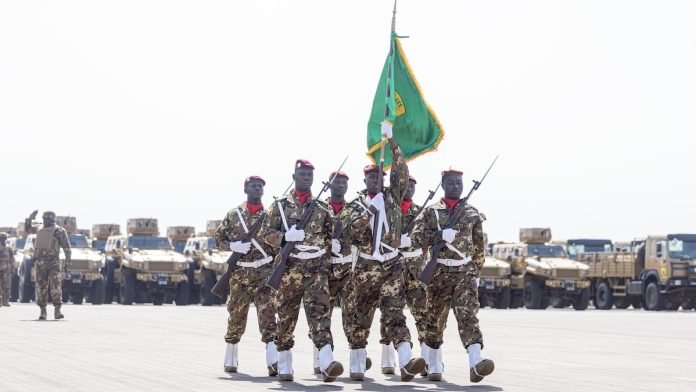
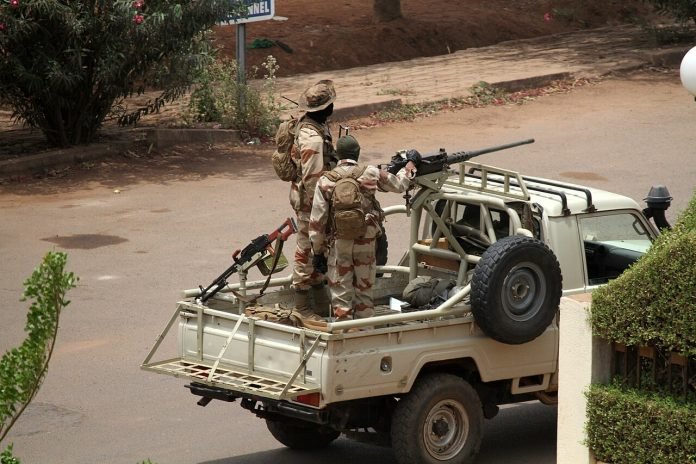
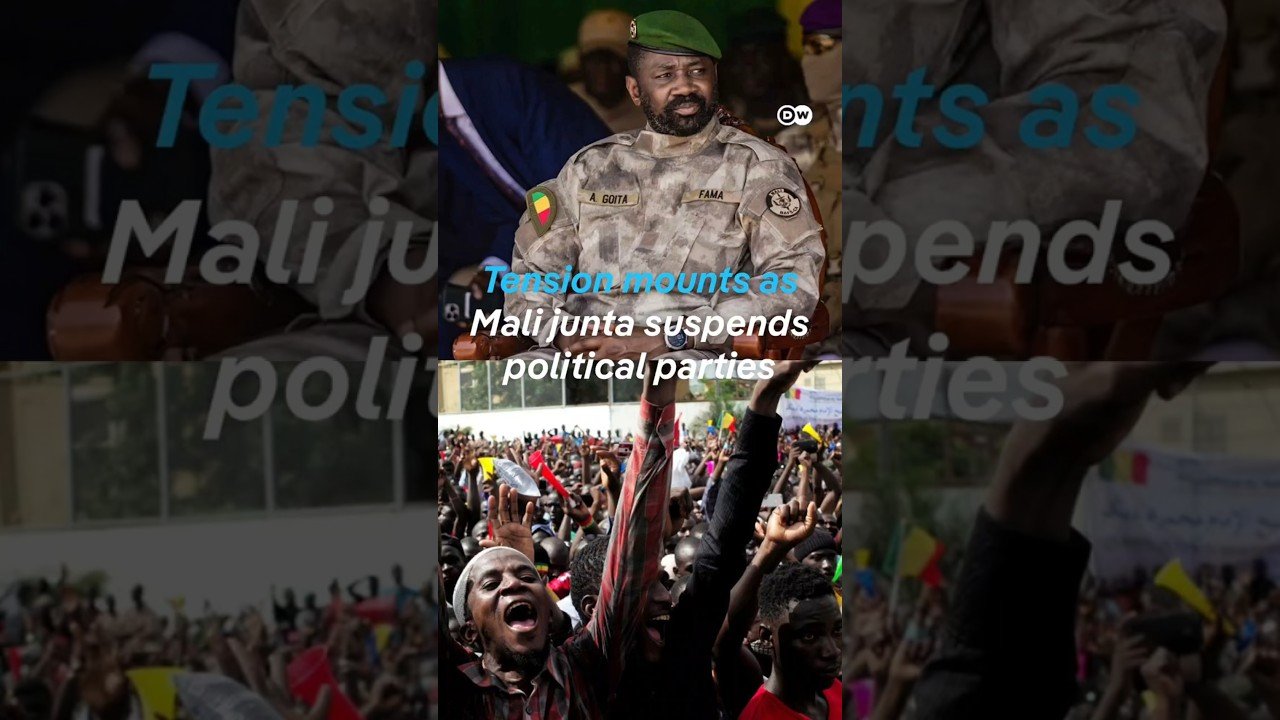
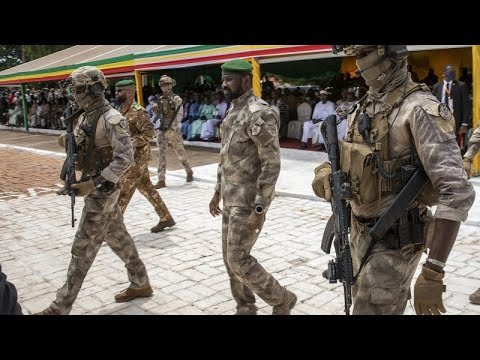
Mali’s ruling military junta, led by General Assimi Goïta, formally dissolved all political parties and organisations of a political character across the national territory in May 2025, banning all political meetings and operations in what critics called a dictatorial power grab.
A presidential decree read on state television on May 13, 2025, prohibited political parties from operating, following a recommendation from a state-organised national conference boycotted by the opposition that suggested extending General Goïta’s presidency for another five years.
Consolidation of Power
The move followed a temporary suspension of political activities in April 2024, which was briefly lifted in July 2024 before the permanent ban was enacted the following year. The High Authority for Communication had previously banned media outlets from reporting on political activities to suppress opposition voices.
The junta justified these measures as necessary to “maintain public order” and “stop the proliferation” of the country’s roughly 400 political parties. However, the dissolution came amid reports of opposition figures disappearing and being arrested following the announcement.
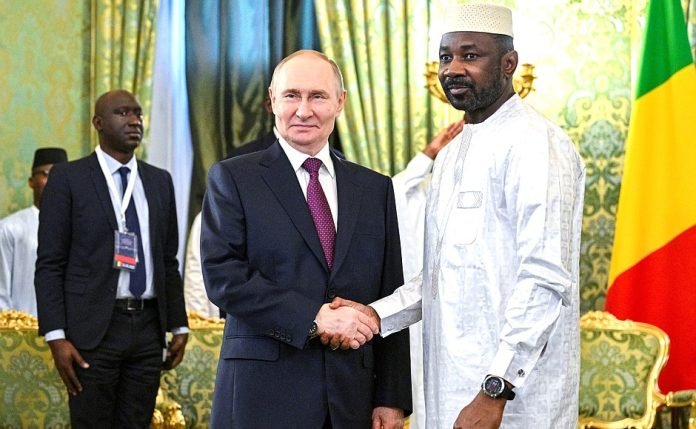
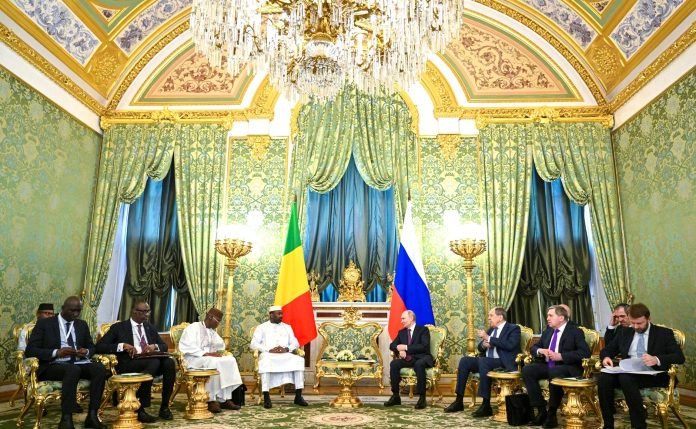
Shift toward Russia, away from France
Since seizing power in coups in 2020 and 2021, the junta has severed ties with former colonial power France and ECOWAS, pivoting toward military cooperation with Russia. This strategic realignment has provided the junta with international allies who continue to support its rule despite democratic concerns.
Reactions at Home and Abroad
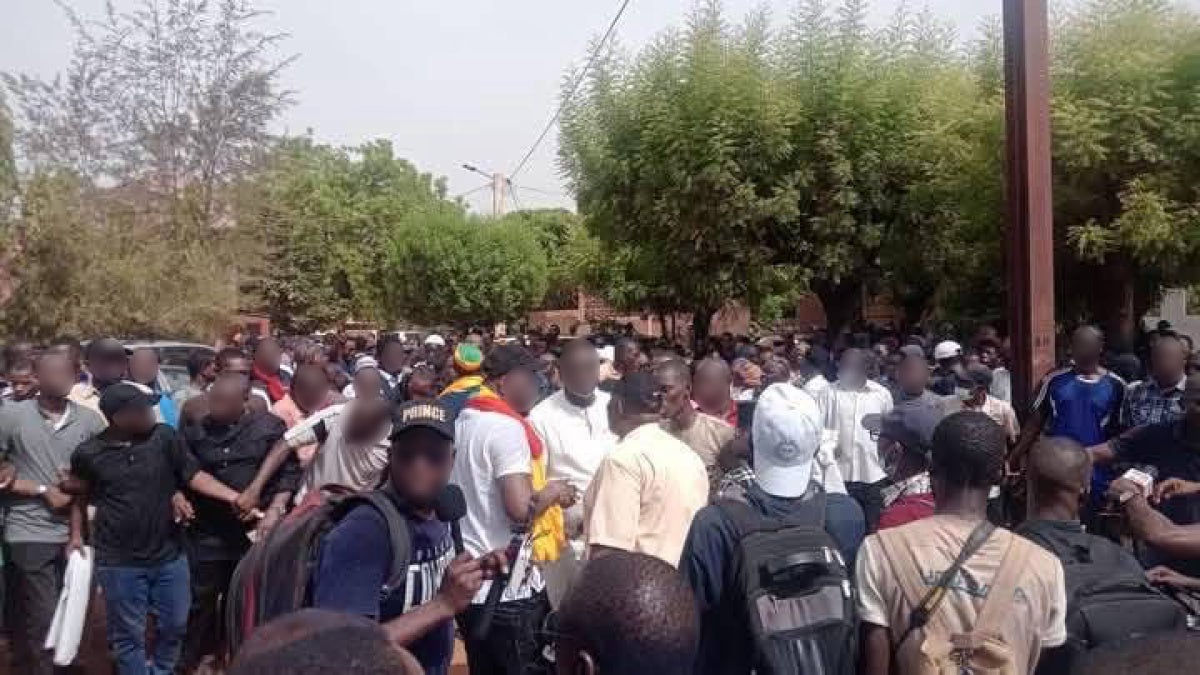
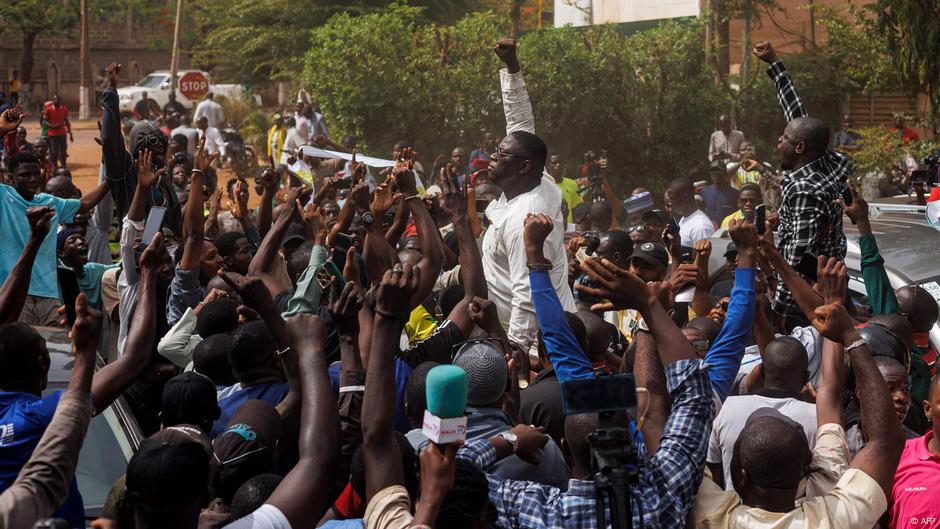
A coalition of approximately 100 political parties and civil society groups formed to reject the decree, describing it as a “dictatorial” move and a “serious violation of democratic freedoms.” Hundreds of demonstrators took to the streets in Bamako in early May 2025, the first major pro-democracy protests since 2020, chanting slogans like “Down with dictatorship” and demanding a return to constitutional order by the end of the year.
The umbrella organization for Malian journalists rejected the junta’s order to stop reporting on political activities, urging media outlets to “stand tall” and continue informing citizens. Several political groups attempted to challenge the dissolution decree in court, though hearings were reportedly stalled or postponed.
International condemnation and support
UN Human Rights Chief Volker Türk labeled the decree “draconian” and urged the junta to immediately repeal it and release detained opposition figures. Amnesty International and Human Rights Watch warned the move was a “flagrant attack” on the rights to assembly and association, designed to silence dissent and solidify a permanent power grab.
ECOWAS members continued to push for a return to democratic rule through parliamentary resolutions, despite Mali’s previous withdrawal from the regional bloc. In contrast to Western criticism, Russia and China maintained their support for the junta, providing military aid and sending observers to later state-run processes.
Broader implications
The dissolution of all political parties marks a significant deepening of Mali’s authoritarian turn under military rule, eliminating the country’s multiparty political system entirely. The move consolidates Goïta’s power while isolating Mali from Western democracies and strengthening ties with authoritarian governments.
The protests and media defiance suggest continued resistance to junta rule, but the arrests of opposition figures and court delays indicate the regime’s determination to suppress dissent as it moves toward extending Goïta’s presidency indefinitely.
Read also: Mali War: Jihadist’s blockade causes fuel shortage