Niger and Russia have deepened their nuclear partnership, shifting from raw uranium extraction to plans for domestic energy production as Niger’s military government moves away from France and nationalises key uranium assets.
Nationalisation of Somaïr uranium mine
Additional sources: Al Jazeera, BBC, Financial Times, Reuters, Mining Weekly, Business Insider Africa, Africanews
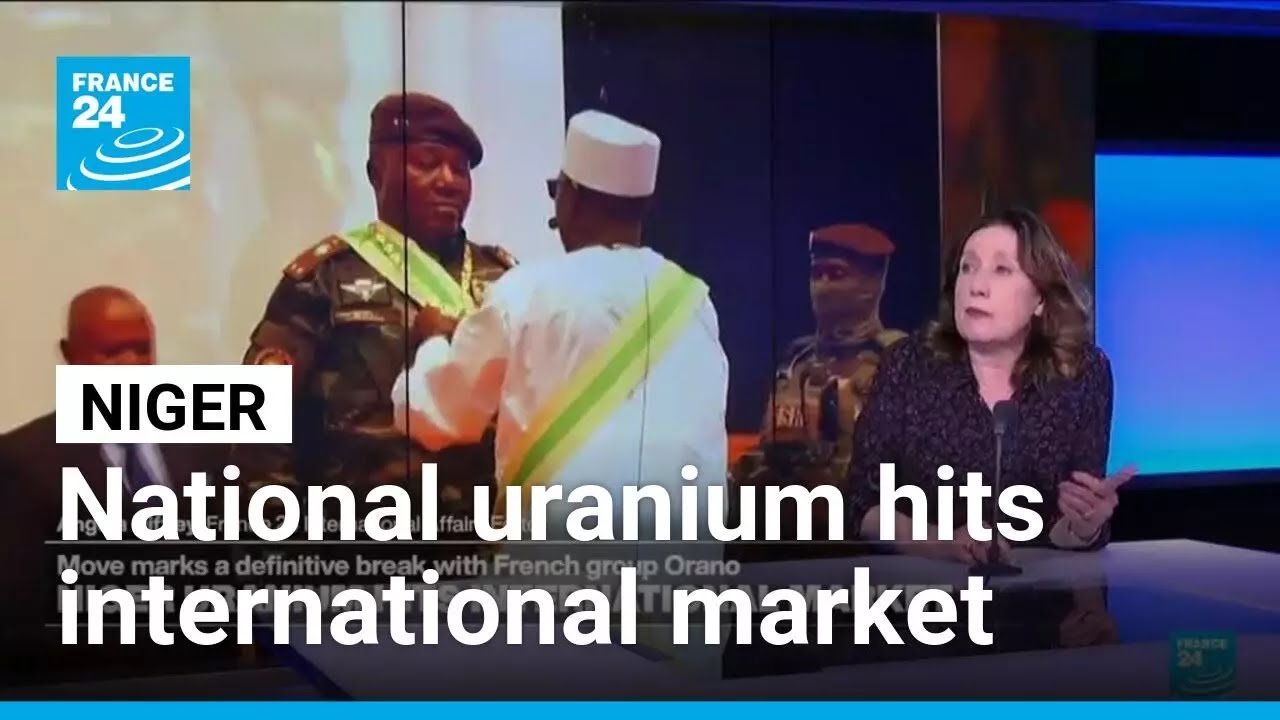
In June 2025, Niger’s military government officially announced the nationalisation of the Somaïr uranium mine, marking the end of more than 50 years of French dominance in its nuclear sector.
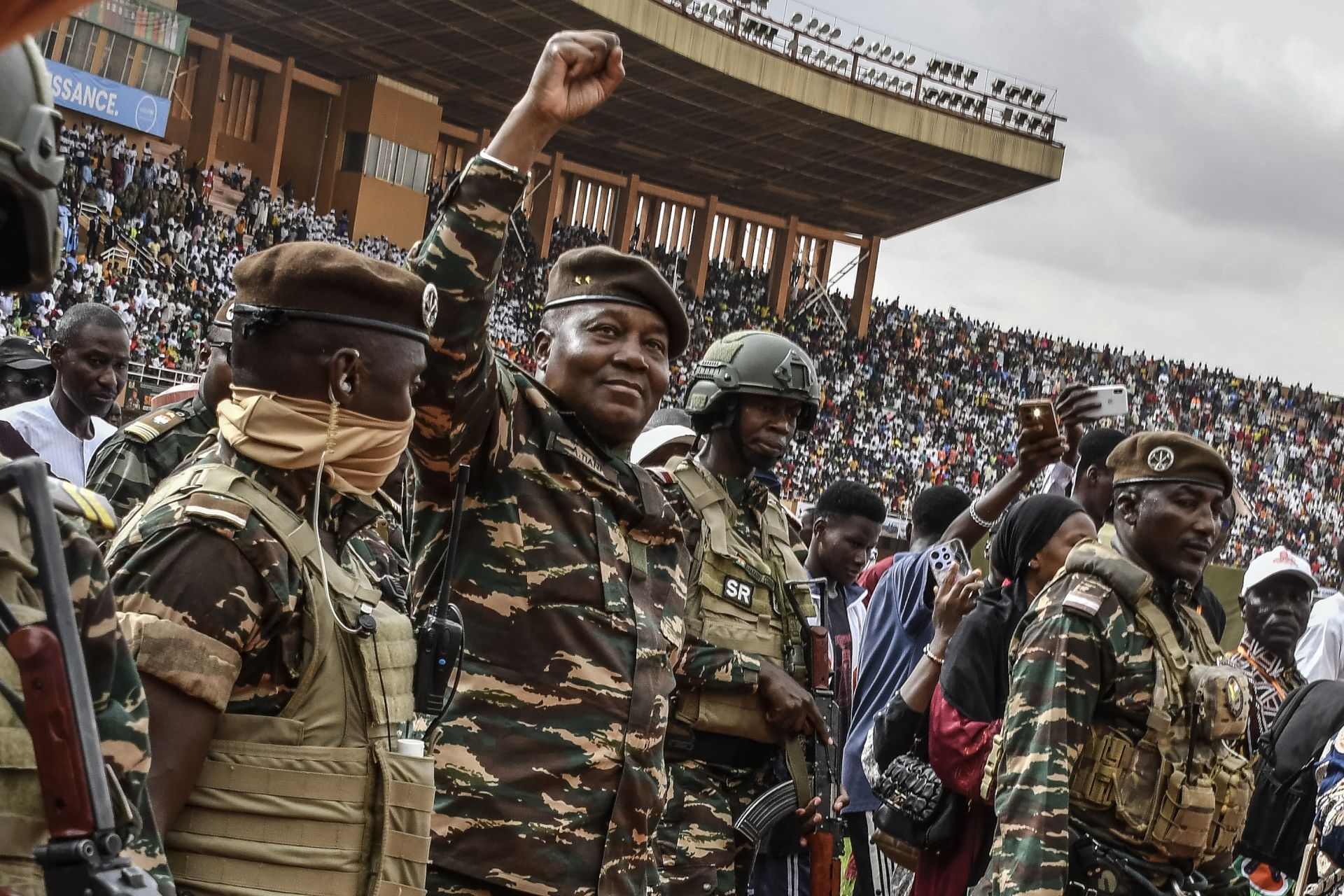
The move followed escalating tensions after the 2023 coup, when Niger began pivoting away from France toward new strategic partners including Russia. The government transferred all Somaïr shares and assets to the state-owned Sopamin, dissolving the board previously led by French nuclear company Orano.
The junta accused Orano of taking a disproportionate share of the mine’s output, alleging the company took 86.3 percent of production between 1971 and 2024 despite holding only 63.4 percent of shares. Authorities cited irresponsible, illegal and unfair behaviour, including Orano’s decision to withdraw French personnel and disconnect the mine from its corporate IT systems.
Beyond Somaïr, the junta revoked Orano’s permit for the Imouraren project, one of the world’s largest undeveloped uranium deposits, and nationalised the national electricity company Nigelec. In late 2025, Niger announced it would sell its stockpiled uranium on the open international market, with potential buyers reportedly including Russia, Iran and Turkey.
Nuclear pact with Russia
In July 2025, Russia and Niger signed a memorandum of understanding for the peaceful use of nuclear energy, covering infrastructure development, research reactors and fuel supply. Niger’s mining minister explicitly invited Russia to collaborate on developing uranium reserves, aiming for domestic refinement rather than just exporting raw ore.
On 9 December 2025, Niger’s state-owned Timersoi National Uranium Company signed a memorandum of cooperation with Uranium One Group, a subsidiary of Russia’s state nuclear giant Rosatom. The partnership aims to obtain exploration permits, conduct geological surveys and establish new uranium mining operations.
Niger announced plans to build two 2,000-megawatt nuclear reactors in partnership with Rosatom. Russian officials clarified that Moscow’s mission is to create an entire system for civil nuclear power in Niger and train local specialists. By late 2025, reports indicated Niger’s junta reached an agreement to sell 1,000 tons of yellowcake uranium ore concentrate directly to Rosatom for approximately $170million.
Geopolitical context
Control over Niger’s reserves, the world’s seventh largest uranium producer, significantly strengthens Russia’s global leverage over the nuclear fuel supply chain, particularly as European nations seek to reduce dependency on Russian energy. Niger was the eighth largest producer of uranium in 2024 and a critical supplier for France’s nuclear fleet.
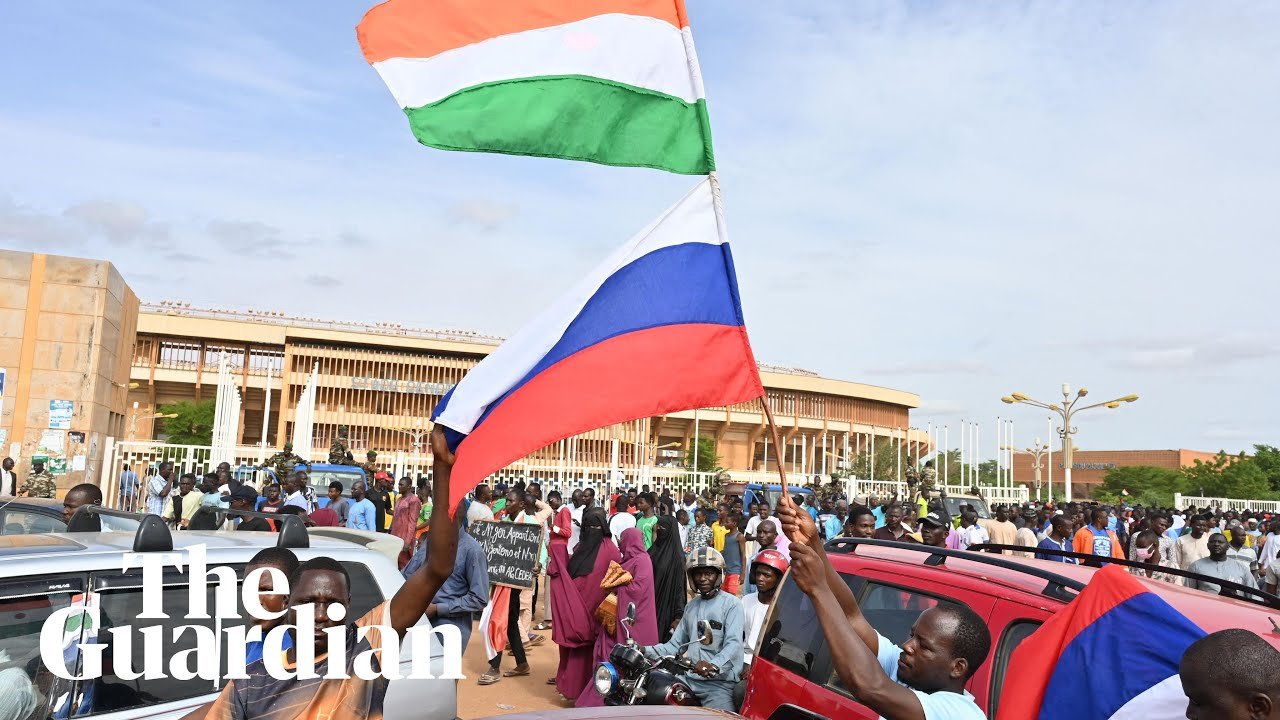
Niger’s move mirrors similar agreements Russia signed with Mali and Burkina Faso, consolidating Moscow’s influence in the Sahel region through the peaceful atom. The partnership is bolstered by a broader realignment, including the appointment of Russia’s first permanent ambassador to Niger in over three decades and existing defense pacts that have seen Russian military instructors deployed to the country.
All projects are intended to be developed under the supervision of the International Atomic Energy Agency to ensure peaceful usage. Analysts view this as part of a broader Russian strategy to displace Western influence in the Sahel, paralleling its military and security presence in Mali and Burkina Faso.
Reactions and implications
Orano has launched multiple legal actions through the International Centre for Settlement of Investment Disputes, which issued an interim order in late 2025 prohibiting Niger from selling stockpiled uranium pending a final ruling.
The loss of Niger’s supply, which historically provided up to 15–20 percent of France’s uranium, has forced French and EU utilities to scramble for alternative supplies from Kazakhstan and Canada. In February 2026, Niger announced plans to sue Orano for environmental damages, claiming the company caused an ecological disaster by storing radioactive waste near the town of Arlit.
Recent attacks near Niamey International Airport, where uranium is stored, have highlighted the risks of transporting nuclear materials in the Sahel. The junta has accused France of sponsoring these attacks to destabilise the new Russia-Niger partnership.
Broader significance
The shift marks a major geopolitical realignment in Africa’s nuclear sector, with Russia replacing France as Niger’s primary nuclear partner. It also highlights the growing competition for control over critical mineral resources as global energy transitions accelerate.
Read also: ISIL attack on Niger Airport