Mali War: Jihadist’s blockade causes fuel shortage

Jump to Timeline

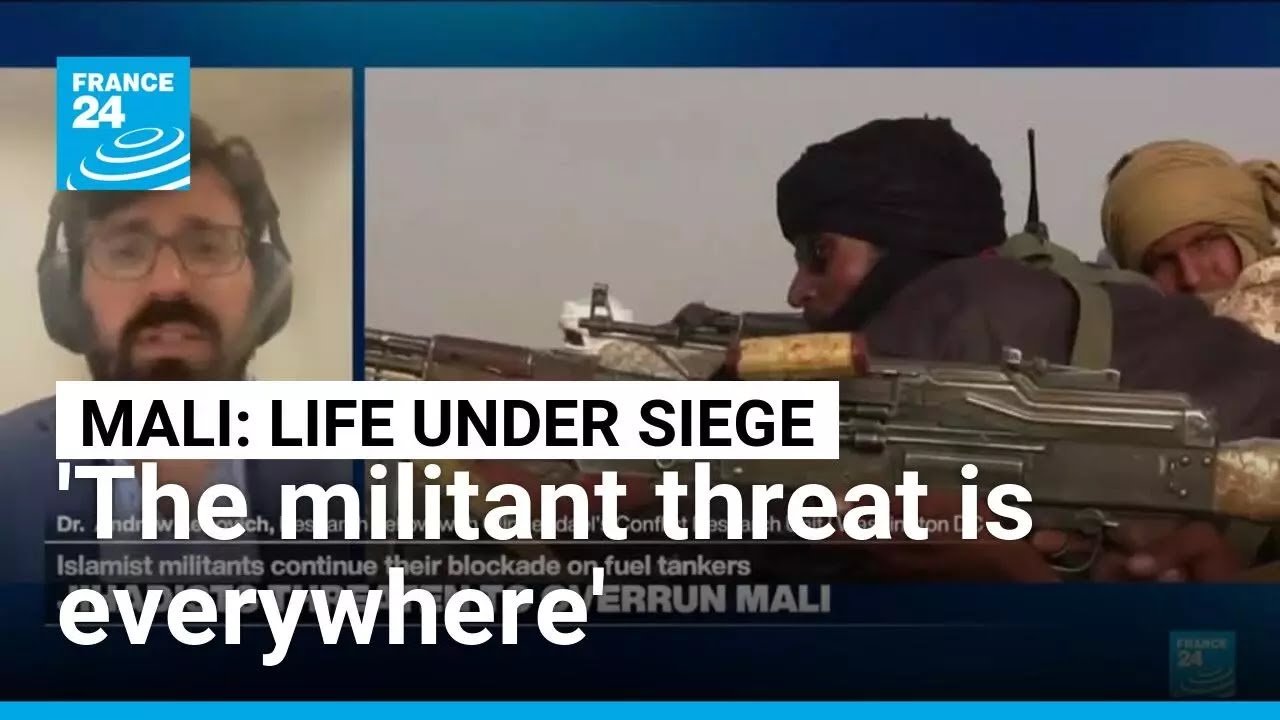
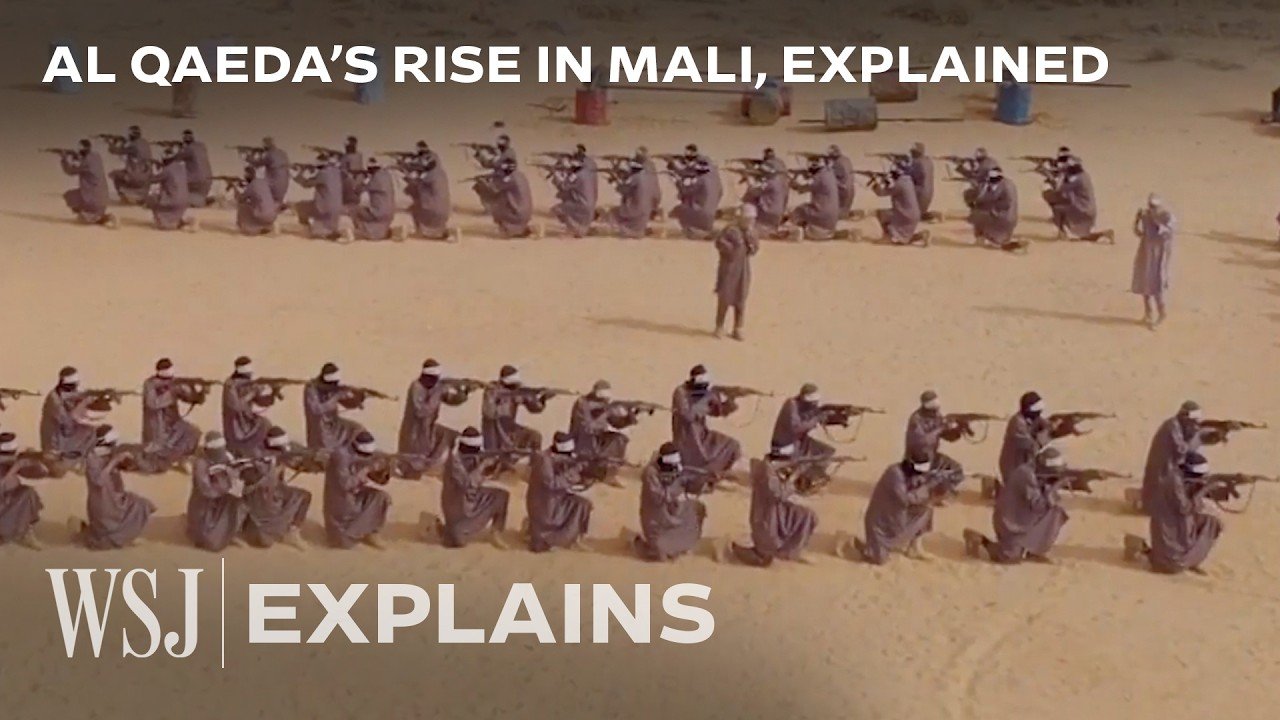
In late 2025, the al-Qaeda-affiliated group Jama’at Nusrat al-Islam wal-Muslimin (JNIM) escalated its campaign in Mali by shifting from a rural insurgency to a coordinated “economic war,” targeting the country’s fuel supply and critical infrastructure.

On 3 September 2025, JNIM formally announced a blockade strategy aimed at economically isolating the capital, Bamako. The campaign focused on cutting off fuel imports and disrupting transport networks in the landlocked country, which relies heavily on overland supply routes from neighbouring states.

The group imposed restrictions on fuel deliveries arriving by road from Senegal, Côte d’Ivoire, Guinea, and Mauritania, while simultaneously blockading key western transit hubs such as Kayes and Nioro du Sahel. Commercial traffic was halted, and residents in some areas were prevented from leaving.

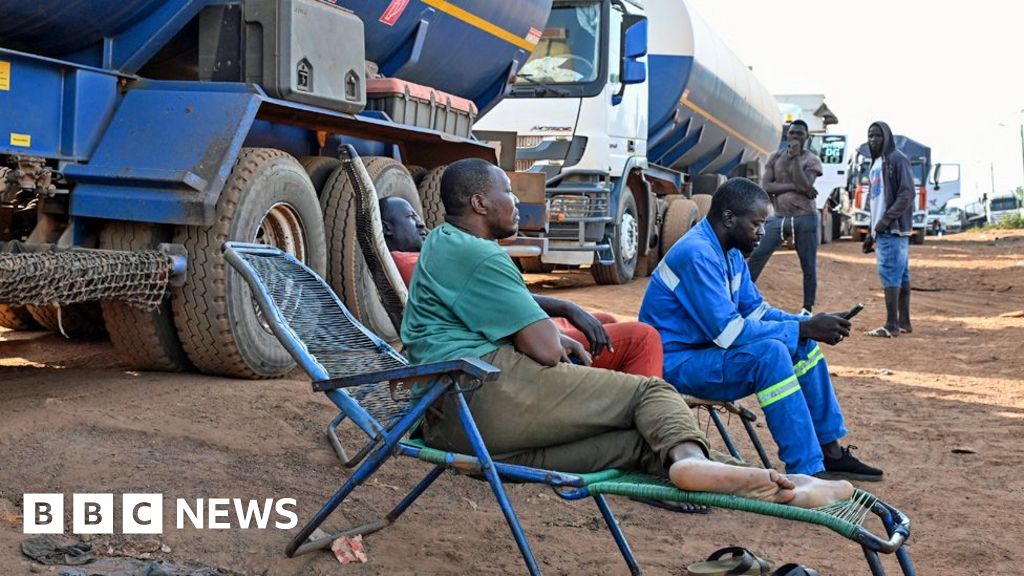
JNIM also targeted logistics infrastructure, including suspending operations of major transport operators it accused of supporting the military. Militants carried out ambushes on highways, destroying fuel tankers and kidnapping drivers, effectively severing supply lines from the Port of Dakar within weeks.

Impact on daily life

The blockade triggered a cascading crisis across Mali’s economy and public services.

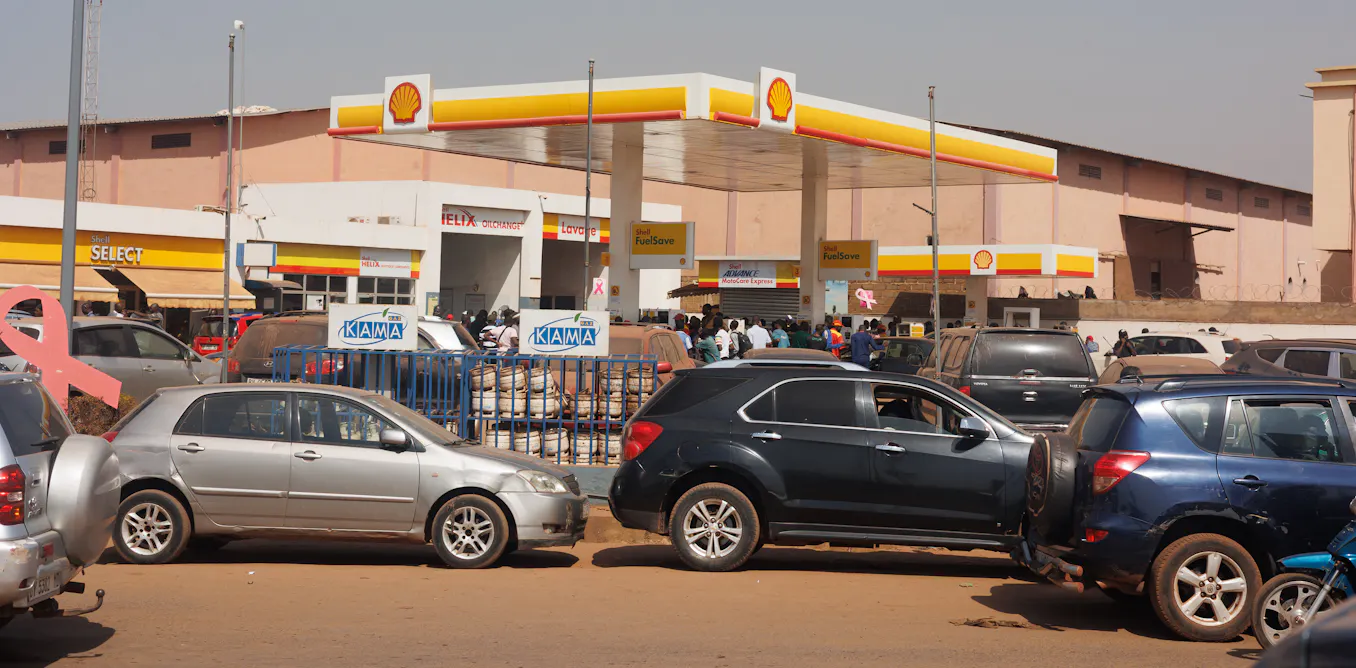
Electricity supply, already fragile, deteriorated sharply as fuel shortages crippled power generation. In Bamako, rolling blackouts left many areas with only a few hours of electricity per day. Businesses reliant on diesel generators, including food storage, retail, and small manufacturing, were forced to shut down.

Water access was also affected, as pumping systems depend on electricity. Many residents faced shortages or were forced to rely on costly alternatives.

The cost of living surged as transport disruptions pushed up prices of basic goods. Staple foods such as rice, sugar, and cooking oil rose significantly, while fuel prices on the black market multiplied several times above official rates. Public transport costs also spiked, limiting mobility for low-income workers.

Strain on services

The crisis extended into essential services. Schools and universities temporarily closed in October due to transport disruptions, while hospitals struggled to maintain refrigeration for medicines and vaccines.

Medical facilities reported postponing non-essential procedures to conserve fuel for emergency operations, highlighting the broader strain on the healthcare system.

Humanitarian and security fallout

Beyond the capital, the blockade contributed to worsening humanitarian conditions in northern and central regions. Tens of thousands were displaced from areas such as Timbuktu amid fears of food shortages and insecurity.

Transport disruptions and militant checkpoints further fragmented the country, making travel between regions increasingly dangerous.

The crisis also intensified Mali’s reliance on Russian-linked security forces to escort supply convoys, leading to more frequent clashes along key corridors. While large-scale protests remained limited, public frustration grew as the state struggled to maintain basic services.

Conflict context

The escalation reflects a broader shift in the Mali conflict, which began in 2012 as a northern insurgency and has since evolved into a complex, nationwide crisis involving jihadist groups, military rule, and foreign actors.

Following the withdrawal of French and UN forces and the government’s pivot toward Russian security support, armed groups such as JNIM have increasingly adopted economic disruption as a central tactic, aiming to weaken state control without relying solely on territorial gains.
youtube placeholder image

Read also:
Russia, Mali to strengthen ties on trade, nuclear energy
Mali military chief granted unlimited presidential term
Mali dissolves political parties leading to widespread protest
Maso, Burkina Faso issues reciprocal US travel ban
Key widely reported facts from verified sources including BBC, Reuters, WSJ, Al Jazeera, France 24, The Guardian, RFI, The Arab Weekly

Mali military chief granted unlimited presidential term

Mali's transitional parliament officially granted military leader General Assimi Goïta a five-year presidential term renewable indefinitely without elections.
Read more

Russia, Mali to strengthen ties on trade, nuclear energy

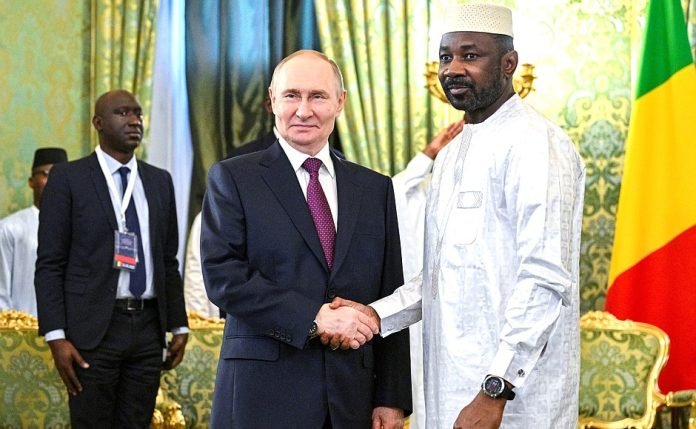
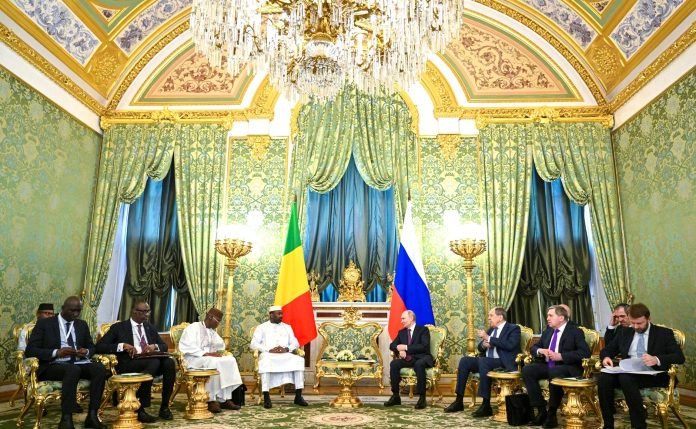
General Assimi Goïta, the transitional leader of Mali, officially visits Russia in June 2025 to meet with President Vladimir Putin. 
Read more

Niger breaks with France, inks nuclear deal with Russia

Niger and Russia have recently deepened their nuclear partnership, transitioning from raw material extraction to planned domestic energy production.
Read more

Mali dissolves political parties leading to widespread protest

In May 2025, Mali's ruling military junta, led by General Assimi Goïta, formally dissolved all political parties across the national territory.
Read more
Timeline

Jan 17, 2012: The National Movement for the Liberation of Azawad (MNLA), a Tuareg separatist group, launches an armed insurrection in northern Mali to seek independence for a region they call Azawad.

Mar 21–22, 2012: Discontent over the government’s handling of the northern rebellion leads to a military coup. Mutinying forces overthrow President Amadou Toumani Touré.

Apr 2012: Rebels seize the major northern regional capitals of Kidal, Gao, and Timbuktu. The MNLA declares the independence of Azawad, but this state receives no international recognition.

Jun–Jul 2012: A rift occurs in the rebel alliance. Al-Qaeda-affiliated groups, including Ansar Dine and AQIM, turn on the secular MNLA, violently evicting them and establishing control over northern Mali to impose Sharia law.

Jan 2013: Following a jihadist push south toward Bamako, France launches Operation Serval. French and African forces (AFISMA) successfully halt the militant advance and retake major northern cities.

Apr 2013: The UN Security Council establishes MINUSMA, a peacekeeping mission to stabilize the country.

2014–2015: Fighting spreads southward into central Mali. The Macina Liberation Front (MLF) is formed in 2015, marking a new phase of guerrilla activity.

2017: Several al-Qaeda-linked groups merge to form JNIM (Jama’at Nusrat al-Islam wal-Muslimin).

2020–2021: Ongoing insecurity leads to two more military coups, eventually placing Colonel Assimi Goïta in power.

2022: Amid growing anti-French sentiment, the military junta orders the withdrawal of French troops (Operation Barkhane). Mali begins partnering with the Russian Wagner Group (later Africa Corps).

2023: At the junta’s request, the UN begins withdrawing MINUSMA peacekeepers. Tensions escalate between the government and northern separatist groups over control of vacated military bases.

Nov 2023: The Malian army, supported by Russian mercenaries, retakes the strategic northern stronghold of Kidal.

Jul 2024: Malian forces and Russian allies suffer a major defeat at the hands of Tuareg and jihadist forces in the Battle of Tinzawaten.

Sep 2024: JNIM carries out a major attack in Bamako, targeting the airport and a gendarmerie school.

Sep 3, 2025: JNIM declares a total blockade on fuel and food entering Bamako from neighboring coastal countries.

Oct–Nov 2025: The fuel blockade paralyzes the capital. Over 130 fuel tankers are destroyed by jihadists. The government suspends schools and universities for two weeks due to energy and transport shortages.

Dec 20, 2025: The Alliance of Sahel States (Mali, Niger, and Burkina Faso) officially launches a 5,000-soldier joint force to combat the insurgency.

Jan 2026: While some fuel convoys begin arriving under heavy military escort, the capital remains under a partial blockade, with the country facing risks of potential state collapse.

Opinion & Analysis


You may also be interested in

LEAVE A REPLY

Please enter your comment!
Please enter your name here