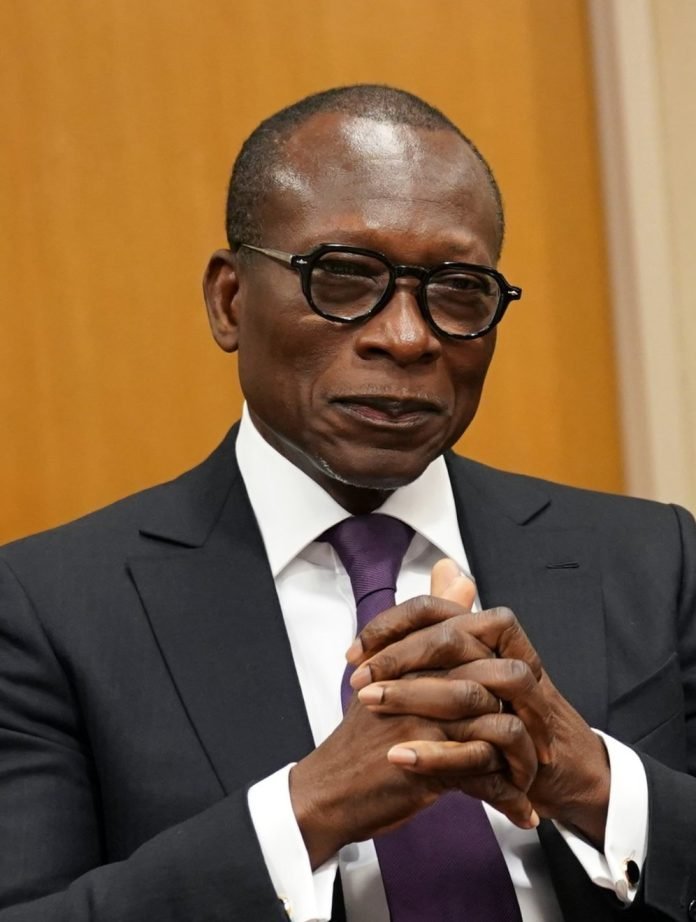
Benin says it thwarted a coup attempt on December 7, 2025, after a group of soldiers calling itself the “Military Committee for Refoundation” seized the ORTB state television headquarters, attacked President Patrice Talon’s residence in Cotonou and briefly declared the government dissolved.
The mutineers, led by Lieutenant Colonel Pascal Tigri, also announced the suspension of the constitution and the closure of the country’s borders before loyalist forces moved to retake control.
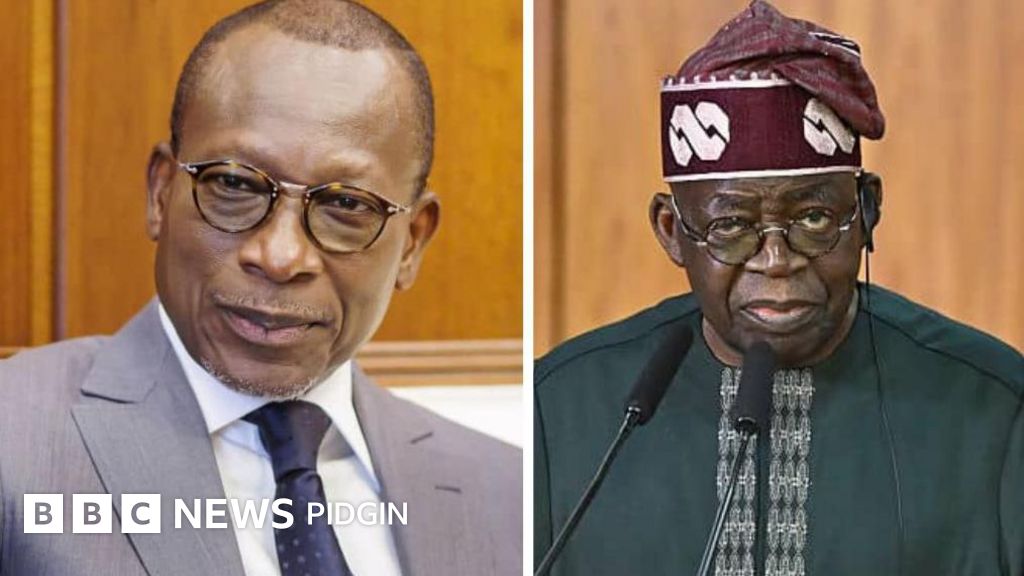
At Talon’s request, Nigeria deployed fighter jets to secure Benin’s airspace and sent ground troops to help dislodge the mutineers from the broadcaster and a military base.
The Economic Community of West African States (ECOWAS) and the African Union condemned the coup attempt, while ECOWAS activated a standby force made up of roughly 200 soldiers from Nigeria, Ghana, Sierra Leone and Ivory Coast.

What drove it
The soldiers cited worsening insecurity in northern Benin, where jihadist violence spilling over from the Sahel has intensified, as well as grievances over military neglect, unfair promotions and poor treatment of troops on the front lines. They also pointed to Talon’s governance, tax hikes, spending cuts in health care and constitutional changes passed shortly before the putsch.
Those reforms, approved by the National Assembly in November, extended presidential and legislative terms from five to seven years and created a new Senate. Critics accused Talon of trying to retain influence after his planned departure in April 2026, while opposition parties were already facing exclusion from the 2026 presidential race.
Aftermath and arrests
Authorities said at least 14 people were arrested immediately, and the crackdown widened in the days that followed. Benin’s court for the repression of economic offenses and terrorism, CRIET, later remanded 30 military personnel and one civilian on charges including treason and murder. The government also detained figures such as former Defense Minister Candide Azannaï and Chabi Yayi, the son of former President Thomas Boni Yayi, while issuing arrest warrants for pro-coup activists including Kémi Séba.
The alleged leader, Lt. Col. Pascal Tigri, reportedly fled to neighboring Togo, prompting an extradition request from Benin. In the weeks following the failed coup attempt, Benin moved from immediate military stabilization to a period of intense legal crackdowns and strategic political maneuvering ahead of the 2026 elections.
Constitutional changes
In late Dec 2025, the Constitutional Court validated controversial reforms extending presidential terms and creating a Senate, which critics argue will allow Talon to maintain control even after his term ends in April 2026.
Despite the instability, the government pushed forward with scheduled parliamentary and local elections on January 11. The main opposition party, Les Démocrates, was barred from local polls and failed to meet the 20% vote threshold required to gain seats in the National Assembly under new electoral rules.
Regional “Coup Contagion”
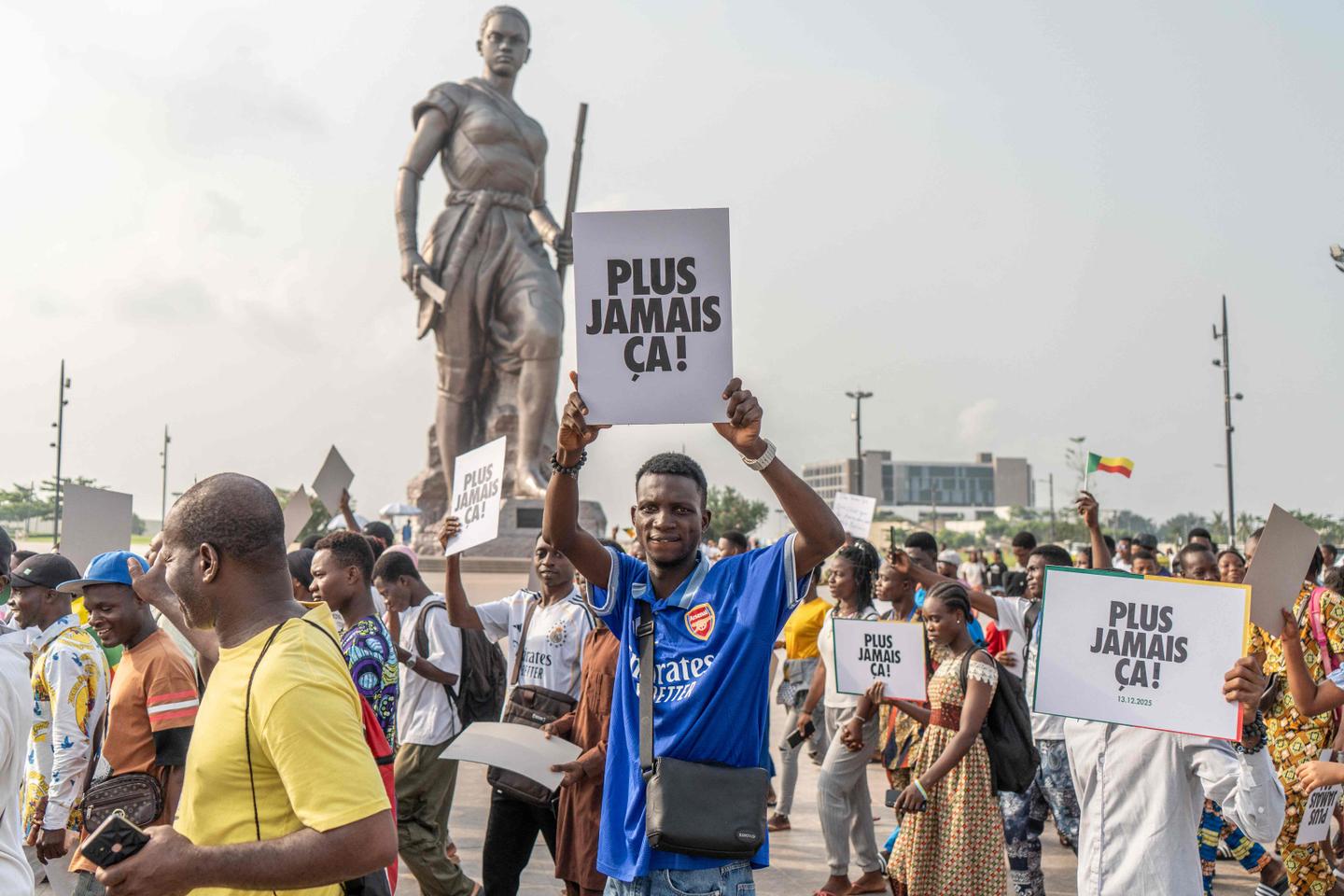
The attempt reflected a broader trend across West Africa, where military juntas in Mali, Burkina Faso, and Niger have successfully seized power since 2020.
Tigri used anti-imperialist rhetoric and slogans (like “The Republic or Death”) commonly associated with the military rulers of Burkina Faso.
There were reports and allegations of potential assistance or foreknowledge from the military government in Niger, which viewed a pro-junta Benin as a way to gain easier access to the Port of Cotonou.
Regional security and diplomacy
The intervention marked a major shift in West African regional politics. Approximately 200–250 ECOWAS troops (mostly from Nigeria and Côte d’Ivoire) remained in Benin into early 2026 to secure key installations and deter further mutinies.
France confirmed it provided intelligence and logistical assistance to help loyalist forces during the crisis, signaling continued Western support for the Talon administration.
Diplomatic relations between Benin and Niger formally collapsed on January 1, 2026, following unconfirmed allegations that Niger’s military junta supported the coup attempt.

Read also: 2026 Benin Parliamentary Elections