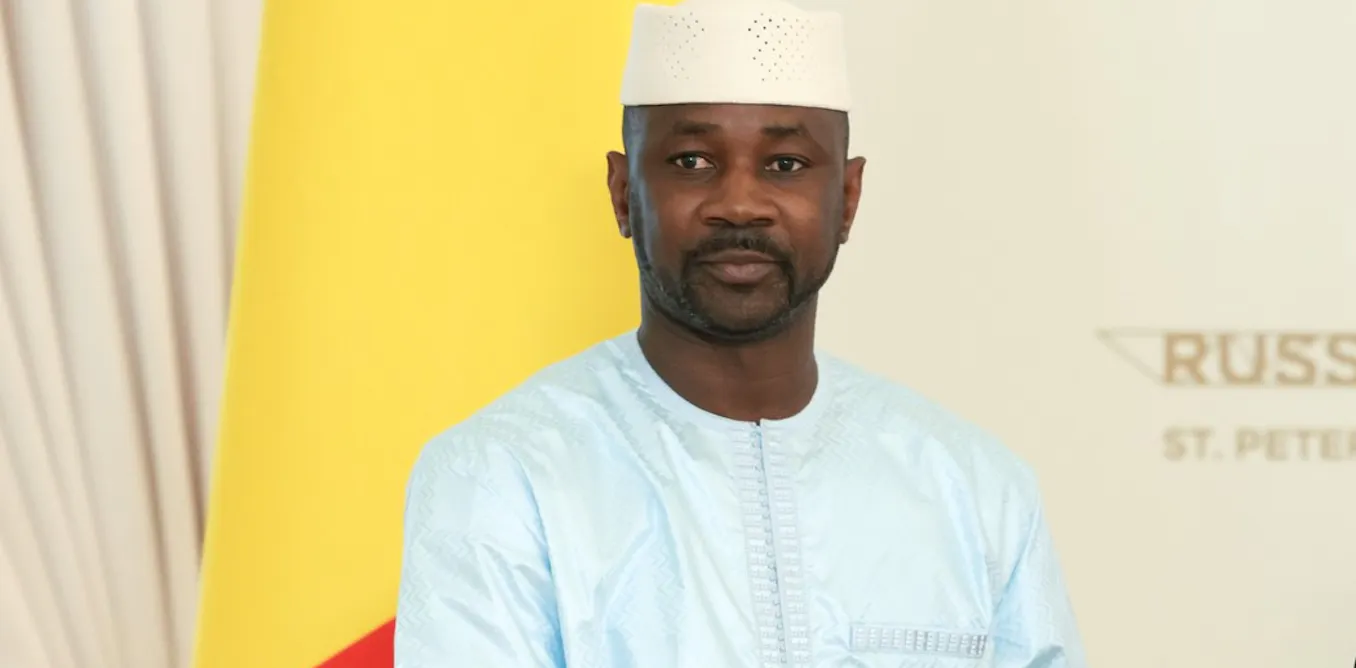
Mali’s transitional parliament officially granted military leader General Assimi Goïta a five-year presidential term renewable indefinitely without elections in July 2025, effectively extending his rule until at least 2030 and marking a major departure from earlier pledges to return the country to civilian rule.
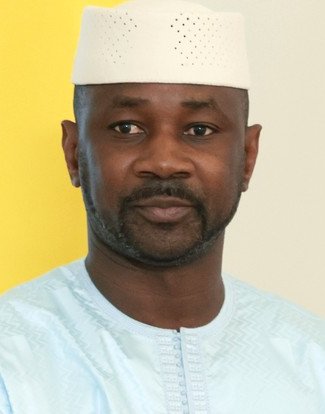
On 4 July 2025, Mali’s transitional parliament granted General Goïta a five-year presidential term that can be renewed without elections until the country is declared pacified. The mandate was granted by the military-appointed National Transitional Council rather than through a popular vote.
The bill received unanimous support from all 131 members present in the NTC. It follows recommendations from a national dialogue held in April 2024, which was boycotted by major political parties.
This extension follows a series of measures to centralise control, including the dissolution of all political parties and organisations in May 2025.
Background and consolidation of power
Goïta, who seized power in coups in 2020 and 2021, had originally committed to a transition back to democracy by March 2024. The junta maintains that stabilising Mali’s security, threatened by persistent jihadist insurgencies, takes priority over holding immediate elections.
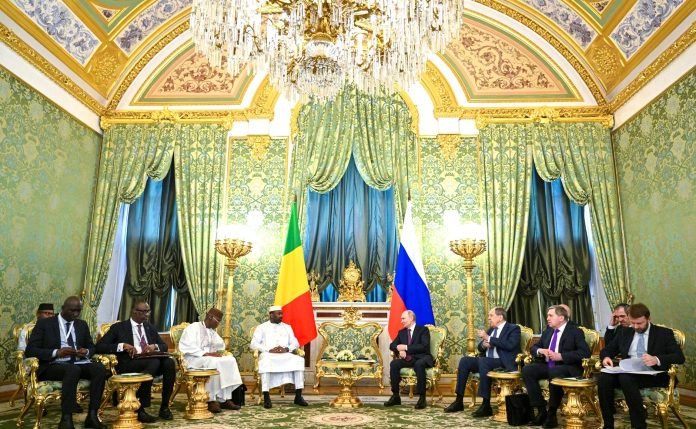
Under Goïta, Mali has severed ties with former colonial power France, withdrawn from ECOWAS, and pivoted toward stronger security alliances with Russia and neighbouring military-led states like Burkina Faso and Niger.
Reactions
The National Transitional Council unanimously approved the measure with 131 votes in favour. NTC President Malick Diaw called the law a major step forward that reflects popular will.
Pro-democracy groups and political parties, many of which were formally dissolved by the junta in May 2025, have condemned the move as a sham aimed at consolidating a dictatorship. Public protests broke out in Bamako in May 2025 as the proposal first emerged. Groups like the Espérance Nouvelle Jigiya Kura platform have called for an immediate return to constitutional rule.
Many supporters and junta officials argue that elections are impossible due to jihadist violence, prioritising national pacification over the ballot box.
International and regional reactions
ECOWAS, which Mali exited in 2024, has previously labelled delays to civilian rule as taking the Malian people hostage. While formal responses to the July law are unfolding, the bloc continues to push for a return to democracy.
A group of UN independent experts issued a joint statement condemning the abolition of multiparty politics and the extension of military rule. Human rights organisations like Amnesty International and the International Federation for Human Rights have criticised the consistent pattern of repression accompanying Goïta’s consolidation of power.
International IDEA’s Democracy Tracker report for July 2025 noted that the new charter entrenches military rule and effectively ends hopes for a near-term democratic transition.
Broader implications
The move cements Mali’s shift away from democratic governance and deepens its alignment with Russia and other military-led regimes in the Sahel.
It also highlights the ongoing tension between security priorities and democratic aspirations in countries facing persistent insurgencies, with the junta using instability as justification for indefinite military rule.
Read also: Mali dissolves political parties leading to widespread protest