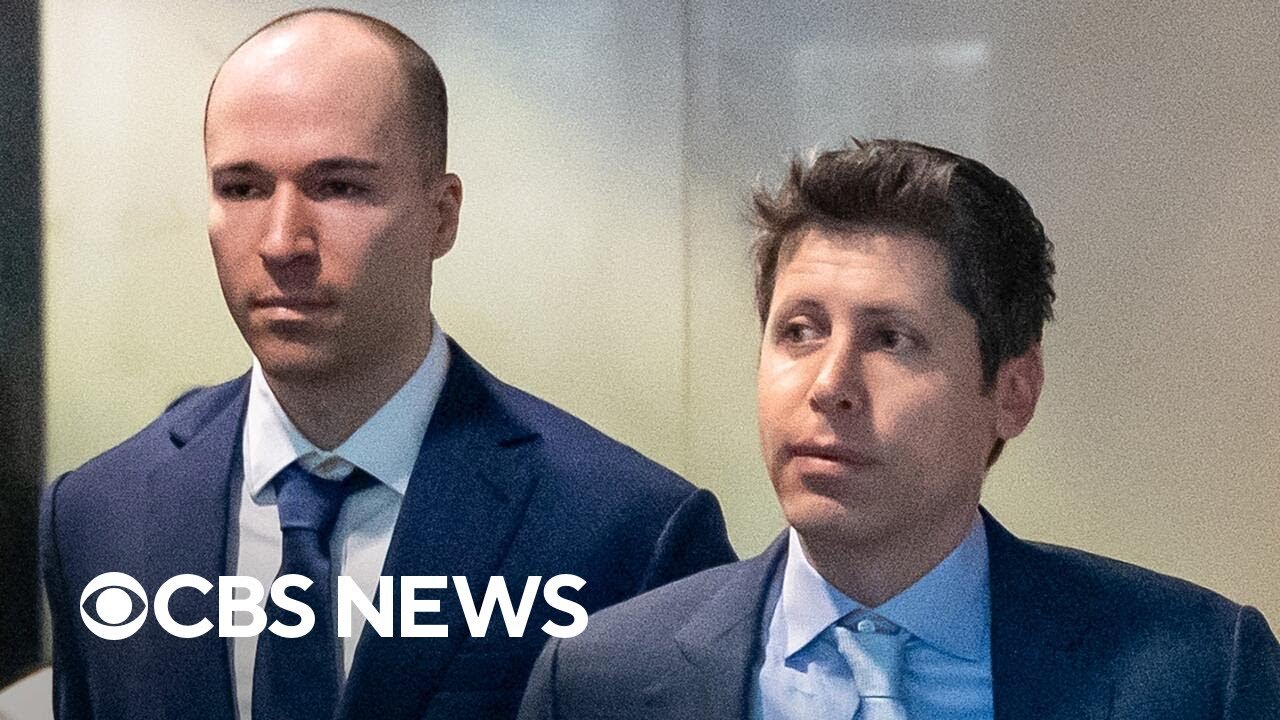
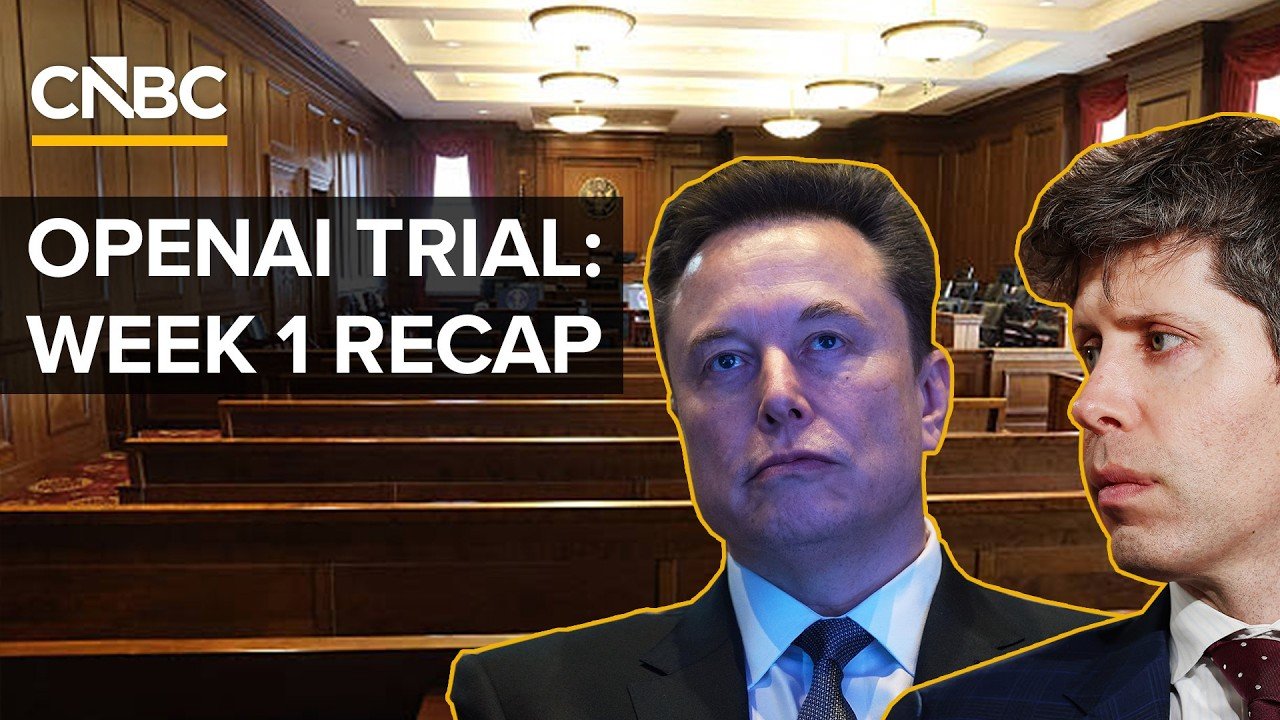
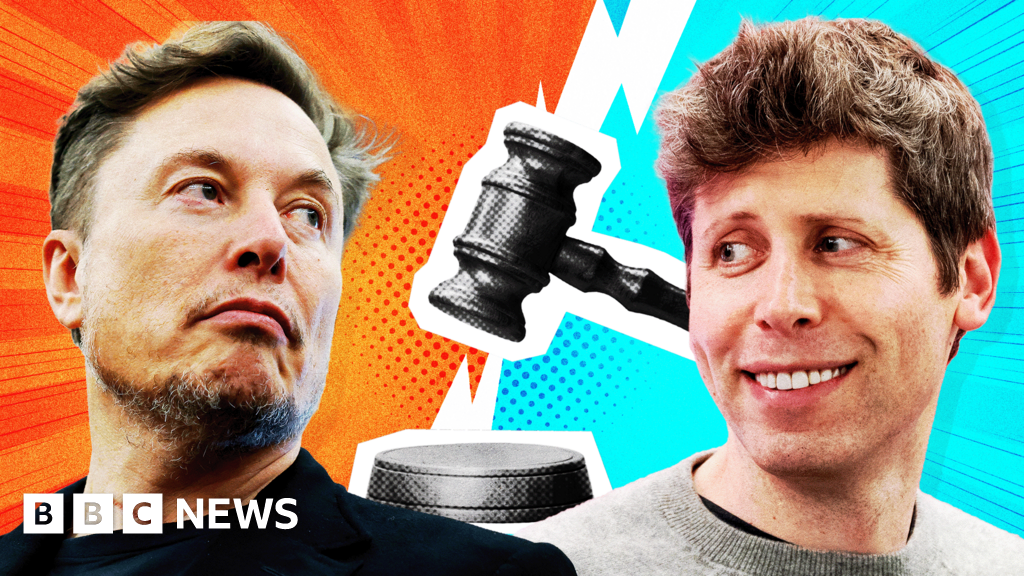
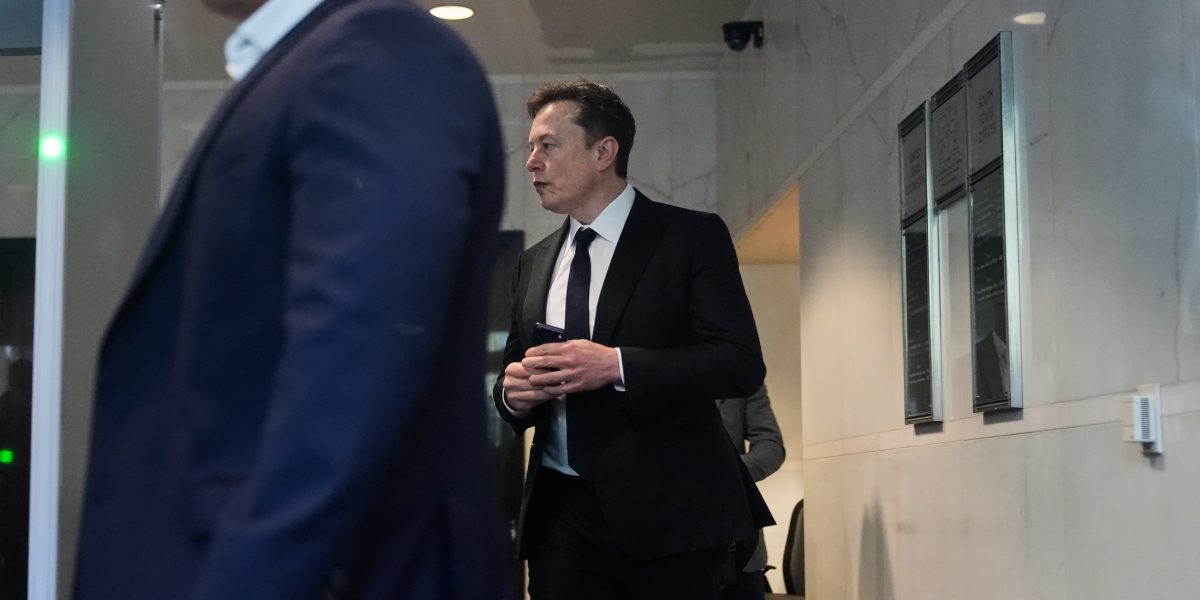
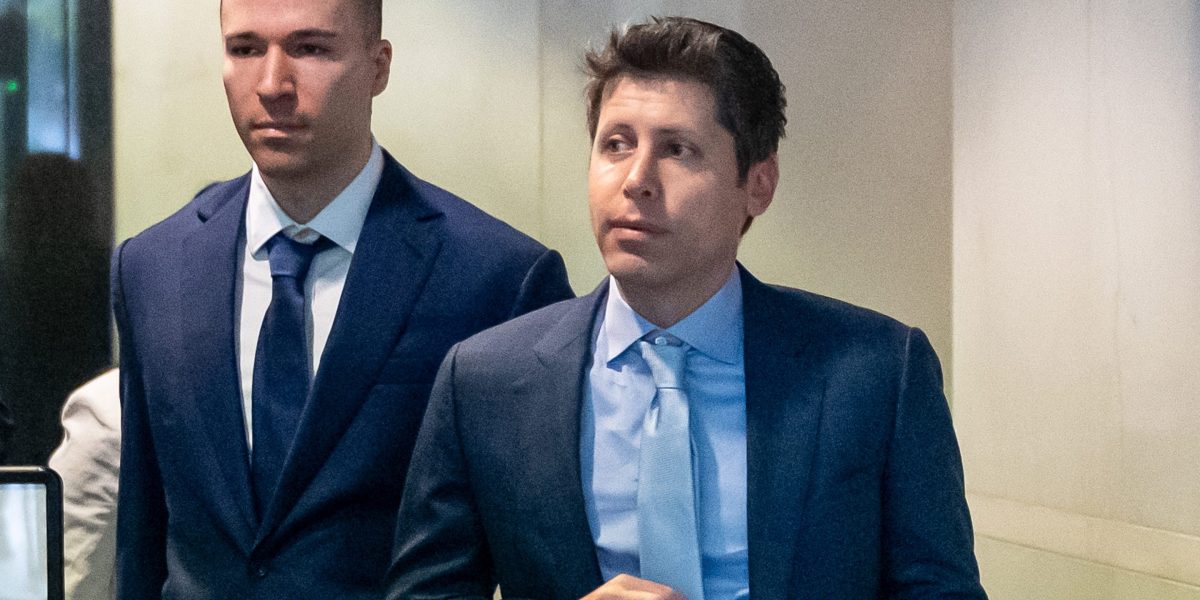
Elon Musk ignited this legal firestorm by filing his initial lawsuit against OpenAI CEO Sam Altman and President Greg Brockman in March 2024, alleging betrayal of the nonprofit ideals he helped bankroll with close to $40 million in seed funding between 2016 and 2020; he later amended the suit to rope in Microsoft, ballooning damages claims past $150 billion.
After years of pretrial wrangling, including Musk’s brief withdrawal and refiling, the federal trial finally erupted in an Oakland, California courtroom on April 27, 2026, starting with jury selection and opening statements the next day. Now deep into its second week as of early May, the proceedings have drawn massive attention, live-streamed on YouTube, with raw testimony exposing the fractious origins of the AI powerhouse and broader questions about tech philanthropy versus profit.
Musk’s explosive testimony
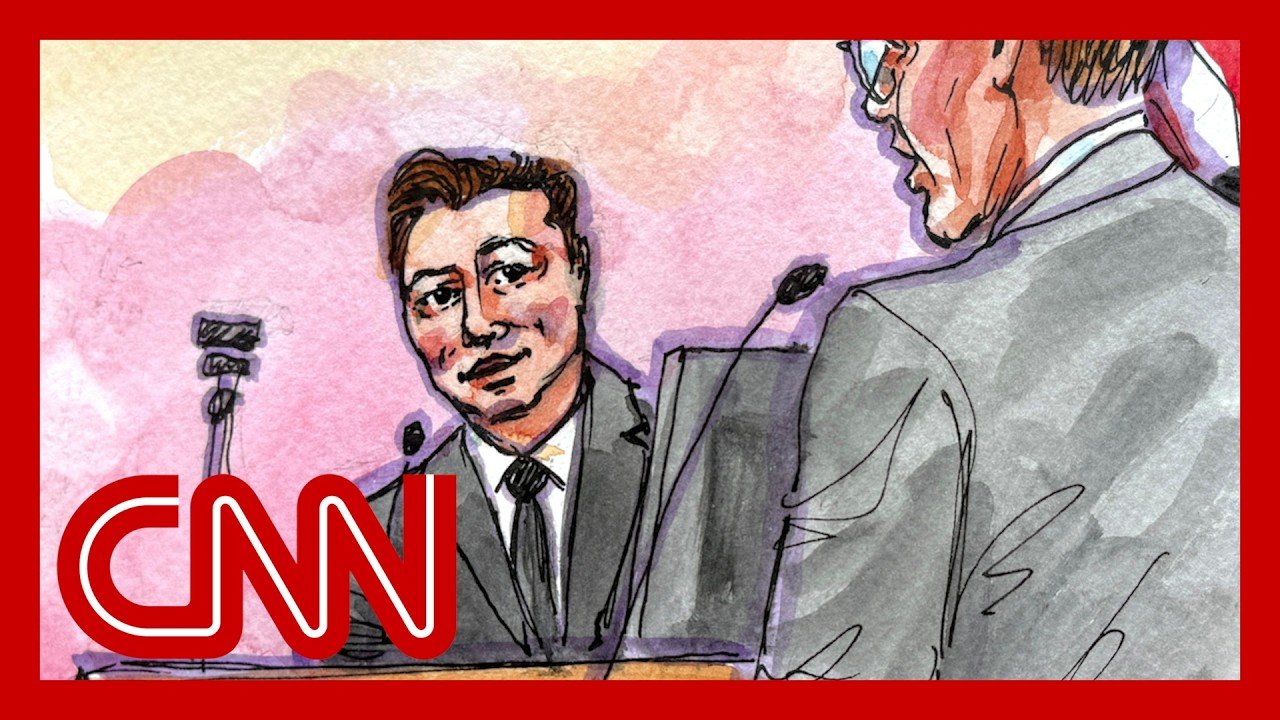
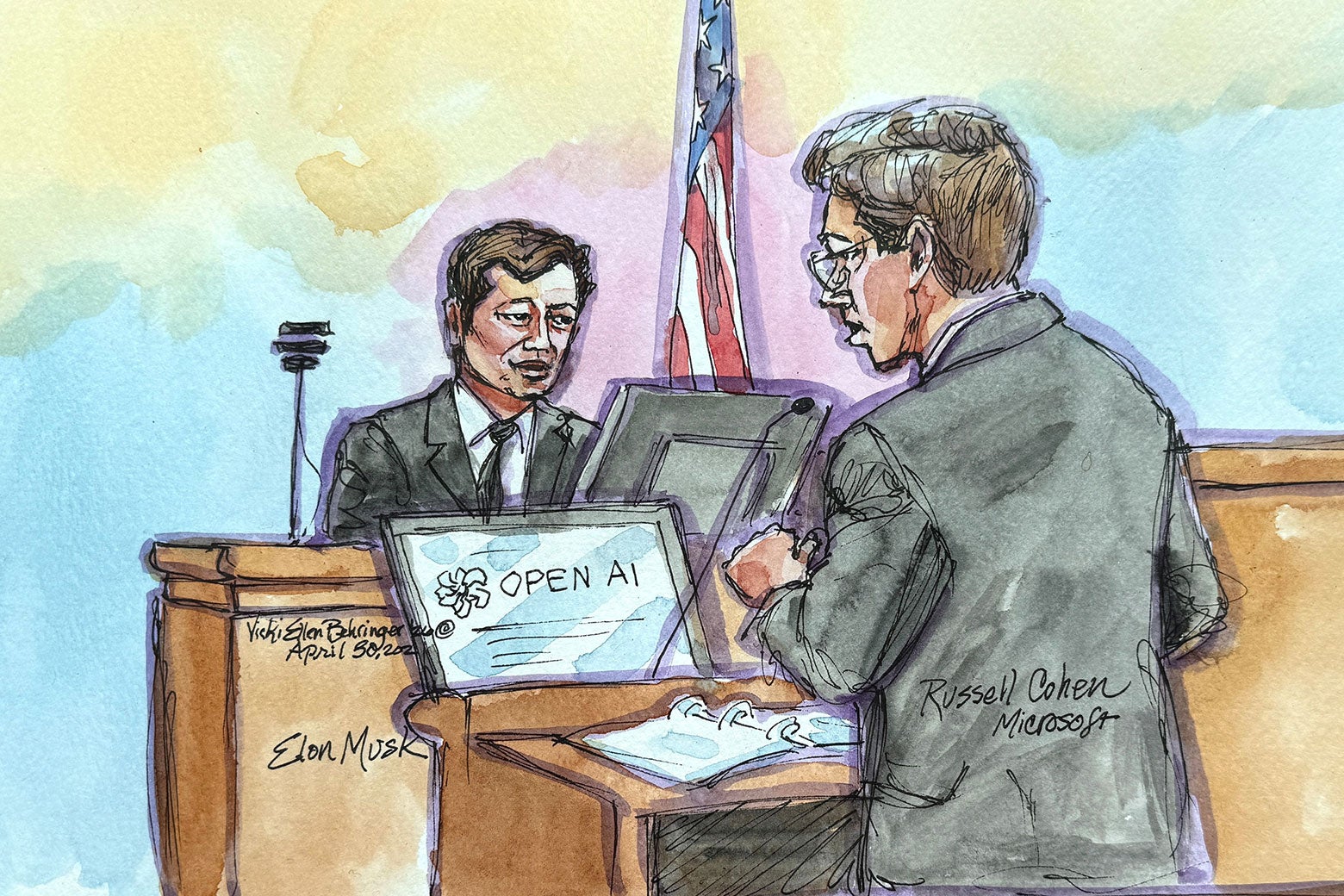
Taking the stand for three grueling days in late April, Musk positioned himself as OpenAI’s true architect, specifically as a nonprofit counter to rivals like Google. He painted himself as the deceived visionary, testifying that he poured millions into OpenAI under ironclad promises of a nonprofit safeguarding humanity from rogue AI, only to watch it morph into a Microsoft-aligned behemoth.
I came up with the idea, the name, recruited the key people, taught them everything I know, provided all of the initial funding.
He painted a picture of personal betrayal, pouring millions into what became an “$800 billion for-profit company,” while issuing stark existential warnings about AI risks and conceding his xAI partly relies on OpenAI models through distillation. Tensions boiled as the judge reined in his argumentative style, including claims he didn’t read the “fine print“.
I gave them $38 million of essentially free funding which they then used to create an $800 billion for-profit company. I literally was a fool.
If we make it OK to loot a charity, the entire foundation of charitable giving in America will be destroyed.
Bombshell evidence emerges
The trial’s dramatic pivot came with Greg Brockman’s personal 2017 diary, dramatically read aloud in court, laying bare raw internal agonies over the looming for-profit transition and co-founders’ simmering profit ambitions — entries OpenAI’s lawyers dismiss as mere “venting” from high-stakes deliberations.
I cannot believe that we committed to non-profit if three months later we’re doing b-corp then it was a lie.
Greg Brockman wrote in his diary.
Musk sought settlement before trial
On April 25, 2026, just two days before trial, Musk texted Brockman to float a settlement, replying to a mutual-drop offer with a veiled threat that Altman and he would become “the most hated men in America” if they proceeded. These artifacts have crystallized the feud’s personal venom, turning private musings and messages into public battlegrounds.
By the end of this week, you and Sam will be the most hated men in America. If you insist, so it will be.
Elon Musk’s text to Brockman
Altman questioned: “You just happen to be $30billion richer?”
Week two amplified the chaos with insider accounts painting OpenAI’s early culture as a pressure cooker of egos and ambitions. On May 4, Musk’s attorney Steven Molo hammered Brockman for over two hours on his nearly $30 billion stake — confirmed in court despite no personal investment — probing if it breached fiduciary duty to humanity: “You just happen to be $30 billion richer?” and “Does a $30 billion stake breach your duty to humanity?”
Brockman countered that compensation was “secondary to the mission,” his equity was board-approved pre-ChatGPT success, and OpenAI’s nonprofit arm remains the best-funded ever.
Former CTO Mira Murati delivered scathing testimony on Altman’s leadership, accusing him of manufacturing distrust that teetered the company toward “catastrophic” implosion ahead of his short-lived 2023 ouster.
Brockman: Musk talked about a $80billion Mars colony
Shivon Zilis, Musk’s close ally and ex-board member, recounted his aggressive talent poaching and cryptic internal chats floating Altman for a Tesla AI gig, while Brockman relived a 2017 showdown where he braced for physical assault amid Musk’s control demands and wild talk of channeling profits into an $80 billion Mars base. These voices have humanized the corporate intrigue, revealing fault lines that long predated the lawsuit.
Core claims and defenses
At its heart, Musk’s case pivots on an alleged 2015 “Founding Agreement” pieced from emails and incorporation documents, which he says contractually locked OpenAI into nonprofit, open-source AI free from corporate capture— a sacred trust “looted” when it flipped for-profit with Microsoft’s billions, unjustly enriching leaders like Brockman (whose stake now tops $30 billion) and warranting massive damages, a structural rewind, and their removal.
OpenAI fires back that no such binding pact existed — Musk bailed when denied total control, even endorsed a 2017 for-profit arm in emails to fund AI’s voracious compute demands, and this whole saga reeks of “sour grapes” to kneecap rivals like xAI.
What’s next
With several weeks stretching into mid-May, the spotlight swings to Sam Altman’s turn on the stand, potential testimony from Microsoft chief Satya Nadella, and co-founder Ilya Sutskever — whose 2023 board revolt role and new SSI venture could sway the narrative. A ruling here might not just upend OpenAI’s trajectory or IPO dreams but redraw battle lines for AI ethics, funding, and governance in Silicon Valley’s fiercest family feud.