On April 25, 2026, what is typically one of Washington’s most high-profile and ceremonial evenings descended into chaos after an armed attacker attempted to reach US President Donald Trump during the White House Correspondents’ Dinner (WHCD).
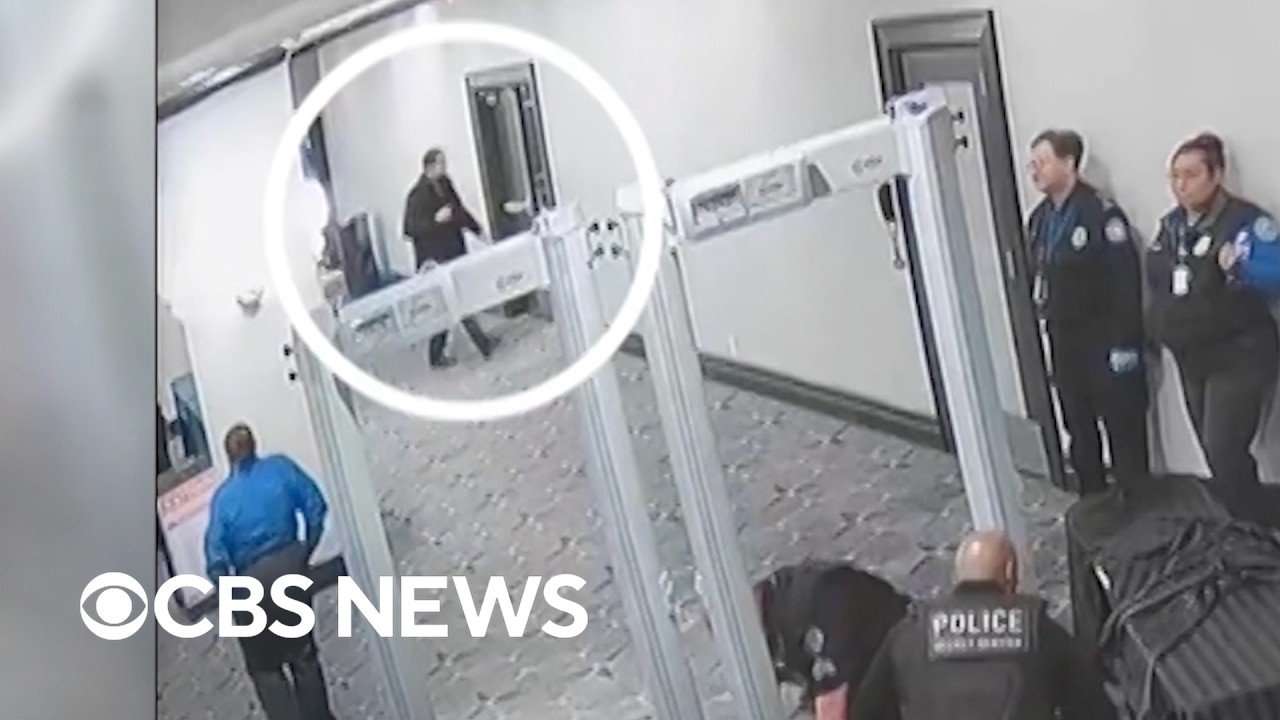
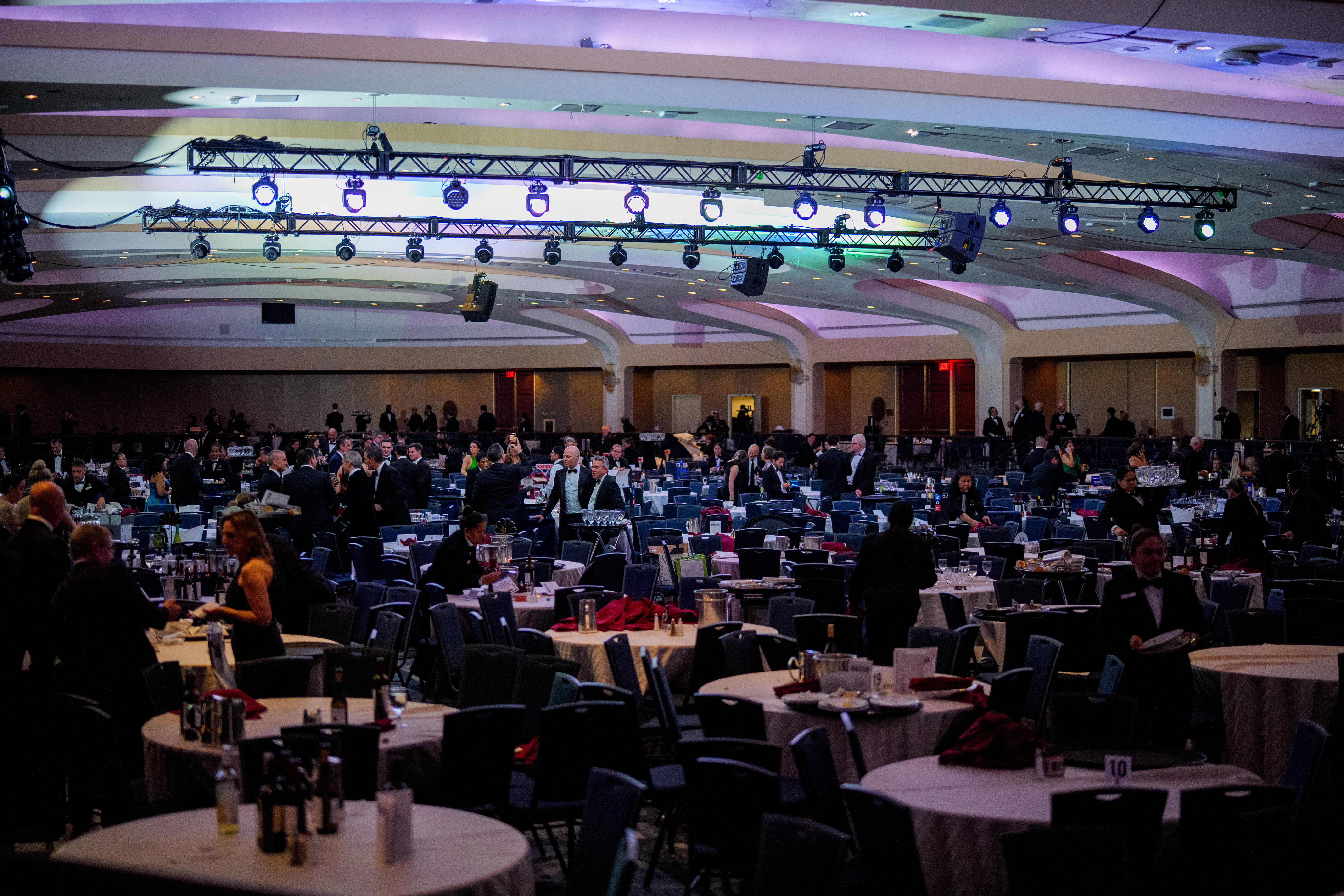
The annual event, held at the Washington Hilton, brings together political leaders, journalists, and celebrities. This year’s gathering was abruptly interrupted at around 9:30 pm, when a gunman breached an outer security checkpoint and advanced toward the ballroom where the president and hundreds of guests were assembled.
Inside the security breakdown
Authorities identified the suspect as 31-year-old Cole Tomas Allen from Torrance, California. According to law enforcement accounts, Allen was heavily armed, carrying a 12-gauge pump-action shotgun, a semi-automatic handgun, and multiple knives.
Witnesses described a sudden escalation from confusion to panic as loud bangs echoed through the venue. Guests initially mistook the sounds for part of the evening’s program before security personnel began shouting instructions.
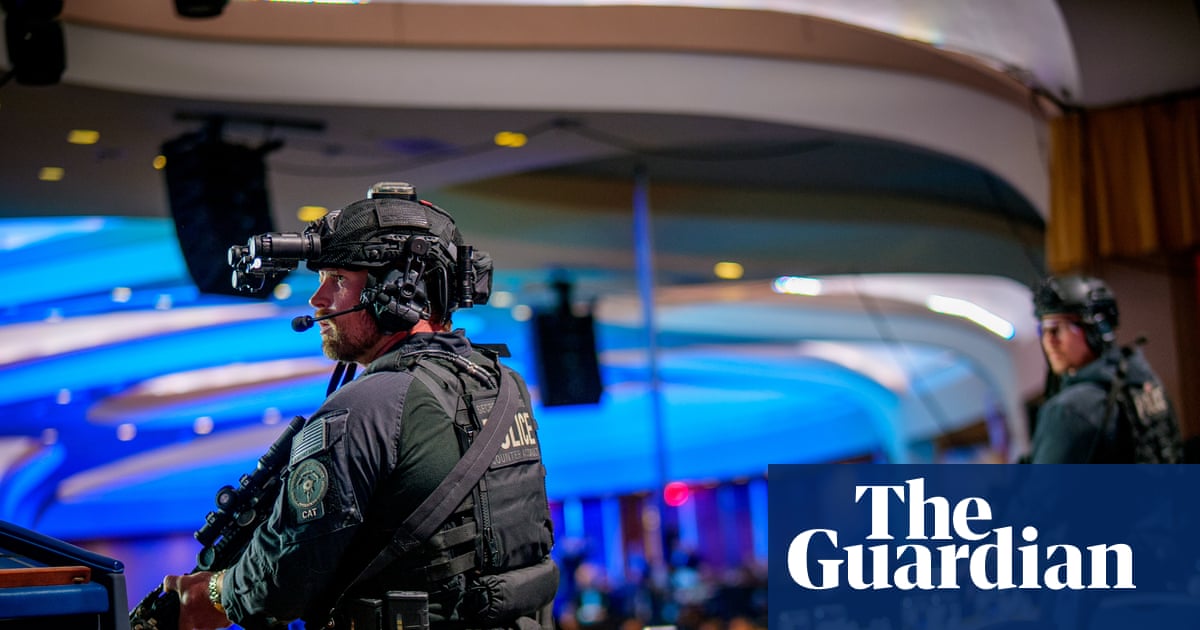
Allen reportedly exchanged gunfire with law enforcement officers as he moved deeper into the hotel. He was ultimately subdued by Secret Service agents just short of a staircase leading directly to the ballroom.
One Secret Service agent was struck during the confrontation but survived due to a ballistic vest. No fatalities were reported, though the incident triggered widespread panic inside the ballroom, with attendees taking cover under tables and behind furniture.
Rapid evacuation and containment
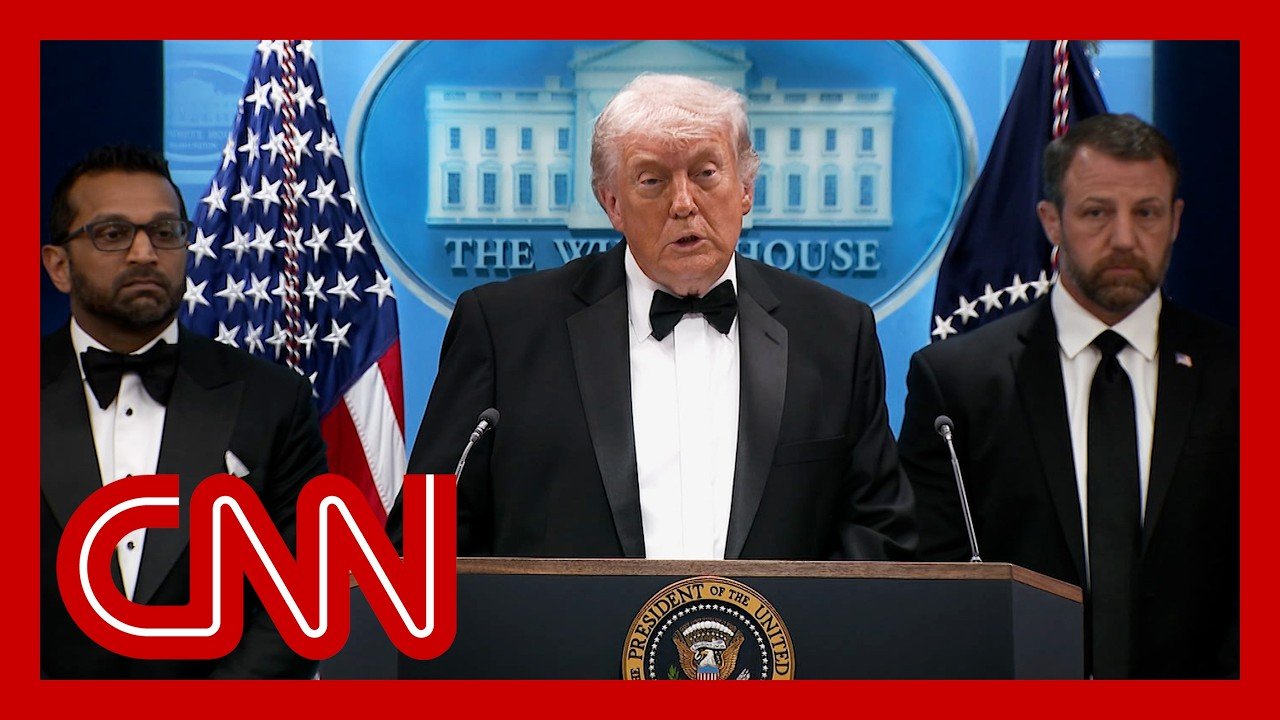
President Trump and First Lady Melania Trump were swiftly evacuated from the venue by Secret Service agents. Vice President JD Vance, who was also in attendance, was safely removed.
The speed of the response likely prevented the attacker from reaching the main event space, underscoring both the effectiveness and the limits of layered security at high-profile public gatherings.
Within minutes, the hotel was placed under lockdown as law enforcement secured the scene and began a full sweep for additional threats.
Charges and alleged motive
Federal prosecutors have since charged Allen with multiple offenses, including attempted assassination of the President of the United States, discharging a firearm during a crime of violence, and transporting weapons across state lines.
Investigators say an FBI affidavit references a manifesto allegedly sent by Allen to family members prior to the attack. In it, he expressed intense anger toward President Trump, using inflammatory language and accusations.
Authorities have not indicated any evidence of accomplices, and the investigation remains ongoing.
Political shockwaves and security questions
The incident has reignited concerns over political violence in the United States, particularly at a time of heightened polarization. The WHCD, traditionally a symbol of press freedom and political satire, became an unexpected flashpoint in that broader national conversation.
In the immediate aftermath, the White House initiated a comprehensive security review of protocols for major public events involving senior officials. The review, led by Chief of Staff Susie Wiles, is expected to examine perimeter screening, venue coordination, and threat detection procedures.
President Trump also pointed to the incident as further justification for plans to construct a more secure, purpose-built ballroom within the White House complex—an idea that has surfaced periodically in past administrations.
A night that reshaped a tradition
The White House Correspondents’ Dinner has long served as a rare moment of levity in Washington, blending politics, media, and entertainment. The 2026 incident may fundamentally alter how such events are organised going forward.
While no lives were lost, the attempted breach of one of the most tightly secured public gatherings in the country has raised difficult questions about evolving threat landscapes—and whether even the most established institutions can remain open in an era of rising political extremism.