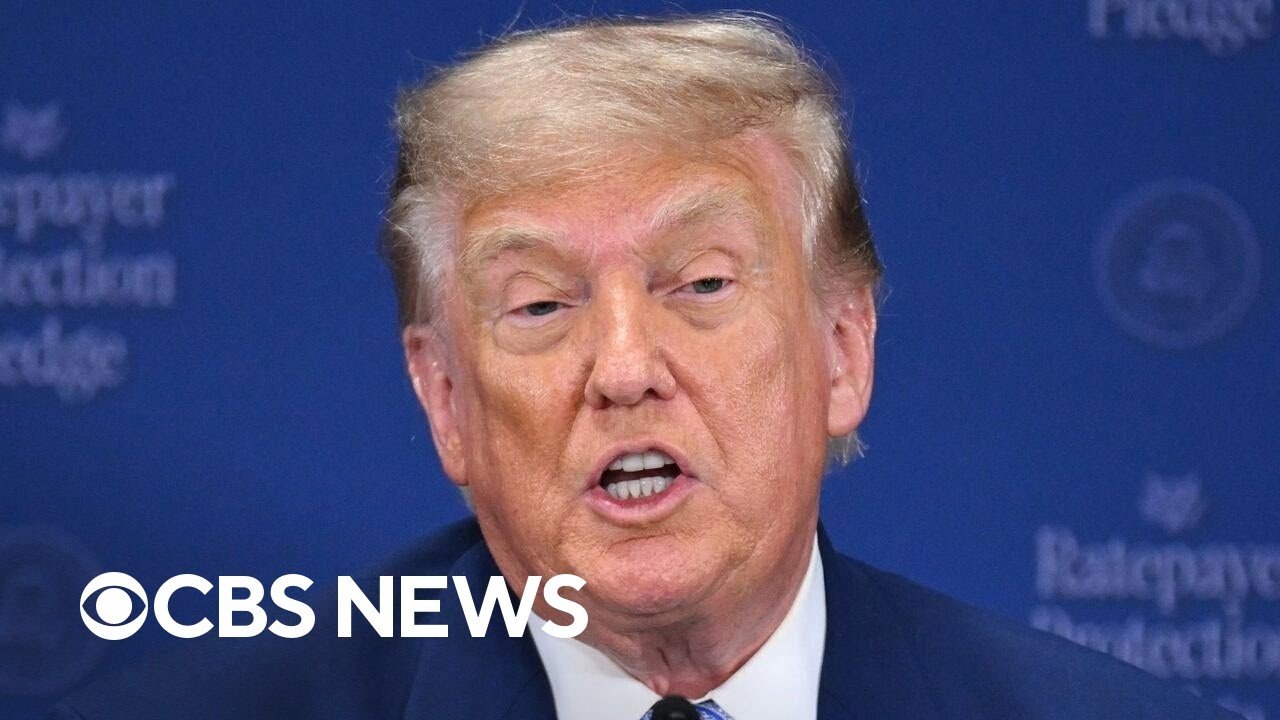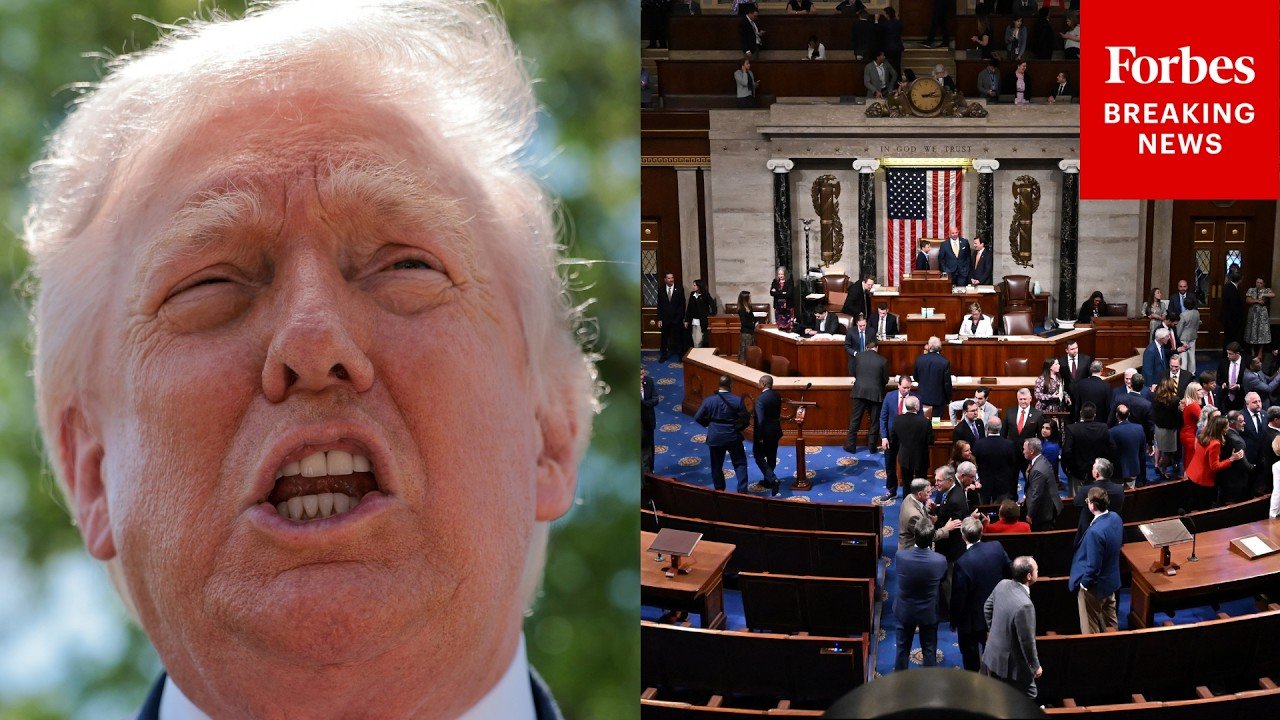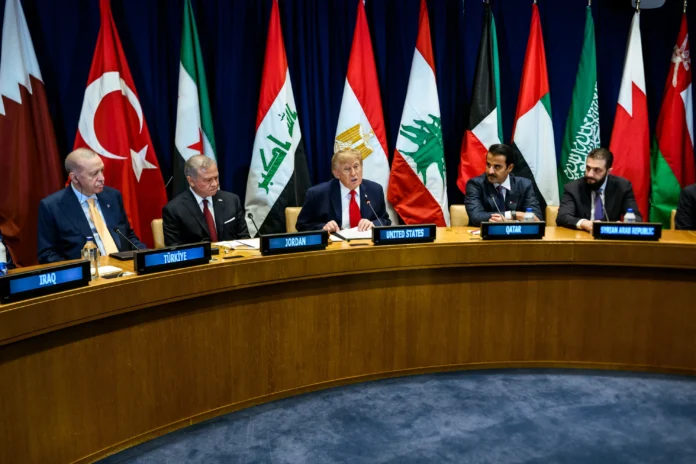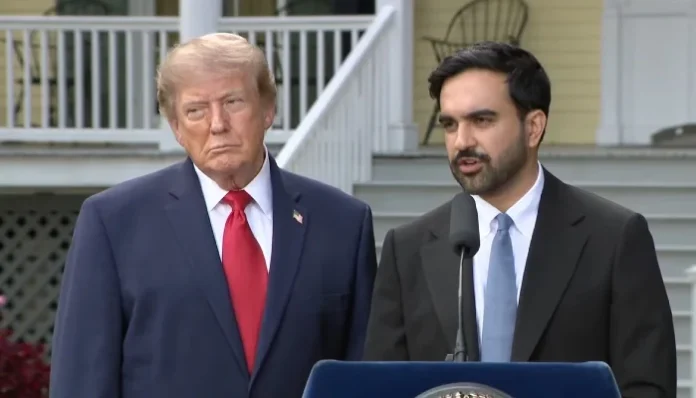


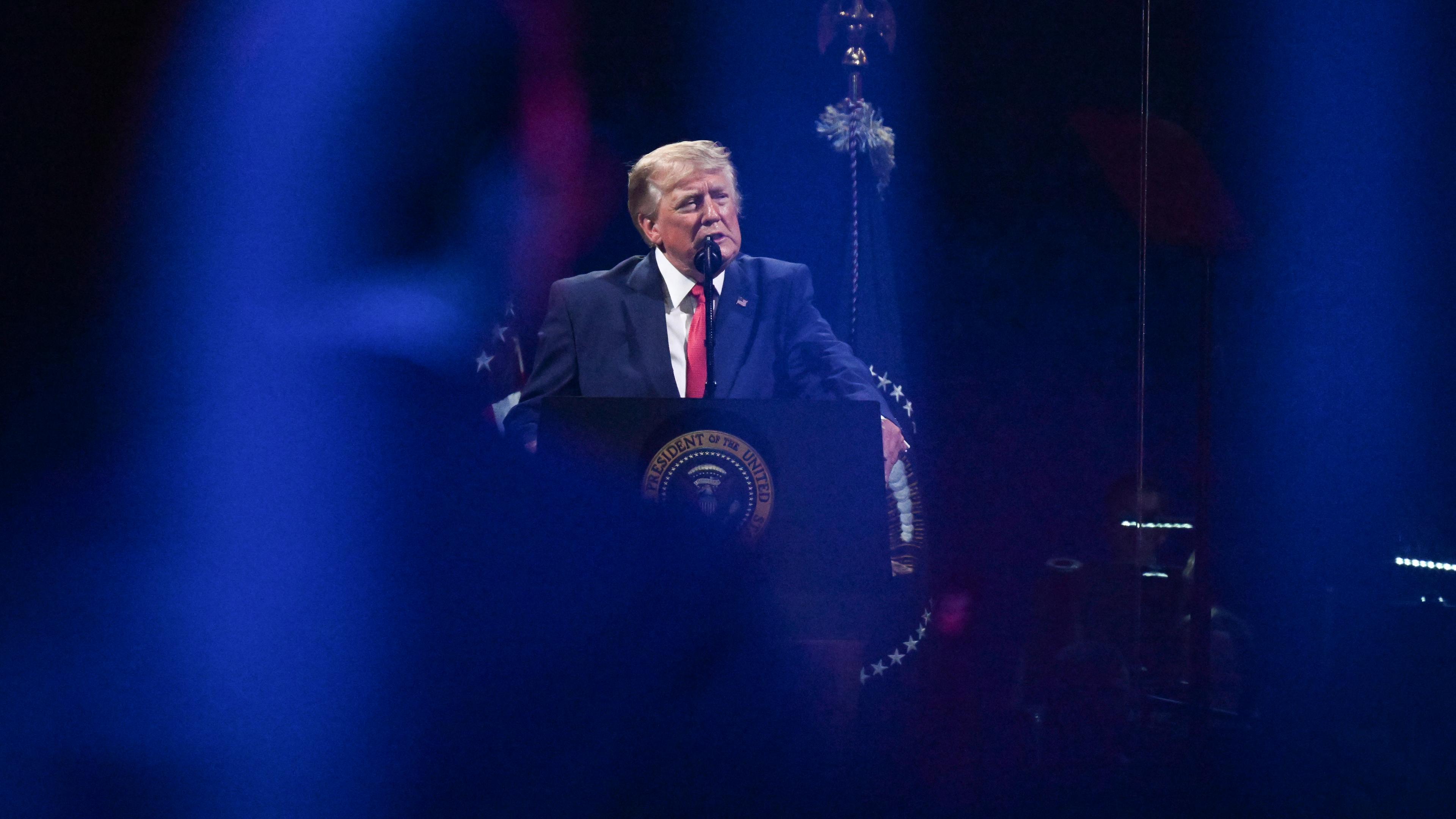


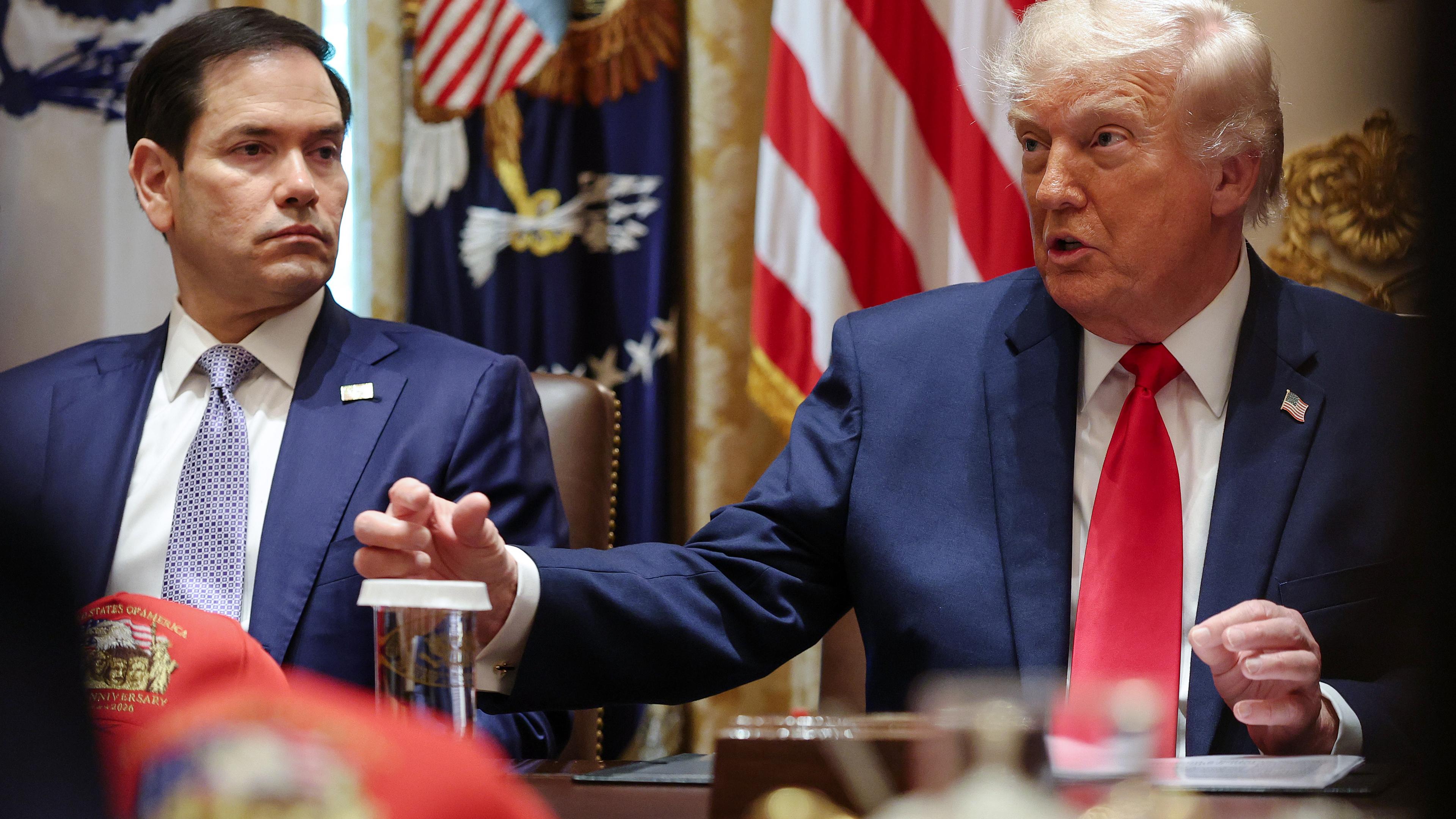
The US House of Representatives voted 214-208 on Thursday to restrict President Donald Trump’s authority to continue military operations against Iran without explicit congressional approval, but the Senate later blocked a matching measure in a 49-47 vote, leaving the congressional effort stalled. The twin votes reflected deep unease in both parties over the scope of the war and the limits of presidential power.
The House resolution was introduced by Rep. Pramila Jayapal, a Washington Democrat, and directs the administration to remove US Armed Forces from hostilities against Iran unless Congress authorizes the mission.
Four Republicans — Thomas Massie of Kentucky, Brian Fitzpatrick of Pennsylvania, Tom Barrett of Michigan and Warren Davidson of Ohio — joined Democrats to pass the measure.
Reuters reported that the vote amounted to a sharp rebuke of Trump, even though the measure itself did not carry the force of law in the same way as a bill signed by the president would.
Senate setback
Hours later, the Senate narrowly blocked the companion resolution in a 49-47 vote. Sen. Susan Collins of Maine was the only Republican to vote with Democrats in favor of the restriction, while Sen. John Fetterman of Pennsylvania broke with his party and sided with Republicans against it.
That result left Trump’s authority unchanged for now and signaled that any congressional effort to constrain the war would face an uphill fight in the upper chamber.
What the measure does
The House vote was framed around the War Powers framework, with supporters arguing that the president cannot continue a military campaign against Iran indefinitely without congressional authorization.
The resolution was largely symbolic because it was passed as a concurrent resolution, which does not go to the president’s desk for signature and has disputed legal weight.
Even so, the vote carried political significance because it put Republican defections on the record and forced lawmakers to take a public position on the conflict.
Conflict and fallout
The vote came amid an escalating conflict that has already driven sharper concern over regional instability and the economic consequences of wider war. Reporting cited in your material says the fighting had intensified after a collapsed ceasefire and rising casualties, while oil prices surged as traders priced in more risk to global energy flows.
CNBC also reported that the conflict was stirring rare bipartisan discomfort, with some lawmakers alarmed by the breadth of Trump’s military campaign and the possibility of a broader regional crisis.
Trump’s response
Trump dismissed the congressional effort on Truth Social as “meaningless” and “unpatriotic,” accusing lawmakers of interfering with negotiations and undermining his strategy.
He framed the war powers vote as an attack on ongoing diplomacy, while critics said Congress was overdue to reassert its constitutional role over war-making decisions. The White House has also brushed aside the legal significance of the House vote.
Political implications
The House tally showed that a small but meaningful number of Republicans were willing to break with Trump on war powers, even on an issue closely tied to national security. But the Senate result made clear that the coalition was not strong enough to force a change in policy.
In practical terms, that means the congressional challenge to the Iran war remains politically important but legally limited unless a larger bloc of senators or a veto-proof majority emerges.