






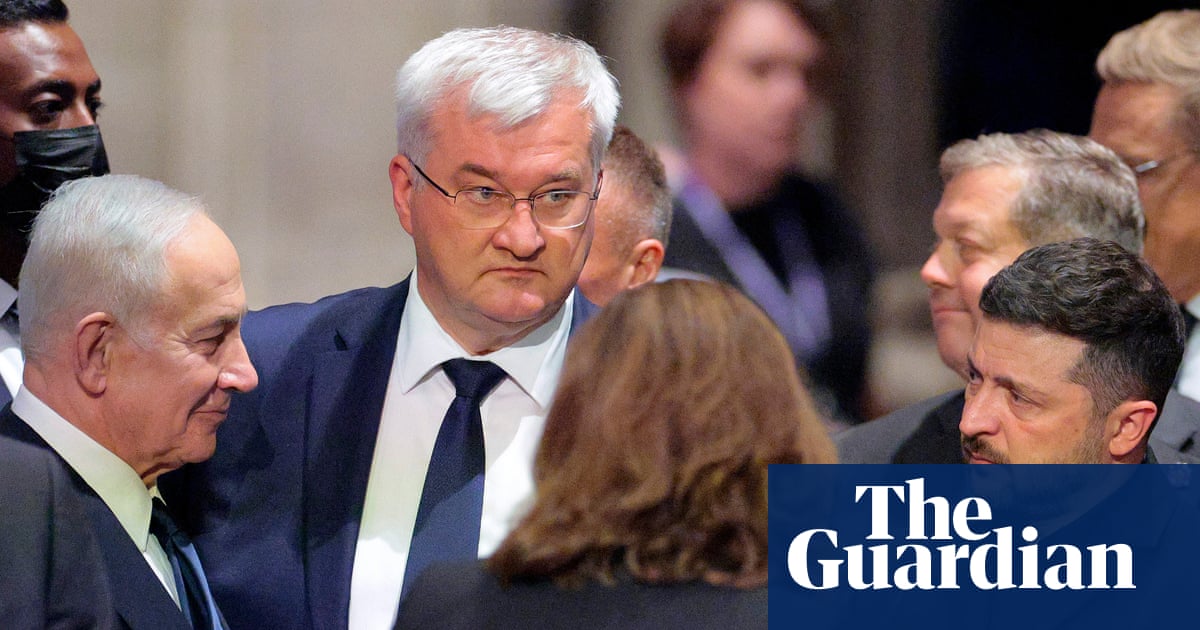
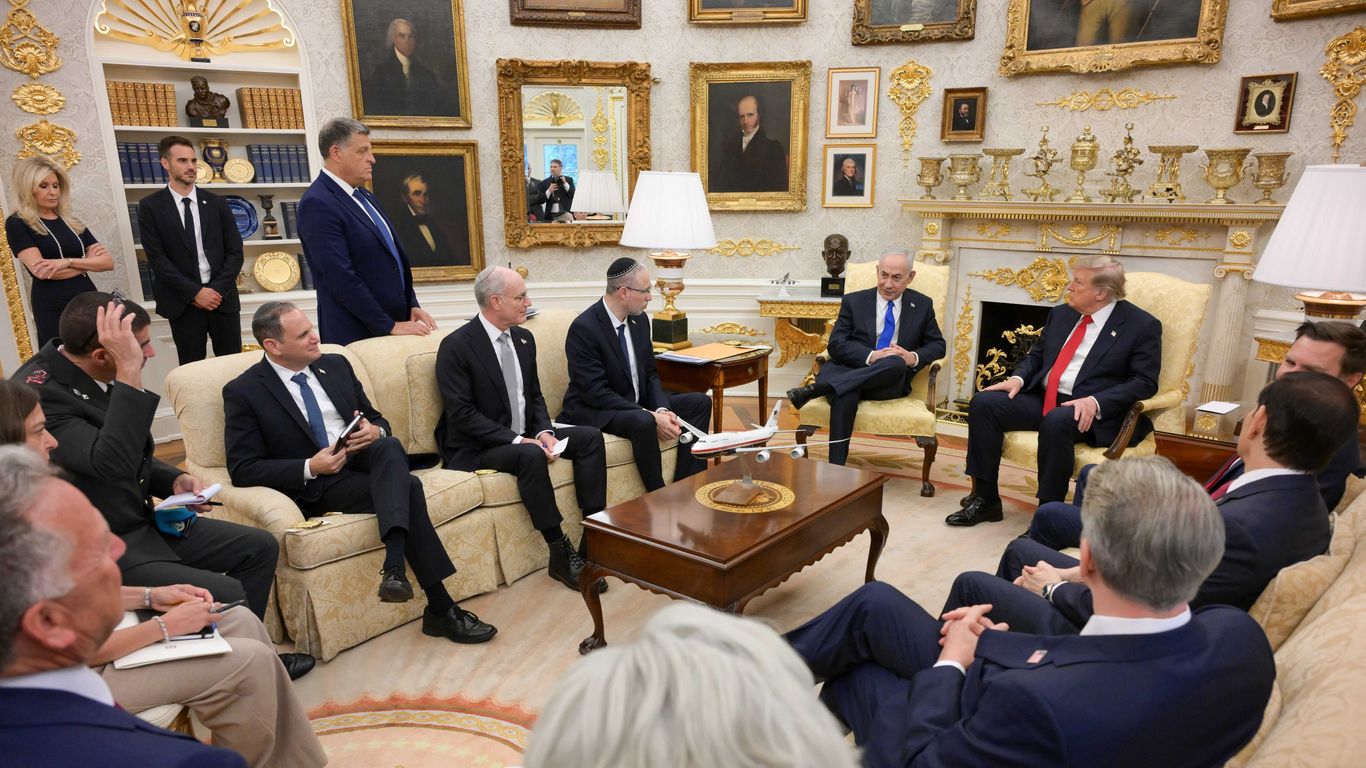

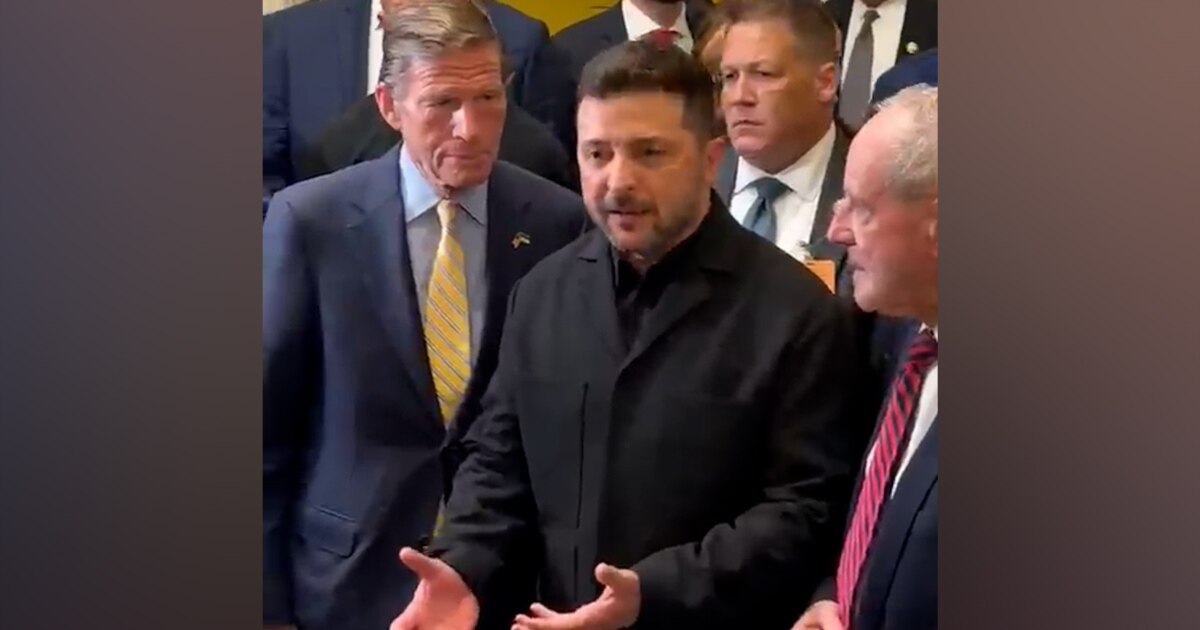
President Donald Trump held separate, back-to-back meetings at the White House on Tuesday with Ukrainian President Volodymyr Zelenskyy and Israeli Prime Minister Benjamin Netanyahu, before both leaders later attended the funeral of Senator Lindsey Graham at the Washington National Cathedral. The sequence turned a day of mourning into a major diplomatic moment, with the White House talks unfolding just hours before the memorial service.
The unusual overlap highlighted Graham’s standing as a longtime foreign-policy hawk and Trump ally whose funeral brought together leaders tied to two of the world’s most consequential conflicts.
The day also showed Trump using a ceremonial occasion to press ahead with high-level diplomacy on Ukraine, Israel, and Iran.
Trump, Zelenskyy discuss Patriot deal
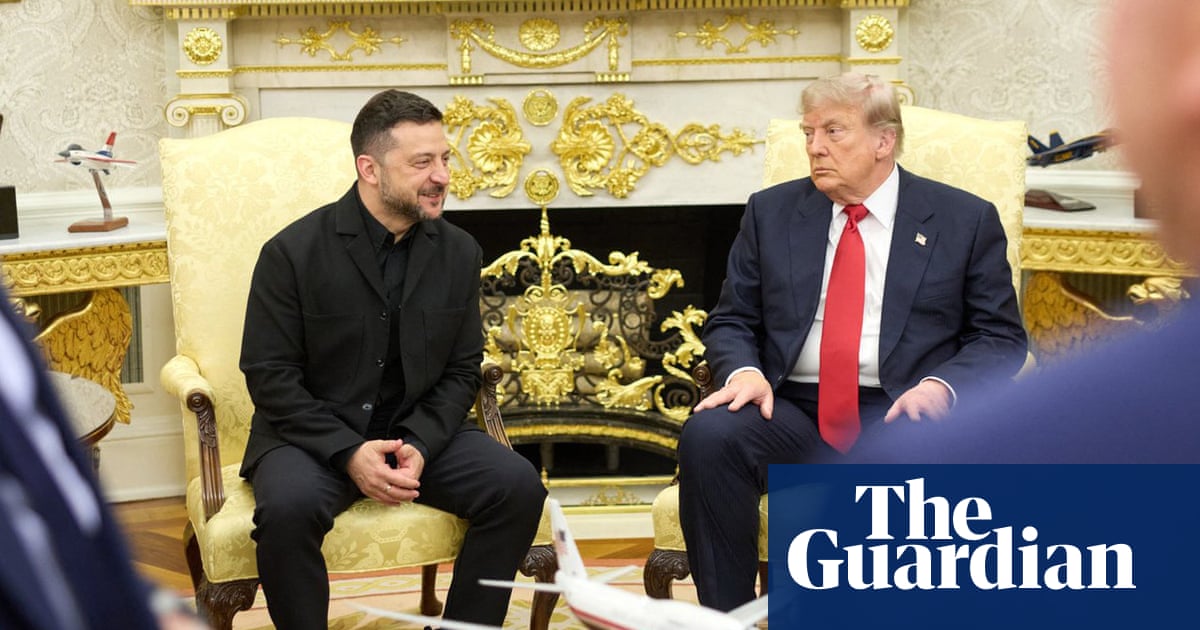
Trump’s meeting with Zelenskyy centered on efforts to revive peace talks aimed at ending Russia’s war against Ukraine. A key reported topic was expanded cooperation on Patriot interceptor missiles, including a framework that would allow Ukraine to produce them under license.
That development matters because Ukraine has been under heavy pressure from Russian missile strikes and has been looking for ways to strengthen its air defenses more quickly. The reported plan, along with the expected visit of Trump envoys Jared Kushner and Steve Witkoff to Kyiv, suggests the administration is trying to mix military support with renewed diplomacy.
Zelenskyy described his White House meeting with Trump as a “good meeting” and said the two men discussed Patriot interceptor production licenses, diplomatic efforts to restart peace talks, and other ideas that could help Ukraine’s war effort. In a post on X, he thanked Trump for the meeting and said the teams would work out the details of further communication.
A good meeting with President Trump @POTUS at the Oval Office. Thank you for everything we do together to protect the lives of Ukrainians and advance peace. First and foremost, I offered President Trump our condolences on the passing of Lindsey Graham. He was a true friend of… pic.twitter.com/56yoaeqb2B
— Volodymyr Zelenskyy / Володимир Зеленський (@ZelenskyyUa) July 28, 2026
Trump, for his part, said the meetings with both Zelenskyy and Netanyahu were “positive” and later emphasized that he wanted a negotiated end to the wars rather than open-ended conflict. Reuters reported that Trump framed the talks as productive even as he moved quickly from diplomacy into the Graham funeral service.
Zelenskyy on Capitol Hill
After his White House meeting, Zelenskyy also met with a bipartisan group of senators in the Capitol, where lawmakers were advancing sanctions legislation targeting Russia and Iran. Senate aides said the meeting was held in the Mansfield Room and included leading sponsors of the bill, among them Sens. Jim Risch, Richard Blumenthal, Katie Britt, Jeanne Shaheen and Roger Wicker.
Zelenskyy later went to the Senate gallery to watch the vote and waved to senators from above as the chamber moved forward on the measure. According to reporting, he told senators that Ukraine was making gains on the battlefield but still needed additional U.S. help, especially on air defense.
Today in Washington, we had a major meeting with representatives of both parties in the Senate – more than 60 senators were present. Thank you for this support and for your high assessment of the results of our warriors on the front lines and Ukraine’s ability to respond justly… pic.twitter.com/RjyDVBscju
— Volodymyr Zelenskyy / Володимир Зеленський (@ZelenskyyUa) July 29, 2026
Ex-Israel officials press Trump ahead of Netanyahu meeting
Hundreds of former Israeli military, intelligence, police and diplomatic officials urged President Donald Trump to press Prime Minister Benjamin Netanyahu to crack down on settler violence in the occupied West Bank. The appeal came in a letter from Commanders for Israel’s Security, which warned that unchecked violence by Jewish settlers could inflame the region and threaten both Israeli and US interests.
The group said Trump was uniquely positioned to intervene, arguing that escalating attacks risked undermining regional stability and jeopardizing broader diplomatic goals. In the letter, the former officials said the violence could have consequences even more severe than the fallout from the October 7, 2023, Hamas attack.
Trump-Netanyahu friction
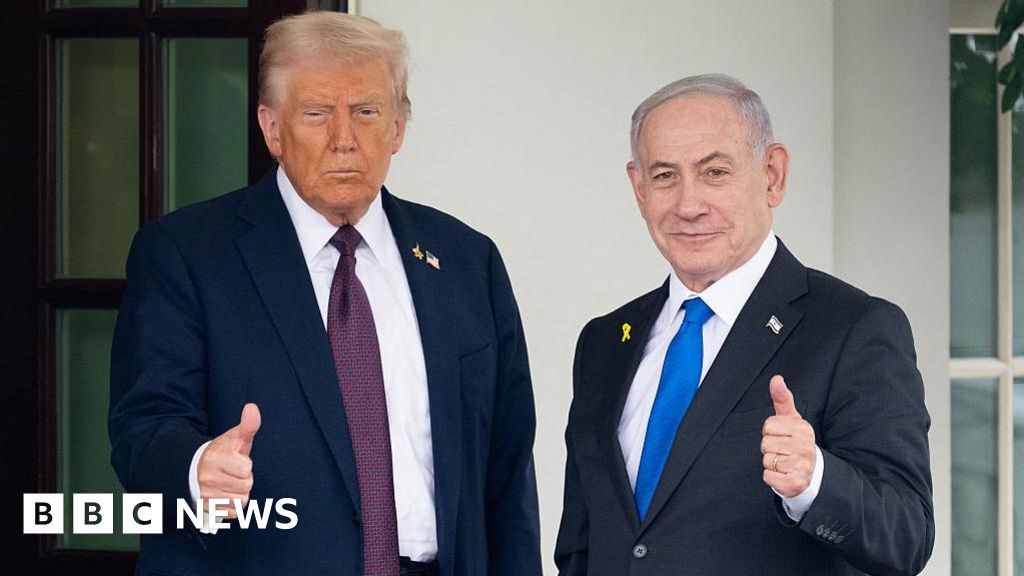
Trump’s meeting with Netanyahu focused on regional security, Iran, and the US-Israel framework around Lebanon. The talks came at a sensitive moment, with Washington trying to balance support for Israel while also managing broader regional instability.
Prior to the meeting, Trump gave a Fox News interview in which he voiced irritation with Netanyahu after reports surfaced about the Israeli leader’s intended talking points on Iran. He quipped that he did not need Netanyahu to “announce it to the world,” a comment that added to signs of strain in the relationship.
.@POTUS on Iran's Pickaxe Mountain: "We have the greatest cameras in the world focused on [it]… I know exactly what's going on at Pickaxe, it's not a big problem. We took out their nuclear sites, and we'll have to take out Pickaxe if we don't make a deal. If we don't make a… pic.twitter.com/PMdXaBkDvu
— Rapid Response 47 (@RapidResponse47) July 28, 2026
Netanyahu reportedly described the conversation as one of his best with Trump, but the tone was not uniformly smooth. The meeting was still framed around core strategic priorities: preventing Iran from obtaining nuclear weapons, preserving deterrence, and keeping the US-Israel relationship tightly aligned.
אני יוצא עכשיו לפגישה עם ידידנו הנשיא דונלד טראמפ – הפגישה השמינית שלנו מאז שנבחר לכהונתו השנייה, יותר מכל מנהיג בינלאומי אחר. זו זכות גדולה, וזו גם אחריות גדולה.
— Benjamin Netanyahu – בנימין נתניהו (@netanyahu) July 27, 2026
בפגישתנו נדון בכל הנושאים שעל הפרק, ובראשם איראן. המטרה שלנו ברורה: לשמור על ביטחונה של ישראל, לחזק את עוצמתה…
That tension matters because it suggests the relationship is not simply one of automatic alignment, even if both leaders are presenting a united front in public. The friction also reflects a broader pattern in Trump’s foreign-policy style: he prefers direct control, visible loyalty, and tightly managed messaging from foreign counterparts.
Graham’s funeral
Graham’s funeral gave the White House an unusually symbolic stage, but the real story was the convergence of diplomacy, grief, and strategic signaling. Trump’s separate meetings with Zelenskyy and Netanyahu allowed him to show engagement on two major wars while also anchoring the day in a tribute to a senator known for hawkish foreign policy.
The event also underlined how much these conflicts are linked in Washington’s political imagination. Ukraine, Israel, and Iran were all part of the same day’s choreography, which made the funeral feel less like a purely ceremonial occasion and more like a snapshot of Trump-era geopolitics.
At the cathedral, Trump delivered the main tribute to Graham, calling him an “American original” and praising him as a friend. The service brought together a wide circle of political leaders, senior US officials, and foreign dignitaries.
Graham, who died on July 11 at age 71, was remembered as one of Washington’s most forceful defenders of US power abroad. His funeral itinerary also included later memorial events in South Carolina, where his remains were scheduled to be taken after the Washington service.