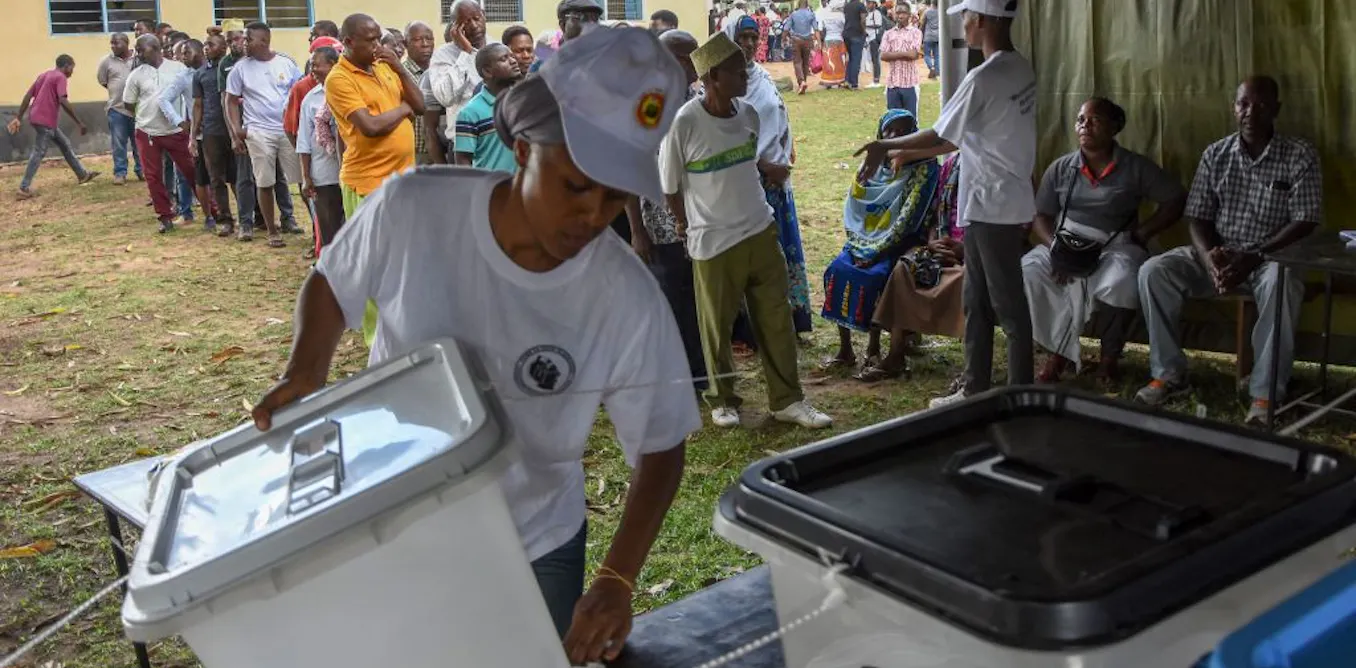
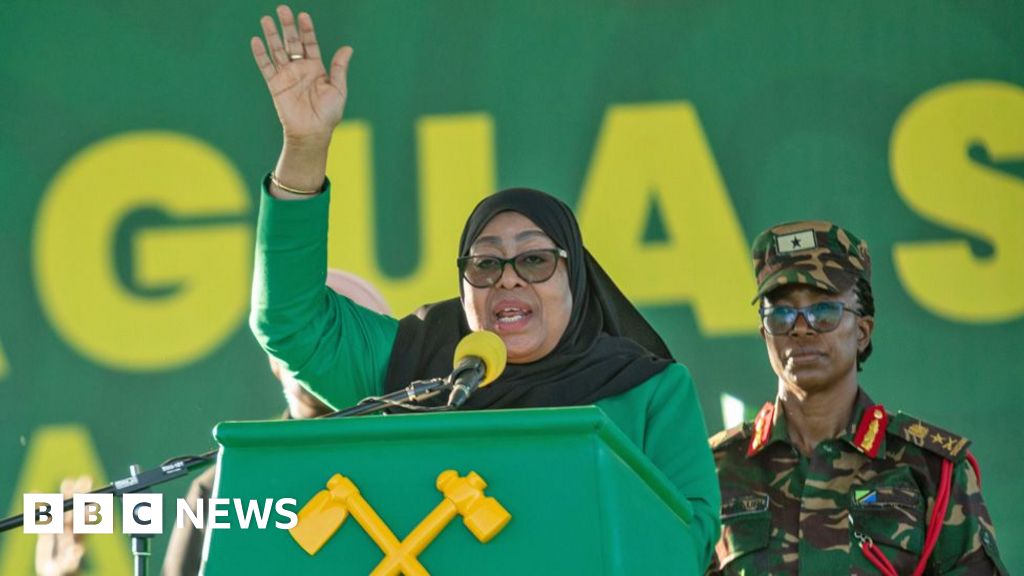
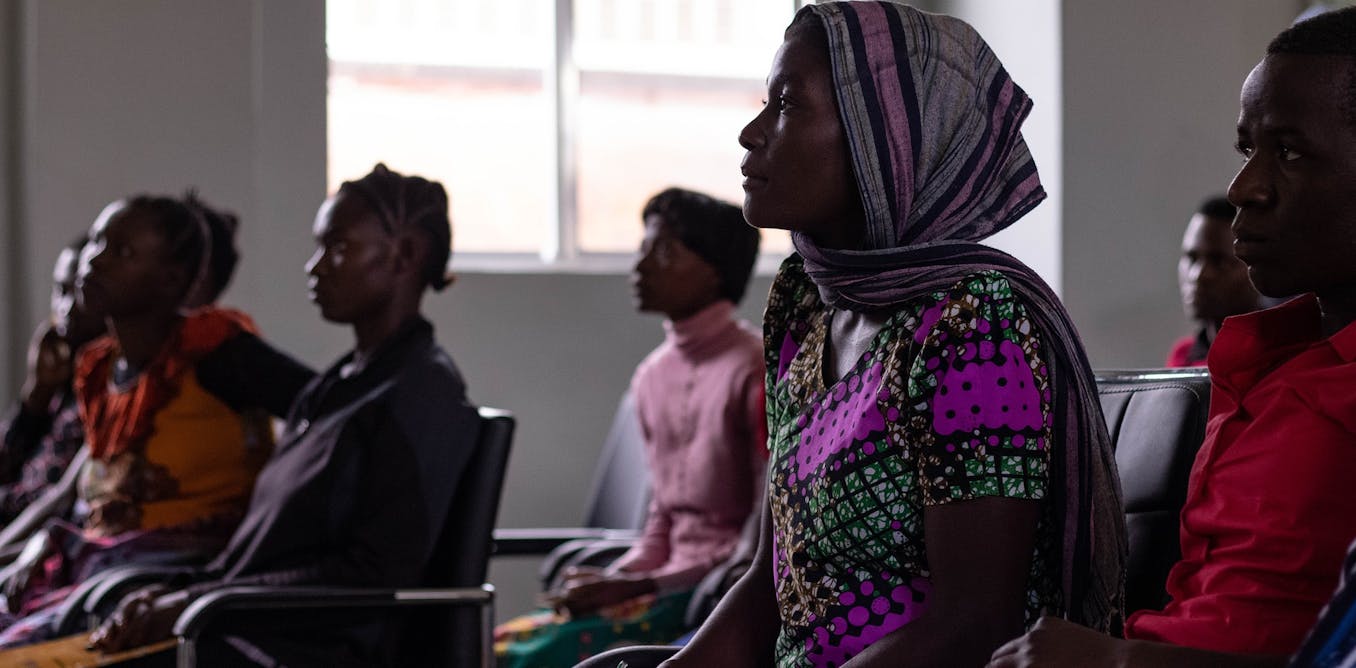
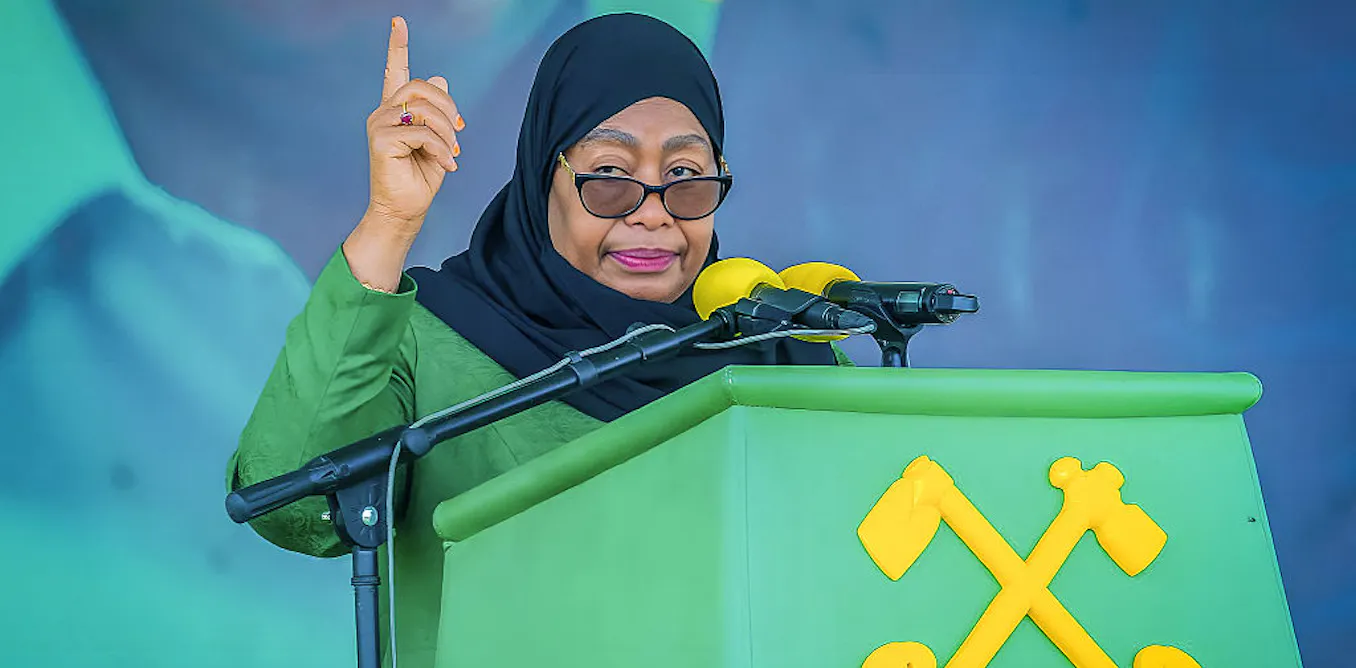
On October 29, 2025, Tanzania held general elections for its president, members of the National Assembly, and ward councillors. Incumbent President Samia Suluhu Hassan, leader of the Chama Cha Mapinduzi party, was declared the winner with 97.66% of the vote in a landslide victory.
The National Electoral Commission reported a turnout of approximately 82% to 87%, despite observer reports of empty polling stations. In the semi-autonomous region of Zanzibar, incumbent President Hussein Mwinyi was also declared the winner with nearly 80% of the vote.
The two primary opposition contenders were prevented from running. Tundu Lissu was imprisoned on treason charges in April 2025, and Luhaga Mpina was disqualified on legal technicalities. In recent Tanzanian history, major opposition parties have participated in every national election since the shift to multiparty elections in 1995.
Controversially, the government imposed a near-total internet shutdown on election day, which lasted several days, and restricted access to platforms like X, formerly Twitter.
Violent Post-Election Protests
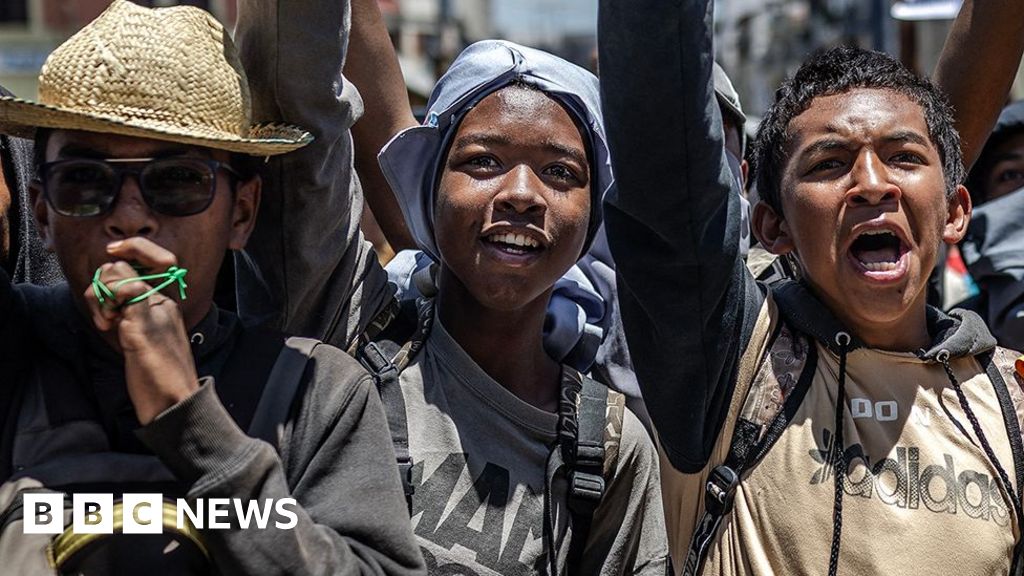
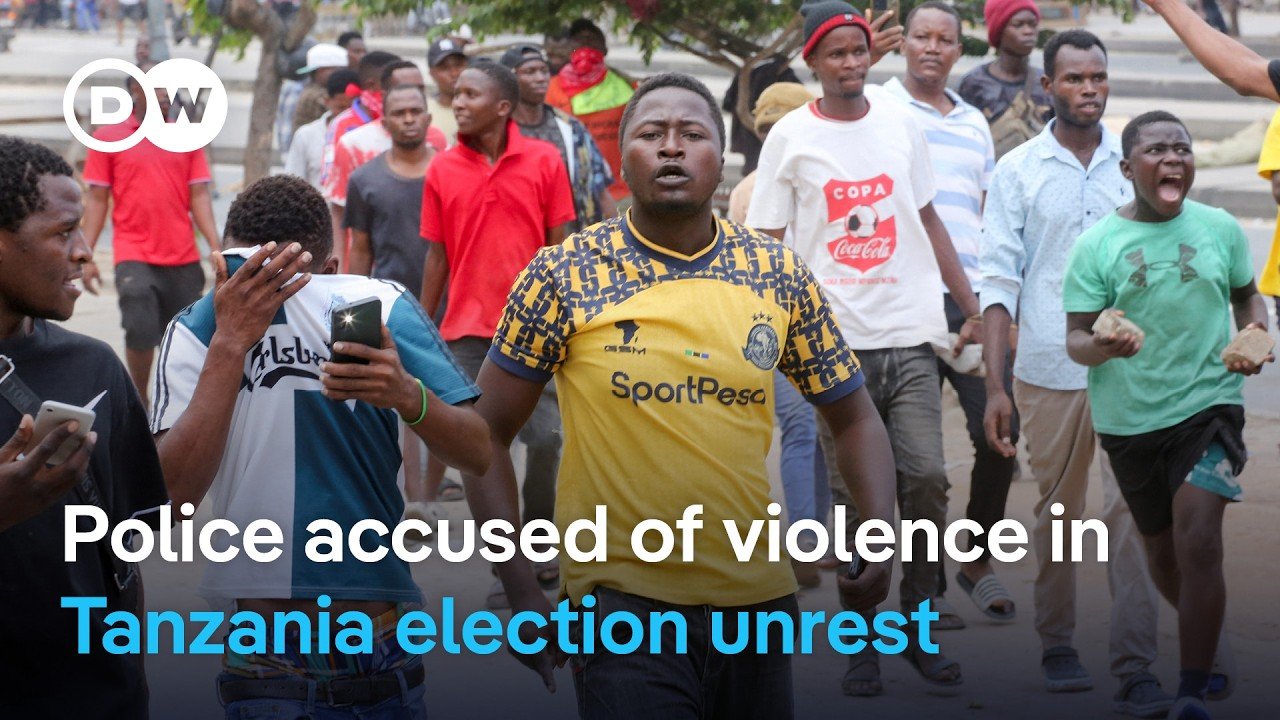
Following the October 2025 elections, Tanzania experienced its most severe period of political unrest in decades. The demonstrations, which initially targeted the exclusion of opposition candidates, evolved into a nationwide youth-led uprising met with an intense military and police response.
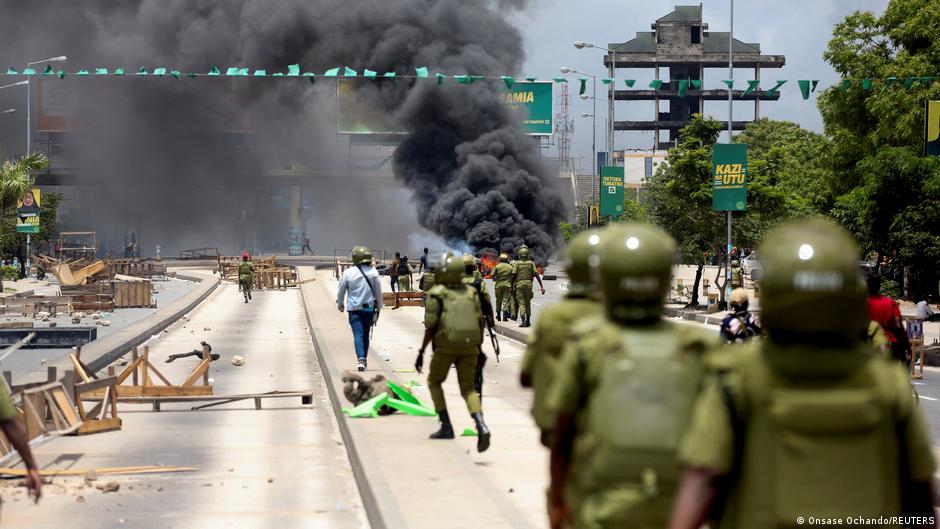
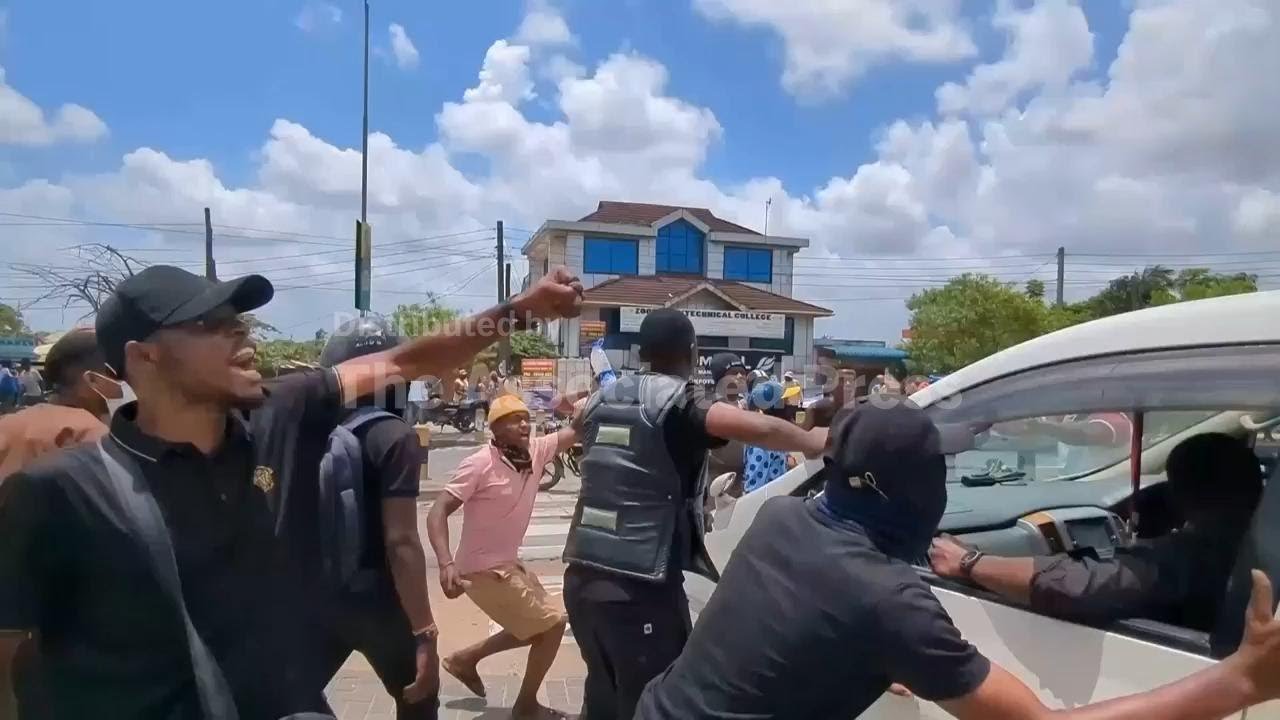
Protests erupted on election day in Dar es Salaam, Mwanza, and other cities as citizens denounced the sham election. Demonstrators burned a police station in the capital and tore down presidential posters. The military was deployed alongside riot police to quell the unrest.
Security forces reportedly used live ammunition and tear gas against unarmed protesters. Witnesses reported point-blank shootings and security forces storming homes to forcibly remove and shoot citizens. More than 240 people were charged with treason for their alleged roles in the protests.
President Samia Suluhu Hassan defended the security forces, claiming the crackdown was necessary to prevent a coup attempt and that protesters were paid foreign actors. Police spokespeople have urged the public to ignore old photos and videos on social media, claiming the situation has remained calm.
Allegations of hidden bodies
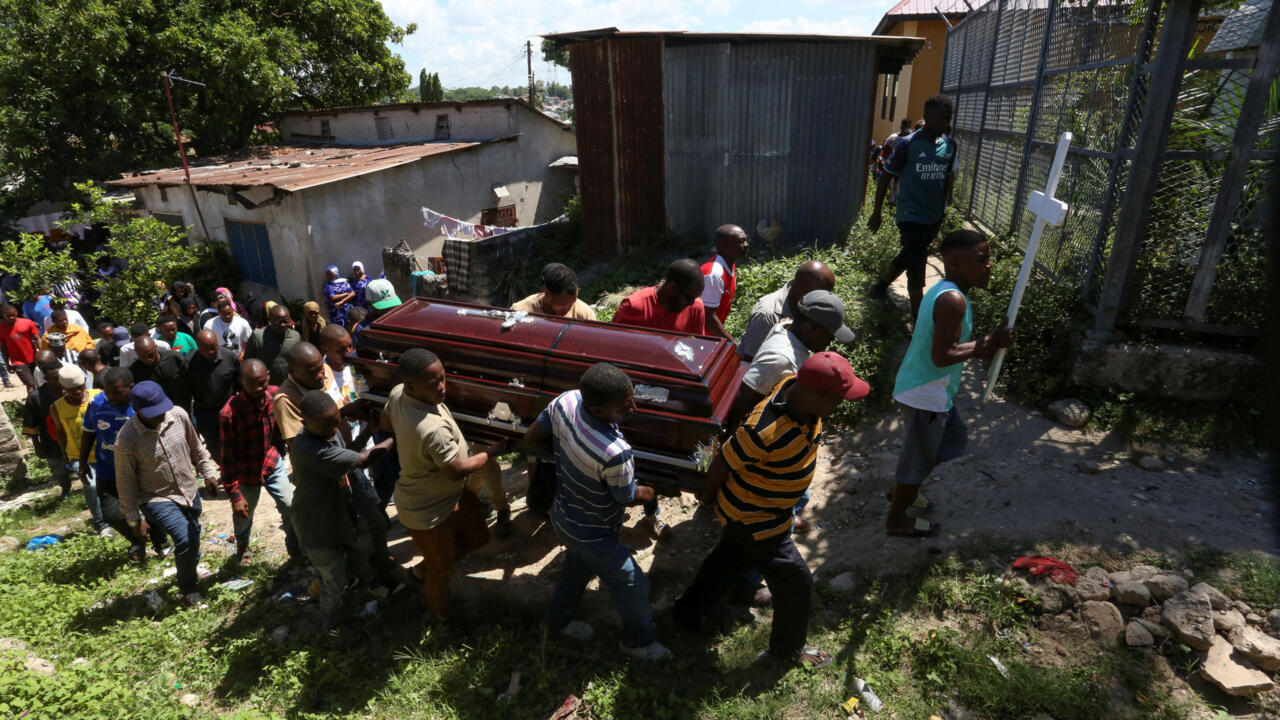
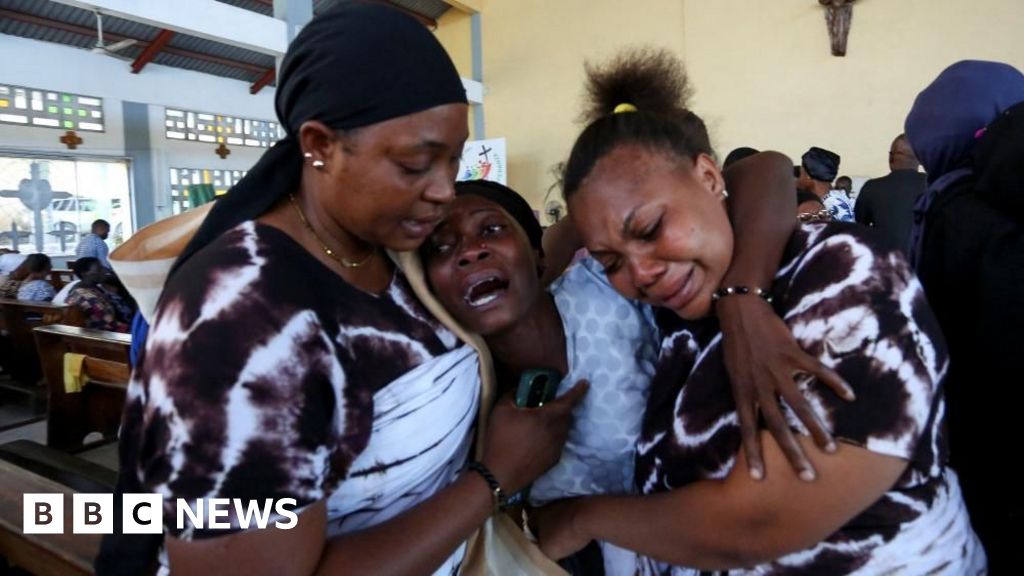
The most controversial aspect of the crackdown involves claims of a systematic cover-up of the death toll. While the government disputed the numbers, the opposition claimed between 800 and 3,000 deaths. Diplomatic sources cited by Chatham House and the BBC estimated at least 500 to 1,000 fatalities.
The opposition party CHADEMA alleged that security forces were secretly dumping hundreds of bodies to hide the scale of the violence. Unverified reports surfaced of bodies being buried in mass graves across various towns or being thrown into the Indian Ocean and the Rufiji River.
Healthcare workers reported that security officers collected dead bodies from hospitals and morgues to conceal evidence. In some cases, officers allegedly instructed staff not to treat injured protesters, who then disappeared from wards.
Inauguration and cancellations
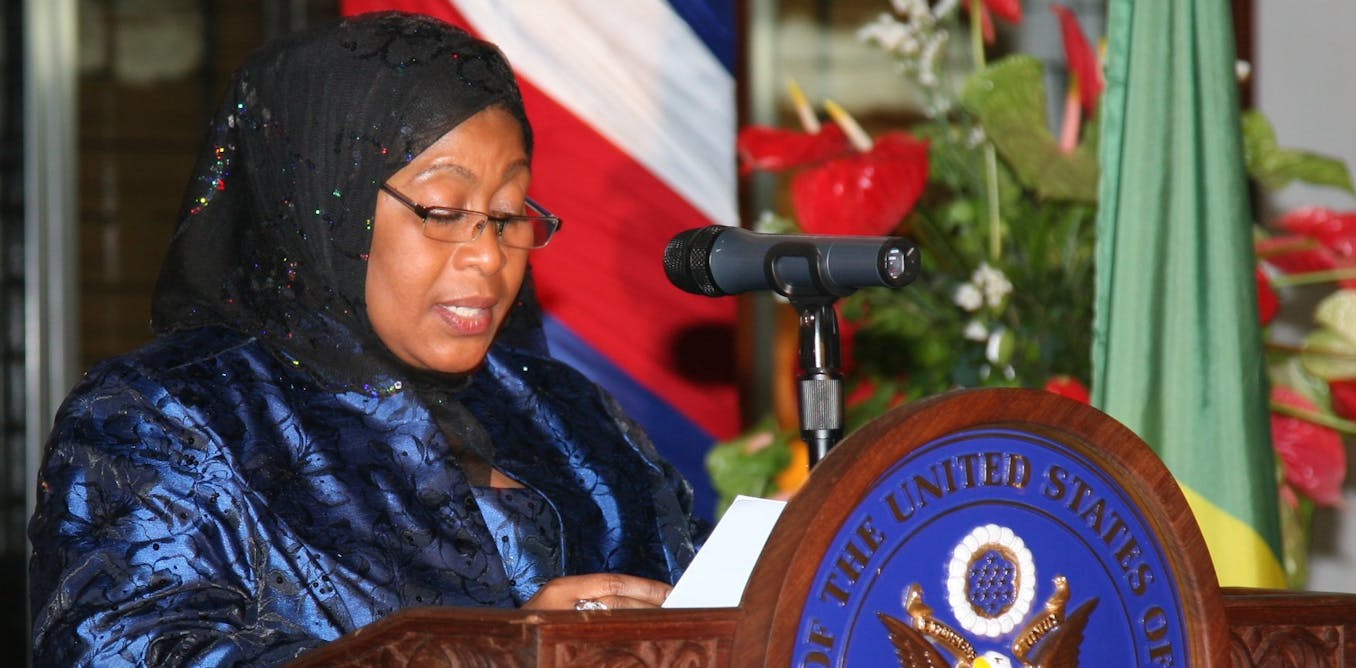
President Samia Suluhu Hassan was sworn in on November 3, 2025, during a private ceremony that was not open to the public, reportedly due to security concerns amid the ongoing curfew.
The government cancelled the December 9 Independence Day celebrations. Officials stated the funds would be redirected to repair infrastructure damaged during the election unrest. The reopening of universities, originally set for early November, was postponed indefinitely to prevent further student-led mobilization.
International Reactions
The reactions to the 2025 Tanzanian election and the subsequent crackdown have been characterized by sharp international condemnation, significant financial repercussions from Western allies, and a defiant stance from the Tanzanian government.
UN experts issued a scathing report in December 2025, condemning the lethal crackdown and estimating at least 700 extrajudicial killings. They cited chilling reports of bodies being removed from morgues and remains being incinerated or buried in mass graves to hide evidence.
In a rare move against a member state, both the African Union and the SADC Observer Mission declared the election failed to meet international democratic standards. They reported witnessing ballot stuffing, voter intimidation, and the harassment of their own observers by security forces.
The US State Department issued a Level 3 Travel Advisory citing deadly protests and unpredictable security. Influential US Senators have called for a complete review of bilateral relations, labeling the election less than credible.
The European Parliament voted in late November 2025 to block approximately €156 million in development aid intended for 2026. MEPPs stated the EU should not use its funds to subsidize oppression and called for targeted sanctions against officials responsible for human rights violations.
Major carriers, including Emirates, temporarily suspended flights to Dar es Salaam during the peak of the unrest due to security risks and the nationwide curfew.
Domestic reactions
CHADEMA and ACT-Wazalendo formally rejected the results as completely fabricated. They continue to call for an independent international investigation and the resignation of President Samia Suluhu Hassan.
Analysts describe the protests as a breaking point for a generation of young Tanzanians frustrated by economic exclusion and blocked transitions to adulthood. Despite the internet shutdown, hashtags like #TanzaniaMassacre and #SamiaMustGo trended globally as citizens used VPNs to share footage of violence once connectivity was partially restored.
The Tanzanian government has dismissed international criticism as an affront to sovereignty and a one-sided narrative.
Why it matters
The 2025 election marks a dark turning point in Tanzania’s democratic trajectory, reversing years of gradual openness under President Hassan. The combination of opposition exclusion, internet shutdown, and a deadly crackdown with alleged body disposal has drawn unprecedented international condemnation and raised questions about the true death toll and the government’s willingness to conceal evidence of state violence.
Read also:
11 pivotal elections that altered the global outlook in 2025
2026 Uganda General Elections
2026 Benin Parliamentary Elections
Ivory Coast Presidential Elections: Ouattara secures fourth term