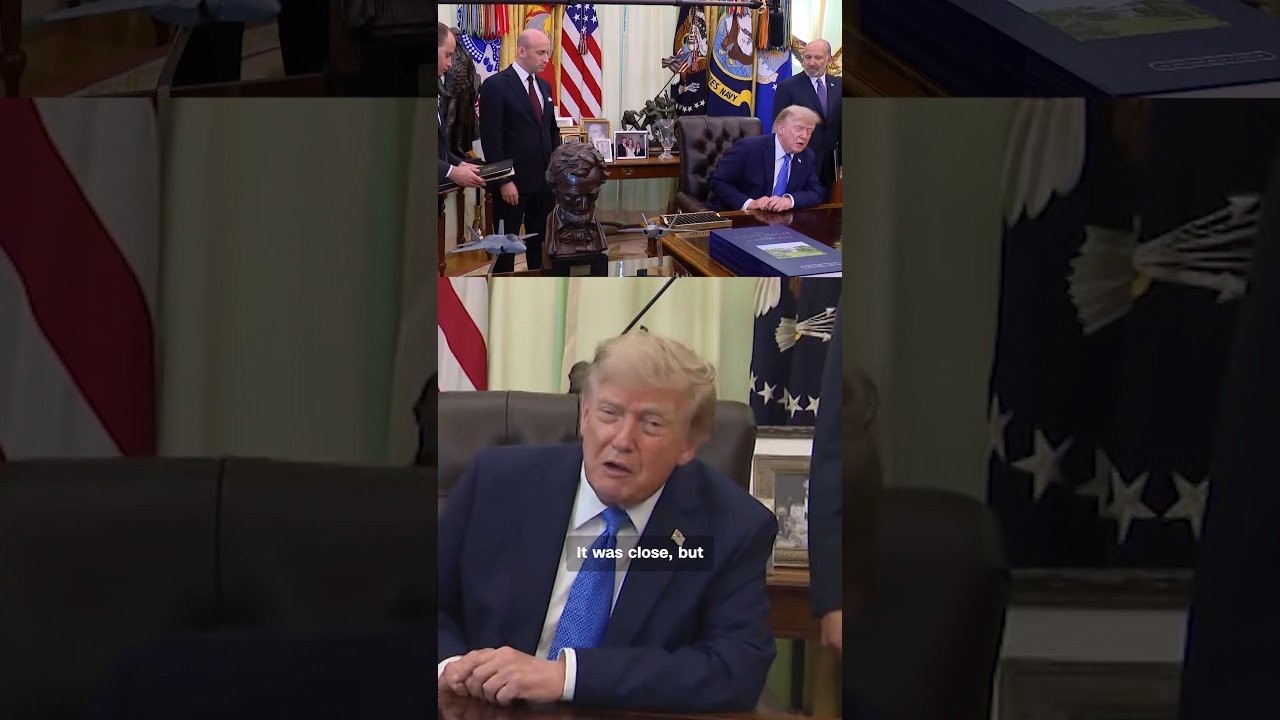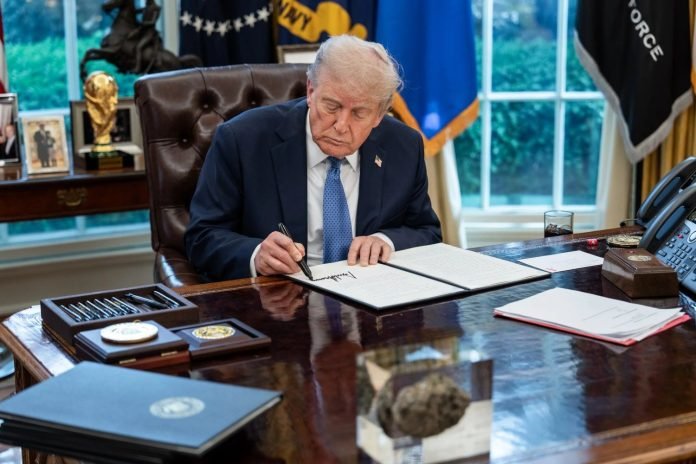


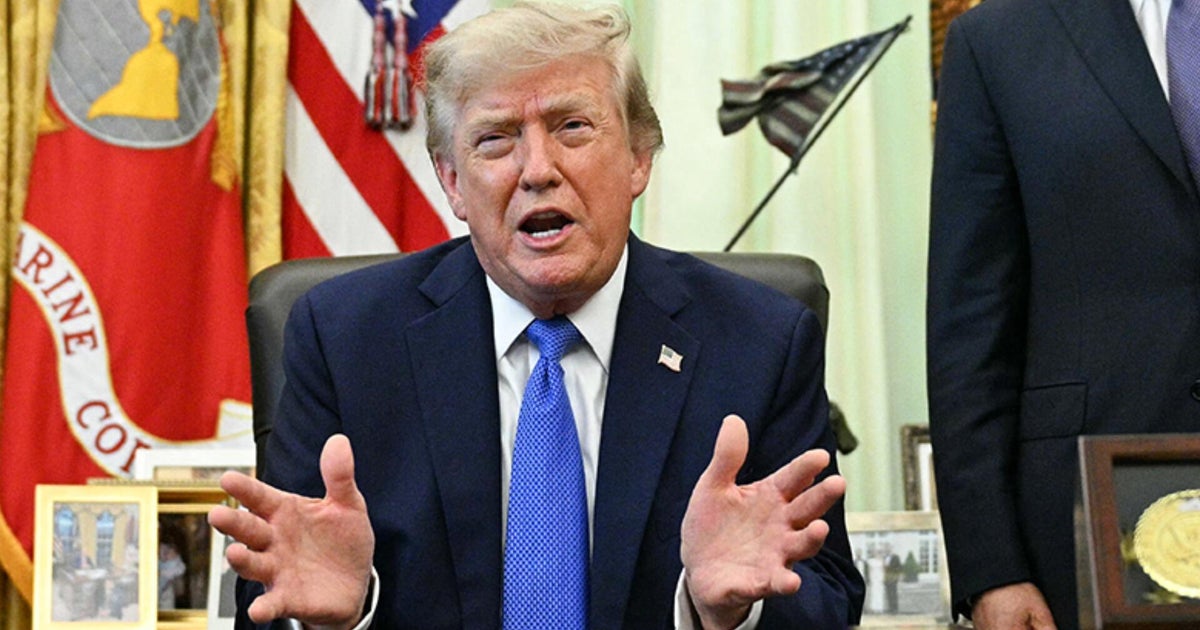
President Donald Trump signed two executive orders on August 6, 2026 aimed at restricting birthright citizenship and formally banning “birth tourism,” marking his administration’s second attempt to limit automatic citizenship for children born on US soil to non-citizen parents.
The orders come just over one month after the Supreme Court’s June 30 ruling in Trump v. Barbara struck down his broader initial directive, with the administration now framing these measures as narrower actions that leverage historical exceptions acknowledged by the high court.
The Two Executive Orders
Order 1: Ending Birth Tourism
The first order, titled “Ending Birth Tourism,” formally defines birth tourism as the entry of any foreign national into the United States via a non-immigrant visa for the purpose of giving birth on American soil, or any effort to facilitate such entry. The order delegates authority to the Secretary of State and the Secretary of Homeland Security to take actions including:
- Denying or revoking visas for individuals suspected of engaging in birth tourism
- Permanently barring entry to those who enter or attempt to enter for birth tourism purposes
- Denying entry to or removing individuals who previously engaged in birth tourism
- Taking action against entities, organizations, or individuals responsible for facilitating birth tourism schemes
The order includes humanitarian and national interest exemptions, allowing the Secretaries of State or Homeland Security to exempt foreign nationals from these restrictions on a case-by-case basis.
Order 2: Narrowing birthright citizenship eligibility
The second order, “Continuing to Protect the Meaning and Value of American Citizenship,” directs federal agencies not to recognize US citizenship for specific categories of children born on US soil when neither parent is a US citizen. The order expands ineligibility to include:
- Children of foreign government employees working in the US, including embassy and consulate staff
- Children of members of designated Foreign Terrorist Organizations or individuals classified as “alien enemies”
- Children of parents who engaged in fraudulent activity to obtain citizenship
- Children born through commercial transactions specifically organized to purchase or access birthright citizenship, including certain commercial surrogacy arrangements
The order also addresses children born in US territories where citizenship is not conferred by federal statute, such as American Samoa, though this provision would require congressional action to take full effect.
Legal context and administration position
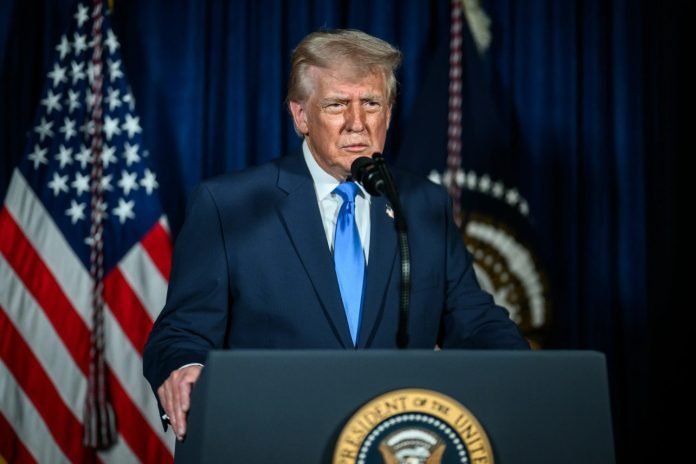
White House Deputy Chief of Staff Stephen Miller, who has guided the administration’s immigration policy, stated during the signing ceremony that these orders utilize historical exceptions to birthright citizenship that the Supreme Court recognized in its Trump v. Barbara decision.
The administration argues that the June 30 ruling affirmed that children born to undocumented immigrants or temporary visa holders are automatically US citizens under the 14th Amendment, but left open certain narrow categories where citizenship has historically not been conferred.
Miller described the birth tourism ban as the first time in US history that the practice has been formally prohibited, stating:
That practice of birth tourism is, as of the signing of this order, hereby banned. And what that means is that no one in the world is any more allowed to obtain a visa for this fraudulent purpose.
Implementation timeline
Federal agencies have 30 days from the signing date to publish specific implementation guidance and update rules, policies, and operational guidance necessary to effectuate the orders. The State Department and Department of Homeland Security will lead implementation efforts, with costs for publication borne by DHS.
Legal challenges expected
Civil rights organizations have already announced plans to challenge the new orders in court. The ACLU and other groups predict the orders will face the same unconstitutional fate as the administration’s first attempt, arguing that they still conflict with the 14th Amendment’s Citizenship Clause. Legal experts note that while the orders are narrower than the initial directive, they still raise significant constitutional questions about executive authority to redefine citizenship eligibility.
Background on birth tourism
No US law has explicitly barred birth tourism, though a federal regulation implemented in 2020 during Trump’s first term prohibits using temporary tourist and business visas for the primary purpose of obtaining US citizenship for a newborn. People who engage in birth tourism schemes can be prosecuted for fraud or related crimes, but the new orders expand enforcement mechanisms and create formal visa and entry restrictions.
The White House fact sheet accompanying the orders states that birth tourism operators use deceptive advertisements and inducements to entice foreign nationals to travel to the United States, often coaching clients to misrepresent the purpose and duration of their travel to consular and border officials.