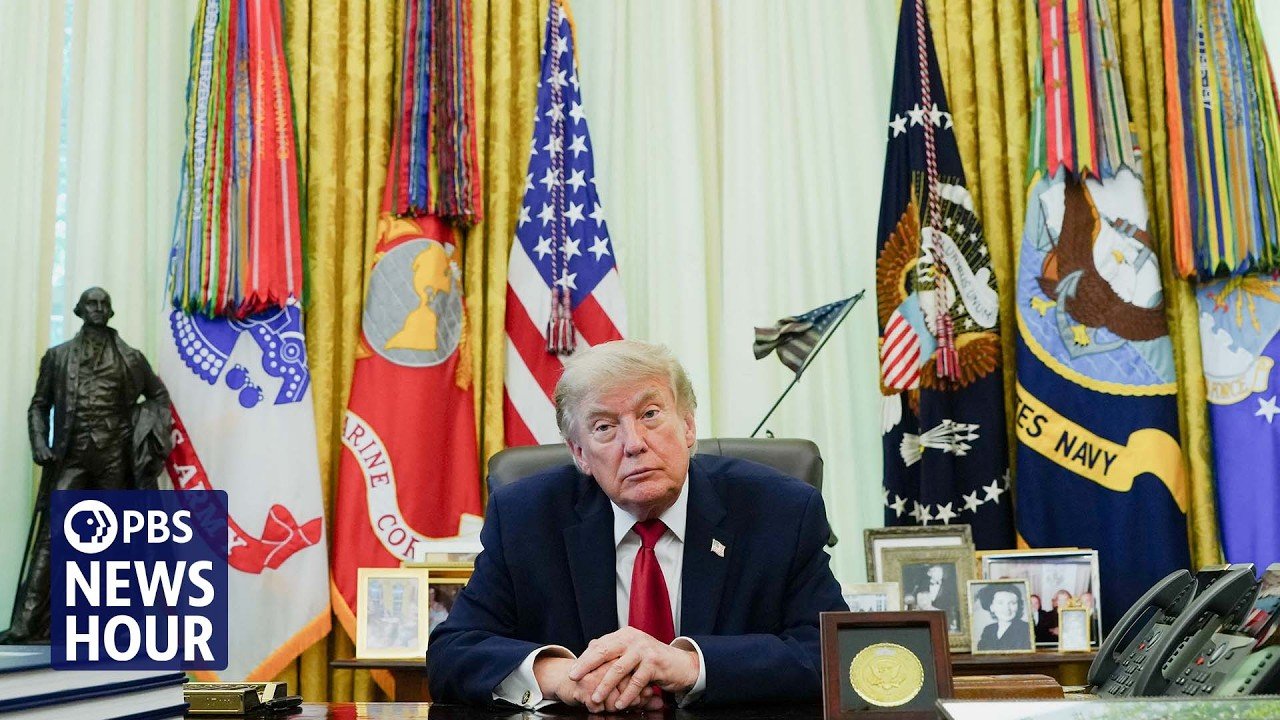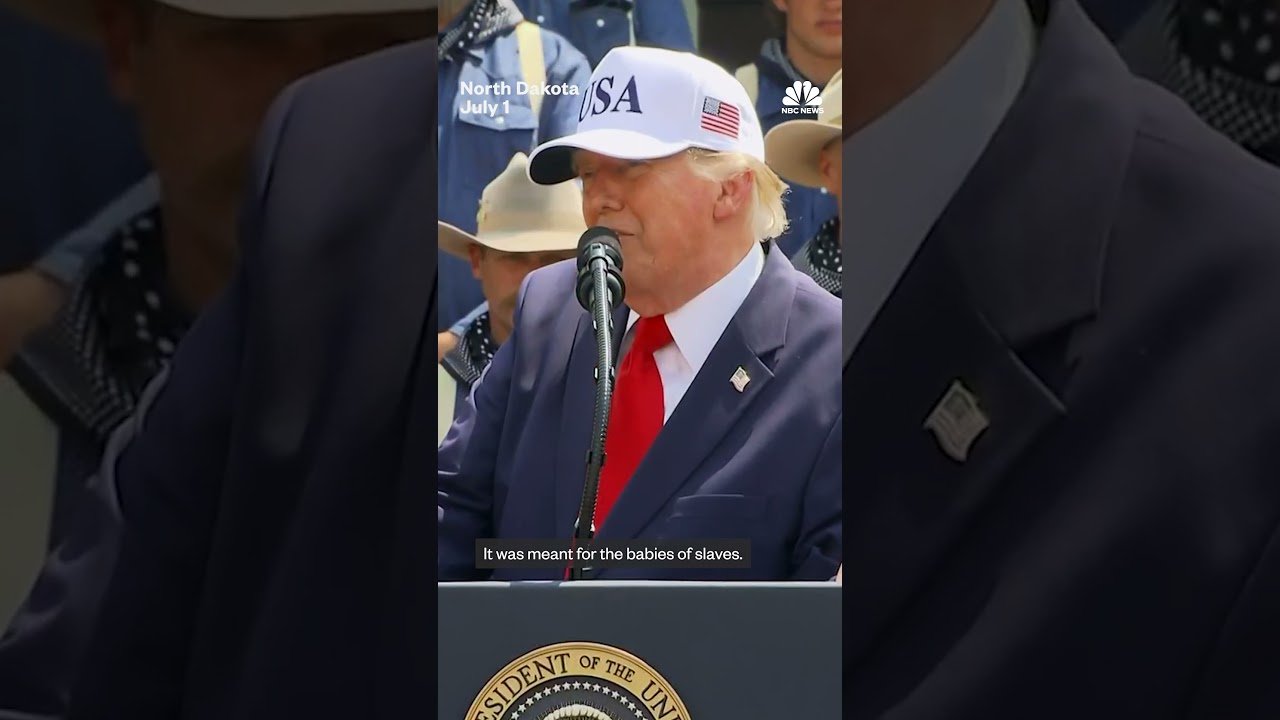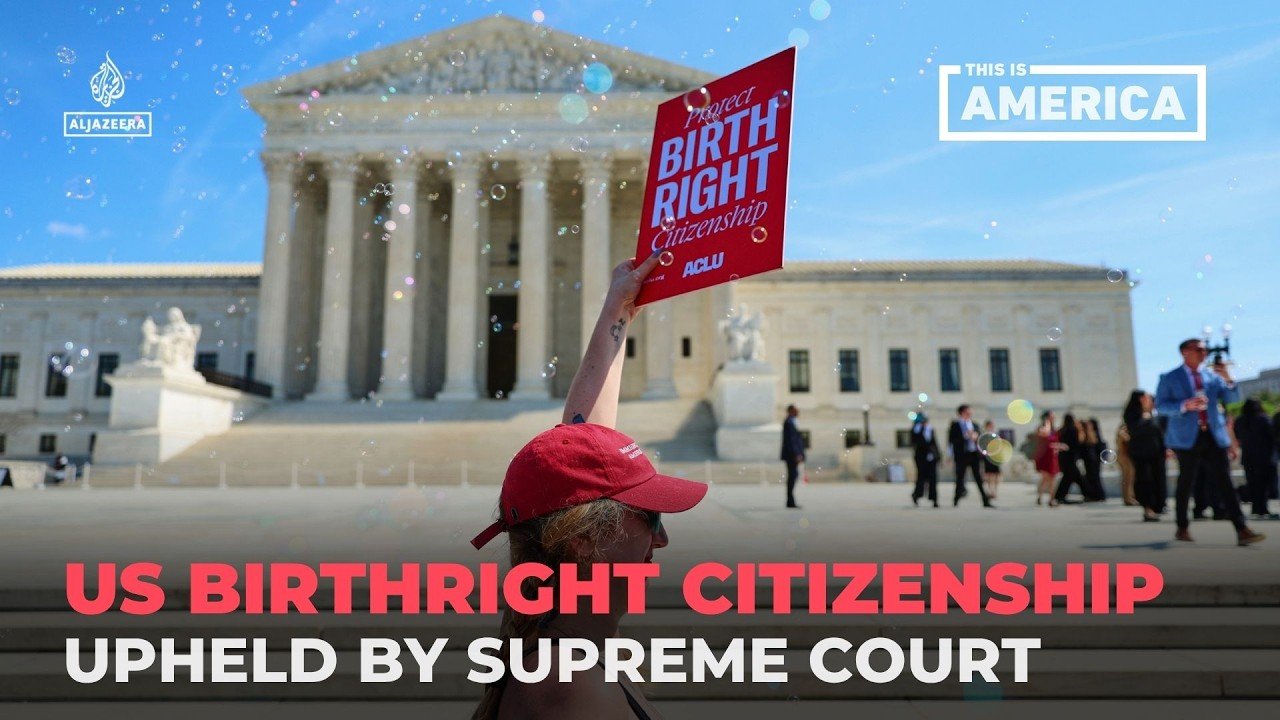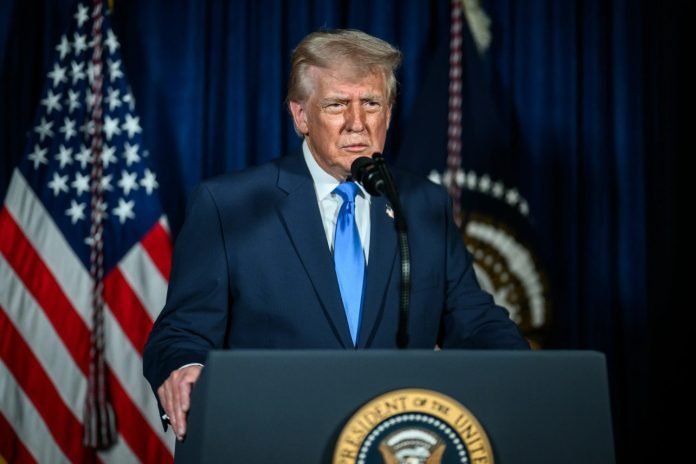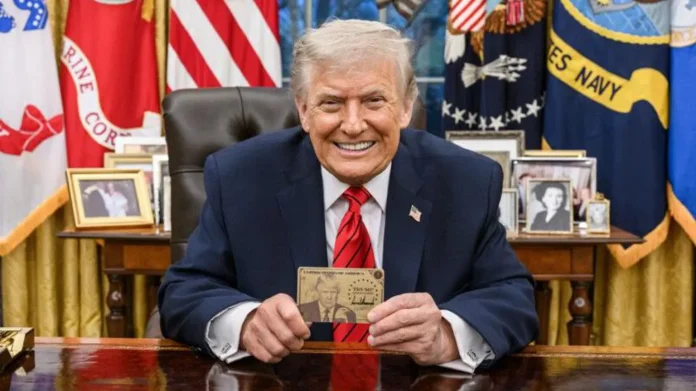
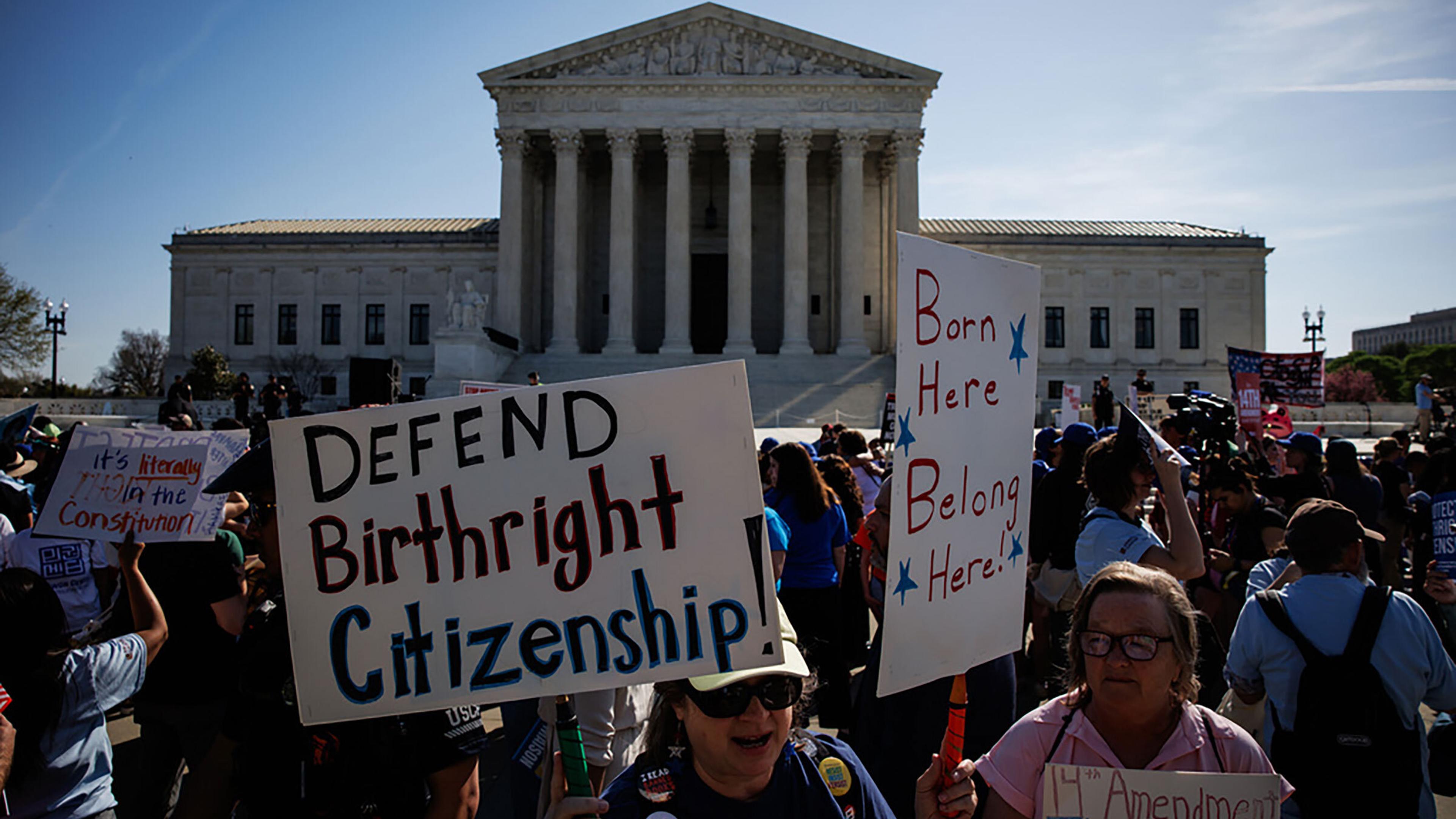




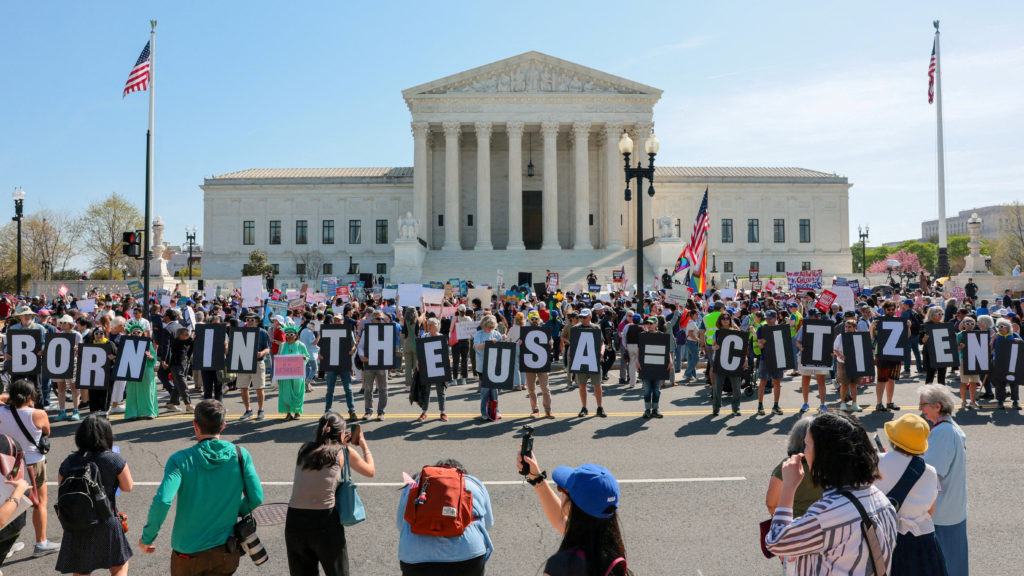
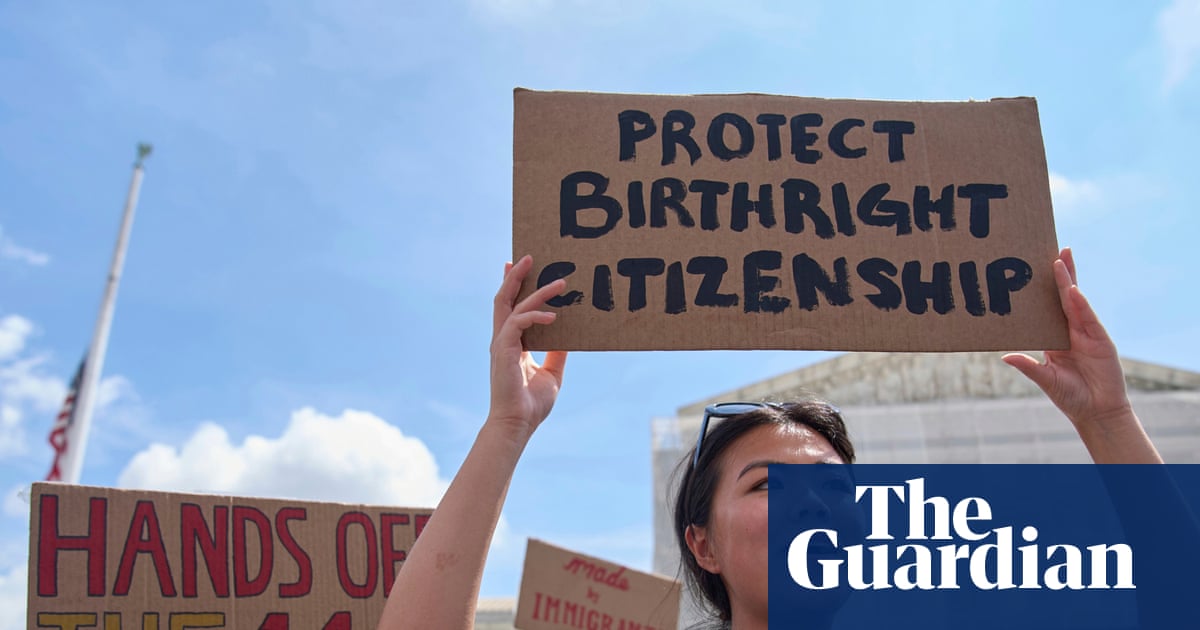

The United States Supreme Court has struck down President Donald Trump’s executive order seeking to end birthright citizenship, ruling 6-3 that the directive violates the 14th Amendment. The decision reaffirms more than a century of constitutional interpretation and keeps intact the rule that nearly anyone born on US soil is automatically a US citizen.
The ruling is a major legal setback for Trump and a significant reaffirmation of the Court’s longstanding reading of the Citizenship Clause. But while the justices closed the door on ending birthright citizenship by executive action, the administration is already signaling that it will keep pressing the issue through enforcement and legislation.
The constitutional wall
At the heart of the case was whether the 14th Amendment allows the federal government to deny citizenship to children born in the United States to non-citizens or non-permanent residents. The Court rejected that argument, holding that the amendment’s protection extends broadly to people born on American soil.
Chief Justice John Roberts authored the majority opinion, joined by Justices Brett Kavanaugh, Amy Coney Barrett, and the Court’s three liberal justices. Justices Clarence Thomas, Samuel Alito, and Neil Gorsuch dissented. The majority reaffirmed the long-established interpretation of the 14th Amendment and made clear that changing birthright citizenship would require far more than an executive order.
Why the order failed
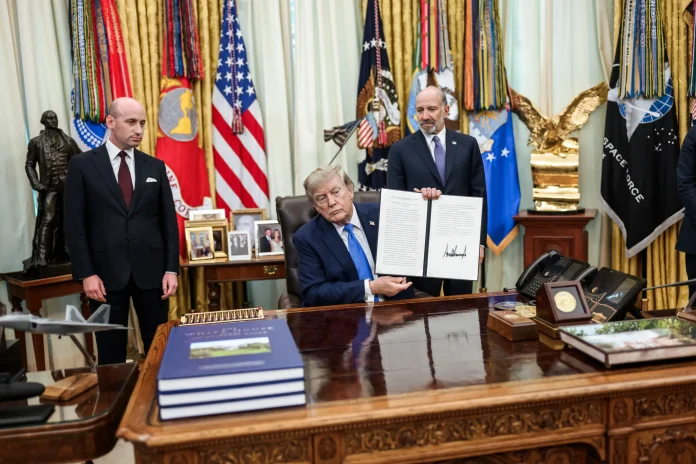
Trump’s executive action aimed to narrow citizenship eligibility by excluding children born in the US to parents without citizenship or lawful permanent resident status. Supporters of the policy argued that birthright citizenship encourages abuse of the immigration system and fuels so-called birth tourism.
The Court was not persuaded. Roberts’ opinion rejected a narrow reading of the phrase “subject to the jurisdiction” and leaned heavily on the precedent set by the 1898 case United States v. Wong Kim Ark, which held that a child born in the US to Chinese immigrant parents was a citizen by birth. That decision has long served as the legal backbone of birthright citizenship.
The new battleground
Although the executive order failed, the administration is not abandoning the issue. Reports indicate that the Justice Department is now focusing on birth tourism schemes, with prosecutors being directed to examine possible fraud-related offenses such as visa fraud, wire fraud, money laundering, and identity theft.
That shift matters. It suggests the White House may be moving from trying to rewrite the Constitution through executive action to trying to narrow abuse through enforcement. In practical terms, that means more scrutiny of visa applications, more interagency coordination, and more efforts to target organized networks that may help pregnant travelers enter the United States for the purpose of securing citizenship for their children.
What birth tourism means
Birth tourism typically refers to foreign nationals traveling to the United States while pregnant in order to give birth and obtain US citizenship for their child. The practice has long been politically controversial, even though birthright citizenship itself remains a constitutional guarantee.
Critics argue that it creates loopholes in the immigration system and can be exploited by people seeking long-term benefits for their families. Supporters of the current legal framework counter that any attempt to punish the act of giving birth in the United States risks sweeping too broadly and undermining a settled constitutional right.
Political fallout
The ruling lands as another defeat for Trump on a high-profile policy issue and adds to a broader pattern of legal resistance to his administration’s agenda this term. It also sharpens the political stakes heading into the next phase of the immigration debate, where the fight is likely to shift from constitutional interpretation to legislative and enforcement strategy.
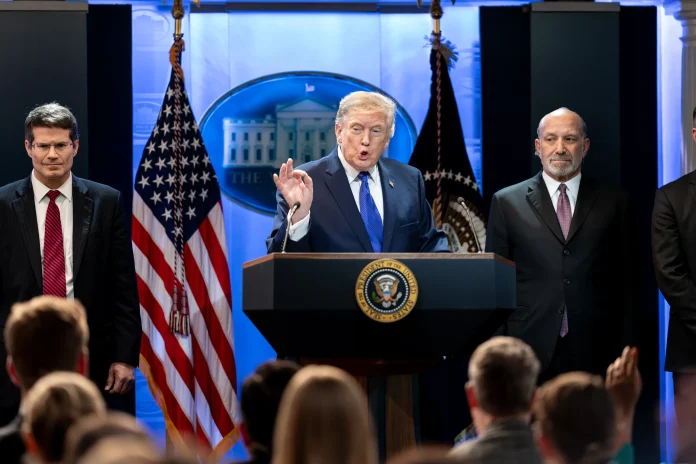
Trump has said he will now seek to pursue birthright citizenship restrictions through Congress. That path is far more difficult. Any serious change would face steep political resistance and almost certainly trigger another round of legal challenges.
Why it matters
The immediate effect of the ruling is to preserve the current legal status quo: children born in the United States remain citizens under the Constitution. But the longer-term significance is broader. The Court’s decision reinforces the principle that executive power cannot be used to rewrite foundational constitutional protections.
It also leaves room for a different kind of campaign against birth tourism, one built around immigration enforcement rather than citizenship law. That means the debate is unlikely to disappear. Instead, it is moving into a new phase, where the legal fight over who gets to belong in America continues through prosecutors, lawmakers, and the courts.