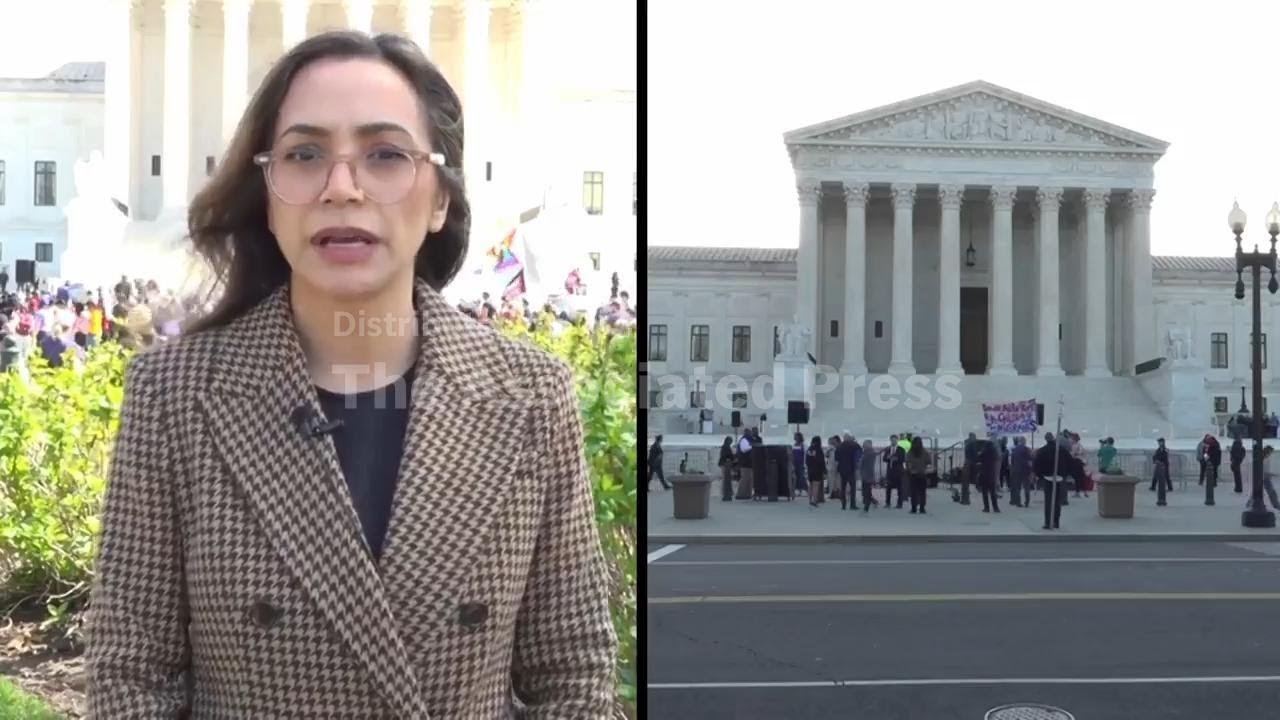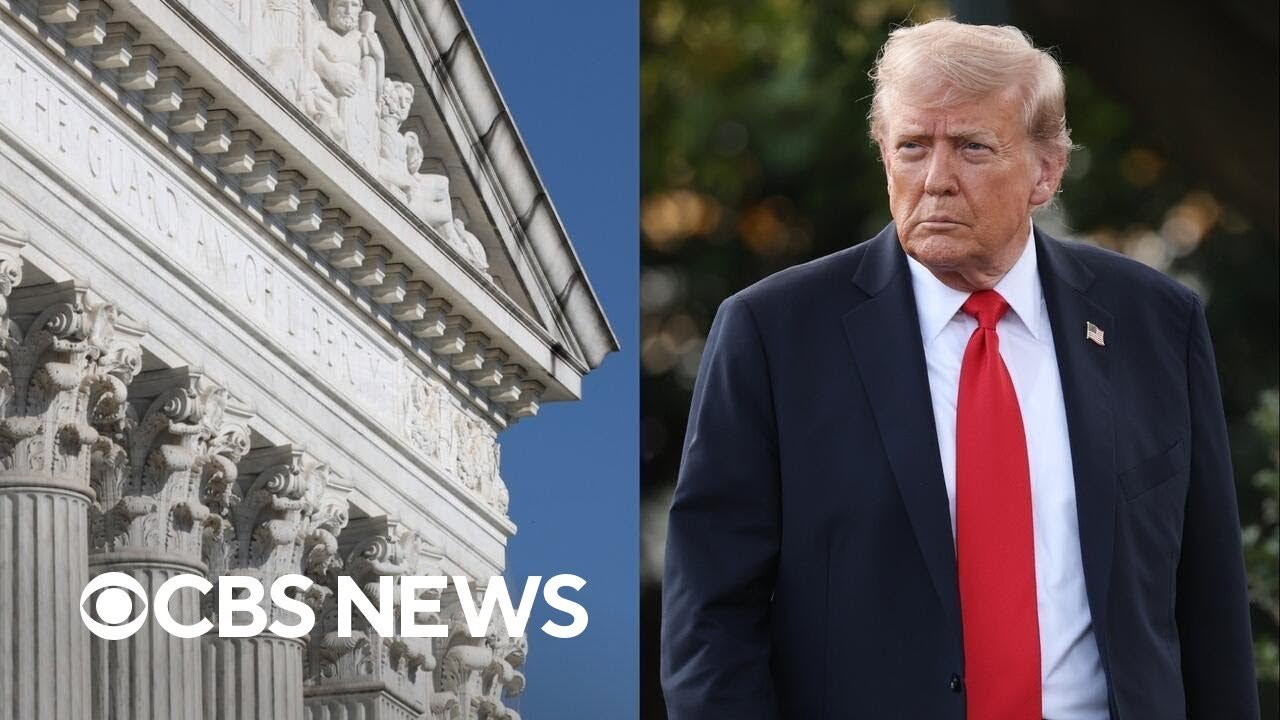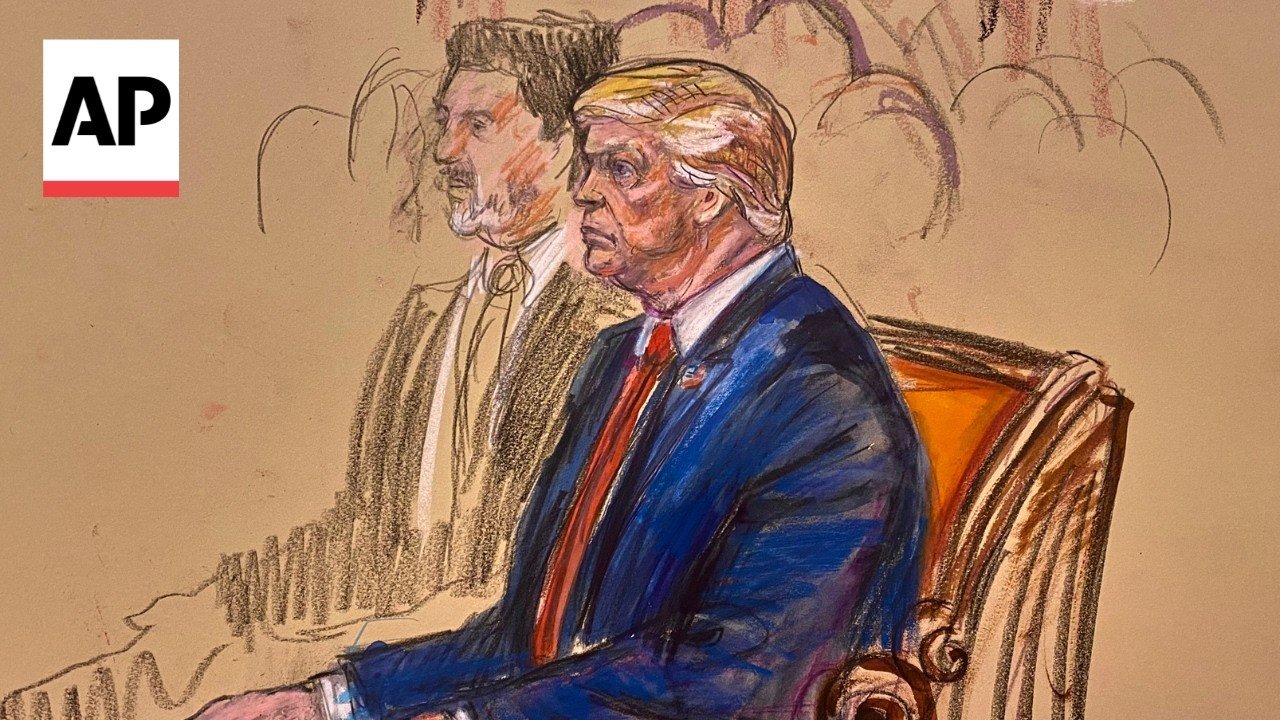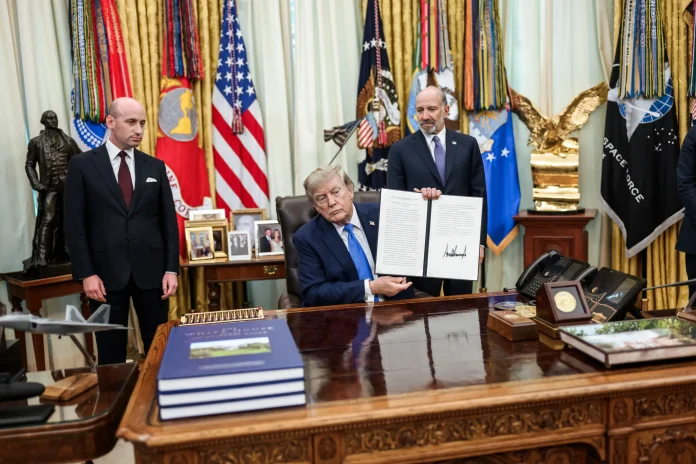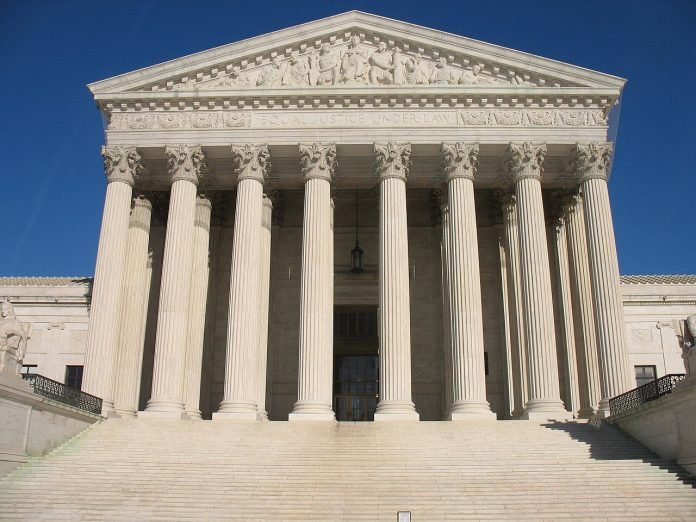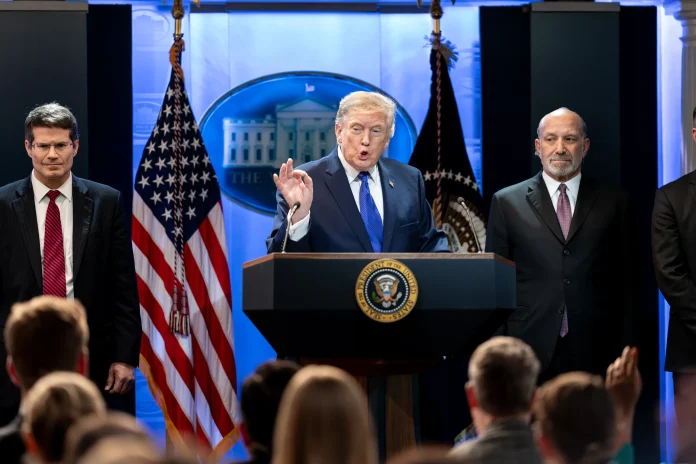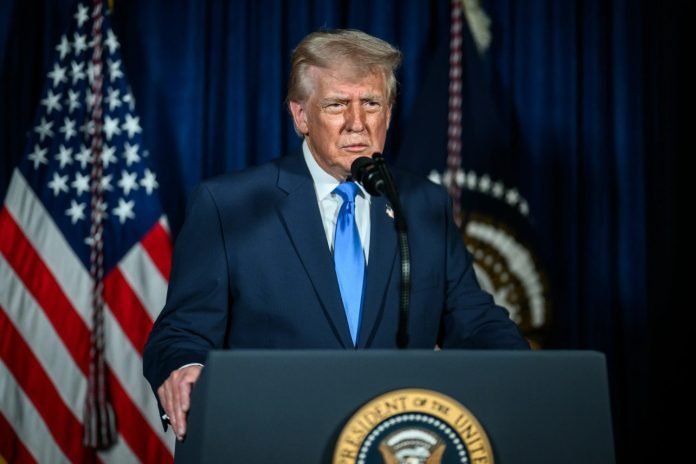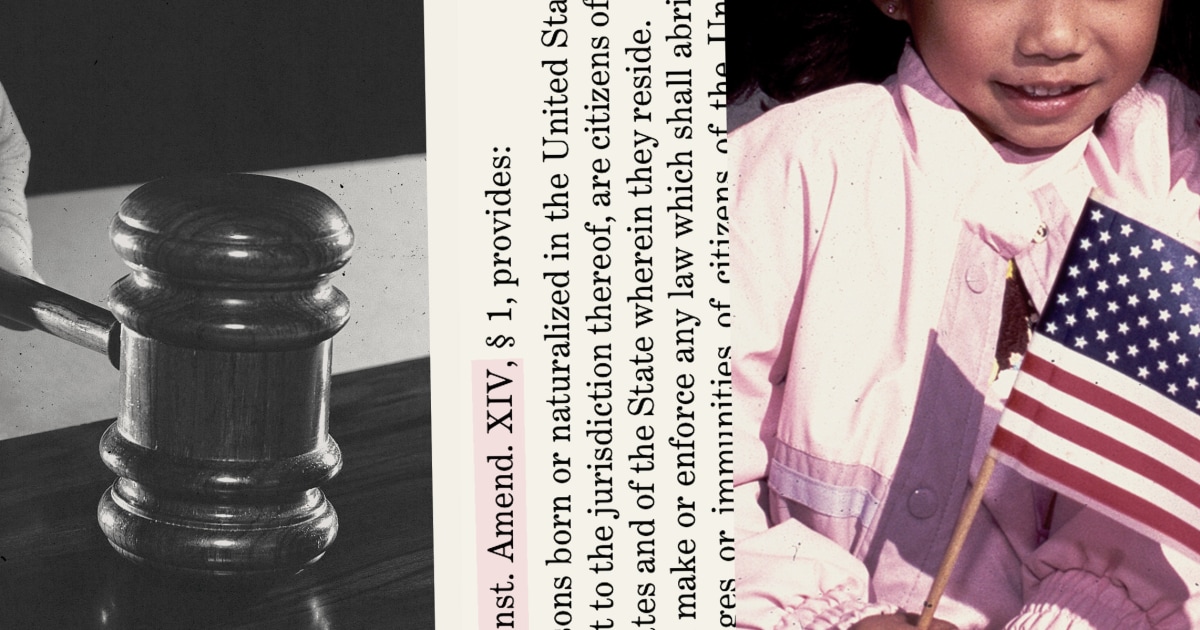
In an unprecedented moment in American history, President Donald Trump attended oral arguments at the US Supreme Court on April 1, 2026, becoming the first sitting president ever to do so. The landmark case, Trump v. Barbara, directly challenges one of the nation’s foundational constitutional principles: birthright citizenship.
At issue is Trump’s 2025 executive order seeking to end automatic citizenship for children born in the United States to undocumented immigrants or temporary visa holders. The policy asserts that such children are not “subject to the jurisdiction” of the United States — a key phrase in the 14th Amendment’s Citizenship Clause, which for more than a century has guaranteed citizenship to nearly everyone born on American soil.
A constitutional clash over the 14th Amendment
The government’s legal team argued that the framers of the 14th Amendment, ratified in 1868, did not intend to extend citizenship rights to the children of those residing in the country unlawfully or temporarily.
That interpretation, however, runs counter to more than 125 years of precedent, most notably the Supreme Court’s 1898 ruling in United States v. Wong Kim Ark. In that case, the Court affirmed that a child born in San Francisco to Chinese immigrants — who were themselves barred from naturalization — was indeed a US citizen.
During the nearly two-hour session, several justices, including some of the Court’s conservative members, expressed skepticism about the administration’s legal reasoning.
Justice Brett Kavanaugh questioned whether the executive branch had the authority to reinterpret a constitutional amendment through an executive order rather than through legislation or constitutional amendment.
Justice Sonia Sotomayor pressed the government’s counsel on how the administration’s position would align with 14th Amendment jurisprudence dating back more than a century.
Political optics and presidential pressure
President Trump’s appearance in the courtroom drew heavy media attention and sharply divided public opinion. Critics cast it as a “strong-arming tactic” meant to sway the justices and underscore the high political stakes of the case. Supporters, meanwhile, framed it as a bold symbol of commitment to his long-promised immigration overhaul.
Notably, the justices did not acknowledge the president’s presence from the bench, maintaining the Court’s custom of separation from overt political theater. After leaving the courtroom, Trump took to his social media platform, Truth Social, to double down on his position, writing that the United States was “stupid” for continuing to uphold birthright citizenship, which he claims encourages illegal immigration and “chain migration.”
What comes next
The Court’s decision — expected by early summer — could reshape the constitutional understanding of citizenship in the United States and have sweeping implications for immigration policy and civil rights. A ruling in favor of the administration would mark a radical departure from more than a century of legal precedent, potentially affecting millions of US-born residents.
Conversely, a decision reaffirming the 14th Amendment’s broad guarantee would represent a resounding rebuke of executive attempts to narrow the definition of who qualifies as an American by birth.
As the nation awaits the Court’s ruling, the case stands not only as a major test of immigration law but also as a reflection of deep political and constitutional divides — with the president himself at the center of both.