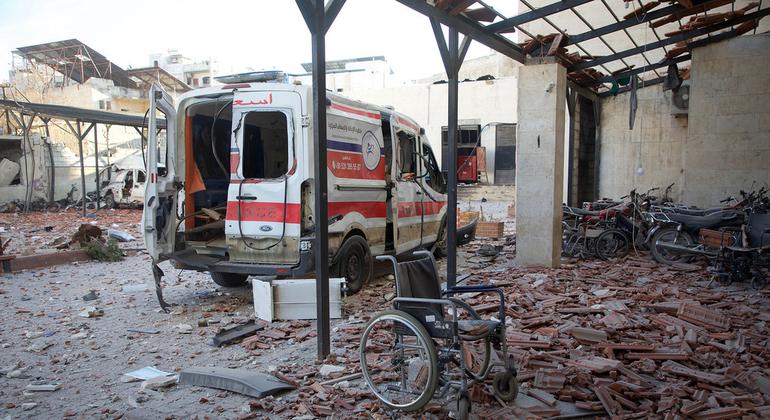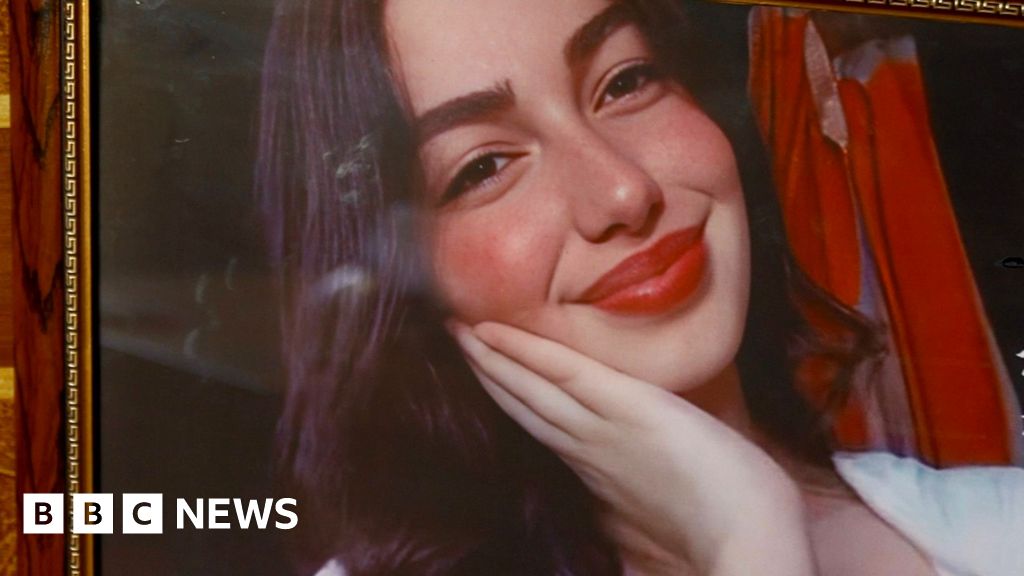
On March 6, 2025, armed clashes broke out in Syria’s coastal areas after pro-Assad remnants launched coordinated attacks on security forces. In response, thousands of government-aligned fighters and Sunni militias surged into the region, and the violence quickly escalated into a wave of sectarian killings, looting and arson.
Armed groups carried out house-to-house raids, summarily executed Alawite men, looted homes and burned properties. The transitional government under Ahmed al-Sharaa later объявed the end of formal military operations, but killings and kidnappings continued sporadically afterward.
By late 2025, rights groups were still reporting widespread marginalization of Alawites, mass dismissals from public jobs and additional sectarian killings in Homs and Latakia.
Who was involved
Investigations by Reuters and Human Rights Watch pointed to several government-aligned militias, including units folded into the new Ministry of Defense and former Hay’et Tahrir al-Sham fighters, as well as the Turkish-backed Sultan Suleiman Shah and Hamza Divisions. Witnesses also reported the presence of foreign fighters, including Turkmen, Chechen and Uzbek militants who did not speak Arabic.
Attackers were often heard questioning victims about their religion and using slurs while framing the violence as revenge for atrocities committed during the 14-year civil war under the Alawite-dominated Assad regime.
Human toll
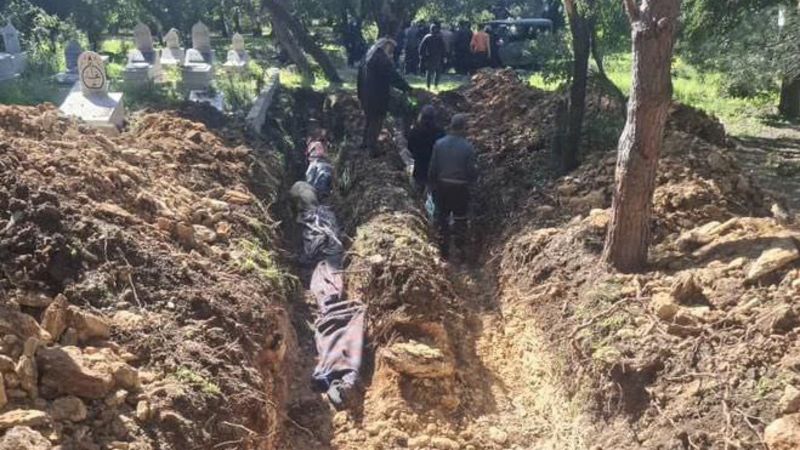
At least 51,000 civilians were displaced, and roughly 10,000 fled to Alawite villages in Lebanon. Families were often forced to bury the dead in hurried mass graves because of insecurity and restrictions on movement, often without traditional religious rites.
Survivors also described a pattern of systematic looting in which homes were stripped of valuables and then burned to prevent residents from returning.
Government response
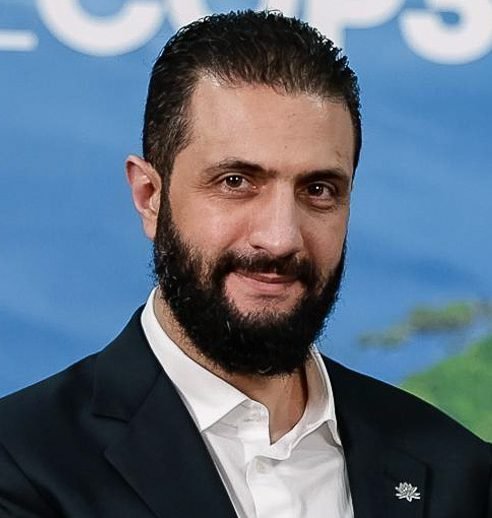
Al-Sharaa initially denied that the government was responsible, blaming “remnants of the former regime” for the violence. Under international pressure, he later promised to punish perpetrators “even if they are among those closest to us” and ordered a fact-finding committee to investigate.
Syria is a state of law. The law will take its course on all… we won’t accept that any blood be shed unjustly… even among those closest to us.
Syrian President Ahmed al-Sharaa
But the government’s July 2025 report identified 298 suspects while absolving the transitional government, saying the killings were carried out by individual soldiers and civilians acting without orders. Independent investigations by Reuters and the UN later pointed to a chain of command reaching back to Damascus, deepening doubts about the official account.
Why it matters
The coastal killings exposed the fragility of Syria’s transition and the depth of sectarian wounds left by the civil war. They also raised a central question that remains unresolved: whether the violence was a breakdown of discipline, or a pattern enabled by the state itself.
Read also:
Ex-jihadist leader Ahmed al-Sharaa becomes Syria’s president
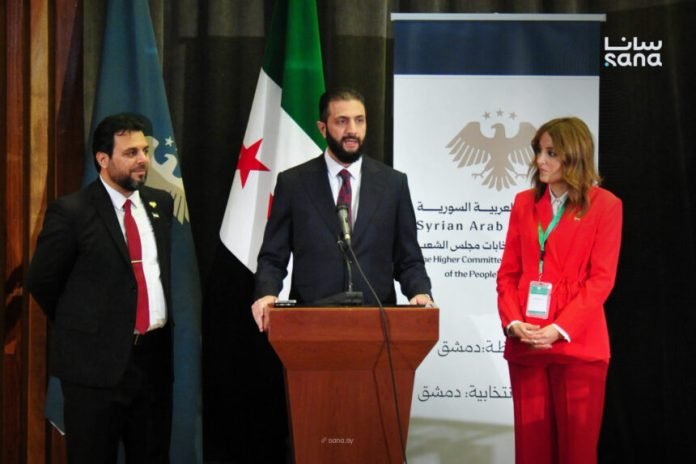
Syria holds first parliamentary elections post-Assad regime
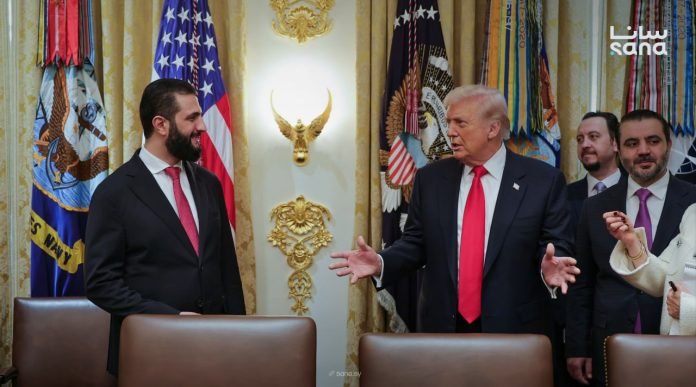
Syrian President Ahmed al-Sharaa’s historic White House visit