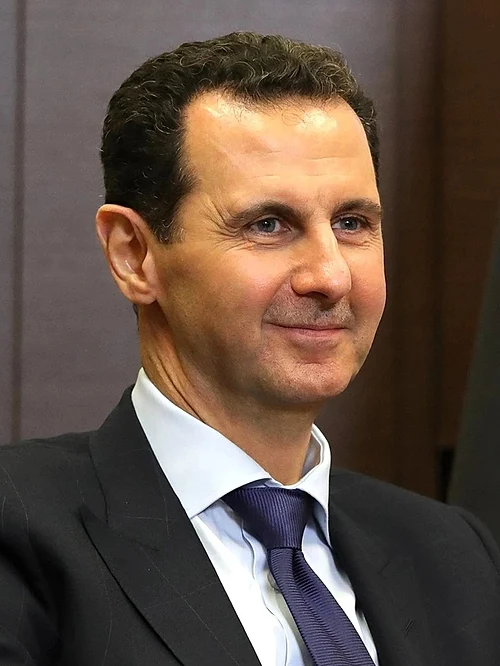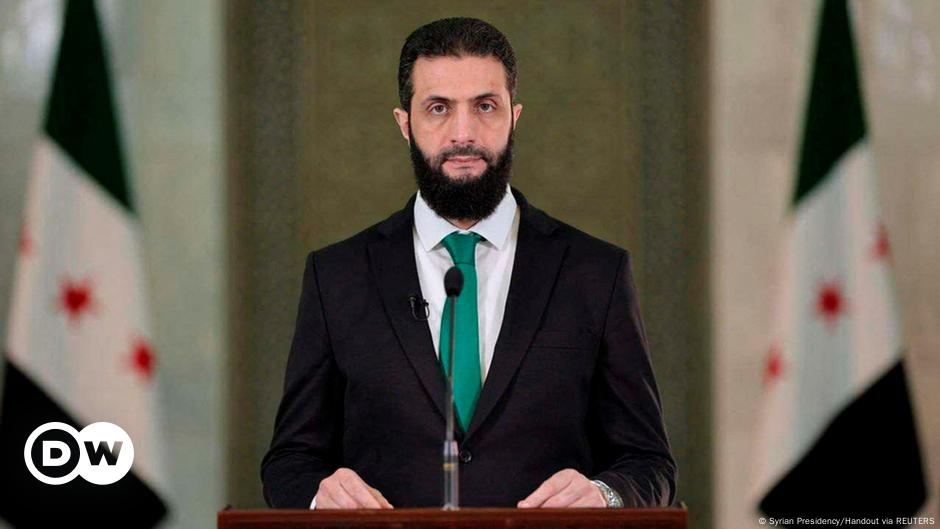
Ahmed al-Sharaa, formerly known as Abu Mohammad al-Julani, became Syria’s president on January 29, 2025, after the collapse of the Bashar al-Assad regime brought an end to more than five decades of Assad family rule. His rise marked a dramatic turn in Syrian politics, elevating a former rebel commander to the country’s top office during a transitional period.
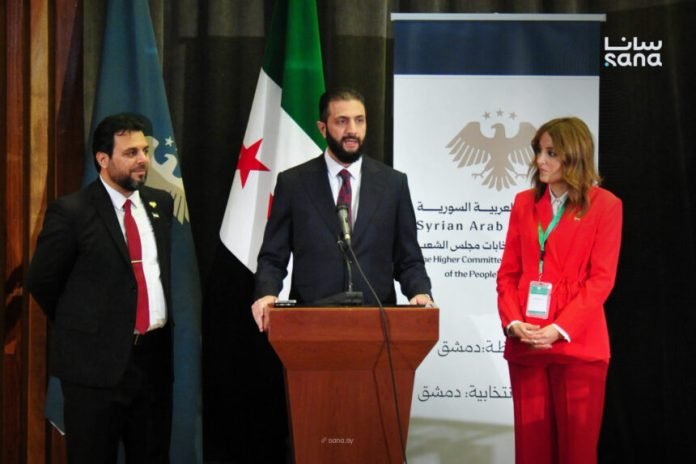
Al-Sharaa was formally named president at a conference in Damascus described as the “Conference for Announcing the Victory of the Syrian Revolution.” The appointment gave him authority over a five-year transition running from 2025 to 2030, as Syria’s new rulers sought to replace the old order with a new governing framework.
How he rose to power
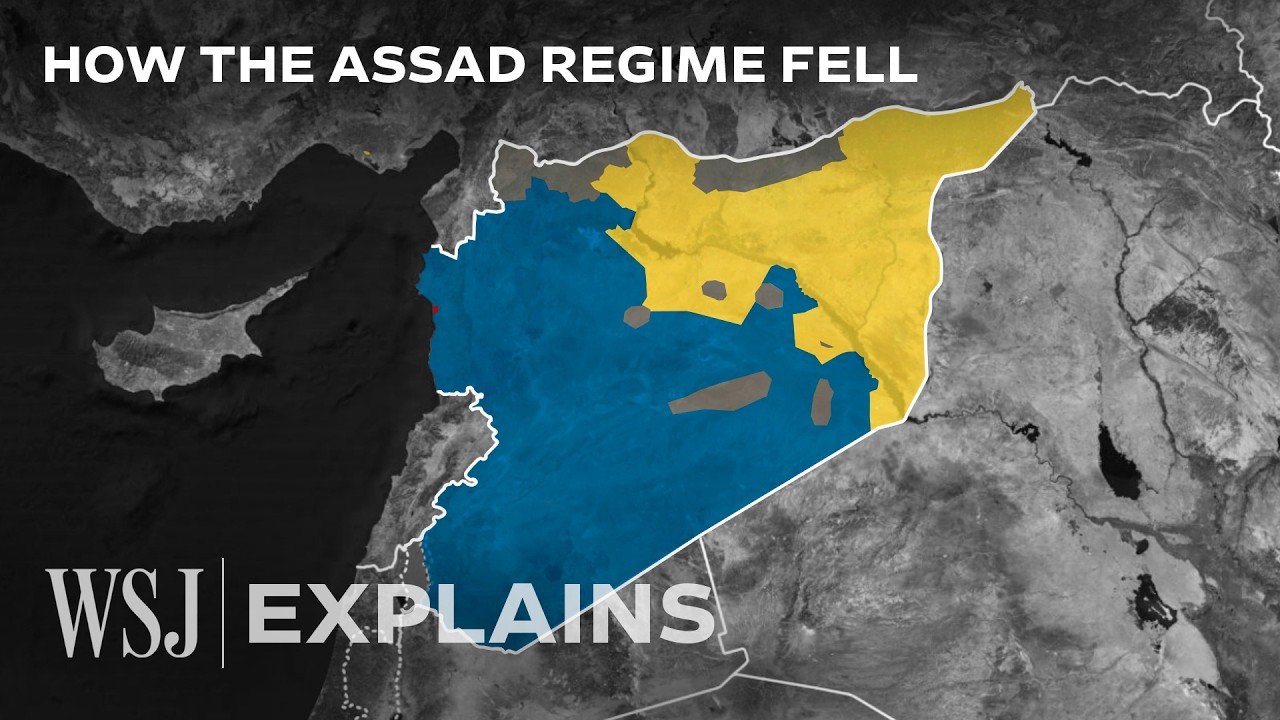
His ascent followed a rapid opposition offensive in late 2024. In what became known as the “lightning offensive,” an alliance led by Hayat Tahrir al-Sham captured Aleppo, Hama and Homs in just 11 days with limited resistance. On December 8, rebel forces entered Damascus, and Assad fled to Russia, leaving al-Sharaa as the country’s de facto leader.
After the regime’s fall, the new authorities moved quickly to consolidate control. Rebel factions agreed to dissolve and merge into a national army under a new Ministry of Defense, while detention sites associated with the old regime, including Sednaya Prison, were emptied and shut down.
Constitutional overhaul
In March 2025, al-Sharaa signed a Constitutional Declaration that replaced the 2012 constitution and set out the legal basis for the transitional period. The declaration established Islam as the state religion and made Islamic jurisprudence the main source of law, while also preserving provisions on basic freedoms and rights.
The document concentrated executive authority in the presidency and abolished the post of prime minister. It also created a temporary legislative framework under a People’s Assembly, with members selected through a process shaped by the new leadership. Together, the changes gave al-Sharaa significant control over the transition.
Reactions at home
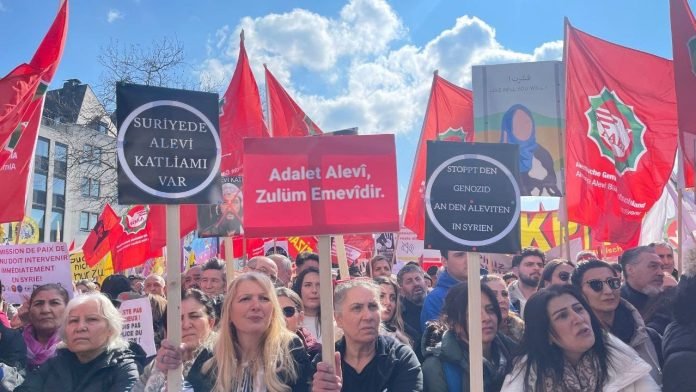
Reactions inside Syria were mixed. Many Syrians welcomed the end of the Assad dictatorship, but minorities, especially Alawites and Druze, voiced concern about the risk of sectarian reprisals under the new leadership. The Kurdish-led Syrian Democratic Forces criticized the centralization of power and initially resisted the new political structure, though a later integration roadmap was eventually signed and then stalled.
Regional and global response
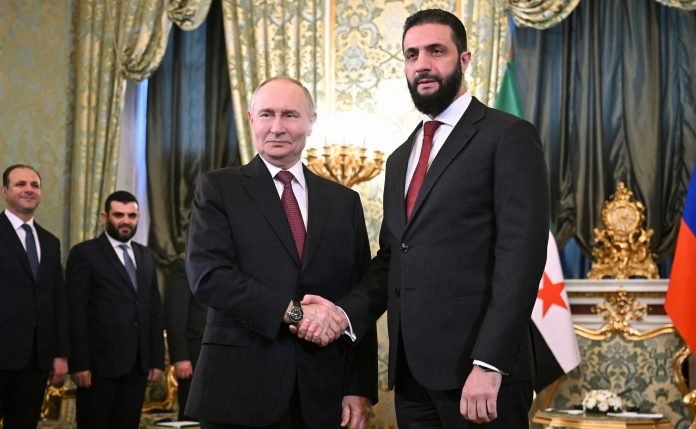
Regional governments adjusted quickly to the new reality. Turkey, Saudi Arabia and Qatar moved to engage Syria’s new leadership, with Turkey emerging as a particularly important partner and Gulf states offering reconstruction support. Their response reflected a pragmatic acceptance of al-Sharaa’s rule rather than immediate ideological approval.
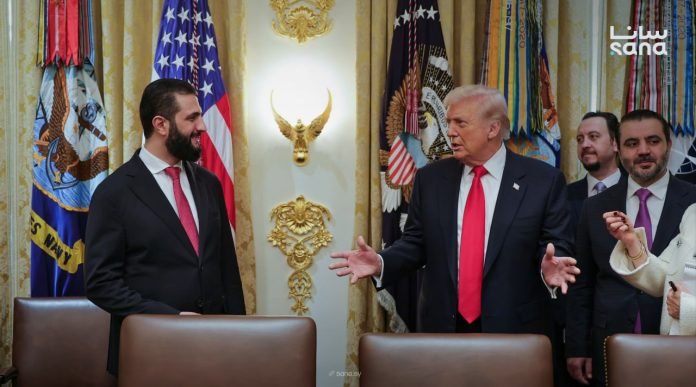
Western governments were slower to move but gradually eased sanctions through 2025. The United States, the United Kingdom and the European Union all began relaxing restrictions as the transition took shape, while Donald Trump publicly praised al-Sharaa and lifted the $10 million bounty that had been placed on him.
International recognition
By mid-2025, al-Sharaa’s authority had begun to receive formal international recognition. The United Nations updated its records in July to list him as the president of the Syrian Arab Republic, and in November the UN Security Council removed terrorism-related sanctions against him. Those steps signaled that, despite lingering doubts about his past and the character of the new system, Syria’s new leadership had moved into a new phase of diplomatic acceptance.